Return-to-Sport Rehabilitation
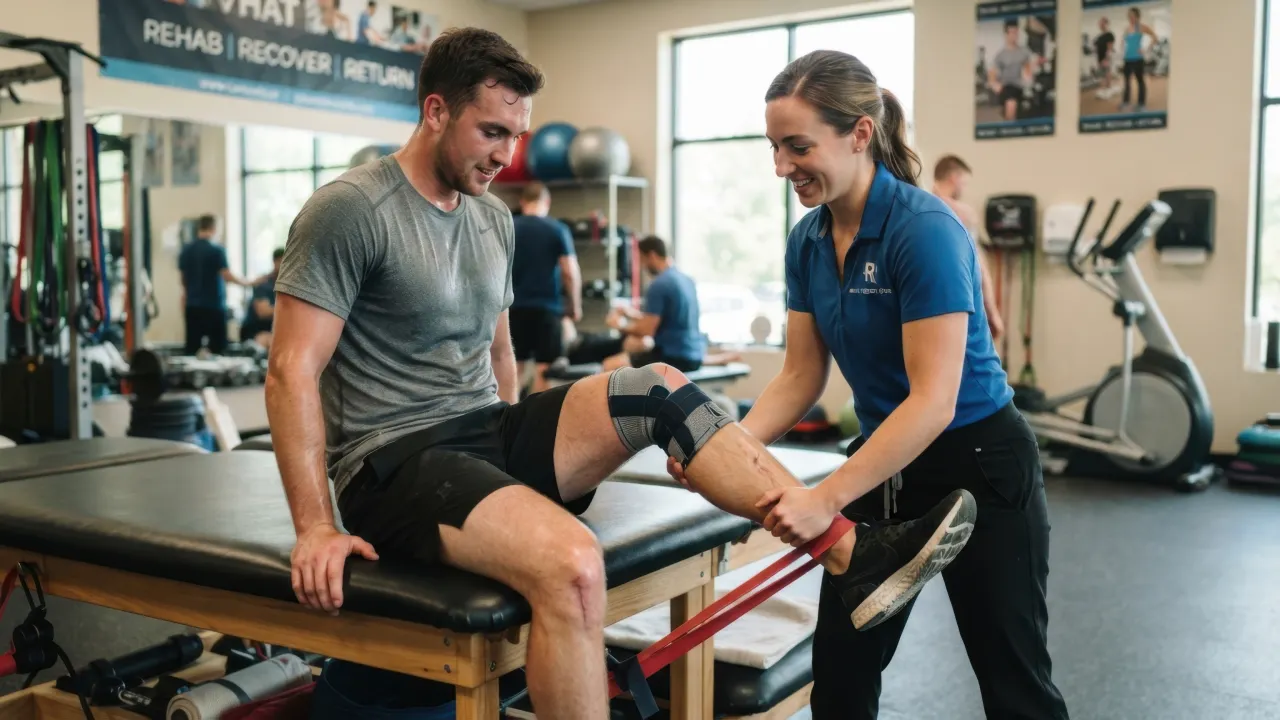
Return-to-Sport Rehabilitation in Edmonton
Returning to sports after an injury requires careful preparation, physical conditioning, and an assessment of movement, strength, balance, and sport-specific abilities. Return-to-Sport Rehabilitation helps athletes and physically active individuals prepare to resume training, practice, and competition following an injury, surgery, or period of reduced activity. At The Bright Physio & Mindfulness Massage in Edmonton, this rehabilitation service focuses on movement quality, functional strength, coordination, and the physical demands of each sport. The aim is to help individuals prepare for sporting activities while addressing remaining limitations and reducing the risk of further injury. Whether you participate in recreational sports, competitive athletics, or regular fitness activities, a structured rehabilitation plan can help you make informed decisions about returning to your usual level of participation.
What Is Return-to-Sport Rehabilitation?
Return-to-Sport Rehabilitation is a structured process that prepares an individual to resume athletic activities after an injury or physical setback. It involves assessing physical function, addressing movement limitations, rebuilding strength, and gradually introducing the movements required for a particular sport.
Unlike general exercise programs, Return-to-Sport Rehabilitation considers the physical demands of activities such as running, jumping, sprinting, pivoting, throwing, kicking, and changing direction. These movements place different demands on muscles, joints, balance, coordination, and endurance.
At The Bright Physio & Mindfulness Massage in Edmonton, Return-to-Sport Rehabilitation may include exercises that address strength deficits, mobility restrictions, balance difficulties, and sport-specific movement challenges. The program depends on the injury, current physical abilities, treatment history, and athletic goals.
The process also considers the demands of training and competition. Returning to practice may require a different level of preparation than participating in a full competitive event. Progress should be based on functional assessments and appropriate clinical advice rather than a fixed recovery timeline.
Who Can Benefit from Return-to-Sport Rehabilitation?
Return-to-Sport Rehabilitation may be suitable for individuals who want to resume physical activities following an injury, surgery, or extended break from sports.
1. Recreational Athletes
People who participate in community leagues, weekend games, running clubs, or recreational fitness activities may need help preparing their bodies for the demands of their chosen activity.
For example, a recreational soccer player may need to work on balance, leg strength, acceleration, and directional changes before returning to regular matches.
2. Competitive Athletes
Competitive athletes often face demanding training schedules and repeated high-intensity movements. Rehabilitation can help them address physical limitations and assess their readiness for practice and competition.
3. Athletes Recovering from Sports Injuries
Individuals recovering from ankle sprains, knee injuries, muscle strains, ligament injuries, or other musculoskeletal conditions may need progressive exercises before resuming their usual sports.
4. Individuals Returning After Surgery
People recovering from procedures involving the knee, shoulder, hip, or other joints may require a structured progression of exercises. Their return to sport should follow the advice of their treating healthcare professionals and the restrictions associated with their procedure.
5. Runners and Fitness Enthusiasts
Runners, gym participants, cyclists, and people involved in high-intensity exercise may benefit from functional conditioning when an injury has interrupted their usual routine.
6. Young Athletes
Young athletes returning to organized sports may require age-appropriate exercises that address coordination, strength, movement control, and the demands of their sport. Parents, coaches, and healthcare providers may all play a role in supporting a gradual return.
Common Problems Addressed by Return-to-Sport Rehabilitation
An injury may appear to have improved while certain physical limitations remain. Returning to demanding activities without assessing these limitations may increase the chance of aggravating an existing condition.
Return-to-Sport Rehabilitation can address several common challenges.
Reduced Muscle Strength
Inactivity following an injury may lead to weakness in the affected area or surrounding muscle groups. Progressive strengthening exercises help address these deficits and prepare the body for sporting demands.
Limited Joint Mobility
Stiffness in the ankle, knee, hip, shoulder, or other joints may interfere with running, jumping, throwing, and changes in direction. Mobility exercises may form part of the rehabilitation plan when appropriate.
Poor Balance and Coordination
Sports frequently require rapid adjustments in body position. Balance and coordination exercises can help individuals practice controlling their movements during standing, landing, and directional changes.
Difficulty With Sport-Specific Movements
An individual may be able to walk comfortably but still have difficulty sprinting, jumping, pivoting, or kicking. Gradually practicing these movements helps assess readiness for more demanding activity.
Reduced Endurance
A break from regular training may affect cardiovascular fitness and muscular endurance. A progressive conditioning program can help prepare individuals for the duration and intensity of their sport.
Fear of Reinjury
After an injury, some athletes may hesitate when jumping, landing, accelerating, or making sudden movements. Gradual exposure to relevant activities, combined with appropriate physical preparation, may help build confidence in movement.
Uncertainty About Returning to Competition
Feeling ready to play does not always mean that an athlete has recovered the strength, coordination, and functional capacity required for competition. Clinical assessment and sport-specific testing can help inform the decision.
What Does Return-to-Sport Rehabilitation Include?
The activities included in Return-to-Sport Rehabilitation depend on the individual’s condition, functional abilities, and sporting goals. A rehabilitation plan may involve the following components.
Initial Physical Assessment
The assessment may review the injury history, current symptoms, joint mobility, muscle strength, balance, coordination, and relevant movement patterns. The clinician may also consider the physical requirements of the individual’s sport.
Strength and Conditioning Exercises
Progressive resistance exercises can address weakness in affected and supporting muscle groups. Exercises may focus on the legs, hips, trunk, shoulders, or upper limbs, depending on the injury and activity.
Mobility and Flexibility Work
Where appropriate, exercises may address restrictions in joint movement and muscle flexibility. The selection of exercises depends on the affected area and any clinical precautions.
Balance and Movement Control
Balance training and controlled movement exercises can help individuals practice maintaining stability during activities that resemble sporting situations.
Jumping and Landing Practice
For sports involving jumping, running, or rapid changes in direction, rehabilitation may include progressive landing drills and lower-limb control exercises when clinically appropriate.
Agility and Directional Changes
Some sports require quick acceleration, deceleration, and changes in direction. These activities can be introduced gradually after the individual demonstrates sufficient preparation for the relevant demands.
Sport-Specific Drills
Exercises may progress from basic movements to activities associated with the person’s sport. A runner may practice graded running intervals, while a basketball player may progress toward controlled jumping, lateral movement, and ball-related drills.
Return-to-Training Planning
The final stages may involve gradually increasing training duration, intensity, and complexity. Coordination with the treating clinician, coach, or other healthcare professionals may be appropriate depending on the injury.
How the Return-to-Sport Rehabilitation Process Works
At The Bright Physio & Mindfulness Massage in Edmonton, the process can be organized into several stages according to the individual’s needs and current physical condition.
Step 1: Consultation
The process begins with a discussion about the injury, current symptoms, previous treatment, sporting activities, and goals. Information about training schedules and upcoming competitions may also help establish realistic priorities.
Step 2: Physical Assessment
A physiotherapy assessment may examine strength, mobility, balance, coordination, movement control, and functional limitations. The clinician may identify areas that require further work before more demanding activity is introduced.
Step 3: Rehabilitation Planning
An exercise plan is developed according to the assessment findings, sporting requirements, and any relevant medical restrictions. The plan may include strengthening, mobility, conditioning, and movement-control exercises.
Step 4: Progressive Exercise
Exercises are introduced and progressed according to the individual’s response and demonstrated ability. The progression may move from controlled movements to more demanding functional activities.
Step 5: Sport-Specific Preparation
When appropriate, exercises begin to reflect the demands of the intended sport. Depending on the activity, these may include running, jumping, landing, pivoting, throwing, or agility drills.
Step 6: Readiness Review
Progress is reviewed against relevant functional goals and clinical findings. Depending on the injury, formal testing or clearance from the treating physician or surgeon may be required before returning to unrestricted sport.
Step 7: Return-to-Training Progression
A gradual increase in training volume and intensity may help an athlete transition toward regular practice and competition. The schedule should account for symptoms, physical capacity, sport demands, and clinical recommendations.
Benefits of Return-to-Sport Rehabilitation
A structured Return-to-Sport Rehabilitation program can help individuals prepare for athletic participation by addressing physical limitations and monitoring progress.
Potential benefits include:
- Improved strength: Exercises can address weakness affecting sporting movements.
- Greater movement control: Balance and coordination training can help individuals practice controlled movement.
- Sport-specific preparation: Progressive drills can introduce the movements required for a particular activity.
- Assessment of functional readiness: Relevant tests and movement assessments can help identify areas that still need attention.
- Gradual conditioning: A progressive exercise plan can help rebuild tolerance for training demands.
- Informed return decisions: Clinical assessments can help individuals make decisions about resuming practice and competition.
- Attention to injury risk factors: Addressing identified strength, mobility, and movement deficits may help reduce certain risks associated with returning to sport.
Outcomes vary according to the injury, the individual’s health, adherence to the exercise plan, and the physical demands of the sport. Rehabilitation cannot guarantee that another injury will not occur.
Sports and Activities Supported by Return-to-Sport Rehabilitation
Return-to-Sport Rehabilitation may be relevant to a wide range of athletic and recreational activities in Edmonton.
Examples include:
- Soccer: Running, sprinting, kicking, pivoting, and changes in direction.
- Basketball: Jumping, landing, lateral movement, and acceleration.
- Hockey: Balance, lower-body strength, skating-related conditioning, and directional control.
- Running and track activities: Graded running, endurance, stride control, and lower-limb conditioning.
- Volleyball: Jumping, landing, overhead movement, and agility.
- Tennis and badminton: Lateral movement, reaching, rotation, and rapid directional changes.
- Weight training: Strength progression, movement control, and activity-specific preparation.
- Cycling: Lower-limb conditioning and functional preparation following relevant injuries.
- Recreational fitness: Gradual progression toward gym sessions, group exercise, and other physical activities.
The activities included in a rehabilitation plan depend on the injury and the individual’s clinical status. Some movements may need to be delayed or modified until sufficient function has been restored.
Return-to-Sport Rehabilitation at The Bright Physio & Mindfulness Massage in Edmonton
The Bright Physio & Mindfulness Massage provides a setting for individuals in Edmonton seeking support with physical rehabilitation and preparation for sporting activities.
Return-to-Sport Rehabilitation focuses on the relationship between an injury, the individual’s current physical abilities, and the demands of returning to activity. The rehabilitation plan should reflect the person’s symptoms, functional limitations, exercise tolerance, and athletic goals.
When considering this service, individuals can discuss their injury history, current activity level, and intended sport with the clinic. This helps establish which assessments and rehabilitation activities may be appropriate.
The clinic’s current service details, practitioner qualifications, appointment availability, and specific rehabilitation offerings should be confirmed directly before booking.
Frequently Asked Questions
1. What Is Return-to-Sport Rehabilitation?
Return-to-Sport Rehabilitation is a structured process that prepares individuals to resume sporting activities after an injury, surgery, or period of reduced activity. It may include strength training, mobility exercises, balance work, conditioning, and sport-specific movement practice.
2. When Should I Start Return-to-Sport Rehabilitation?
The appropriate time depends on the injury, its severity, current symptoms, and any medical restrictions. Some rehabilitation activities may begin during an early recovery stage, while running, jumping, and contact activities may need to wait until specific clinical criteria are met.
A physiotherapist or treating physician can help determine an appropriate starting point.
3. How Long Does Return-to-Sport Rehabilitation Take?
The duration varies according to the injury, the affected body part, the person’s physical condition, and the demands of the sport. A minor muscle strain may require a different rehabilitation period than a significant ligament injury or surgery. Progress should be assessed individually rather than determined by a universal timeline.
4. Can I Return to Sports if I Still Have Some Discomfort?
Persistent or increasing discomfort should be assessed before returning to demanding activity. The significance of symptoms depends on the injury and the type of movement involved. Seek advice from a qualified healthcare professional, particularly if symptoms are worsening or affecting normal movement.
5. Does Return-to-Sport Rehabilitation Help Reduce the Risk of Another Injury?
Rehabilitation can address certain factors associated with injury risk, including weakness, limited mobility, poor movement control, and insufficient sport-specific conditioning. However, no rehabilitation program can eliminate the risk of reinjury.
6. What Exercises Are Included in Return-to-Sport Rehabilitation?
Exercises may include progressive strengthening, balance training, mobility work, controlled landing practice, agility drills, running progression, and sport-specific activities. The exercises depend on the injury, assessment findings, and the individual’s stage of recovery.
7. Do I Need Medical Clearance Before Returning to Sports?
Medical clearance may be necessary after surgery, significant ligament injuries, fractures, or other serious conditions. The treating physician or surgeon may establish restrictions or functional criteria that must be met before unrestricted participation. Follow the recommendations provided for your particular injury.
8. Is Return-to-Sport Rehabilitation Suitable for Recreational Athletes?
Yes. Recreational athletes may require rehabilitation just as competitive athletes do, particularly when an injury affects running, cycling, gym activities, team sports, or other physical pursuits. The exercise plan should reflect the person’s activity level and goals.
Return-to-Sport Rehabilitation Service Areas
The Bright Physio & Mindfulness Massage serves individuals seeking physiotherapy and rehabilitation-related care in Edmonton. People looking for Return-to-Sport Rehabilitation can contact the clinic to confirm its current service area, appointment options, and suitability for their particular injury.
Individuals should verify the clinic’s address and booking details before travelling. Availability may depend on the service requested and the practitioner’s schedule.
Why Consider The Bright Physio & Mindfulness Massage?
When selecting a clinic for Return-to-Sport Rehabilitation in Edmonton, it is important to consider the practitioner’s qualifications, experience with the relevant injury, assessment process, and familiarity with the demands of the intended sport.
The Bright Physio & Mindfulness Massage can be contacted to discuss the clinic’s rehabilitation services and determine whether they align with an individual’s needs. Before beginning care, ask about the assessment process, the exercises that may be included, expected review points, and any requirements for medical clearance.
A suitable rehabilitation plan should account for the person’s condition, functional abilities, sporting goals, and clinical restrictions.
Related Services
Depending on the clinic’s current service list, related services to ask about may include:
- Physiotherapy assessment
- Sports injury rehabilitation
- Knee injury rehabilitation
- Ankle injury rehabilitation
- Shoulder rehabilitation
- Strength and conditioning
- Mobility and movement assessment
- Injury prevention exercises
Contact the clinic to confirm which of these services are currently available and which may be appropriate for your circumstances.
Take the Next Step
Returning to sport after an injury involves more than waiting for symptoms to settle. Strength, mobility, balance, coordination, endurance, and sport-specific movement may all need to be assessed before resuming full activity.
The Bright Physio & Mindfulness Massage in Edmonton can be contacted to discuss Return-to-Sport Rehabilitation, ask about the initial assessment, and determine whether the clinic’s services are suitable for your recovery stage and sporting goals.
Contact The Bright Physio & Mindfulness Massage in Edmonton to inquire about Return-to-Sport Rehabilitation and the next steps toward resuming your sporting activities.
Phone: +1 780-737-1019
Address: 4904 30 Ave #105, Beaumont, Edmonton, AB T4X 3G3, Canada

 +1 (780) 737-1019