
 +1 (780) 737-1019
Sports Physiotherapy

Sports Physiotherapy at The Bright Physio & Mindfulness Massage in Edmonton focuses on assessing and managing sports-related injuries, movement limitations, muscle strains, joint discomfort, and physical challenges associated with exercise. This service is suitable for athletes, recreational players, gym enthusiasts, runners, and active individuals who want to address physical concerns and maintain their activity routines.
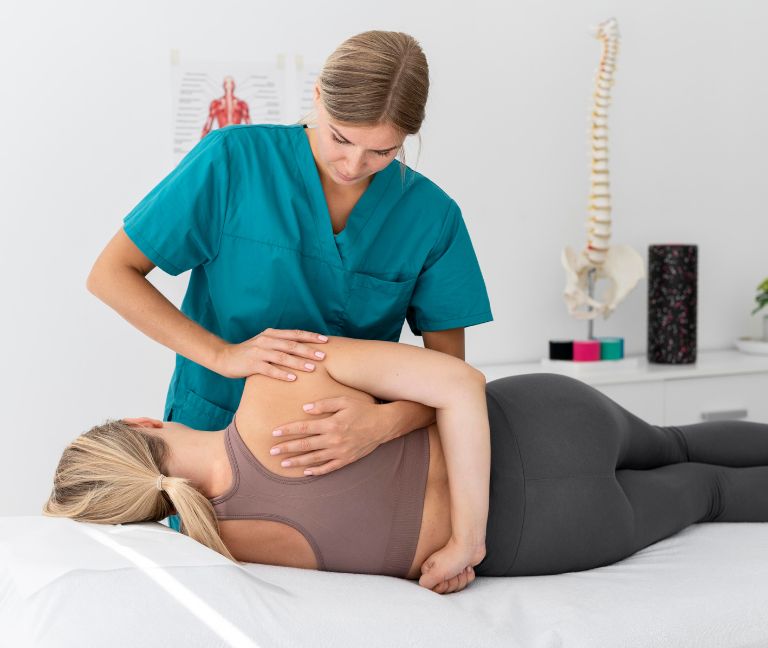
Treatment may include movement assessments, therapeutic exercises, manual therapy, mobility work, and rehabilitation planning, depending on each person’s condition and goals. The aim is to support physical function, improve movement control, build strength, and help individuals progress towards their preferred activities with an appropriate rehabilitation plan.
What Is Sports Physiotherapy?
Sports Physiotherapy is a branch of physiotherapy that focuses on preventing, assessing, and managing injuries associated with sports, exercise, training, and physical activity. It addresses the muscles, joints, ligaments, tendons, and movement patterns involved in athletic performance and everyday exercise.
At The Bright Physio & Mindfulness Massage in Edmonton, Sports Physiotherapy can help individuals address existing injuries, manage movement restrictions, and prepare for a gradual return to physical activities.
Depending on the assessment findings, care may include:
- Physical assessment: Evaluating movement, flexibility, strength, balance, and joint function.
- Injury management: Addressing common sports-related concerns, such as sprains, strains, and overuse injuries.
- Therapeutic exercises: Supporting muscle strength, mobility, coordination, and stability.
- Manual therapy: Applying appropriate hands-on methods to address movement restrictions and soft-tissue concerns.
- Functional rehabilitation: Practicing movements associated with running, jumping, lifting, throwing, or changing direction.
- Return-to-sport planning: Establishing progressive activity goals based on recovery, physical capacity, and sport-specific demands.
The treatment approach depends on the nature of the injury, medical history, physical assessment, and individual activity requirements.
Who Can Benefit from Sports Physiotherapy?
Sports Physiotherapy can be suitable for people with different activity levels, from occasional exercisers to competitive athletes.
Athletes and Competitive Players
Athletes involved in football, basketball, hockey, soccer, volleyball, tennis, and other sports may seek physiotherapy for injuries caused by sudden movements, physical contact, repetitive actions, or demanding training schedules.
Treatment can address mobility restrictions, strength deficits, balance concerns, and movement patterns that affect participation.
Runners and Joggers
Running places repeated demands on the feet, ankles, knees, hips, and surrounding muscles. Runners experiencing discomfort during training may benefit from an assessment of running mechanics, lower-body strength, flexibility, and training habits.
Gym Enthusiasts and Weightlifters
Weight training involves repeated loading of muscles and joints. Individuals experiencing discomfort during squats, deadlifts, overhead presses, or other exercises may benefit from movement assessments and exercise modifications.
Recreational Sports Participants
People who play sports for fitness and enjoyment may experience injuries when returning to activity after a break, increasing training intensity, or attempting unfamiliar movements. Physiotherapy can help them address these concerns and plan their activity progression.
Active Adults Returning After Injury
Individuals recovering from an ankle sprain, muscle strain, knee injury, or other physical setback may need structured rehabilitation before resuming demanding activities.
Individuals Seeking Injury Prevention Support
People without an active injury may seek an assessment to identify strength imbalances, mobility restrictions, or movement-control concerns that could affect their training.
Problems Addressed by Sports Physiotherapy
Sports Physiotherapy can address a range of physical concerns associated with athletic participation and exercise.
Common Sports Injuries
- Ankle sprains: Injuries involving the ligaments around the ankle, often following a twist or awkward landing.
- Muscle strains: Injuries involving muscle fibres, frequently affecting the hamstrings, calves, quadriceps, or groin.
- Knee injuries: Concerns involving the muscles, tendons, ligaments, and other structures surrounding the knee.
- Shoulder injuries: Problems associated with throwing, swimming, weightlifting, overhead movements, or contact sports.
- Tendon-related conditions: Irritation or pain involving tendons, sometimes associated with repetitive loading.
- Hip and groin discomfort: Symptoms that may occur during sprinting, kicking, pivoting, or rapid changes in direction.
Overuse and Training-Related Concerns
Repeated training without adequate recovery can contribute to persistent soreness, stiffness, and reduced exercise tolerance. Physiotherapy may help identify contributing movement patterns and provide advice on exercise progression.
Reduced Mobility and Flexibility
Restricted joint movement or muscle flexibility can make certain sports movements difficult. An assessment can identify relevant restrictions and help establish suitable mobility exercises.
Strength and Balance Deficits
Reduced strength, coordination, or balance may affect activities such as landing, jumping, cutting, and accelerating. Rehabilitation can include progressive exercises to address these limitations.
Difficulty Returning to Sport
Returning to training too quickly after an injury may increase the risk of further problems. A physiotherapist can assess functional capacity and help establish progressive return-to-activity goals.
Key Features and Services Included
The specific services provided depend on the person’s condition, assessment findings, and treatment plan.
Initial Physiotherapy Assessment
What it includes: A discussion of the injury, symptoms, medical history, sports participation, training habits, and activity goals, followed by appropriate physical testing.
Why it matters: Identifying the nature of the problem helps establish relevant treatment priorities.
Expected outcome: A clearer picture of movement limitations and possible next steps for care.
Therapeutic Exercise Planning
What it includes: Exercises selected to address strength, mobility, flexibility, coordination, and physical capacity.
Why it matters: Progressive exercise can help restore function and prepare the body for increasing activity demands.
Expected outcome: Gradual improvements in the physical abilities required for daily activities, exercise, and sport.
Manual Therapy
What it includes: Appropriate hands-on physiotherapy methods selected according to the assessment.
Why it matters: Manual therapy may be used alongside exercise to address certain movement restrictions and musculoskeletal symptoms.
Expected outcome: Support for movement and participation in rehabilitation activities, depending on the condition.
Balance and Movement Training
What it includes: Exercises involving coordination, stability, controlled landings, and changes in direction when appropriate.
Why it matters: Many sports require the ability to control the body during rapid and unpredictable movements.
Expected outcome: Progression towards improved movement control during relevant activities.
Sport-Specific Rehabilitation
What it includes: Exercises that reflect the physical demands of a person’s chosen sport, such as running, jumping, throwing, lifting, or pivoting.
Why it matters: Daily movements and sports movements place different demands on the body.
Expected outcome: A gradual transition from basic rehabilitation activities to more demanding sport-related tasks.
Return-to-Activity Planning
What it includes: Progressive activity goals based on symptoms, strength, mobility, functional testing, and the requirements of the sport.
Why it matters: Returning to full training involves more than simply waiting for symptoms to settle.
Expected outcome: A structured progression towards training or competition when the appropriate clinical criteria are met.
How the Sports Physiotherapy Process Works
At The Bright Physio & Mindfulness Massage in Edmonton, the physiotherapy process may follow these general stages.
Step 1: Initial Consultation
The physiotherapist discusses the injury, when symptoms began, previous injuries, training routines, and the activities the individual wants to resume.
Step 2: Physical Assessment
The assessment may include joint mobility, muscle strength, flexibility, balance, movement control, and sport-specific functional tests where appropriate.
Step 3: Rehabilitation Planning
The physiotherapist establishes treatment priorities and identifies suitable exercises, activity modifications, and rehabilitation milestones.
Step 4: Treatment and Exercise
Care may involve therapeutic exercises, manual therapy, mobility work, balance training, and other appropriate physiotherapy interventions.
Step 5: Progress Reviews
Progress is assessed by reviewing symptoms, movement quality, exercise tolerance, strength, and functional capacity. The rehabilitation plan may be adjusted as needed.
Step 6: Gradual Return to Sport
When appropriate, the individual progresses through increasingly demanding activities. The pace depends on the injury, recovery progress, sport requirements, and relevant clinical criteria.
Benefits of Sports Physiotherapy
Sports Physiotherapy can support several practical goals when incorporated into an appropriate rehabilitation plan.
- Improved mobility: Exercises and treatment may help address restrictions affecting joint and muscle movement.
- Strength development: Progressive resistance exercises can address weakness associated with injury or reduced activity.
- Movement control: Balance and coordination training can support control during sport-related tasks.
- Injury management: Assessment and rehabilitation can help individuals manage sports-related musculoskeletal conditions.
- Training modifications: Advice on exercise intensity, activity progression, and recovery may help individuals manage training demands.
- Functional rehabilitation: Exercises can prepare individuals for tasks such as running, lifting, jumping, and changing direction.
- Return-to-sport preparation: Progressive testing and activity planning can help assess readiness for increased physical demands.
- Greater awareness of movement: Individuals can learn how strength, mobility, technique, and training patterns relate to their physical concerns.
Results vary according to the condition, injury severity, consistency with rehabilitation, and other individual factors. Physiotherapy does not guarantee injury prevention or a specific recovery timeline.
Sports and Activities Supported
Sports Physiotherapy may be relevant to participants in a wide range of activities, including:
- Hockey and ice sports
- Soccer and football
- Basketball and volleyball
- Tennis, badminton, and squash
- Running, jogging, and track events
- Cycling and mountain biking
- Swimming
- Weightlifting and strength training
- Gymnastics and dance
- Hiking and recreational fitness
- Racquet sports and other activities involving repeated movement
The appropriate rehabilitation approach depends on the movements, physical demands, and injury risks associated with each activity.
Frequently Asked Questions
What does Sports Physiotherapy include?
Sports Physiotherapy may include an initial assessment, therapeutic exercises, mobility training, manual therapy, balance work, functional rehabilitation, and return-to-sport planning. The exact services depend on the individual’s condition and treatment goals.
When should I see a sports physiotherapist?
Consider an assessment if you have persistent discomfort during exercise, a recent sports injury, reduced mobility, recurring muscle strains, joint instability, or difficulty returning to your usual activities. Severe pain, significant swelling, visible deformity, inability to bear weight, or suspected fracture warrants prompt medical assessment.
Can Sports Physiotherapy help with an ankle sprain?
Yes. Physiotherapy may support ankle sprain rehabilitation through appropriate mobility exercises, strength training, balance work, and progressive loading. The program depends on the severity of the sprain and whether further medical assessment is required.
How long does Sports Physiotherapy take?
The timeline varies according to the injury, its severity, the individual’s health, and the physical demands of the chosen sport. Some minor conditions may improve over a short period, while significant injuries may require several weeks or months of rehabilitation.
Can Sports Physiotherapy help prevent sports injuries?
Physiotherapy can help identify relevant strength, mobility, balance, and movement-control concerns. Exercise planning and training advice may reduce certain injury risks, but no program can eliminate the possibility of injury.
Do I need a doctor’s referral for Sports Physiotherapy in Edmonton?
Referral requirements can depend on the provider, insurance plan, and circumstances. Contact The Bright Physio & Mindfulness. Massage and your insurer to confirm whether a referral is required for your appointment or reimbursement.
Is Sports Physiotherapy suitable for recreational athletes?
Yes. Physiotherapy is not limited to competitive athletes. Recreational players, runners, gym members, and people who exercise for general fitness may seek support for injuries, mobility restrictions, or a gradual return to physical activity.
What should I bring to my first appointment?
Bring relevant medical or imaging reports, a list of current concerns, information about previous injuries, and details of your sports or exercise routine. Wear comfortable clothing that allows the physiotherapist to assess the affected area and relevant movements.
Sports Physiotherapy Service Areas in Edmonton
The Bright Physio & Mindfulness Massage serves clients seeking physiotherapy services in Edmonton. Individuals looking for Sports Physiotherapy may include athletes, recreational players, active adults, and fitness enthusiasts living or training in the city.
Depending on the clinic’s actual service coverage, relevant local areas may include:
- Downtown Edmonton
- South Edmonton
- North Edmonton
- West Edmonton
- Mill Woods
- Windermere
- Terwillegar
- Summerside
- Clareview
- Other Edmonton neighbourhoods
Contact the clinic to confirm its location, appointment availability, and whether it serves your neighbourhood. Any surrounding communities should be listed only if they fall within the clinic’s actual service area.
Why Choose the Bright Physio & Mindfulness Massage?
When selecting a provider for Sports Physiotherapy in Edmonton, it is important to consider the clinic’s assessment process, treatment options, communication, and approach to rehabilitation.
The Bright Physio & Mindfulness Massage provides a point of contact for individuals seeking physiotherapy and massage services. Prospective clients can contact the clinic to discuss their sports-related concerns, ask about available appointments, and confirm which physiotherapy services are appropriate for their needs.
When choosing a physiotherapy provider, consider:
- Assessment process: Whether the clinician reviews your symptoms, medical history, and physical activity goals.
- Relevant qualifications: Whether the treating physiotherapist holds the required credentials and registration in Alberta.
- Rehabilitation planning: Whether treatment goals and exercise progressions are explained clearly.
- Progress monitoring: Whether the plan can be adjusted according to your response to treatment.
- Sport-specific needs: Whether rehabilitation can address the physical demands of your activity.
- Appointment details: Whether scheduling, fees, insurance documentation, and referral requirements are explained before treatment.
For accurate information about the clinic’s clinicians, qualifications, equipment, treatment methods, and appointment policies, contact The Bright Physio & Mindfulness Massage directly.
Related Services
Individuals seeking Sports Physiotherapy may also wish to ask about other services that complement their activity and rehabilitation goals, where available at the clinic.
Potential related services include
- General Physiotherapy: Assessment and management of musculoskeletal conditions affecting daily movement.
- Therapeutic Exercise: Exercises that address strength, mobility, coordination, and physical function.
- Rehabilitation After Injury: Progressive exercises and activity planning following an injury.
- Massage Therapy: Hands-on treatment that may address muscle tension and certain soft-tissue concerns.
- Mobility and Flexibility Training: Exercises intended to address movement restrictions.
- Functional Movement Assessment: Evaluation of relevant movement patterns during everyday or sport-related activities.
Service availability varies. Contact the clinic to confirm which options it currently provides and whether they are appropriate for your circumstances.
Book Sports Physiotherapy in Edmonton
Sports injuries and movement limitations can affect training, recreational activities, and everyday routines. An assessment can help identify the factors contributing to these concerns and establish appropriate next steps.
The Bright Physio & Mindfulness Massage in Edmonton is a contact point for individuals seeking information about Sports Physiotherapy and available treatment options.
Take the next step:
Contact The Bright Physio & Mindfulness Massage to ask about Sports Physiotherapy appointments in Edmonton. Describe your injury or movement concern, mention the sport or activity you want to return to, and ask what information you should bring to your first visit.
The clinic can confirm appointment availability, applicable fees, and the services offered to help you plan your next steps.
Phone: +1 780-737-1019
Address: 4904 30 Ave #105, Beaumont, Edmonton, AB T4X 3G3, Canada