Motor Vehicle Accident Injuries

Motor vehicle accidents can affect muscles, joints, ligaments, nerves, and other parts of the body, even when the collision appears minor. Motor Vehicle Accident Injuries may cause neck stiffness, back discomfort, whiplash, headaches, shoulder tension, reduced mobility, and difficulty carrying out everyday activities. At The Bright Physio & Mindfulness Massage, physiotherapy and massage therapy can help individuals address movement difficulties and physical symptoms following a collision. Located in Edmonton, the clinic provides care based on each person’s symptoms, physical condition, and daily activity needs. Seeking an assessment after an accident can help identify injuries, determine suitable care options, and establish a plan for returning to regular activities safely.
What Are Motor Vehicle Accident Injuries?
Motor Vehicle Accident Injuries are physical injuries or symptoms that occur during or after a collision involving a car, truck, motorcycle, bicycle, or other vehicle. These injuries may result from sudden acceleration, deceleration, impact, twisting, or the force placed on the body during a crash.
Some injuries are immediately noticeable, while others develop over several hours or days. Symptoms can range from mild stiffness to significant pain, restricted movement, and difficulties with work or household tasks.
At The Bright Physio & Mindfulness Massage, care for Motor Vehicle Accident Injuries in Edmonton may involve physiotherapy, therapeutic exercises, movement assessments, and massage therapy when appropriate. The approach depends on the type of injury, symptom severity, medical findings, and the individual’s recovery needs.
Common injuries following a motor vehicle accident include:
- Whiplash: A neck injury associated with rapid forward and backward movement of the head.
- Back injuries: Muscle strains, ligament injuries, and other sources of back discomfort.
- Neck and shoulder injuries: Stiffness, muscle tension, and restricted movement following impact.
- Soft tissue injuries: Damage or irritation involving muscles, tendons, ligaments, and surrounding tissues.
- Joint injuries: Injuries affecting the shoulders, knees, wrists, hips, or other joints.
- Headaches: Symptoms that may occur after neck strain, a head injury, or a concussion.
- Reduced mobility: Difficulty bending, turning, walking, lifting, or completing regular activities.
Anyone experiencing symptoms after a collision should consider an appropriate medical assessment to identify potential injuries before beginning physical treatment.
Who Can Benefit from Care for Motor Vehicle Accident Injuries?
People with different types of accident-related injuries may benefit from an assessment and a suitable rehabilitation plan. The nature of care depends on their symptoms, medical status, and physical limitations.
Drivers and Passengers
Drivers and passengers may develop neck stiffness, back discomfort, shoulder tension, or muscle strains following sudden impact. An assessment can help identify movement restrictions and determine which rehabilitation options may be appropriate.
People Experiencing Whiplash
Whiplash can affect neck movement and make turning the head, driving, reading, or working at a computer difficult. Physiotherapy may include guided movement, appropriate exercises, and gradual activity progression according to clinical findings.
Individuals With Back and Shoulder Injuries
A collision may strain the muscles and supporting structures around the back and shoulders. People experiencing difficulty sitting, standing, lifting, or reaching may benefit from an assessment of their movement and functional abilities.
People Returning to Work
Accident-related symptoms can interfere with jobs involving driving, desk work, lifting, standing, or repetitive movement. Rehabilitation can focus on relevant physical tasks and the gradual resumption of activities, where medically appropriate.
Individuals Having Difficulty with Everyday Activities
Some people notice changes in their ability to sleep comfortably, walk, dress, perform household chores, or participate in recreational activities. A rehabilitation plan can address these limitations while accounting for medical advice and symptom progression.
Common Problems Associated with Motor Vehicle Accident Injuries
Motor Vehicle Accident Injuries can affect physical function in several ways. Recognizing these problems can help individuals decide when to seek an assessment.
Common concerns include:
- Neck stiffness and restricted movement: Turning the head or looking over the shoulder may become difficult.
- Back discomfort: Sitting, standing, bending, and lifting may become uncomfortable.
- Muscle tension: Sudden impact can strain muscles and contribute to stiffness around the neck, shoulders, and back.
- Headaches: Headaches following a collision may require assessment, particularly when accompanied by dizziness, nausea, or other symptoms.
- Joint discomfort: Impact may affect the knees, wrists, hips, shoulders, and other joints.
- Reduced flexibility: Stiffness may interfere with bending, reaching, and changing positions.
- Difficulty sleeping: Discomfort may make it difficult to find a comfortable sleeping position.
- Reduced work capacity: Symptoms may interfere with concentration, physical duties, commuting, or prolonged sitting.
- Difficulty with daily tasks: Activities such as shopping, cleaning, dressing, and caring for family members may become challenging.
- Changes in activity tolerance: Walking, exercise, or other familiar activities may require temporary adjustments.
The appropriate response depends on the type and severity of the injury. Serious symptoms should be assessed by a medical professional rather than managed through massage or exercise alone.
What Does Treatment for Motor Vehicle Accident Injuries Include?
Care at The Bright Physio & Mindfulness Massage may involve different services depending on the individual’s assessment and clinical needs. Not every treatment option is appropriate for every injury.
Initial Assessment
An initial assessment may include a discussion of the collision, current symptoms, medical history, movement limitations, and activities affected by the injury. The clinician may examine relevant movement patterns and physical function to determine suitable next steps.
Physiotherapy
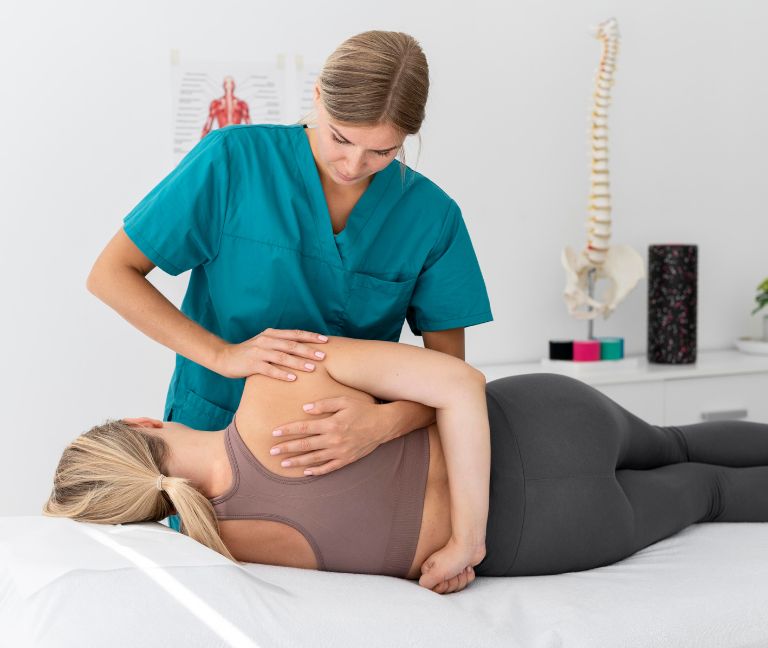
Physiotherapy may address restricted movement, muscle weakness, reduced flexibility, and difficulties with daily activities. Depending on the assessment, sessions may include guided exercises, mobility work, movement retraining, and advice about managing physical activity.
Therapeutic Exercise
Exercises may be selected to address specific limitations involving the neck, shoulders, back, or other affected areas. The type, intensity, and progression of exercises depend on the injury and the person’s tolerance.
Massage Therapy
Massage therapy may be considered for appropriate soft tissue symptoms, including muscle tension and stiffness. The therapist should account for the injury, symptom severity, and any medical restrictions before proceeding.
Activity Modification
Temporary changes to work tasks, exercise, driving, or household activities may help individuals manage symptoms while following their rehabilitation plan. Activity recommendations should reflect clinical findings and any restrictions provided by a medical professional.
Progress Reviews
Follow-up assessments can help monitor symptoms, movement, activity tolerance, and the need for changes to the rehabilitation plan. If symptoms worsen or fail to progress as expected, further medical evaluation may be necessary.
How the Rehabilitation Process Works
The process for addressing Motor Vehicle Accident Injuries in Edmonton generally involves several stages.
Consultation
The first step is to discuss the accident, current symptoms, medical assessments, and the activities that have become difficult. Relevant information about the collision and any existing medical advice helps inform the next steps.
Physical Assessment
The clinician reviews movement, functional limitations, and relevant physical findings. The assessment helps determine whether physiotherapy or massage therapy is appropriate or whether further medical evaluation is required.
Care Planning
A suitable plan is developed according to the injury, symptoms, clinical findings, and activity goals. This may include physiotherapy, therapeutic exercises, massage therapy when appropriate, and recommendations for managing everyday tasks.
Treatment Sessions
Sessions may focus on mobility, strength, flexibility, movement control, or soft tissue symptoms. Treatment methods are selected according to the individual’s condition and adjusted when necessary.
Progress Review
Progress is reviewed by considering symptom changes, movement, activity tolerance, and the ability to perform everyday tasks. The plan may be adjusted if the person’s condition changes or additional assessment is needed.
Continued Support
Further appointments may be recommended according to clinical needs and progress. Individuals may also receive advice about home exercises, activity adjustments, and safe participation in regular routines.
Benefits of Addressing Motor Vehicle Accident Injuries
Appropriate assessment and rehabilitation can support recovery from accident-related injuries and help individuals manage physical limitations.
Potential outcomes may include:
- Improved movement: Exercises and physiotherapy may help address restricted movement in affected areas.
- Greater flexibility: Appropriate mobility work may help address stiffness and reduced range of motion.
- Improved muscle function: Exercise programs may address weakness and reduced activity tolerance.
- Support with everyday tasks: Rehabilitation can focus on activities such as walking, sitting, lifting, and reaching.
- Activity progression: A structured plan can help individuals gradually resume suitable work, household, and recreational activities.
- Symptom management: Appropriate physiotherapy and massage therapy may help manage certain muscle and joint symptoms.
- Monitoring of progress: Follow-up assessments can identify changes that may require adjustments to care.
Results vary according to the injury, its severity, overall health, and adherence to clinical recommendations. No particular outcome or recovery timeline can be guaranteed.
Types of Motor Vehicle Accident Injuries Addressed
The care required after a collision depends on the body areas affected and the nature of the injury.
Whiplash and Neck Injuries
Neck injuries may involve stiffness, tenderness, reduced rotation, and difficulty maintaining certain positions. Assessment can help determine appropriate movement exercises and other treatment options.
Back and Spinal Injuries
Back injuries may cause discomfort during bending, sitting, walking, or lifting. The cause should be assessed before selecting exercises or hands-on treatment, particularly when symptoms involve the spine or nerves.
Shoulder and Upper-Body Injuries
Impact, bracing against the steering wheel, or sudden movement may affect the shoulders and surrounding soft tissues. Care may address movement restrictions and functional difficulties, depending on the findings.
Soft Tissue Injuries
Muscle strains and ligament injuries may contribute to swelling, tenderness, and reduced movement. The timing and type of treatment should reflect the stage and severity of the injury.
Head Injuries and Concussion-Related Symptoms
A collision may cause a concussion or another head injury. Symptoms such as dizziness, headaches, nausea, confusion, or sensitivity to light require appropriate medical assessment. Physiotherapy may be considered as part of a clinician-directed plan when indicated.
Motor Vehicle Accident Injuries in Edmonton: Service Areas
The Bright Physio & Mindfulness Massage serves clients in Edmonton who are seeking physiotherapy and massage therapy for accident-related physical symptoms.
People looking for care may include residents from different Edmonton neighbourhoods and surrounding communities. Availability for specific locations should be confirmed directly with the clinic.
When contacting the clinic, individuals can ask about appointment availability, the services provided for their injury, required documentation, and whether direct billing or motor vehicle accident insurance arrangements are available.
Why Choose The Bright Physio & Mindfulness Massage?
When seeking care for Motor Vehicle Accident Injuries in Edmonton, it is important to find a clinic that considers the injury, medical history, movement limitations, and everyday activity needs.
The Bright Physio & Mindfulness Massage provides a setting where individuals can inquire about physiotherapy and massage therapy options following a collision.
When considering care at the clinic, patients can discuss:
- Assessment of symptoms: Explain which areas are affected and how the collision has changed daily activities.
- Suitable treatment options: Ask which physiotherapy or massage therapy services may be appropriate for the injury.
- Activity-related concerns: Discuss difficulties with sitting, walking, lifting, working, or other regular tasks.
- Progress monitoring: Ask how progress is reviewed and when the plan may need to change.
- Insurance and documentation: Confirm whether the clinic can assist with motor vehicle accident claim paperwork or direct billing and what documentation is required.
Specific qualifications, insurance arrangements, appointment availability, and clinic policies should be confirmed with The Bright Physio & Mindfulness Massage before booking.
Related Services
Depending on the services available at the clinic, people seeking care after a collision may also inquire about related options, including:
- Whiplash Treatment: Assessment and rehabilitation for appropriate neck injuries following a collision.
- Neck Pain Physiotherapy: Care addressing neck stiffness, movement restrictions, and related functional difficulties.
- Back Pain Physiotherapy: Assessment and rehabilitation for selected back-related symptoms.
- Shoulder Injury Rehabilitation: Care for shoulder movement restrictions and certain soft tissue injuries.
- Therapeutic Massage: Massage therapy for suitable muscle tension and soft tissue symptoms.
- Mobility and Exercise Rehabilitation: Exercises intended to address movement, strength, and functional limitations.
The availability of these services should be confirmed with the clinic. Additional medical evaluation may be necessary before beginning treatment for certain injuries.
Frequently Asked Questions
1. What are the common symptoms of Motor Vehicle Accident Injuries?
Common symptoms include neck stiffness, back discomfort, shoulder tension, muscle strains, headaches, joint symptoms, and restricted movement. Some symptoms appear immediately, while others develop over the next several hours or days. New or worsening symptoms should be assessed by an appropriate healthcare professional.
2. When should I seek physiotherapy after a car accident?
The timing depends on the injury and its severity. A medical assessment may be necessary first, particularly when there is a suspected fracture, head injury, concussion, or nerve involvement. Once it is appropriate to begin rehabilitation, a physiotherapist can assess movement and discuss suitable treatment options.
3. Can massage therapy help with Motor Vehicle Accident Injuries?
Massage therapy may help manage certain soft tissue symptoms, including muscle tension and stiffness, when clinically appropriate. It is not suitable for every injury and should not replace medical assessment. The therapist should consider the injury and any medical restrictions before treatment.
4. How long does recovery from a motor vehicle accident take?
Recovery time varies according to the injury, its severity, general health, and other individual factors. Some people improve over a relatively short period, while others require a longer rehabilitation process. A healthcare professional can discuss likely recovery expectations after assessing the condition.
5. Does automobile insurance cover physiotherapy after an accident in Alberta?
Coverage may be available under applicable Alberta automobile insurance rules, but eligibility, claim procedures, documentation, and treatment limits depend on the circumstances and current policy requirements. Contact your insurer and ask The Bright Physio & Mindfulness Massage which claim-related documents or billing arrangements the clinic can support. Confirm coverage before assuming that a service will be paid for by insurance.
Take The Next Step
If you are experiencing neck stiffness, back discomfort, muscle tension, or movement difficulties following a collision, consider discussing your symptoms with an appropriate healthcare professional.
Contact The Bright Physio & Mindfulness. Massage to inquire about physiotherapy and massage therapy options for Motor Vehicle Accident Injuries. The clinic can explain its appointment process, available services, and any documentation you may need before your visit.
Phone: +1 780-737-1019
Address: 4904 30 Ave #105, Beaumont, Edmonton, AB T4X 3G3, Canada

 +1 (780) 737-1019