TMJ / Jaw Pain & Dysfunction

Jaw pain, stiffness, clicking, and difficulty opening or closing the mouth can affect eating, speaking, yawning, sleeping, and everyday activities. TMJ/Jaw Pain & Dysfunction care at The Bright Physio & Mindfulness Massage in Edmonton focuses on assessing jaw movement, muscle tension, joint function, and related symptoms to determine suitable physiotherapy approaches. Temporomandibular joint (TMJ) disorders can involve the jaw joint, surrounding muscles, or both. People experiencing recurring jaw discomfort, facial tension, restricted movement, or pain while chewing may benefit from a professional assessment to identify possible contributing factors and discuss appropriate care.
What Is TMJ / Jaw Pain & Dysfunction?
TMJ / Jaw Pain & Dysfunction refers to symptoms and movement problems involving the temporomandibular joints, which connect the lower jaw to the skull. These joints are located on both sides of the face, just in front of the ears, and help control movements required for speaking, chewing, swallowing, and yawning.
Temporomandibular disorders (TMD) can affect the joints, chewing muscles, surrounding connective tissues, or the coordination of jaw movement. Symptoms may develop gradually or appear following an injury, prolonged jaw clenching, teeth grinding, or periods of increased muscle tension. In some cases, the cause is not immediately clear.
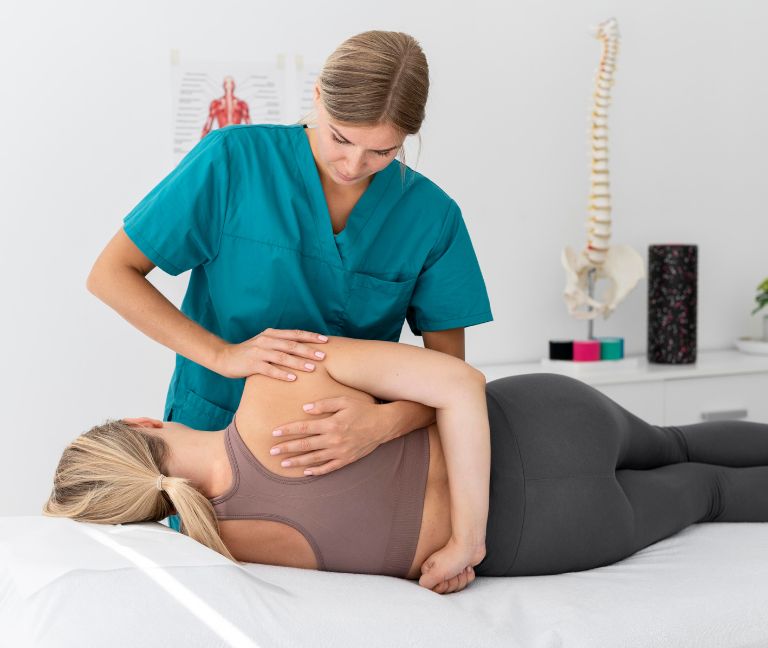
At The Bright Physio & Mindfulness Massage, TMJ / Jaw Pain & Dysfunction care may involve assessing jaw mobility, muscle tenderness, posture, movement patterns, and related neck symptoms. Based on the assessment, a physiotherapist may recommend suitable approaches such as therapeutic exercises, manual therapy, movement education, and strategies for managing contributing daily habits.
Treatment depends on the person’s symptoms and clinical findings. Jaw clicking alone does not necessarily indicate a disorder requiring treatment, particularly when it occurs without pain or restricted movement.
Who Can Benefit from TMJ / Jaw Pain & Dysfunction Care?
TMJ/jaw pain & Dysfunction services in Edmonton may be appropriate for adults experiencing jaw discomfort, limited movement, or muscle tension affecting daily activities.
People who may benefit from an assessment include:
- People with jaw pain: Individuals who notice discomfort near the ears, along the jawline, or around the temples while eating or speaking.
- People with restricted jaw movement: Those who find it difficult to open their mouths fully, yawn comfortably, or chew certain foods.
- People who clench or grind their teeth: Individuals who notice jaw fatigue, facial tension, or morning soreness.
- People with jaw clicking or popping: Those experiencing joint sounds alongside discomfort, locking, or changes in jaw movement.
- People with facial muscle tension: Individuals who experience tenderness around the cheeks, temples, or muscles used for chewing.
- People with associated neck discomfort: Those whose jaw symptoms occur alongside neck stiffness or changes in head and neck posture.
- People recovering from an injury: Individuals whose jaw symptoms began following a blow to the face or another incident, after appropriate medical assessment.
A clinical assessment helps determine whether physiotherapy may be appropriate or whether consultation with a dentist, physician, or another healthcare provider is needed.
Problems Addressed by TMJ / Jaw Pain & Dysfunction
Jaw symptoms can have several contributing factors, including muscle overactivity, joint irritation, injury, dental concerns, and habitual clenching. Identifying the likely source is an important part of planning care.
Common concerns include:
1. Jaw Pain During Chewing
Pain while eating, biting, or chewing may be associated with irritation of the jaw joint or increased tension in the chewing muscles. An assessment can examine movement patterns and identify activities that aggravate symptoms.
2. Limited Mouth Opening
Some people notice difficulty opening their mouths fully or feel that their jaws become stiff during the day. Physiotherapy may address movement restrictions when appropriate, while persistent locking requires prompt clinical assessment.
3. Clicking and Popping Sounds
Jaw joints can produce clicking or popping sounds during movement. These sounds are not always a sign of damage. However, when accompanied by pain, locking, or restricted movement, they may warrant assessment.
4. Facial and Temple Muscle Tension
Overactive chewing muscles may contribute to tenderness around the cheeks, temples, and jawline. Treatment may focus on muscle function, relaxation strategies, and reducing habits that place repeated strain on the jaw.
5. Teeth Clenching and Grinding
Repeated clenching or grinding can contribute to jaw muscle fatigue and soreness. Physiotherapy may help address muscle tension and related movement patterns. Dental assessment may also be appropriate, particularly when tooth wear or nighttime grinding is suspected.
6. Jaw Symptoms Associated with Neck Stiffness
The jaw and neck regions work together during several everyday movements. Some people experience discomfort in both areas. Assessment may examine neck mobility, posture, and muscle coordination to determine whether these factors contribute to the symptoms.
7. Difficulty With Everyday Activities
When jaw discomfort interferes with eating, speaking, yawning, or social activities, a care plan may focus on improving comfortable movement and helping the person manage aggravating activities.
Features and Services Included in TMJ / Jaw Pain & Dysfunction Care
The care plan at The Bright Physio & Mindfulness Massage depends on the person’s symptoms, health history, and assessment findings. The following elements may be considered when clinically appropriate.
Initial Consultation and Symptom Review
The clinician reviews when the symptoms began, where discomfort occurs, which activities aggravate it, and whether there is a history of injury, clenching, grinding, or previous jaw problems.
Why it matters: This information helps identify potential contributing factors and determine whether further assessment or referral is necessary.
Jaw Movement Assessment
The assessment may include observing how the mouth opens and closes, checking the available range of movement, and noting any deviation, discomfort, or movement restrictions.
Why it matters: Jaw movement findings help inform decisions about suitable exercises and manual therapy.
Muscle and Joint Assessment
The clinician may examine the chewing muscles, surrounding tissues, and jaw joint function when appropriate.
Why it matters: Jaw symptoms can involve different structures, so treatment should reflect the findings rather than relying on symptoms alone.
Neck and Posture Assessment
When relevant, the clinician may assess neck mobility, head position, and associated muscle tension.
Why it matters: This can help identify additional factors that may contribute to discomfort during daily activities.
Therapeutic Exercises
Depending on the assessment, exercises may address jaw coordination, comfortable movement, muscle control, or relaxation.
Why it matters: Exercises can help people practice appropriate movement and follow their care plan between appointments.
Manual Therapy
Gentle manual techniques may be considered when suitable for the person’s condition and tolerance.
Why it matters: These techniques may help address movement restrictions or muscle tension as part of a broader physiotherapy plan.
Education and Daily Habit Strategies
Advice may cover avoiding excessive gum chewing, reducing unnecessary jaw clenching, choosing comfortable foods during symptom flare-ups, and taking breaks from activities that aggravate symptoms.
Why it matters: Changes to aggravating habits can reduce repeated strain while the person follows the recommended care plan.
Progress Reviews
Follow-up appointments may assess changes in jaw movement, discomfort, daily function, and tolerance for recommended exercises.
Why it matters: The care plan can be adjusted according to the person’s response and any new clinical findings.
How the TMJ / Jaw Pain & Dysfunction Process Works
The process at The Bright Physio & Mindfulness Massage in Edmonton may follow these steps:
Step 1: Consultation
The clinician discusses the symptoms, their duration, relevant health history, and the activities affected by jaw discomfort.
Step 2: Assessment
Jaw movement, muscle tenderness, and related neck function may be examined to identify possible contributing factors.
Step 3: Care Planning
The clinician discusses the assessment findings and determines whether physiotherapy is appropriate. A plan may include exercises, manual therapy, education, or referral to another healthcare professional.
Step 4: Treatment
Suitable interventions are introduced according to the assessment, the person’s comfort, and their clinical needs.
Step 5: Progress Review
Changes in symptoms, movement, and daily activities are reviewed during follow-up visits. The plan may be adjusted where necessary.
Step 6: Home Care and Ongoing Management
The person may receive exercises and practical advice for managing daily habits, monitoring symptoms, and maintaining comfortable jaw movement.
The number of appointments varies according to the cause, severity, duration, and response to care. There is no single schedule that suits everyone.
Benefits of TMJ / Jaw Pain & Dysfunction Physiotherapy
When physiotherapy is appropriate, care may help address movement restrictions, muscle tension, and difficulties with everyday jaw function.
Potential outcomes include:
- Improved jaw mobility: Working towards a more comfortable range of opening and closing when movement is restricted.
- Improved chewing function: Addressing factors that make chewing uncomfortable or tiring.
- Reduced muscle tension: Managing excessive activity or tenderness in the chewing muscles where appropriate.
- Improved movement coordination: Practicing controlled jaw movements as part of an exercise program.
- Greater awareness of clenching habits: Learning to recognize and modify unnecessary jaw tension during the day.
- Improved neck movement: Addressing associated neck restrictions when they contribute to the person’s symptoms.
- Practical self-management skills: Learning how to monitor symptoms and modify activities that aggravate the jaw.
Results vary according to the underlying cause and individual circumstances. Physiotherapy cannot address every cause of jaw pain, and some conditions require dental care, medical evaluation, or a combination of services.
Who May Need TMJ / Jaw Pain & Dysfunction Services?
TMJ/jaw pain & Dysfunction care may be relevant to people from different backgrounds who experience problems with jaw movement or chewing muscles.
Examples include:
- Office workers: People who clench their jaws during concentrated work or periods of stress.
- Students: Individuals who notice jaw tension during demanding study periods.
- People who grind their teeth: Those who experience morning jaw soreness or fatigue.
- People with physically demanding routines: Individuals whose daily activities involve repeated muscle tension or sustained postures.
- People with previous facial injuries: Those experiencing ongoing jaw symptoms following an injury, after appropriate medical evaluation.
- People with recurring neck and jaw symptoms: Individuals who notice discomfort in both regions and require an assessment of their movement patterns.
These examples describe possible reasons to seek assessment rather than confirmed causes of an individual’s symptoms.
Frequently Asked Questions
1. What is TMJ/jaw pain & Dysfunction?
TMJ / Jaw Pain & Dysfunction describes pain, stiffness, restricted movement, or other problems involving the temporomandibular joints and the muscles responsible for jaw movement. Symptoms can affect chewing, speaking, yawning, and other everyday activities.
2. What are the common signs of TMJ dysfunction?
Common signs include jaw pain, tenderness around the cheeks or temples, difficulty opening the mouth, discomfort while chewing, and clicking or popping accompanied by pain or restricted movement. Some people also report associated neck discomfort or jaw fatigue.
3. Can physiotherapy help with TMJ/jaw pain & Dysfunction?
Physiotherapy may help some people with temporomandibular disorders by addressing jaw mobility, muscle function, movement coordination, and contributing neck restrictions. Suitability depends on the underlying cause and assessment findings. Dental or medical care may also be needed.
4. How long does TMJ physiotherapy take?
The duration varies according to the cause of the symptoms, their severity, how long they have been present, and the person’s response to treatment. Some people may require a short course of care, while others may need further assessment or a different treatment approach. The clinician can discuss a suitable schedule after the initial assessment.
5. Can stress contribute to jaw pain?
Stress may contribute to jaw clenching and muscle tension in some people. However, jaw pain can have several causes, including joint problems, injury, and dental conditions. An assessment can help identify possible contributing factors.
6. Should I see a dentist or a physiotherapist for jaw pain?
A dentist can assess dental causes, tooth grinding, bite-related concerns, and other oral health issues. A physiotherapist may assess jaw movement, muscle function, and associated neck symptoms. Depending on the presentation, both may be involved in care. Sudden or severe symptoms should receive prompt medical attention.
7. Is jaw clicking always a sign of TMJ dysfunction?
No. Clicking without pain, locking, or restricted movement is common and does not always require treatment. If clicking develops alongside discomfort, difficulty opening the mouth, or changes in jaw function, a clinical assessment may be appropriate.
8. When should I seek medical attention for jaw pain?
Seek urgent medical care if jaw pain occurs with chest pressure, shortness of breath, sweating, or pain spreading to the arm or neck. Prompt assessment is also important for a jaw that becomes locked, a suspected fracture, significant swelling, fever, or difficulty swallowing or breathing. New or unexplained jaw pain should not automatically be attributed to TMJ dysfunction.
TMJ / Jaw Pain & Dysfunction in Edmonton: Service Area
The Bright Physio & Mindfulness Massage serves people seeking physiotherapy and related wellness care in Edmonton. Individuals experiencing jaw discomfort, restricted mouth opening, muscle tension, or associated neck symptoms can contact the clinic to ask about assessment availability and whether TMJ-related physiotherapy may be suitable.
People travelling from nearby communities can confirm the clinic’s location, appointment availability, and service details directly before arranging a visit.
Why Choose The Bright Physio & Mindfulness Massage?
When seeking TMJ/jaw pain & Dysfunction care, it is important to choose a provider who assesses the symptoms and considers the person’s daily activities before recommending treatment.
At The Bright Physio & Mindfulness Massage in Edmonton, people can enquire about assessment and care options for jaw discomfort, movement restrictions, and related muscle tension. A clinical assessment can help determine whether physiotherapy is appropriate and whether coordination with a dentist or physician is advisable.
When selecting a provider, consider the clinician’s qualifications, experience with temporomandibular disorders, assessment process, and approach to explaining treatment options. The clinic can confirm the qualifications of the practitioner providing care, available appointment times, and the services included in a visit.
Related Services
Depending on the symptoms and assessment findings, other services or healthcare providers may be relevant:
- Physiotherapy: Assessment and management of movement restrictions, muscle function, and related musculoskeletal symptoms.
- Neck Pain Assessment: Evaluation of neck stiffness and movement restrictions that may occur alongside jaw symptoms.
- Massage Therapy: Assessment of whether massage may be appropriate for associated muscle tension.
- Dental Assessment: Evaluation of tooth grinding, tooth wear, bite-related concerns, and oral health conditions.
- Medical Assessment: Investigation of unexplained, persistent, or concerning symptoms that may require medical attention.
Availability of each service at the clinic should be confirmed directly. Dental and medical services may require a separate provider.
Take the next step
Jaw discomfort can make eating, speaking, yawning, and everyday activities difficult. Identifying the factors contributing to these symptoms can help determine which care options are appropriate.
Contact The Bright Physio & Mindfulness Massage in Edmonton to inquire about TMJ/jaw pain & Dysfunction assessment and available appointments. During your initial visit, the clinician can review your symptoms, assess relevant jaw and neck movements, and discuss suitable next steps.
Contact The Bright Physio & Mindfulness Massage to ask about jaw physiotherapy services, appointment availability, and what to expect during your first assessment.
Phone: +1 780-737-1019
Address: 4904 30 Ave #105, Beaumont, Edmonton, AB T4X 3G3, Canada

 +1 (780) 737-1019