
 +1 (780) 737-1019
Therapeutic Massage

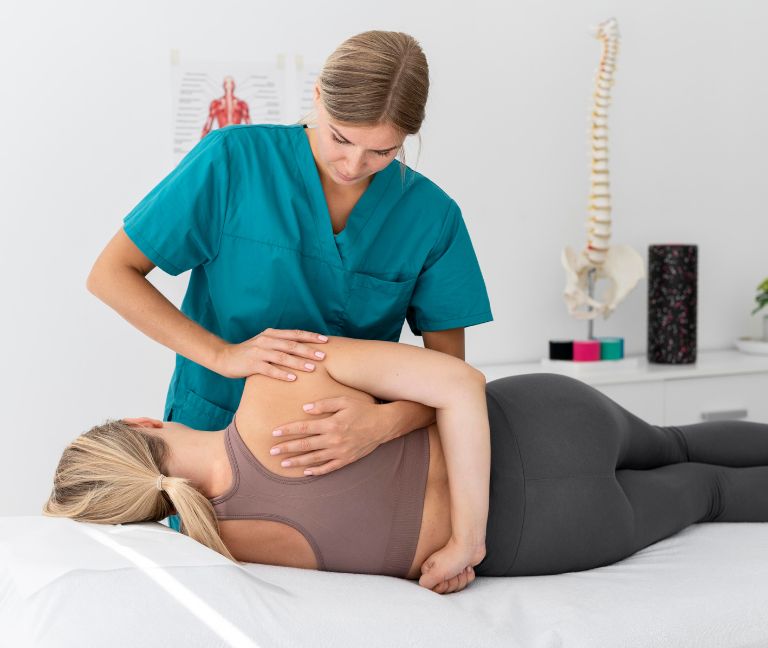
Therapeutic Massage is a hands-on treatment that focuses on muscles, soft tissues, and areas affected by tension, stiffness, or physical strain. It may help address muscle tightness, restricted movement, stress-related tension, and discomfort associated with daily activities, exercise, or prolonged sitting. At The Bright Physio & Mindfulness Massage in Edmonton, Therapeutic Massage can be considered by individuals seeking support for muscle relaxation, physical comfort, and everyday mobility. Treatment may involve different massage techniques depending on a person’s concerns, health history, comfort level, and treatment goals. A qualified practitioner can assess individual needs and discuss a suitable approach before beginning a session.
What Is Therapeutic Massage?
Therapeutic Massage is a hands-on approach that involves applying pressure and specific movements to muscles and other soft tissues. The practitioner may use techniques such as kneading, gliding strokes, sustained pressure, and rhythmic movements to address areas of muscle tension and support relaxation.
Unlike massage focused primarily on general relaxation, Therapeutic Massage typically considers the client’s physical concerns, activity levels, and movement-related needs when planning a session. The techniques and pressure used depend on the person’s condition, preferences, and tolerance.
Purpose of Therapeutic Massage
The purpose of Therapeutic Massage may include:
- Addressing muscle tightness and tension.
- Supporting relaxation during periods of physical or mental stress.
- Helping manage certain types of muscle discomfort.
- Supporting comfortable movement in affected areas.
- Addressing tension associated with repetitive activities or prolonged sitting.
- Complementing an appropriate physiotherapy or wellness plan when indicated.
What Does a Session Involve?
A session generally begins with a discussion about the client’s concerns, health history, daily activities, and expectations. The practitioner may ask about areas of tension, previous injuries, current symptoms, and pressure preferences.
Based on this discussion, the practitioner selects suitable massage techniques and explains what the session may involve. Techniques may focus on areas such as the neck, shoulders, back, arms, hips, or legs, depending on the client’s needs.
Therapeutic Massage is not a substitute for medical assessment when symptoms indicate a potentially serious condition. The practitioner may recommend medical evaluation when symptoms fall outside the scope of massage care.
Who Can Benefit from Therapeutic Massage?
Therapeutic Massage may suit adults who experience muscle tension, physical fatigue, or stress-related tightness. Suitability depends on individual health circumstances and should be discussed with a qualified practitioner.
Office Workers and Remote Employees
People who spend several hours sitting at a desk may notice tightness around their neck, shoulders, upper back, or lower back. Repeated computer use and limited movement can contribute to muscle fatigue.
Therapeutic Massage may help address soft-tissue tension associated with these routines. Combining sessions with regular movement breaks and ergonomic adjustments can also support everyday comfort.
Athletes and Physically Active Adults
Running, cycling, strength training, and recreational sports place different demands on muscles. Some active adults seek massage to address post-exercise tightness and support relaxation following physical activity.
The practitioner can discuss the timing, pressure, and areas of focus that may suit the person’s training schedule. Massage should not be used to ignore an acute injury or unexplained swelling.
People With Everyday Muscle Tension
Household tasks, lifting, repetitive movements, and extended periods of standing can contribute to muscle tightness. Therapeutic Massage may help address tension in affected areas when massage is appropriate for the person’s condition.
Individuals Experiencing Stress
Mental stress can coincide with physical tension, particularly around the shoulders, neck, and jaw. A massage session may provide a quiet setting for relaxation and help some people feel less physically tense.
Adults Seeking General Wellness Support
Some individuals include massage in their regular wellness routine to manage everyday muscle tension and make time for relaxation. The frequency of sessions depends on individual preferences, physical needs, and practitioner recommendations.
Problems Therapeutic Massage May Address
People in Edmonton may consider Therapeutic Massage for several types of muscle-related concerns.
Common Concerns
- Neck and shoulder tension: Tightness associated with desk work, screen use, or repetitive tasks.
- Back muscle stiffness: Tension that develops after prolonged sitting, standing, or physical activity.
- Muscle fatigue: A feeling of tiredness or tightness following demanding daily routines.
- Post-exercise tension: Muscle tightness after workouts or recreational sports.
- Stress-related muscle tension: Physical tightness that accompanies periods of stress.
- Restricted comfortable movement: Soft-tissue tension that makes certain everyday movements feel uncomfortable.
- Repetitive strain-related tightness: Muscle discomfort associated with repeated movements at work or home.
When Should You Seek an Assessment?
Massage may not be appropriate for every symptom. New or severe pain, significant swelling, suspected fractures, fever, unexplained symptoms, or possible blood clots require medical assessment rather than massage.
People with certain medical conditions, recent surgeries, bleeding disorders, or a history of blood clots should discuss their circumstances with a qualified healthcare professional before receiving massage.
Key Features and Deliverables of Therapeutic Massage
The content of a session depends on the client’s needs, the practitioner’s assessment, and the services available at The Bright Physio & Mindfulness Massage.
Initial Consultation
What it includes: A discussion of the client’s main concerns, activity levels, health history, pressure preferences, and expectations.
Why it matters: This conversation helps identify relevant precautions and areas that may require attention.
Expected outcome: A shared plan for the session, including the techniques and areas of focus that are appropriate.
Assessment of Muscle Tension
What it includes: Questions about symptoms and, where appropriate, observation or assessment of affected areas.
Why it matters: Muscle tension can have different causes, and the practitioner’s approach should reflect the client’s circumstances.
Expected outcome: A clearer basis for selecting suitable massage methods and identifying concerns that may require referral.
Massage Techniques
What it includes: Depending on the session, techniques may include gliding strokes, kneading, rhythmic pressure, or focused work on particular muscle groups.
Why it matters: Different techniques place different demands on soft tissues, so pressure and methods should reflect the client’s comfort and needs.
Expected outcome: The session may support relaxation, reduce the sensation of muscle tightness, and improve perceived comfort.
Focused Treatment Areas
What it includes: Attention to selected areas such as the neck, shoulders, back, arms, hips, or legs.
Why it matters: Focusing on the areas relevant to the client’s concerns helps keep the session aligned with its intended purpose.
Expected outcome: Attention to the muscle groups associated with the client’s reported tension or discomfort.
After-Session Recommendations
What it includes: Discussion of how the client feels after the session and, when appropriate, suggestions such as gentle movement, hydration, or activity adjustments.
Why it matters: A session is one part of a wider routine involving movement, rest, and daily habits.
Expected outcome: Practical steps that may support comfort between appointments.
The techniques and outcomes described above depend on individual circumstances. Results vary, and massage does not guarantee resolution of a particular symptom or condition.
How the Therapeutic Massage Process Works
At The Bright Physio & Mindfulness Massage in Edmonton, clients can ask about the appointment process before booking. A typical massage visit follows these steps, although the exact process may vary.
Step 1: Initial Consultation
The practitioner discusses the reason for the appointment, current symptoms, health history, and expectations. Clients should mention any relevant medical conditions, injuries, allergies, or sensitivities.
Step 2: Assessment
The practitioner gathers information about the affected areas and determines whether massage is appropriate. If symptoms suggest a condition requiring medical assessment, a referral may be recommended.
Step 3: Session Planning
The practitioner discusses the areas to address, the type of massage being considered, pressure preferences, positioning, and any precautions. Clients can ask questions and communicate their comfort requirements.
Step 4: Massage Session
The practitioner carries out the agreed session using suitable techniques. Pressure can be adjusted throughout the appointment, and clients can request a change or ask for the session to stop at any time.
Step 5: Post-Session Review
After the massage, the practitioner may ask how the client feels and discuss any immediate response. Mild temporary tenderness can occur, particularly after firmer pressure, but significant or worsening symptoms should be assessed.
Step 6: Follow-Up Planning
If another session is appropriate, the practitioner can discuss possible timing based on the client’s response and goals. Some people prefer occasional appointments, while others may discuss a series of visits as part of a wider care plan.
Benefits of Therapeutic Massage
Therapeutic Massage may support several aspects of physical comfort and general wellness when used appropriately.
Support for Muscle Relaxation
Massage can help some people feel less tense in muscles affected by everyday activities, prolonged sitting, or physical exertion.
Support for Comfortable Movement
Reducing the sensation of muscle tightness may make certain movements feel more comfortable. Results depend on the cause of the restriction and the individual’s response.
A Relaxation Opportunity
A quiet massage session can provide time away from work, household responsibilities, and other demands. Some people report feeling calmer following a session.
Attention to Activity-Related Tension
People with physically demanding routines may use massage to address muscle tightness associated with their activities. Appropriate training, rest, and gradual increases in exercise remain important.
Support Alongside Other Care
When appropriate, massage may complement physiotherapy, prescribed exercise, or other healthcare services. It should not replace assessment or treatment for a condition that requires medical care.
Greater Awareness of Daily Habits
Discussing recurring muscle tension may prompt clients to review posture, workstation arrangements, movement breaks, exercise intensity, or recovery habits.
These potential benefits are not guaranteed. The results depend on the person’s health, the nature of their symptoms, and the suitability of massage for their circumstances.
Who May Use Therapeutic Massage in Edmonton?
The Bright Physio & Mindfulness Massage serves a wellness audience that may include people with different lifestyles and daily demands. Clients can contact the clinic to confirm current services and suitability for their needs.
Potential client groups include:
- Office professionals: People who spend extended periods at desks or computers.
- Physically active adults: Individuals who participate in recreational sports, fitness classes, running, or cycling.
- People in physically demanding jobs: Workers whose routines involve prolonged standing, repetitive movements, or physical exertion.
- Parents and caregivers: Adults who perform frequent lifting, carrying, and household tasks.
- Students and remote learners: People who spend extended periods studying or working at a screen.
- Adults seeking relaxation: Individuals who want to make time for a massage session as part of their wellness routine.
Massage suitability should always be considered in light of each client’s health history and current symptoms.
Frequently Asked Questions
What Is Therapeutic Massage Used For?
Therapeutic Massage is commonly used to address muscle tension, everyday stiffness, and stress-related tightness. It may also support relaxation and comfortable movement. The appropriate approach depends on the client’s symptoms and health circumstances.
How Long Does a Therapeutic Massage Session Take?
Session length depends on the appointment booked and the areas being addressed. Clients should contact The Bright Physio & Mindfulness Massage to confirm available appointment durations and scheduling options.
How Often Should I Book Therapeutic Massage?
There is no single schedule that suits everyone. Some people book occasional sessions, while others discuss more frequent appointments based on their symptoms, preferences, and response to treatment. The practitioner can discuss a suitable schedule after reviewing the client’s needs.
Is Therapeutic Massage Suitable for Everyone?
No. Massage may be unsuitable in certain circumstances, including some acute injuries, suspected blood clots, active infections, or specific medical conditions. Clients should disclose relevant health information before a session and seek medical advice when necessary.
What Should I Expect During My First Therapeutic Massage Appointment?
A first visit generally involves discussing your concerns, health history, pressure preferences, and expectations. The practitioner explains the proposed session and checks that you are comfortable proceeding. You can communicate any discomfort or request changes throughout the appointment.
Can Therapeutic Massage Be Combined With Physiotherapy?
Massage may complement physiotherapy when both are appropriate for the person’s condition and care plan. A healthcare professional can help determine whether combining these services makes sense for the symptoms being addressed.
What Should I Wear to a Therapeutic Massage Appointment?
The practitioner will explain what is appropriate for the session and how privacy will be maintained. Clients should wear comfortable clothing to and from the appointment and communicate any concerns about positioning, draping, or comfort.
Therapeutic Massage Service Areas
The Bright Physio & Mindfulness Massage is associated with Edmonton, Alberta. People searching for Therapeutic Massage in Edmonton can contact the clinic to confirm its current location, appointment availability, and service coverage.
Clients may inquire about appointments from different parts of Edmonton, including
- Downtown Edmonton
- South Edmonton
- North Edmonton
- West Edmonton
- Mill Woods
- Windermere
- Summerside
- Nearby communities, subject to the clinic’s service arrangements
Please confirm the clinic’s current address and availability before travelling. If online booking or telephone appointments are available, the clinic can explain the options when contacted.
Why Choose The Bright Physio & Mindfulness Massage?
Choosing a massage provider involves checking the practitioner’s qualifications, communication style, service details, and approach to client comfort.
When considering The Bright Physio & Mindfulness Massage in Edmonton, prospective clients can ask about:
Practitioner Qualifications
Ask about the practitioner’s massage training, registration or professional association membership where applicable, and experience working with the concerns you wish to discuss.
Clear Communication
A massage appointment should include a discussion of your expectations, pressure preferences, health history, and any relevant precautions before treatment begins.
Comfort and Consent
Clients should be able to communicate their preferences, request pressure adjustments, ask questions, and stop the session if they feel uncomfortable.
Transparent Appointment Details
Before booking, confirm session length, pricing, cancellation terms, available appointment times, and the techniques included in the service.
A Mindfulness-Aware Setting
The clinic’s name reflects an association with mindfulness and massage. Prospective clients can ask about the environment, session format, and available practices to determine whether the setting suits their preferences.
For accurate information about qualifications, professional memberships, clinic facilities, and appointment policies, contact The Bright Physio & Mindfulness Massage directly rather than relying on unverified claims.
Related Services
Depending on the clinic’s current service list, clients interested in Therapeutic Massage may also wish to ask about related services.
Relaxation Massage
Relaxation-focused massage generally emphasizes calming, comfortable touch and time away from daily demands. Ask the clinic whether this service is available.
Deep Tissue Massage
Deep tissue massage uses firmer, focused pressure on selected tissues. It may not suit every person or condition, so discuss pressure preferences and relevant health concerns with the practitioner.
Physiotherapy
Physiotherapy involves assessment and treatment of movement-related conditions and may include therapeutic exercise, education, and other interventions. It may be appropriate when muscle symptoms accompany functional limitations or an injury.
Mindfulness Practices
Mindfulness activities may include practices that encourage attention to breathing, bodily sensations, and the present moment. Ask the clinic which practices, if any, are included in its current services.
Movement and Stretching Support
Depending on the practitioner’s scope and the clinic’s services, clients may ask about appropriate movement habits or stretching routines that complement their daily activities.
Please confirm which of these services are currently available at The Bright Physio & Mindfulness Massage before scheduling an appointment.
Take the Next Step
Muscle tension can develop through everyday routines, prolonged sitting, physical activity, and periods of stress. Therapeutic Massage may be an option for adults seeking support with muscle relaxation and physical comfort, provided the service is appropriate for their health circumstances.
The Bright Physio & Mindfulness Massage in Edmonton can be contacted to discuss available appointments, session length, pricing, practitioner qualifications, and whether massage may suit your concerns.
Contact The Bright Physio & Mindfulness Massage to discuss your needs, confirm current service details, and find an appointment time that fits your schedule.
Phone: +1 780-737-1019
Address: 4904 30 Ave #105, Beaumont, Edmonton, AB T4X 3G3, Canada