
 +1 (780) 737-1019
Deep Tissue Massage
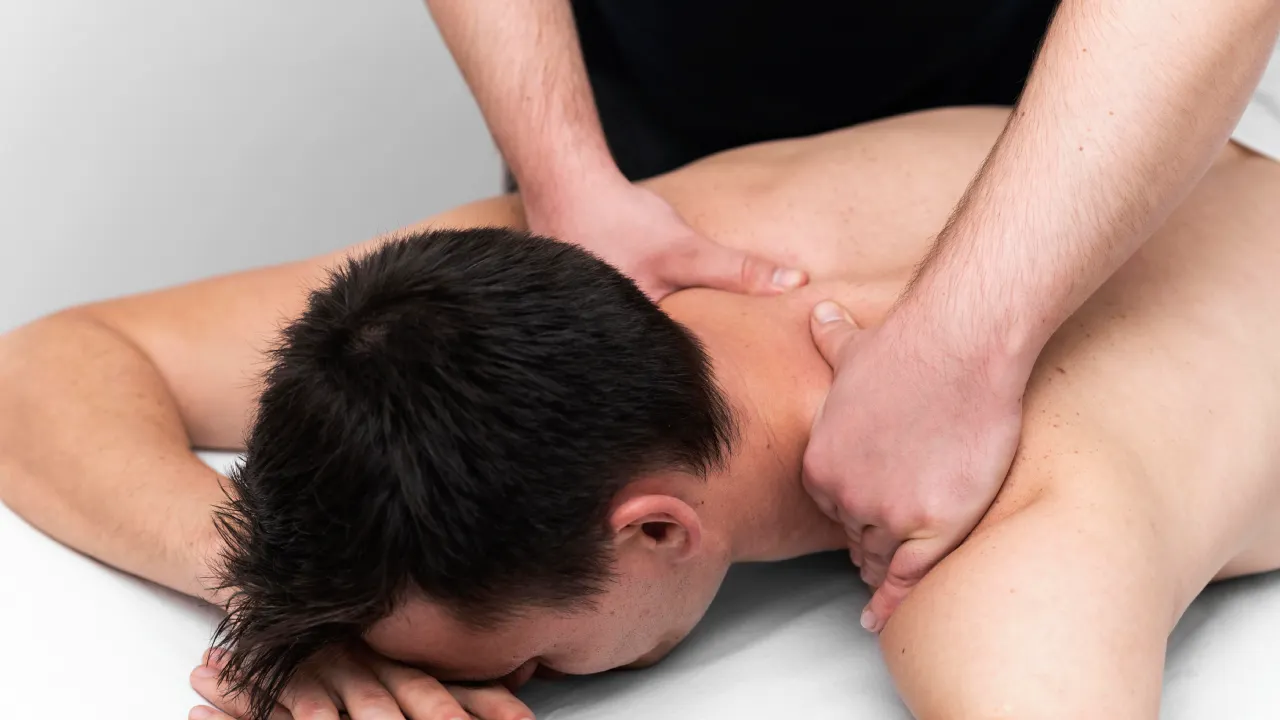
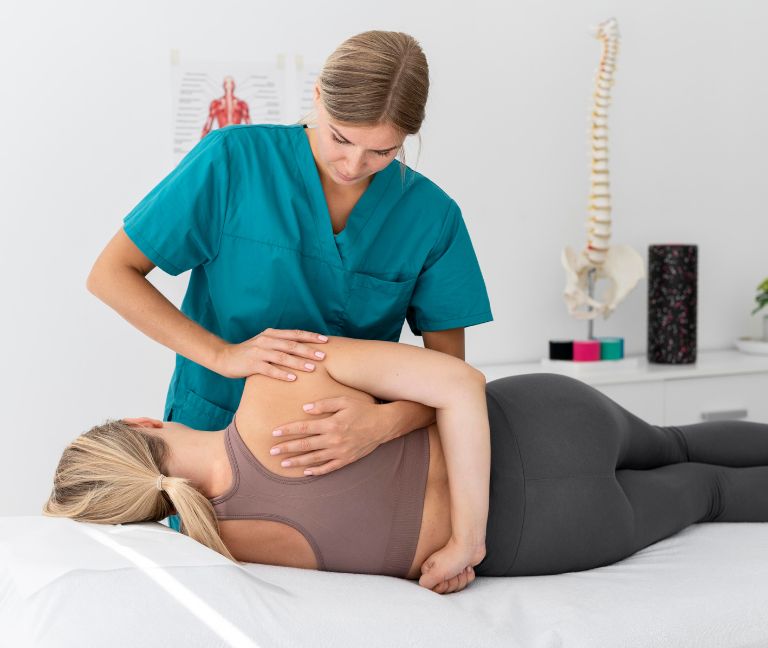
Deep Tissue Massage at The Bright Physio & Mindfulness Massage in Edmonton is a hands-on massage service that focuses on deeper layers of muscle and connective tissue. It may help address muscle tightness, restricted movement, and tension associated with physical activity, repetitive movements, prolonged sitting, or everyday physical demands. This service may suit adults who experience muscle stiffness, active individuals who put repeated strain on their bodies, and people seeking focused attention to areas of muscular tension. Pressure and techniques are adjusted according to individual comfort, health history, and treatment goals. Clients can discuss their concerns with the practitioner before a session to determine whether deep tissue massage is appropriate for their needs.
What Is Deep Tissue Massage?
Deep Tissue Massage is a massage approach that uses controlled, sustained pressure and slow strokes to work on deeper layers of muscle and connective tissue. Unlike some relaxation-focused massage methods, it places greater emphasis on areas of persistent muscular tightness and tension.
At The Bright Physio & Mindfulness Massage, clients in Edmonton can discuss the areas they would like addressed before beginning a session. The practitioner can then determine suitable techniques and pressure based on the client’s comfort, physical condition, and goals.
Purpose of Deep Tissue Massage
The primary purposes of Deep Tissue Massage include:
- Addressing tight muscles and areas of muscular tension.
- Supporting mobility when muscle stiffness limits comfortable movement.
- Working on muscle groups affected by repetitive activity or physical exertion.
- Supporting recovery routines following exercise, where appropriate.
- Promoting relaxation by focusing on areas that feel tense or overworked.
Results vary from person to person. Massage may help with certain types of muscular discomfort, but it does not treat every underlying cause of pain or restricted movement.
How Does Deep Tissue Massage Work?
During a session, the practitioner may apply slow strokes, sustained pressure, and focused movements to selected muscle groups. The amount of pressure depends on the area being treated and the client’s response.
Communication is an important part of the process. Clients should tell the practitioner if the pressure feels uncomfortable, sharp, or excessive. Deep pressure should not be assumed to be necessary for every concern, and the session can be adjusted when required.
Common Uses
People may consider Deep Tissue Massage for:
- Tight shoulders and upper back muscles.
- Muscle tension around the neck.
- Stiffness in the lower back.
- Tightness in the hips and legs.
- Muscular soreness following physical activity.
- Tension associated with prolonged desk work.
- General muscle fatigue related to repetitive movements.
A health assessment may be appropriate before massage when symptoms are new, severe, persistent, or associated with an injury.
Who Can Benefit from Deep Tissue Massage?
Deep Tissue Massage may be suitable for several groups of adults, depending on their health history and physical needs.
Office Workers and Remote Employees
People who spend extended periods sitting at a desk may notice tension around their neck, shoulders, and upper back. Poor workstation positioning and limited movement breaks can contribute to muscular discomfort.
Massage may help address muscular tightness in these areas. Regular movement breaks, suitable workstation adjustments, and strengthening exercises may also be useful.
Athletes and Fitness Enthusiasts
Running, weight training, cycling, and other forms of exercise place repeated demands on muscles. Some active adults experience tightness or soreness after training sessions.
Deep Tissue Massage may form part of a broader recovery routine when appropriate. It should not replace medical assessment for suspected injuries or persistent symptoms.
Adults With Physically Demanding Jobs
Construction workers, warehouse employees, delivery workers, and other physically active professionals may experience muscle fatigue after lifting, carrying, bending, or standing for extended periods.
A massage session can focus on selected muscle groups, depending on the individual’s comfort and physical condition.
People Experiencing Everyday Muscle Stiffness
Adults who notice stiffness in their shoulders, back, hips, or legs may consider massage as one part of their self-care routine. The suitability of deeper pressure depends on the cause of the stiffness and any relevant health concerns.
People Seeking Focused Muscle Work
Some clients prefer a session that concentrates on a few areas rather than applying similar pressure throughout the body. Deep Tissue Massage allows the practitioner to focus on selected muscle groups according to the agreed session goals.
Problems Deep Tissue Massage May Address
Muscle tension can develop through a combination of physical activity, repetitive movements, posture, stress, and inadequate recovery. Deep Tissue Massage may help address certain muscular symptoms when it is appropriate for the individual.
Common concerns include:
- Neck and shoulder tightness: Repetitive desk work, screen use, and sustained positions may contribute to muscular tension.
- Upper back stiffness: Extended sitting and repeated upper-body movements can leave the muscles around the shoulder blades feeling tight.
- Lower back muscle tension: Physical work and prolonged sitting may contribute to muscular discomfort. New or severe back symptoms require appropriate assessment.
- Hip and leg tightness: Walking, running, cycling, and strength training may place repeated demands on these muscle groups.
- Post-exercise soreness: Some adults experience muscle soreness after unfamiliar or strenuous activity. Massage may help manage certain symptoms, but recovery also depends on rest and suitable exercise progression.
- Restricted comfortable movement: Muscle tightness may make some everyday movements feel difficult. The cause should be assessed when restriction persists.
- Physical tension associated with stress: Stress can contribute to muscle tightening in some people. Massage may support relaxation alongside other stress-management practices.
Deep Tissue Massage is not appropriate for every condition. A practitioner should be informed about recent injuries, swelling, unexplained pain, circulation problems, relevant medical conditions, and other health concerns before treatment begins.
Key Features and Session Components
Initial Consultation
What it includes: A discussion of the client’s concerns, relevant health history, preferred pressure, and session goals.
Why it matters: This helps the practitioner identify areas that may be suitable for massage and determine whether further assessment is needed.
Expected outcome: An agreed approach that reflects the client’s needs and comfort.
Focused Muscle Treatment
What it includes: Controlled pressure and slow massage strokes directed toward selected muscle groups.
Why it matters: Focused work allows the practitioner to address areas where the client reports muscular tightness.
Expected outcome: Some clients may notice reduced tightness or a greater sense of ease in the treated areas. Responses vary.
Pressure Adjustments
What it includes: Changes to pressure, pace, positioning, and technique according to client feedback.
Why it matters: Excessive pressure may cause unnecessary discomfort and is not required to achieve a useful session.
Expected outcome: A session that remains within the client’s comfort limits.
Attention to Common Tension Areas
What it includes: Work on suitable areas such as the shoulders, upper back, lower back, hips, arms, or legs.
Why it matters: Different activities place different demands on the body, so the areas requiring attention may vary.
Expected outcome: Focused attention to the muscle groups discussed before treatment.
After-Session Recommendations
What it includes: General suggestions about hydration, gentle movement, rest, and monitoring how the body responds, where appropriate.
Why it matters: Clients can make informed decisions about their activities after the session.
Expected outcome: A clearer idea of how to manage ordinary post-massage responses and when to seek further assessment.
The exact techniques, session duration, and areas treated depend on the service booked and the client’s circumstances.
How the Deep Tissue Massage Process Works
The process at The Bright Physio & Mindfulness Massage can be explained in six steps.
Step 1: Consultation
The client discusses the main concerns, such as shoulder tightness, back stiffness, or muscle soreness following exercise. Relevant health information and pressure preferences are also reviewed.
Step 2: Assessment
The practitioner considers the reported symptoms, movement concerns, health history, and suitability of massage. If the symptoms suggest a condition that requires medical attention, the client may be advised to seek an appropriate assessment before proceeding.
Step 3: Session Planning
The practitioner and client discuss which areas may be addressed, what pressure is appropriate, and what the client hopes to achieve from the session.
Step 4: Massage Session
The practitioner applies suitable massage techniques to the selected areas. The client can request pressure changes or ask for the session to stop at any point.
Step 5: Review
After the massage, the client can discuss how the treated areas feel and whether any discomfort occurred during the session. The practitioner can also discuss whether another approach may be appropriate.
Step 6: Follow-Up, If Needed
Some clients book occasional sessions, while others discuss a series of appointments based on their circumstances and budget. Frequency should be determined according to individual needs rather than a fixed schedule.
Potential Benefits of Deep Tissue Massage
Deep Tissue Massage may contribute to several aspects of physical comfort and general well-being when used appropriately.
Support for Muscle Comfort
Focused massage may help reduce certain types of muscular tension and discomfort. The response depends on the source of the symptoms, the techniques used, and the individual’s condition.
Support for Comfortable Movement
When muscle tightness contributes to restricted movement, massage may help some people move more comfortably. Persistent movement limitations may require assessment and an exercise-based plan.
Relaxation
A massage session provides time away from daily tasks and may help some clients feel calmer. Relaxation responses differ among individuals.
Support for Exercise Recovery
Some active adults include massage in their recovery routines. Adequate sleep, nutrition, gradual training progression, and appropriate rest remain important parts of recovery.
Awareness of Muscular Tension
A session can help clients identify which areas feel tight during certain activities. This awareness may encourage changes to work habits, exercise routines, and movement breaks.
Focused Attention
Clients can discuss the muscle groups that concern them and agree on the areas to address during the appointment.
Massage outcomes are not guaranteed. Temporary tenderness can occur after deeper pressure, and more pressure does not necessarily mean a more useful session.
Who May Seek This Service in Edmonton?
The Bright Physio & Mindfulness Massage serves clients seeking massage services in Edmonton. Potential clients who may inquire about Deep Tissue Massage include:
- Office employees and remote workers.
- Runners, cyclists, and gym members.
- Adults with physically demanding jobs.
- People who spend extended periods sitting or standing.
- Individuals who notice muscular tightness after everyday activities.
- Adults who include massage in their general wellness routines.
Suitability should be considered individually. People with recent surgery, acute injuries, suspected blood clots, active skin infections, unexplained swelling, or certain medical conditions should seek appropriate clinical advice before booking a deep-pressure massage.
Frequently Asked Questions
What Is Deep Tissue Massage Used For?
Deep Tissue Massage is used to address selected areas of muscular tightness and tension through controlled pressure and slow strokes. Some clients also use it as part of an exercise recovery or relaxation routine. Its suitability depends on the cause of the symptoms and the client’s health history.
How Long Does a Deep Tissue Massage Session Take?
Session duration depends on the appointment type and the areas being addressed. Clients should confirm the available appointment lengths with The Bright Physio & Mindfulness Massage in Edmonton when booking.
Is Deep Tissue Massage Supposed to Hurt?
No. Some pressure or mild tenderness may occur, but sharp or excessive discomfort is not an intended goal. Clients should communicate throughout the session so the practitioner can adjust the pressure or stop the treatment.
How Often Should I Book Deep Tissue Massage?
There is no single schedule that suits everyone. Frequency depends on the reason for booking, how the body responds, the client’s activity level, and any relevant health concerns. Discussing these factors with the practitioner can help determine a suitable schedule.
Can I Book Deep Tissue Massage for Neck and Back Tension?
Massage may be suitable for some types of muscular tension in the neck and back. However, symptoms involving numbness, weakness, significant injury, fever, or sudden severe pain require appropriate medical assessment rather than massage alone.
Is Deep Tissue Massage Suitable for Athletes?
It may suit some athletes as part of a broader recovery routine. The timing and pressure should reflect the training schedule, current symptoms, and any injuries. Massage should not be used to mask symptoms that need clinical assessment.
What Should I Do Before a Deep Tissue Massage Appointment?
Wear comfortable clothing for arrival, allow time to discuss your health history, and tell the practitioner about any current symptoms, injuries, medications, or pressure preferences. Follow the clinic’s instructions regarding clothing and preparation.
Deep Tissue Massage Service Area
The Bright Physio & Mindfulness Massage is associated with massage services in Edmonton, Alberta. People looking for Deep Tissue Massage in Edmonton can contact the business to confirm its current address, appointment availability, service area, and booking arrangements.
When assessing local massage services, clients may wish to check:
- The clinic’s location and travel time.
- Available appointment times.
- Session duration and pricing.
- Practitioner qualifications and scope of practice.
- Accessibility and booking requirements.
For clients outside Edmonton, availability should be confirmed directly with the business rather than assumed.
Why Consider the Bright Physio & Mindfulness Massage?
Choosing a massage provider involves more than selecting a service name. Clients should be able to discuss their concerns, ask questions about the session, and communicate their comfort preferences throughout treatment.
At The Bright Physio & Mindfulness Massage in Edmonton, prospective clients can contact the business to ask about its Deep Tissue Massage service and confirm the details relevant to their visit.
Before booking, consider asking about:
- Session details: Which areas can be addressed during the appointment?
- Practitioner qualifications: What training and credentials does the practitioner hold?
- Pressure preferences: Can the pressure be adjusted during the session?
- Health considerations: What information should be shared before treatment?
- Appointment arrangements: What are the available times, session lengths, and fees?
The business’s current credentials, service details, pricing, and policies should be verified directly. This allows clients to make an informed decision based on confirmed information.
Related Services
Clients exploring Deep Tissue Massage may also wish to ask about other services available at The Bright Physio & Mindfulness Massage.
Depending on the clinic’s current service list, related options may include:
- Relaxation Massage: For clients seeking a gentler massage approach and time to unwind.
- Therapeutic Massage: For people seeking massage focused on particular areas of muscular discomfort, subject to practitioner scope and assessment.
- Sports Massage: For active individuals who want to discuss massage as part of their training and recovery routines.
- Mindfulness Practices: For people interested in breathing, relaxation, and awareness of physical tension.
- Physiotherapy or Movement Assessment: Where available, for concerns that may require assessment and an exercise-based plan.
These are related service categories, not confirmation that every service is currently available at the clinic. Contact the business to confirm its current offerings.
Take The Next Step
If muscle tightness or everyday physical demands are affecting your comfort, Deep Tissue Massage may be an option to discuss with The Bright Physio & Mindfulness Massage in Edmonton.
Before booking, consider which areas you would like addressed, whether you have any current injuries or health concerns, and what level of pressure feels comfortable for you. Sharing this information helps the practitioner assess whether the service is appropriate.
Contact The Bright Physio & Mindfulness Massage to ask about Deep Tissue Massage appointments in Edmonton. Confirm the session duration, pricing, availability, and any preparation requirements before your visit.
Phone: +1 780-737-1019
Address: 4904 30 Ave #105, Beaumont, Edmonton, AB T4X 3G3, Canada