Gait & Mobility Problems
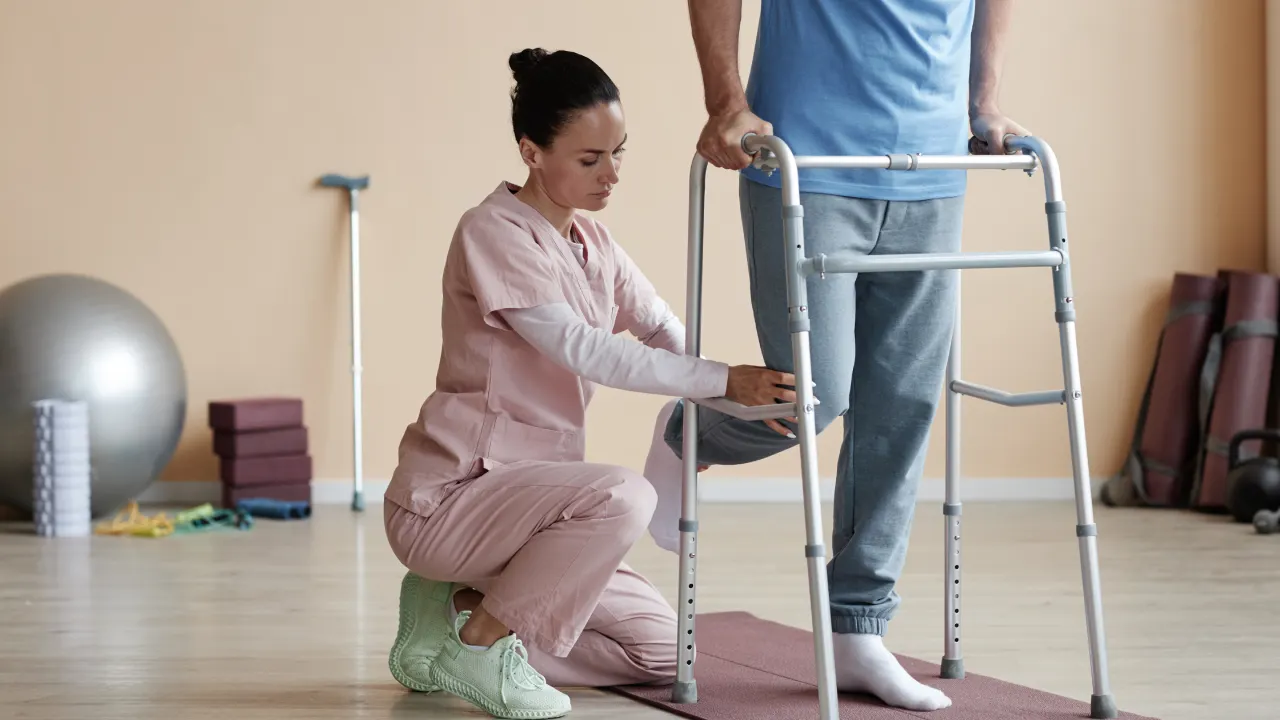
Gait and mobility problems can affect how a person walks, stands, maintains balance, changes direction, climbs stairs, or moves through everyday environments. These difficulties may develop due to muscle weakness, joint stiffness, neurological conditions, injuries, age-related changes, or other health concerns. At The Bright Physio & Mindfulness Massage in Edmonton, physiotherapy care for Gait & Mobility Problems focuses on assessing movement difficulties, identifying contributing factors, and helping individuals work toward improved walking ability, balance, coordination, and functional movement through an appropriate care plan.
What are Gait & Mobility Problems?
Gait and mobility problems refer to difficulties with walking, maintaining balance, coordinating leg movements, standing up, or moving safely from one position to another. Gait describes a person’s walking pattern, including stride length, walking speed, posture, foot placement, and coordination between the legs. Mobility refers to the ability to move the body and perform functional activities such as standing, sitting, turning, bending, and climbing stairs.
Gait & Mobility Problems can range from a slight change in walking posture to significant difficulty moving independently. Some individuals may walk more slowly, take shorter steps, drag one foot, feel unsteady, or rely on furniture or mobility aids for support.
Physiotherapy can help assess these movement changes, identify physical limitations, and develop an appropriate plan to address strength, flexibility, balance, coordination, and walking mechanics. The care approach depends on the person’s symptoms, medical history, physical abilities, and daily movement requirements.
Who Can Benefit from Care for Gait & Mobility Problems?
People experiencing changes in their walking pattern, balance, or everyday movement may benefit from a physiotherapy assessment. The appropriate approach depends on the cause of the problem and the person’s overall health.
Older Adults
Age-related changes in muscle strength, joint flexibility, balance, and reaction time can affect walking confidence and stability. Physiotherapy may help older adults work on leg strength, standing balance, posture, and safe movement during daily activities.
Individuals Recovering from Injuries
People recovering from fractures, sprains, muscle injuries, joint injuries, or surgery may experience changes in their walking pattern. Physiotherapy can address movement restrictions, weakness, and difficulties with weight-bearing activities as appropriate.
Individuals With Neurological Conditions
Certain neurological conditions, including stroke, Parkinson’s disease, and multiple sclerosis, can affect coordination, muscle control, walking speed, and balance. Physiotherapy may form part of a broader rehabilitation plan, depending on the individual’s condition and medical recommendations.
People With Joint or Muscle Problems
Hip, knee, ankle, and foot conditions can make walking uncomfortable or difficult. Muscle weakness, restricted joint movement, and altered weight distribution may also contribute to an uneven gait.
Individuals Experiencing Frequent Unsteadiness
People who feel unstable while standing, turning, walking on uneven ground, or using stairs may benefit from an assessment of balance, lower-limb strength, coordination, and movement patterns.
Common Problems Addressed by Gait & Mobility Physiotherapy
Gait & Mobility Problems can arise from several physical, neurological, and functional factors. Identifying the pattern of difficulty can help determine which areas need assessment and attention.
Common concerns include:
- Unsteady walking: Difficulty maintaining balance while walking or changing direction.
- Shortened steps: Taking smaller steps than usual because of weakness, stiffness, discomfort, or reduced coordination.
- Limping: Walking unevenly to compensate for discomfort, injury, or reduced strength.
- Foot dragging: Difficulty lifting the front of the foot during the walking cycle.
- Reduced walking endurance: Becoming tired or needing frequent breaks during short walks.
- Difficulty climbing stairs: Challenges with leg strength, balance, joint movement, or weight transfer.
- Problems standing up: Difficulty moving from a chair or bed into a standing position.
- Poor balance: Feeling unstable while standing, reaching, turning, or walking on uneven surfaces.
- Reduced joint flexibility: Limited movement in the hips, knees, ankles, or feet that affects normal walking.
- Coordination difficulties: Trouble coordinating leg movements or maintaining a consistent walking rhythm.
These symptoms can have different causes, so an assessment is important before selecting exercises or other physiotherapy interventions.
What Does Treatment for Gait & Mobility Problems Include?
At The Bright Physio & Mindfulness Massage in Edmonton, physiotherapy for Gait & Mobility Problems may involve an assessment of walking mechanics, balance, strength, joint movement, and functional abilities. The care plan depends on the individual’s findings and goals.
Potential components include:
1. Gait Assessment
A physiotherapist observes walking posture, step length, foot placement, walking speed, symmetry, and coordination. This assessment can help identify movement patterns that may contribute to difficulty walking.
2. Balance and Coordination Exercises
Exercises may focus on standing stability, controlled weight shifting, turning, and coordination between the upper and lower body. Activities are selected according to the person’s balance abilities and safety requirements.
3. Strengthening Exercises
Weakness in the legs, hips, ankles, or core can affect walking and standing. Appropriate strengthening exercises may help support functional movement and improve control during everyday activities.
4. Flexibility and Joint Mobility Work
Restricted movement in the hips, knees, ankles, or feet can interfere with stride length and walking mechanics. Suitable mobility exercises and stretching may help address these limitations.
5. Walking Practice
Depending on the assessment, physiotherapy may include supervised walking practice, step training, changes in direction, and practice with everyday movement tasks. The aim is to work on a safer and more consistent walking pattern.
6. Functional Movement Training
Activities such as sitting down, standing up, transferring between surfaces, and climbing steps may be included when they relate to the individual’s movement difficulties.
7. Home Exercise Recommendations
A physiotherapist may suggest appropriate exercises for practice between appointments. The exercises, frequency, and progression depend on the person’s condition, ability, and safety needs.
How the Physiotherapy Process Works
Care for Gait & Mobility Problems generally begin with an assessment and proceed according to the person’s needs and response to treatment.
Step 1: Initial Consultation
The physiotherapist discusses the person’s walking difficulties, symptoms, medical history, daily activities, and movement goals.
Step 2: Physical Assessment
The assessment may include gait observation, balance testing, lower-limb strength checks, joint mobility measurements, posture assessment, and functional movement tasks.
Step 3: Care Planning
Based on the findings, the physiotherapist identifies areas that may benefit from intervention and establishes appropriate goals with the individual.
Step 4: Physiotherapy Sessions
Sessions may include strengthening, balance activities, mobility exercises, walking practice, and functional training, depending on the assessment results.
Step 5: Progress Review
Movement ability, walking tolerance, balance, and performance during everyday tasks are reviewed periodically. Exercises may be adjusted as abilities or needs change.
Step 6: Home Exercise and Follow-Up
The physiotherapist may recommend home exercises and discuss follow-up appointments based on progress and the individual’s ongoing needs.
Benefits of Physiotherapy for Gait & Mobility Problems
Physiotherapy may support improvements in functional movement when the treatment plan addresses the underlying contributing factors. Outcomes vary according to the cause and severity of the problem, general health, and participation in rehabilitation.
Potential outcomes include:
- Improved leg strength for standing and walking.
- Greater control during changes in direction.
- Improved balance during everyday movement.
- Increased joint flexibility where movement restrictions are present.
- More consistent walking mechanics.
- Improved ability to perform transfers and stair-related activities.
- Increased confidence when practicing movement tasks.
- Greater awareness of safe walking and balance strategies.
- Support with adapting daily activities to current physical abilities.
Physiotherapy cannot guarantee a particular outcome, and some gait difficulties require coordinated care with a physician or other healthcare professionals.
Conditions Associated with Gait & Mobility Problems
Several health conditions and physical limitations may contribute to changes in walking and mobility.
These include:
- Arthritis affecting the hips, knees, ankles, or feet.
- Muscle weakness or reduced physical conditioning.
- Joint stiffness following injury or surgery.
- Stroke-related movement difficulties.
- Parkinson’s disease and other neurological conditions.
- Multiple sclerosis and conditions affecting coordination.
- Foot drop or difficulty lifting the front of the foot.
- Balance and postural control difficulties.
- Recovery following lower-limb injuries.
- Reduced endurance associated with inactivity or other health conditions.
Not every gait change has the same cause. A suitable assessment can help determine whether physiotherapy is appropriate or whether additional medical evaluation is needed.
Frequently Asked Questions
1. What are the common signs of Gait & Mobility Problems?
Common signs include limping, shortened steps, unsteady walking, foot dragging, difficulty standing up, poor balance, reduced walking endurance, and trouble climbing stairs. New or worsening symptoms should be assessed by an appropriate healthcare professional.
2. Can physiotherapy help with walking difficulties?
Physiotherapy may help address walking difficulties related to muscle weakness, joint restrictions, balance problems, injuries, or certain neurological conditions. Treatment may include gait assessment, strengthening, balance exercises, mobility work, and walking practice. Results depend on the underlying cause.
3. How long is physiotherapy for Gait & mobility? Problems take?
The duration varies according to the cause, severity, medical history, functional limitations, and response to treatment. Some people need a short period of rehabilitation, while others with complex or ongoing conditions may require continued support and periodic reassessment.
4. What should I expect during a gait assessment?
A gait assessment may involve discussing symptoms and medical history, observing walking patterns, checking joint movement and muscle strength, and evaluating balance and functional tasks. The physiotherapist may also ask about falls, mobility aids, and difficulties with daily activities.
5. When should I seek medical attention for walking difficulties?
Seek prompt medical assessment for new, persistent, or worsening walking difficulties. Sudden trouble walking, especially when accompanied by facial drooping, one-sided weakness, speech difficulty, severe dizziness, or sudden loss of coordination, may indicate a medical emergency. Call 911 in Canada if these symptoms occur. Walking problems following a significant injury also require prompt assessment.
Gait & Mobility Problems in Edmonton
People in Edmonton experiencing walking difficulties, balance concerns, reduced joint movement, or challenges with everyday mobility can contact The Bright Physio & Mindfulness Massage to ask about physiotherapy assessment and available care options.
An assessment can help determine whether physiotherapy may be appropriate for the person’s movement concerns and what the next steps might involve. Availability and the scope of care should be confirmed directly with the clinic.
Why Choose The Bright Physio & Mindfulness Massage?
The Bright Physio & Mindfulness Massage provides a local point of contact in Edmonton for individuals seeking information about physiotherapy and movement-related concerns.
When contacting the clinic about Gait & Mobility Problems, individuals can ask about:
- Assessment procedures for walking and balance difficulties.
- Physiotherapy options based on their symptoms and movement needs.
- Exercise recommendations and functional movement training.
- Appointment availability and session arrangements.
- Whether their particular condition is within the clinic’s scope of care.
For accurate information about clinician qualifications, clinic services, fees, and appointment availability, contact the clinic directly.
Related Concerns
Gait and mobility difficulties may occur alongside other movement-related conditions. Depending on the person’s symptoms, related areas to discuss with a physiotherapist may include:
- Balance and coordination difficulties.
- Lower-limb weakness.
- Hip, knee, ankle, and foot mobility restrictions.
- Post-injury rehabilitation.
- Walking difficulties following surgery.
- Functional movement and transfer difficulties.
The appropriate service depends on the person’s assessment findings and individual health needs.
Take The Next Step
Difficulty walking, maintaining balance, or moving through daily activities can affect work, household tasks, recreation, and participation in the community. Identifying contributing factors is an important step in determining the appropriate course of care.
Contact The Bright Physio & Mindfulness Massage in Edmonton to ask about an assessment for Gait & Mobility Problems, available physiotherapy services, and appointment options. The clinic can explain the next steps and help determine whether its services are suitable for your movement concerns.
Phone: +1 780-737-1019
Address: 4904 30 Ave #105, Beaumont, Edmonton, AB T4X 3G3, Canada

 +1 (780) 737-1019