Plantar Fasciitis
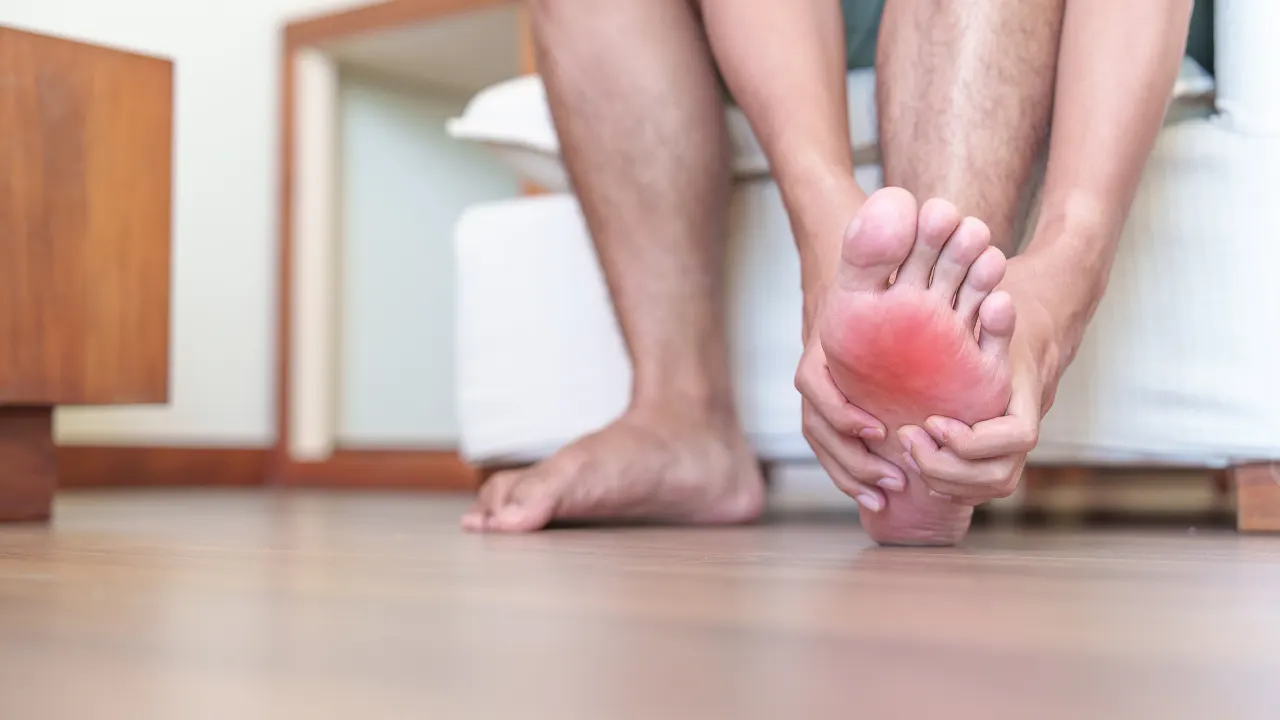
Plantar Fasciitis Treatment in Edmonton
Plantar fasciitis is a common cause of heel pain that can make walking, standing, exercising, and completing daily activities uncomfortable. At The Bright Physio & Mindfulness Massage, care for plantar fasciitis focuses on assessing foot discomfort, identifying contributing factors, and supporting improved foot function through physiotherapy and appropriate movement strategies.
People seeking plantar fasciitis treatment in Edmonton may experience sharp heel pain when taking their first steps in the morning, discomfort after sitting for extended periods, or increased symptoms after prolonged standing. Physiotherapy can help address foot mechanics, calf tightness, flexibility, strength, and activity patterns that may contribute to symptoms. Treatment plans depend on each person’s assessment findings, daily routine, and functional needs.
What Is Plantar Fasciitis?
Plantar fasciitis is a condition involving irritation and changes in the plantar fascia, a thick band of connective tissue that runs along the bottom of the foot, connecting the heel bone to the toes. This tissue helps support the arch of the foot and contributes to normal foot movement during walking and other weight-bearing activities.
When repeated loading places excessive stress on the plantar fascia, symptoms can develop around the heel or along the sole of the foot. The condition is often associated with heel pain that becomes noticeable after rest or during activities that place repeated pressure on the feet.
Plantar fasciitis can affect people with different activity levels. It may occur in individuals who spend many hours standing at work, runners who increase their training too quickly, people who walk frequently on hard surfaces, or those who have changes in foot mechanics or calf flexibility.
At The Bright Physio & Mindfulness Massage in Edmonton, physiotherapy assessment for plantar fasciitis can help identify relevant contributing factors and determine appropriate care options.
Who Can Benefit from Plantar Fasciitis Physiotherapy?
Physiotherapy assessment may be useful for people experiencing heel pain, discomfort along the sole of the foot, or difficulty with weight-bearing activities.
People With Morning Heel Pain
Some individuals notice sharp pain around the heel when they first get out of bed. Symptoms may ease after a few minutes of movement but return after sitting for a prolonged period. An assessment can help determine whether the symptoms are consistent with plantar fasciitis.
Runners and Active Individuals
Running, jumping, and other repetitive activities can place considerable demands on the plantar fascia. People who increase their exercise intensity, distance, or frequency may develop heel discomfort. Physiotherapy can address activity progression, foot strength, calf flexibility, and movement patterns.
Workers Who Stand for Extended Periods
Retail employees, healthcare workers, hospitality staff, teachers, and other professionals may spend much of their working day on their feet. Repeated weight-bearing on hard surfaces can contribute to foot discomfort in some individuals.
Older Adults and People with Reduced Mobility
Heel pain can make walking, shopping, household activities, and outdoor movement more difficult. Assessment can help identify movement limitations and suitable exercises based on the person’s abilities and daily activities.
People With Recurring Foot Discomfort
Individuals whose heel symptoms repeatedly return after periods of activity may benefit from an assessment of loading patterns, footwear, calf flexibility, and foot function.
Common Symptoms of Plantar Fasciitis
Plantar fasciitis can present differently from one person to another. Common symptoms include:
- Sharp or aching pain near the bottom of the heel.
- Discomfort during the first steps after waking up.
- Heel pain after sitting for a prolonged period.
- Increased discomfort after long periods of standing or walking.
- Tenderness along the sole of the foot.
- Symptoms that become more noticeable after running or other weight-bearing exercise.
- Difficulty completing regular activities because of heel discomfort.
Symptoms alone cannot confirm plantar fasciitis. Other conditions, including heel fat-pad problems, nerve irritation, stress fractures, and other foot disorders, may cause similar symptoms. A qualified healthcare professional can assess the presentation and determine whether further medical investigation is appropriate.
Problems Addressed Through Plantar Fasciitis Treatment
Plantar fasciitis can affect more than the heel itself. Persistent symptoms may influence walking habits, exercise participation, work routines, and general mobility.
Physiotherapy may address the following concerns:
- Heel discomfort: Assessing pain patterns and identifying activities that aggravate symptoms.
- Calf tightness: Evaluating calf muscle flexibility and ankle movement.
- Foot and ankle strength: Addressing weakness or reduced capacity where identified during assessment.
- Limited walking tolerance: Gradually adjusting activity levels according to symptoms and functional capacity.
- Exercise-related symptoms: Reviewing running schedules, training intensity, and repetitive loading.
- Foot mechanics: Assessing how the foot and ankle move during standing and walking.
- Daily activity limitations: Identifying practical changes that may reduce excessive stress on the affected area.
The appropriate approach depends on the cause of the symptoms, their duration, and the individual’s medical history and functional goals.
How Plantar Fasciitis Physiotherapy Works
At The Bright Physio & Mindfulness Massage in Edmonton, the process can involve the following stages, depending on the services available and the findings of the initial assessment.
1. Initial Consultation
The physiotherapist discusses the person’s symptoms, when the heel pain started, activities that aggravate it, previous foot problems, footwear, exercise habits, and any relevant medical history.
2. Physical Assessment
The assessment may include examining foot and ankle movement, calf flexibility, tenderness, muscle strength, walking patterns, and tolerance for weight-bearing activities. The clinician also considers whether the symptoms suggest another condition.
3. Individual Treatment Planning
Based on the assessment, the physiotherapist identifies appropriate treatment options. These may include exercise, activity modification, mobility work, and advice about managing repetitive loading.
4. Therapeutic Exercises
Depending on the findings, exercises may include plantar fascia stretching, calf stretching, progressive calf strengthening, and foot muscle exercises. The intensity and progression should reflect the person’s symptoms and physical capacity.
5. Manual Therapy When Appropriate
A physiotherapist may use hands-on techniques to address selected mobility restrictions or surrounding muscle tension. Manual therapy may be used alongside exercise and activity modification rather than as the sole form of care.
6. Progress Review
Progress can be reviewed by discussing morning heel pain, walking tolerance, standing duration, exercise participation, and responses to prescribed activities. The plan can then be adjusted according to changes in symptoms and function.
Treatment Options for Plantar Fasciitis
The management of plantar fasciitis commonly involves a combination of conservative approaches.
Stretching and Mobility Exercises
Stretching the plantar fascia and calf muscles may help address restricted flexibility and discomfort. Exercises should be performed according to professional advice, particularly when symptoms are pronounced.
Progressive Strengthening
Calf and foot muscle strengthening can help improve the capacity of the lower limb to manage everyday loading. Exercise progression should be gradual and based on tolerance.
Activity Modification
Temporarily reducing activities that repeatedly aggravate heel pain may help manage symptoms. This does not necessarily mean avoiding all movement. Adjustments may include changing running volume, alternating activities, taking breaks from prolonged standing, or gradually returning to higher-impact exercise.
Footwear and Support
Footwear that provides suitable cushioning and support may help some people manage symptoms. Heel cups, arch supports, or orthoses may be considered when appropriate, depending on the person’s needs and response.
Manual Therapy
Hands-on techniques may be considered to address relevant movement restrictions or surrounding tissue discomfort. Their role depends on the assessment findings and should be considered alongside active rehabilitation.
Education and Home Exercise
A home exercise program and advice about activity progression can help individuals manage daily loading between appointments. The exercises and activity recommendations should reflect the person’s symptoms and functional demands.
No single treatment works for everyone. Recovery timelines vary, and some cases require additional assessment or a different treatment approach.
Benefits of Physiotherapy for Plantar Fasciitis
Physiotherapy aims to address the physical factors contributing to heel pain and help people work towards their functional goals. Potential outcomes may include:
- Improved tolerance for walking and standing.
- Increased calf and foot muscle capacity.
- Improved flexibility of the foot and ankle where restrictions exist.
- More informed management of exercise and daily activity.
- Gradual return to running, recreation, or other physical activities.
- Reduced disruption to work and household routines.
- Improved awareness of footwear, training loads, and symptom patterns.
Results vary according to the severity and duration of symptoms, individual health factors, and adherence to the recommended plan. No particular outcome or recovery period can be guaranteed.
Who May Need Plantar Fasciitis Care in Edmonton?
The Bright Physio & Mindfulness Massage serves people seeking physiotherapy and massage-related services in Edmonton. Individuals from different backgrounds may experience plantar fasciitis or similar heel symptoms.
Relevant groups may include:
- Office workers who spend extended periods standing or walking during breaks.
- Retail and hospitality workers who remain on their feet throughout shifts.
- Runners and recreational athletes.
- People who walk regularly for fitness.
- Healthcare and service professionals.
- Individuals returning to physical activity after a period of reduced movement.
- Adults whose foot discomfort affects daily mobility.
The suitability of physiotherapy depends on an assessment of the symptoms and the person’s health needs.
Frequently Asked Questions
1. What is the main cause of plantar fasciitis?
Plantar fasciitis is commonly associated with repeated loading of the plantar fascia, the connective tissue along the bottom of the foot. Contributing factors may include prolonged standing, sudden increases in running or walking, calf tightness, foot mechanics, and limited tolerance for repetitive activity. There is not always one identifiable cause.
2. How long does plantar fasciitis take to improve?
Recovery varies from person to person. Some individuals notice changes within several weeks, while others have symptoms that continue for several months or longer. The duration can depend on symptom severity, how long the condition has been present, daily activity demands, and response to treatment.
3. Can physiotherapy help with plantar fasciitis?
Physiotherapy can help manage plantar fasciitis through assessment, stretching, progressive strengthening, activity modification, and advice about footwear and loading. The treatment approach depends on the individual’s presentation, and similar heel symptoms may require a different form of care.
4. Should I continue walking if I have plantar fasciitis?
Walking may remain possible, but the amount and intensity should be adjusted if symptoms increase. Reducing prolonged walks or high-impact activity temporarily may be appropriate while maintaining tolerable movement. Seek professional advice if pain is persistent, worsening, or affecting normal mobility.
5. What exercises are commonly recommended for plantar fasciitis?
Exercises may include plantar fascia stretching, calf stretching, calf raises, and foot muscle strengthening. The selection, frequency, and intensity depend on the person’s symptoms and physical capacity. A physiotherapist can assess which exercises are appropriate.
6. Can footwear affect plantar fasciitis symptoms?
Yes. Footwear that does not provide suitable support or cushioning may aggravate symptoms for some individuals. Comfortable shoes that suit the person’s foot shape and activity may help manage loading. A physiotherapist or other qualified clinician can discuss whether additional foot support may be appropriate.
7. When should I seek medical assessment for heel pain?
Seek prompt medical assessment if heel pain follows a significant injury, you cannot bear weight, or you notice marked swelling, redness, fever, numbness, or rapidly worsening symptoms. People with diabetes, circulation problems, or reduced foot sensation should also seek timely professional advice for new foot symptoms.
Plantar Fasciitis Treatment in Edmonton: What to Expect
When seeking care for plantar fasciitis in Edmonton, the initial appointment generally focuses on the symptoms, physical assessment, relevant health history, and appropriate next steps. The clinician may discuss the likely contributing factors, suitable exercises, activity adjustments, and whether further medical assessment is needed.
The Bright Physio & Mindfulness Massage can be contacted to ask about available physiotherapy services, appointment arrangements, and whether an assessment may be suitable for your heel symptoms.
Why Consider The Bright Physio & Mindfulness Massage?
When choosing a clinic for plantar fasciitis care, it is useful to look for an approach that considers the person’s symptoms, movement, daily activities, and treatment preferences.
Factors to ask about when contacting The Bright Physio & Mindfulness Massage includes:
- Whether physiotherapy appointments are available for heel and foot conditions.
- What the initial assessment includes.
- Whether exercises and home activity recommendations are part of the care plan.
- How progress is reviewed.
- What appointment options, fees, and scheduling arrangements apply.
Confirm the clinic’s current services, practitioner credentials, opening hours, and appointment availability directly with the business before booking.
Related Conditions and Services
People looking for plantar fasciitis care may also want information about related foot and lower-limb concerns. Depending on the clinic’s current service range, relevant topics may include:
- Heel pain.
- Foot pain.
- Arch pain.
- Calf muscle tightness.
- Ankle mobility limitations.
- Running-related foot discomfort.
- Physiotherapy assessment.
- Therapeutic exercise.
- Massage therapy for associated muscle tension.
These conditions and services are not interchangeable. An assessment can help determine whether symptoms are consistent with plantar fasciitis or another condition.
Get Started
Heel pain can make everyday activities, exercise, and work routines difficult to manage. Identifying the likely cause of the symptoms and selecting appropriate care can help you make informed decisions about your next steps.
If you are experiencing symptoms associated with plantar fasciitis, contact The Bright Physio & Mindfulness Massage in Edmonton to ask about physiotherapy appointments and assessment options.
Phone: +1 780-737-1019
Address: 4904 30 Ave #105, Beaumont, Edmonton, AB T4X 3G3, Canada


 +1 (780) 737-1019