Sports Injuries
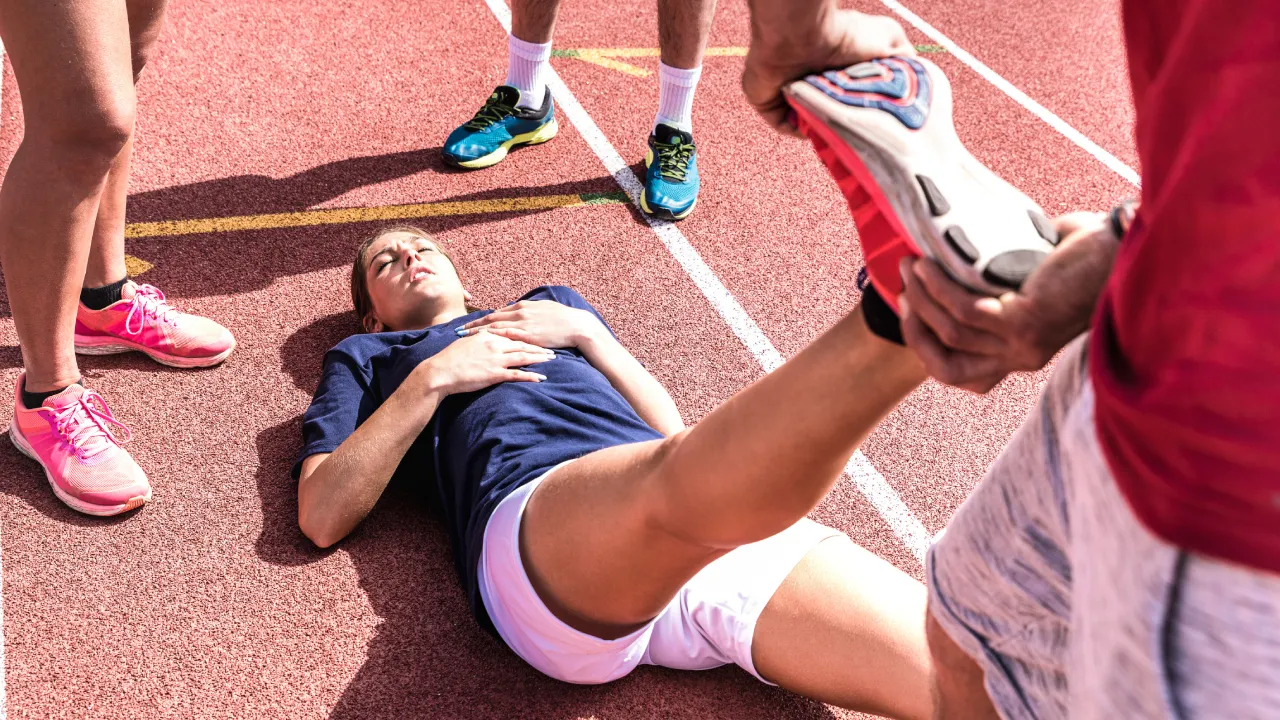
Sports Injury Treatment in Edmonton
Sports Injuries can affect athletes, recreational players, fitness enthusiasts, and people who participate in physical activities. These injuries may involve muscles, ligaments, tendons, joints, and other soft tissues, making it difficult to run, jump, lift, stretch, or perform regular movements. At The Bright Physio & Mindfulness Massage, care for Sports Injuries in Edmonton focuses on assessing movement difficulties, identifying possible contributing factors, and supporting recovery through appropriate physiotherapy and massage approaches based on individual needs.
Whether symptoms develop during a competitive game, a gym session, outdoor exercise, or everyday physical activity, seeking an assessment can help individuals understand their condition and explore suitable care options. Recognizing symptoms early and following an appropriate recovery plan can also help people work towards returning to their usual activities safely.
What Are Sports Injuries?
Sports Injuries are physical conditions that occur during exercise, athletic training, recreational activities, or sports participation. They can develop suddenly following an impact, awkward landing, fall, or rapid change of direction. Others develop gradually when repeated movements place stress on muscles, tendons, joints, and surrounding tissues.
Sports Injuries vary in severity. Some cause temporary soreness, while others may result in swelling, restricted movement, weakness, or difficulty bearing weight. The type of activity, injury mechanism, physical conditioning, training intensity, and previous injury history can influence how symptoms develop.
At The Bright Physio & Mindfulness Massage in Edmonton, physiotherapy and massage care may help address movement limitations and muscular tension associated with certain Sports Injuries. The appropriate approach depends on the affected area, symptom severity, medical history, and findings from an assessment.
Common Types of Sports Injuries
Sports Injuries may affect different parts of the body, including:
- Muscle strains: Stretching or tearing of muscle fibres, often involving the hamstrings, quadriceps, calves, or back muscles.
- Ligament sprains: Stretching or tearing of ligaments, commonly affecting the ankles, knees, and wrists.
- Tendon problems: Irritation or damage involving tendons, such as those around the shoulder, elbow, knee, or heel.
- Knee injuries: Conditions involving the surrounding soft tissues, meniscus, or ligaments.
- Shoulder injuries: Problems involving the rotator cuff, shoulder muscles, or other structures that support arm movement.
- Ankle injuries: Injuries that may cause swelling, tenderness, instability, or difficulty walking.
- Overuse injuries: Conditions that develop gradually through repeated loading, inadequate recovery, or sudden increases in training intensity.
- Sports-related back pain: Discomfort associated with lifting, twisting, repetitive movement, or physical exertion.
Identifying the type of injury is an important step in deciding whether physiotherapy, massage, medical assessment, or another form of care may be appropriate.
Who Can Benefit from Sports Injury Care?
Sports injury care may be relevant to people with different activity levels, from occasional exercisers to competitive athletes. The appropriate treatment plan depends on the nature of the injury and the person’s physical requirements.
Athletes and Competitive Players
Athletes participating in soccer, basketball, hockey, volleyball, tennis, running, and other competitive sports may develop injuries from rapid movements, collisions, repetitive training, or sudden changes in direction. Assessment can help identify movement limitations and determine suitable rehabilitation steps.
Gym Members and Fitness Enthusiasts
Weightlifting, resistance training, high-intensity workouts, and repeated exercise movements can place considerable demands on the body. People who develop shoulder discomfort, muscle strains, knee symptoms, or restricted movement may benefit from an assessment of their condition.
Runners and Outdoor Fitness Participants
Running, cycling, hiking, and other outdoor activities can involve repetitive loading of the legs, hips, knees, ankles, and feet. A sudden increase in distance, changes in terrain, or inadequate recovery between sessions may contribute to symptoms.
Children and Teenagers Participating in Sports
Young athletes may develop injuries during school sports, organized leagues, or recreational play. Parents and coaches should pay attention to persistent pain, swelling, limping, or difficulty using an affected limb. A suitable clinical assessment can help determine the next steps.
Adults Returning to Physical Activity
People returning to exercise after a period of inactivity may notice stiffness, reduced strength, or discomfort as their activity levels increase. Gradual progression and appropriate movement assessment may help them manage physical demands.
Problems Sports Injury Care Can Address
Sports Injuries may interfere with athletic performance, everyday movement, work responsibilities, and participation in recreational activities. Recognizing these difficulties can help individuals decide when to seek professional assessment.
Common concerns include:
- Muscle tightness or tenderness after exercise.
- Swelling and discomfort around an affected joint.
- Reduced flexibility or range of motion.
- Difficulty walking, running, jumping, or climbing stairs.
- Knee or ankle instability during physical activity.
- Shoulder discomfort when lifting or throwing.
- Back stiffness during bending, twisting, or lifting.
- Recurring symptoms during training or competition.
- Reduced strength or confidence when returning to sport.
- Movement restrictions following a sprain or strain.
- Discomfort that persists despite reducing activity.
- Difficulty returning to previous exercise routines after an injury.
The appropriate response depends on the underlying condition. Some injuries require medical assessment before physiotherapy or massage can begin, particularly when symptoms suggest a fracture, significant ligament damage, or another serious problem.
Sports Injury Services and Treatment Options
Care for Sports Injuries may involve different approaches depending on the findings of an assessment. At The Bright Physio & Mindfulness Massage, physiotherapy and massage may form part of a care plan when clinically appropriate.
Physiotherapy Assessment
A physiotherapy assessment may examine the location of symptoms, movement patterns, joint mobility, muscle strength, flexibility, balance, and the activities associated with the injury. The findings help determine which movements require attention and whether further medical evaluation is necessary.
Therapeutic Exercise
When appropriate, exercises may focus on mobility, strength, balance, coordination, and gradual loading of affected tissues. Exercise selection and progression depend on the type of injury, current symptoms, and the person’s activity requirements.
Manual Therapy
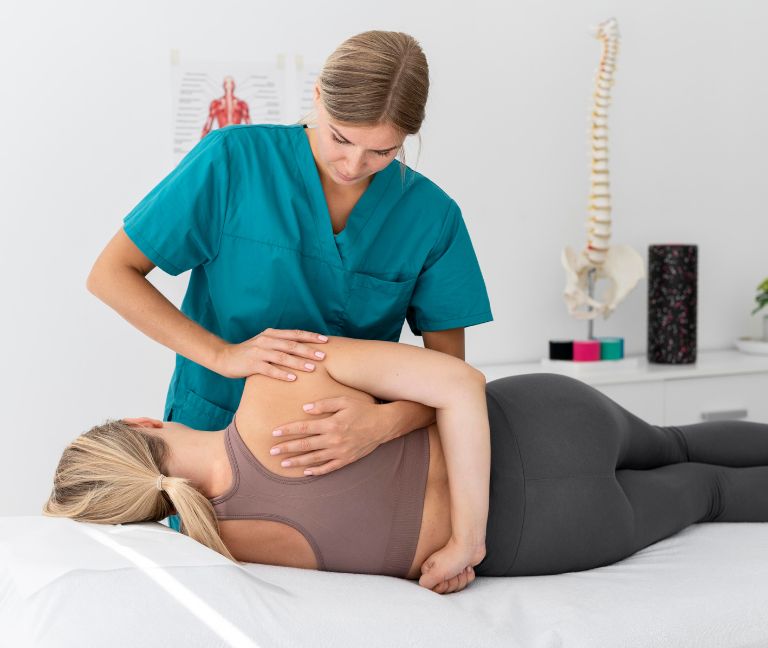
Depending on the assessment findings, a physiotherapist may use suitable hands-on approaches to address movement restrictions and muscular discomfort. Manual therapy is selected according to the condition and should form part of an appropriate rehabilitation plan.
Massage Therapy
Massage may be considered for muscular tension and discomfort associated with certain sports-related conditions. It is not suitable for every injury, particularly when there is suspected fracture, acute significant tissue damage, or another condition requiring medical evaluation.
Movement and Activity Advice
Practical advice may address training intensity, activity modification, warm-up routines, movement habits, and gradual return to exercise. The aim is to help individuals make informed decisions about physical activity while their symptoms are being assessed and managed.
Return-to-Sport Planning
Returning to sport may require a gradual increase in activity rather than an immediate return to full training. Depending on the injury, relevant considerations may include strength, balance, coordination, sport-specific movements, and the ability to complete activity without a concerning increase in symptoms.
How the Sports Injury Care Process Works
At The Bright Physio & Mindfulness Massage in Edmonton, the process may include the following steps, depending on the person’s needs and the services available.
1. Initial Consultation
The process begins with a discussion about the injury, when symptoms started, the activity involved, and how the condition affects daily life or sports participation.
2. Physical Assessment
A suitable assessment may examine movement, flexibility, strength, balance, joint function, and symptom patterns. If the findings indicate a need for medical investigation, referral may be recommended.
3. Care Planning
The practitioner considers the assessment findings, the individual’s goals, activity level, and any relevant medical considerations to determine appropriate care options.
4. Treatment and Rehabilitation
Care may include selected physiotherapy approaches, therapeutic exercises, movement advice, or massage where appropriate. The plan may change as symptoms and functional abilities change.
5. Progress Review
Progress can be reviewed through changes in movement, strength, activity tolerance, and daily function. Persistent or worsening symptoms may require reassessment or further medical evaluation.
6. Return to Regular Activities
When appropriate, activity levels can increase gradually according to the injury, functional ability, and professional advice. Athletes should meet relevant return-to-play criteria before resuming demanding or contact sports.
Benefits of Seeking Assessment for Sports Injuries
Prompt assessment can help individuals understand their symptoms and identify suitable next steps. Depending on the injury and the care provided, potential outcomes may include:
- Improved movement: Addressing restrictions that affect everyday activities or sports movements.
- Strength development: Working on muscle capacity and control through appropriate exercises.
- Greater activity tolerance: Gradually building the ability to manage exercise and training demands.
- Injury management: Identifying contributing factors and planning suitable care.
- Support for functional recovery: Working towards tasks such as walking, running, lifting, and changing direction.
- Training adjustments: Recognizing activity patterns that may contribute to recurring symptoms.
- Return-to-sport preparation: Monitoring functional progress before resuming demanding activities.
- Improved awareness: Learning how symptoms, training loads, recovery periods, and movement habits may relate to an injury.
Results vary according to the injury, its severity, general health, adherence to the care plan, and other individual factors. No particular outcome can be guaranteed.
Sports and Activities That May Lead to Injuries
Sports Injuries can occur in organized competition, recreational exercise, workplace fitness programs, and everyday physical activities.
Common examples include:
- Soccer: Hamstring strains, ankle sprains, knee injuries, and groin discomfort.
- Basketball: Ankle sprains, knee injuries, and muscle strains from jumping or sudden direction changes.
- Hockey: Shoulder injuries, muscle strains, falls, and collision-related injuries.
- Running: Tendon problems, calf strains, knee symptoms, and overuse injuries.
- Weightlifting: Shoulder discomfort, muscle strains, and back symptoms associated with lifting.
- Tennis and badminton: Shoulder, elbow, wrist, and ankle injuries.
- Cycling: Knee discomfort, muscular fatigue, and injuries following falls.
- Volleyball: Finger sprains, ankle injuries, and shoulder symptoms.
- Swimming: Shoulder overuse symptoms and muscular discomfort associated with repetitive strokes.
- Gymnastics and dance: Ankle, knee, back, and other injuries related to repetitive movements or landings.
These examples are not diagnoses. Similar symptoms can have different causes, so assessment is important when discomfort persists or limits normal activity.
Industries and Groups Served
Sports injury care may be relevant to a range of people and organizations in Edmonton, including
- Recreational athletes and fitness enthusiasts.
- Competitive and amateur sports players.
- School and university sports participants.
- Running clubs and outdoor fitness groups.
- Gym and fitness centre members.
- Coaches and sports instructors seeking information about safe activity progression.
- Adults returning to exercise after an injury.
- Workers participating in physically demanding recreational activities.
Employers, coaches, and sports organizations can also encourage appropriate injury assessment and gradual return to activity when participants develop symptoms.
Frequently Asked Questions
1. What Are the Most Common Sports Injuries?
Common Sports Injuries include muscle strains, ligament sprains, tendon problems, knee injuries, ankle injuries, shoulder problems, and overuse conditions. The type of injury often depends on the activity, movement involved, training demands, and individual physical factors.
2. When Should I Seek Care for a Sports Injury in Edmonton?
Consider an assessment if symptoms persist, swelling develops, movement becomes restricted, or you have difficulty returning to normal activities. Seek urgent medical attention if you suspect a fracture, cannot bear weight after an injury, develop significant deformity, or have severe or rapidly worsening symptoms. A suspected concussion also requires prompt medical assessment.
3. Can Physiotherapy Help with Sports Injuries?
Physiotherapy may help manage certain Sports Injuries through assessment, therapeutic exercise, movement training, and other suitable interventions. The approach depends on the diagnosis, injury severity, symptoms, and the person’s activity goals. Some injuries require medical investigation or other care before physiotherapy begins.
4. Is Massage Suitable for Sports Injuries?
Massage may be appropriate for certain muscular complaints and tension associated with physical activity. However, it is not suitable for every injury. Acute swelling, suspected fractures, significant tissue damage, and other serious symptoms require appropriate assessment before massage is considered.
5. How Long Does Recovery from a Sports Injury Take?
Recovery time varies considerably. A mild muscle strain may improve over a relatively short period, while a major ligament injury, fracture, or surgical condition may require several months or longer. The type of injury, severity, general health, and rehabilitation progress all influence the timeline.
6. Can I Continue Training with a Sports Injury?
Continuing to train through pain may aggravate some conditions. The appropriate level of activity depends on the injury and its severity. Stop activities that cause significant or worsening symptoms and seek an assessment to determine which movements are suitable while you recover.
7. How Can I Reduce the Risk of Sports Injuries?
Risk reduction measures may include warming up, increasing training intensity gradually, allowing adequate recovery, maintaining suitable strength and mobility, using appropriate equipment, and following safe movement practices. These steps cannot prevent every injury, but they may help reduce certain risks.
8. Where Can I Seek Sports Injury Care in Edmonton?
The Bright Physio & Mindfulness Massage is a business to contact regarding available physiotherapy and massage services for Sports Injuries in Edmonton. Ask about appointment availability, the assessment process, and whether the clinic can address your particular symptoms.
Sports Injury Care in Edmonton
People looking for support with Sports Injuries in Edmonton may wish to explore the physiotherapy and massage services available at The Bright Physio & Mindfulness Massage. The appropriate next step depends on the injury, its severity, and the activities affected.
The clinic’s Edmonton service area, appointment availability, and current treatment options should be confirmed directly with the business before arranging a visit.
Why Consider The Bright Physio & Mindfulness Massage?
When choosing a clinic for Sports Injuries, consider factors such as practitioner qualifications, experience treating the type of injury involved, available assessment methods, communication, and the suitability of the proposed care plan.
The Bright Physio & Mindfulness Massage provides a point of contact for people in Edmonton who want to inquire about physiotherapy and massage services for sports-related concerns. Contact the clinic to confirm practitioner credentials, the services available for your condition, appointment details, and any applicable fees.
A clear discussion about your symptoms, activity goals, and medical history can help establish whether the clinic’s services are suitable for your needs.
Related Conditions and Services
People seeking information about Sports Injuries may also want to learn about related concerns, including:
- Muscle strains and sprains.
- Knee pain and mobility restrictions.
- Shoulder pain associated with physical activity.
- Ankle injuries and balance difficulties.
- Back pain related to exercise.
- Tendon problems and overuse injuries.
- Physiotherapy assessment and rehabilitation.
- Massage for suitable muscular complaints.
Related service pages should link to the clinic’s relevant pages where those services are available.
Contact The Bright Physio & Mindfulness Massage.
If a sports-related injury is affecting your movement, exercise routine, or participation in recreational activities, consider contacting The Bright Physio & Mindfulness Massage in Edmonton to ask about an assessment.
When contacting the clinic, be prepared to explain:
- How the injury occurred.
- Which body part is affected.
- When the symptoms began.
- Which movements or activities cause difficulty?
- Whether you have already received a medical assessment.
The clinic can confirm whether its current services are suitable for your needs and explain the next steps for arranging an appointment.
Take the next step.
Contact The Bright Physio & Mindfulness. Massage to inquire about available care for Sports Injuries in Edmonton and discuss your movement concerns with the clinic.
Phone: +1 780-737-1019
Address: 4904 30 Ave #105, Beaumont, Edmonton, AB T4X 3G3, Canada

 +1 (780) 737-1019