Muscle & Tendon Injuries

Muscle & Tendon Injuries Treatment in Edmonton
Muscle and tendon injuries can affect movement, physical activity, work, and everyday tasks. These injuries may develop suddenly during exercise, lifting, or an accident, or gradually due to repetitive movements and ongoing strain. Common symptoms include muscle soreness, swelling, stiffness, tenderness, weakness, and difficulty moving the affected area.
At The Bright Physio & Mindfulness Massage in Edmonton, care for Muscle & Tendon Injuries focuses on assessing movement difficulties, identifying possible contributing factors, and supporting recovery through appropriate physiotherapy and massage services. Treatment options depend on the type of injury, its severity, the affected body part, and each person’s physical needs. Early assessment can help determine suitable next steps and whether further medical evaluation is necessary.
What Is Muscle & Tendon Injuries?
Muscle and tendon injuries involve damage, irritation, or strain affecting muscles and the connective tissues that attach muscles to bones. Muscles help the body move, maintain posture, and generate force, while tendons transfer that force to bones to produce movement.
Muscle & Tendon Injuries can range from mild strains to more significant tears that require medical assessment and structured rehabilitation. Some injuries occur during a single movement, while others develop through repeated stress over time.
Common examples include:
- Muscle strains: Stretching or tearing of muscle fibres during activities such as running, lifting, jumping, or sudden twisting.
- Tendon strains or tears: Damage to a tendon following excessive force, repetitive loading, or a sudden movement.
- Tendinopathy: A condition involving tendon pain and changes in tendon structure, often associated with repeated loading.
- Tendon irritation: Discomfort around a tendon that may develop when physical demands exceed its capacity.
- Muscle tightness: Restricted or uncomfortable muscle movement that may occur following strenuous activity, prolonged sitting, or repetitive tasks.
- Overuse injuries: Problems that develop gradually when muscles and tendons do not receive sufficient time to adapt to repeated physical demands.
The appropriate approach depends on the injury and its presentation. A physiotherapist can assess movement, strength, flexibility, and functional limitations to help determine suitable care.
Who Can Benefit from Care for Muscle & Tendon Injuries?
People with muscle or tendon problems may benefit from an assessment when symptoms interfere with daily activities, work duties, exercise, or recreational pursuits.
At The Bright Physio & Mindfulness Massage in Edmonton, assessment may be relevant to several groups.
Athletes and Active Individuals
Running, weight training, cycling, swimming, and team sports can place repeated demands on muscles and tendons. Sudden acceleration, jumping, lifting, or changing direction may also cause injury.
Common concerns include calf strains, hamstring injuries, shoulder tendon problems, and discomfort around the Achilles tendon.
Office Workers
Long periods of sitting, repetitive computer work, and limited movement throughout the day may contribute to muscle tension and discomfort. Assessment can help identify movement restrictions and contributing workplace habits.
Manual Workers
Construction workers, warehouse employees, tradespeople, and others who regularly lift, carry, push, or pull heavy objects may experience muscle strains and tendon problems.
Older Adults
Age-related changes in muscle strength, tendon structure, balance, and physical capacity may influence injury risk. Appropriate assessment can help identify functional limitations and suitable activity levels.
People Returning to Exercise
Individuals restarting physical activity after a break may place more demand on their muscles and tendons than they can currently tolerate. Gradual progression and appropriate exercise planning can help manage this transition.
Individuals With Repetitive Strain
People whose daily routines involve repeated gripping, reaching, bending, typing, or lifting may develop symptoms that require assessment and changes to their activity patterns.
Common Problems Associated with Muscle & Tendon Injuries
Muscle & Tendon Injuries can affect different body regions and may present with varying levels of discomfort and movement restriction.
Common symptoms and concerns include:
- Muscle pain during movement or after physical activity.
- Swelling, bruising, or tenderness around an injured area.
- Reduced flexibility or difficulty stretching a muscle.
- Weakness when lifting, gripping, pushing, or carrying objects.
- Stiffness after sitting, resting, or waking up.
- Discomfort during running, walking, jumping, or climbing stairs.
- Tendon pain near the shoulder, elbow, wrist, knee, heel, or ankle.
- Reduced ability to complete work duties or participate in sports.
- Recurring symptoms after returning to an activity too quickly.
- Difficulty maintaining normal movement patterns because of discomfort.
The cause of these symptoms is not always obvious. Similar signs can occur with different injuries, so an assessment is important when symptoms persist, worsen, or restrict normal activities.
When to seek urgent medical care: A sudden pop accompanied by severe pain, major swelling, an obvious deformity, inability to bear weight, or significant loss of strength may indicate a serious injury. Seek prompt medical assessment. Severe pain or swelling following an injury should not be managed through massage alone.
Features and Services for Muscle & Tendon Injuries
Care for Muscle & Tendon Injuries may involve different assessment and treatment options depending on the findings and the services appropriate to each case.
Initial Assessment
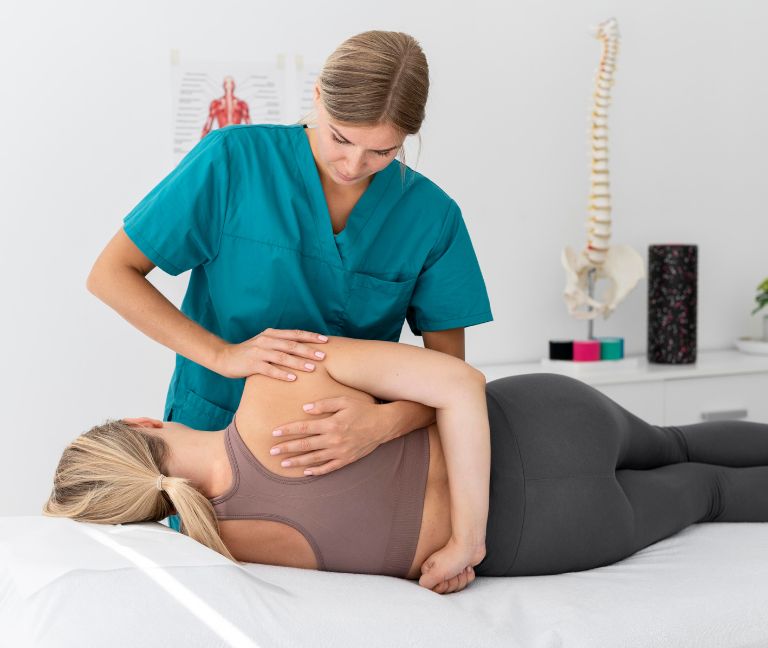
An assessment may include discussing the injury history, symptom pattern, daily activities, and previous injuries. A practitioner may also examine movement, flexibility, strength, and functional limitations within their professional scope.
Why it matters: An assessment helps identify possible contributing factors and determine whether physiotherapy, medical review, or another form of care is appropriate.
Physiotherapy
Physiotherapy may include movement assessment, therapeutic exercises, mobility work, strength training, and advice on gradually returning to daily or sporting activities.
Why it matters: A structured exercise program can help address strength deficits, movement restrictions, and reduced functional capacity associated with certain muscle and tendon injuries.
Therapeutic Massage
Massage may be considered when muscle tension or surrounding soft-tissue discomfort forms part of the presenting concern.
Why it matters: Appropriate massage may help manage muscular discomfort and support comfortable movement. Massage is not suitable for every injury, particularly when an acute tear, fracture, or other serious condition is suspected.
Exercise Planning
Exercise selection and progression depend on the injured tissue, current symptoms, physical capacity, and activity requirements.
Why it matters: Appropriate loading can help build physical capacity while reducing the likelihood of returning to demanding activities before the injured area is ready.
Activity Modification
Temporary adjustments to work, exercise, lifting, or sporting movements may be recommended according to the injury.
Why it matters: Managing excessive strain can help avoid aggravating symptoms while maintaining suitable levels of activity.
Progress Monitoring
Follow-up assessments may review changes in movement, strength, activity tolerance, and symptoms.
Why it matters: Progress checks help determine whether the current plan remains appropriate or needs adjustment.
The exact services available and recommended at The Bright Physio & Mindfulness Massage should be confirmed directly with the clinic.
How the Process Works
Care for Muscle & Tendon Injuries in Edmonton may follow these steps.
Step 1: Initial Consultation
The process begins with a discussion about the injury, when symptoms started, activities that aggravate the area, and the impact on everyday life.
Step 2: Physical Assessment
The practitioner may assess movement, strength, flexibility, tenderness, and relevant functional tasks. If the findings suggest a serious injury or a condition requiring further investigation, a medical referral may be recommended.
Step 3: Care Planning
Based on the assessment, an appropriate plan may include physiotherapy exercises, movement modifications, massage where suitable, and advice about activity progression.
Step 4: Treatment and Exercise
Recommended care is carried out according to the injury and the person’s tolerance. Exercises may begin with manageable movements and progress as strength and function permit.
Step 5: Progress Review
Follow-up visits may assess symptom changes, movement quality, strength, and the ability to perform daily tasks.
Step 6: Return to Regular Activities
A gradual return to work, exercise, or sport may be recommended when appropriate. The timing depends on the injury, functional progress, and any medical restrictions.
Not every person requires every step. The process may vary according to the nature and severity of the injury.
Benefits of Seeking Care for Muscle & Tendon Injuries
Appropriate assessment and care can support several practical goals:
- Improved movement: Exercises and mobility work may address restrictions affecting everyday activities.
- Strength development: Progressive resistance exercises can help rebuild muscle capacity when clinically appropriate.
- Activity management: Advice about lifting, exercise, and repetitive tasks may help reduce unnecessary strain.
- Functional improvement: Rehabilitation may support activities such as walking, climbing stairs, reaching, and carrying objects.
- Return-to-sport preparation: Gradual loading and functional exercises can help prepare individuals for the demands of their chosen activities.
- Informed decisions: Assessment can help identify when conservative care may be appropriate and when further medical evaluation is required.
- Progress tracking: Follow-up reviews provide opportunities to assess changes and adjust the plan.
Outcomes vary according to the type of injury, its severity, general health, activity demands, and adherence to the recommended plan. Some injuries require medical treatment or a longer rehabilitation period.
Types of Muscle & Tendon Injuries We Address
Muscle & Tendon Injuries can affect several parts of the body.
Shoulder and Upper Arm
Shoulder muscle strains, rotator cuff-related symptoms, and biceps tendon problems can affect reaching, lifting, dressing, and overhead activities.
Elbow and Forearm
Tendon problems around the elbow and forearm may cause discomfort during gripping, typing, lifting, or repetitive hand movements.
Wrist and Hand
Muscle and tendon problems in the wrist or hand may interfere with gripping, carrying objects, writing, and other fine motor activities.
Back and Trunk
Muscle strains involving the back or trunk may occur during lifting, twisting, sudden movements, or strenuous physical work.
Hip and Thigh
Hip muscle strains, hamstring injuries, and quadriceps strains can affect walking, running, sitting, and climbing stairs.
Knee
Tendon-related problems around the knee may cause discomfort during jumping, squatting, running, or climbing stairs.
Calf, Ankle, and Achilles Tendon
Calf strains and Achilles tendon problems may affect walking, running, pushing off the foot, and standing for extended periods.
The symptoms associated with these conditions can overlap. A clinical assessment helps determine the appropriate next steps rather than relying on symptoms alone.
Frequently Asked Questions
1. What are the common signs of Muscle & Tendon Injuries?
Common signs include pain, tenderness, swelling, bruising, muscle weakness, stiffness, and difficulty moving the affected area. Symptoms may appear suddenly after an injury or develop gradually through repeated activity. Severe or worsening symptoms require prompt medical assessment.
2. Can physiotherapy help with muscle strains and tendon problems?
Physiotherapy may help manage many muscle strains and tendon conditions through assessment, therapeutic exercise, movement training, and activity modification. The appropriate approach depends on the diagnosis and injury severity. Significant tears or other serious injuries may require medical treatment.
3. How long does recovery from a muscle or tendon injury take?
Recovery time varies. Mild muscle strains may improve over a few weeks, while significant muscle tears and tendon injuries may require several months or longer. The location, severity, physical demands, and progress with rehabilitation all influence the timeline.
4. Is massage suitable for Muscle & Tendon Injuries?
Massage may be appropriate for certain muscle-related symptoms when serious injury has been ruled out. However, deep or direct massage over an acute tear, significant swelling, or a suspected tendon rupture may be unsuitable. Assessment should determine whether massage is appropriate for the condition.
5. When should I visit a physiotherapy clinic in Edmonton?
Consider booking an assessment when muscle or tendon symptoms persist, restrict movement, recur during activity, or interfere with work and daily tasks. Seek urgent medical care for severe pain, major swelling, visible deformity, sudden loss of strength, or inability to bear weight.
6. Can Muscle & Tendon Injuries return after treatment?
Symptoms can recur, particularly when demanding activities resume before strength and function have sufficiently recovered. Gradual activity progression, appropriate exercise, and attention to workload can help manage this risk. Recurrent symptoms may require reassessment.
7. What should I do immediately after a suspected muscle strain?
Stop or modify the activity that caused the symptoms. Protect the affected area and avoid movements that aggravate the injury. Seek medical assessment if pain is severe, swelling is significant, or normal movement is markedly restricted. Do not assume every injury is a simple strain.
Service Areas in Edmonton
The Bright Physio & Mindfulness Massage serves clients seeking physiotherapy and massage care in Edmonton. People living or working in different parts of the city may contact the clinic to confirm its location, appointment availability, and suitability for their needs.
Relevant local search areas may include:
- Downtown Edmonton
- South Edmonton
- North Edmonton
- West Edmonton
- Mill Woods
- Windermere
- Summerside
- St. Albert and nearby communities, subject to clinic service arrangements
Contact the clinic directly to confirm its current service area and address before visiting.
Why Choose The Bright Physio & Mindfulness Massage?
When seeking care for Muscle & Tendon Injuries in Edmonton, it is important to choose a clinic that can assess your concerns, explain appropriate care options, and help you make informed decisions about your next steps.
At The Bright Physio & Mindfulness Massage, prospective clients can inquire about physiotherapy and massage services for muscle discomfort, movement restrictions, and tendon-related concerns.
Before booking, consider asking the clinic about:
- Assessment procedures for your type of injury.
- Available physiotherapy and massage services.
- Practitioner qualifications and registration.
- Whether your symptoms require medical assessment before treatment.
- Appointment availability and expected fees.
- Recommendations for exercise, activity modification, and follow-up visits.
The right care plan depends on your injury and individual circumstances. Confirm the clinic’s current services and practitioner credentials directly.
Related Conditions and Services
People seeking care for Muscle & Tendon Injuries may also have concerns involving:
- Muscle strains and sprains.
- Tendon pain and tendinopathy.
- Shoulder discomfort.
- Knee and ankle injuries.
- Back muscle strains.
- Sports-related injuries.
- Restricted joint movement.
- Muscle tightness associated with repetitive activities.
Where relevant, these topics can link to individual condition pages or physiotherapy and massage service pages on The Bright Physio & Mindfulness Massage website. Internal links should point to published pages that accurately describe the clinic’s services.
Take the Next Step
Muscle and tendon problems can affect your ability to work, exercise, walk, lift, and complete everyday activities. Identifying the nature of the injury and selecting appropriate care can help you make informed decisions about your recovery.
If you are experiencing symptoms associated with Muscle & Tendon Injuries, contact The Bright Physio & Mindfulness Massage in Edmonton to enquire about an assessment and available services.
Contact the clinic to discuss your symptoms, ask about appointment availability, and find out whether physiotherapy or massage care may be appropriate for your needs.
Phone: +1 780-737-1019
Address: 4904 30 Ave #105, Beaumont, Edmonton, AB T4X 3G3, Canada

 +1 (780) 737-1019