Mobility Limitations
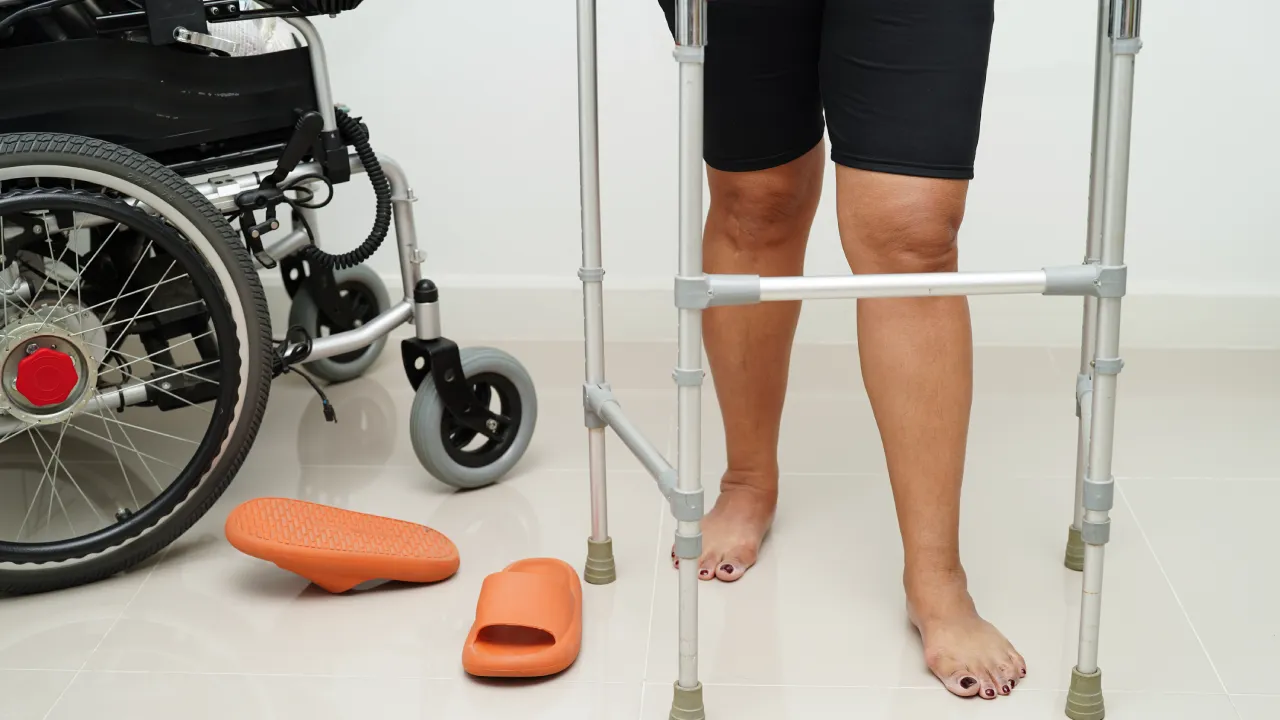
Mobility Limitations can affect how a person walks, stands, bends, climbs stairs, maintains balance, or carries out everyday activities. These difficulties may develop due to an injury, muscle stiffness, joint discomfort, reduced flexibility, age-related changes, or prolonged inactivity. At The Bright Physio & Mindfulness Massage in Edmonton, physiotherapy and massage services can help individuals address movement difficulties through assessment, appropriate hands-on care, mobility exercises, and practical activity recommendations.
Care for Mobility Limitations focuses on identifying factors that affect movement and selecting suitable approaches based on each person’s symptoms, physical abilities, and daily routine. Whether difficulty occurs during work, exercise, household activities, or walking, professional assessment can help identify possible contributing factors and determine appropriate next steps.
What Are Mobility Limitations?
Mobility Limitations refer to difficulties performing movements required for everyday life. These difficulties may affect one body part, several joints, or general movement throughout the body. Some people notice stiffness after sitting for extended periods, while others experience difficulty walking, reaching overhead, bending forward, or maintaining balance.
Mobility Limitations can arise from several factors, including muscle tightness, restricted joint movement, reduced strength, previous injuries, neurological conditions, or changes in physical activity levels. The nature and severity of these difficulties vary from person to person.
Physiotherapy and massage may form part of a care plan for suitable individuals. Physiotherapy can address movement patterns, strength, flexibility, coordination, and functional activities. Massage may help manage muscle tension and support comfortable movement when clinically appropriate.
At The Bright Physio & Mindfulness Massage in Edmonton, an assessment can help identify movement difficulties and determine whether physiotherapy, massage, exercise, or referral for further medical assessment is appropriate.
Who Can Benefit from Care for Mobility Limitations?
People with different physical needs may seek care when restricted movement begins to interfere with their routines. The appropriate approach depends on the underlying cause, current symptoms, and individual health circumstances.
Office Workers and Desk-Based Professionals
Long periods of sitting may contribute to stiffness in the hips, shoulders, neck, and back. Office workers who find it difficult to stand after sitting, turn their heads comfortably, or move freely during the day may benefit from an assessment of their movement patterns and workplace habits.
Active Adults and Recreational Athletes
Running, cycling, gym workouts, and recreational sports require adequate joint movement, coordination, and muscle function. Restrictions in the hips, ankles, shoulders, or knees may affect exercise technique and participation. A physiotherapy assessment can help identify relevant movement issues and establish suitable exercises.
Older Adults
Changes in strength, balance, flexibility, and joint function may affect walking, getting out of a chair, climbing stairs, and managing household activities. Appropriate movement exercises and balance activities may help eligible individuals work toward safer everyday movement.
People Recovering from Injuries
An injury may lead to stiffness, reduced strength, guarded movement, or difficulty placing weight on an affected limb. Individuals recovering from sprains, strains, falls, or other musculoskeletal injuries may need an assessment to determine which activities and exercises are appropriate.
People With Recurring Muscle or Joint Stiffness
Recurring stiffness can affect the shoulders, hips, knees, ankles, and spine. Assessment can help determine whether the problem may relate to muscle tension, joint restrictions, movement habits, or another underlying issue.
Individuals With Physically Demanding Jobs
Jobs involving lifting, standing, bending, carrying, or repeated movements may place physical demands on the body. Workers who notice restricted movement during job duties may benefit from an assessment of their functional abilities and movement requirements.
Common Problems Associated with Mobility Limitations
Mobility Limitations may appear gradually or develop after an injury or period of reduced activity. Recognizing changes in movement can help individuals decide when to seek assessment.
Common concerns include:
- Difficulty walking: Walking may become uncomfortable, slower, or more tiring than usual.
- Joint stiffness: The knees, hips, shoulders, ankles, or spine may feel restricted during movement.
- Reduced flexibility: Bending, reaching, twisting, or stretching may become difficult.
- Muscle tightness: Tension in the back, neck, shoulders, or legs may interfere with normal movement.
- Difficulty climbing stairs: Restricted movement or reduced strength may make stair use challenging.
- Balance concerns: Feeling unsteady while standing, turning, or walking may increase the risk of falling.
- Reduced exercise tolerance: Everyday physical activities or workouts may become more difficult to complete.
- Difficulty with daily tasks: Dressing, bathing, household chores, or getting into and out of a chair may require additional effort.
- Movement restrictions after injury: Pain, swelling, stiffness, or reduced strength may limit the use of an affected body part.
- Prolonged stiffness after inactivity: Remaining in one position for a long time may make initial movement difficult.
The cause of these symptoms cannot always be determined from the symptoms alone. Persistent or worsening movement difficulties should be assessed by an appropriate healthcare professional.
Physiotherapy and Massage Services for Mobility Limitations
Care for Mobility Limitations may involve different approaches depending on the person’s physical condition, assessment findings, and treatment goals. The Bright Physio & Mindfulness Massage in Edmonton provides a setting where suitable physiotherapy and massage approaches can be considered for movement-related concerns.
Movement and Functional Assessment
An assessment may examine joint movement, flexibility, strength, posture, balance, walking patterns, and the activities that cause difficulty. The findings help identify areas that may require further evaluation or a structured movement plan.
Mobility and Flexibility Exercises
Appropriate exercises may help individuals work on joint movement and muscle flexibility. Examples may include gentle range-of-motion activities, controlled stretching, and movement exercises for the hips, shoulders, ankles, or spine.
Exercises should reflect the person’s physical abilities and the reason for the restriction. Activities that cause sharp or increasing symptoms should be stopped and reviewed with the treating professional.
Strength and Stability Exercises
Reduced strength can contribute to difficulty standing, walking, climbing stairs, or maintaining balance. Depending on assessment findings, a physiotherapy plan may include exercises for the muscles that support the affected joints and assist with everyday movements.
Massage for Muscle Tension
Massage may be considered when muscle tension or soft-tissue discomfort contributes to movement difficulties. The approach depends on the person’s condition, medical history, and tolerance. Massage is not appropriate for every cause of restricted mobility, so assessment may be necessary before treatment.
Balance and Coordination Activities
Some individuals have difficulty with balance, turning, or coordinating movements. Suitable exercises may focus on controlled weight shifting, standing stability, and functional movement. People with substantial balance problems may require additional medical assessment or supervised support.
Activity and Movement Recommendations
Everyday habits can affect mobility. Recommendations may include changing positions regularly, incorporating appropriate movement breaks, adjusting activity levels, or following a home exercise routine. These suggestions should account for the person’s symptoms, work requirements, and physical capacity.
How the Process Works at The Bright Physio & Mindfulness Massage
Addressing Mobility Limitations starts with identifying the movements that are difficult and determining the possible factors contributing to those restrictions.
Initial Consultation
The first step involves discussing the person’s symptoms, daily activities, previous injuries, medical history, and movement-related concerns. This information helps establish which activities are affected and whether further assessment is appropriate.
Physical Assessment
A suitable assessment may examine joint range of motion, muscle flexibility, strength, balance, posture, and functional movements. The assessment is adjusted to the person’s condition and comfort level.
Care Planning
The findings are used to identify appropriate next steps. Depending on the situation, the plan may include physiotherapy exercises, mobility work, massage, activity changes, or referral to another healthcare provider.
Treatment and Exercise
Suitable interventions are introduced according to the assessment. Exercises may begin with simple movements and progress when the person can perform them safely. Hands-on treatment may be considered when indicated.
Progress Review
Movement, symptoms, activity tolerance, and functional abilities can be reviewed during follow-up appointments. The plan may be adjusted if certain movements remain difficult or if the person’s needs change.
Home Activities and Continued Support
Some individuals may benefit from a home exercise routine or recommendations for managing everyday activities. Follow-up care depends on progress, personal goals, and the nature of the underlying condition.
Benefits of Addressing Mobility Limitations
The purpose of care is to address movement difficulties and help individuals participate in daily activities as safely and comfortably as their condition allows. Outcomes depend on the cause of the restriction, the person’s health, and their response to care.
Potential outcomes may include:
- Improved joint movement: Appropriate exercises may help increase available movement in affected joints.
- Greater flexibility: Stretching and mobility activities may address certain restrictions in muscle and soft-tissue movement.
- Improved physical function: Functional exercises may help with activities such as standing, walking, bending, and climbing stairs.
- Muscle strength and stability: Strengthening activities may support movement and control during daily tasks.
- Movement confidence: Practicing suitable movements in a supervised setting may help individuals feel more comfortable performing certain activities.
- Support for activity participation: A structured movement plan may help people work toward returning to hobbies, exercise, work duties, and household activities.
- Greater awareness of movement habits: Education may help individuals recognize how prolonged sitting, repetitive activities, or sudden increases in activity affect their symptoms.
- Early identification of concerns: Assessment may identify symptoms or findings that require additional medical evaluation.
Results vary, and no particular outcome can be guaranteed. The appropriate course of care depends on an assessment of the person’s circumstances.
Who May Seek Mobility Care in Edmonton?
The Bright Physio & Mindfulness Massage in Edmonton may be relevant to individuals experiencing movement difficulties associated with everyday activities, work, exercise, or musculoskeletal concerns.
Potential client groups include:
- Office workers and people who spend extended periods sitting.
- Tradespeople and workers with physically demanding duties.
- Recreational athletes and people returning to exercise.
- Adults with recurring muscle tightness or joint stiffness.
- Individuals recovering from suitable musculoskeletal injuries.
- Older adults seeking assessment of movement, strength, or balance concerns.
- People who find household activities or routine movements increasingly difficult.
Some mobility problems may arise from conditions that require medical assessment rather than physiotherapy or massage alone. New weakness, sudden difficulty walking, significant swelling, or rapidly worsening symptoms warrant prompt medical attention. Sudden mobility changes accompanied by facial drooping, difficulty speaking, or one-sided weakness require emergency medical care.
Frequently Asked Questions
1. What are Mobility Limitations?
Mobility Limitations are difficulties moving the body or performing functional activities such as walking, bending, reaching, standing, or climbing stairs. They may be associated with stiffness, reduced strength, injury, balance problems, or certain medical conditions.
2. What causes Mobility Limitations?
Possible causes include muscle tightness, joint restrictions, injuries, reduced physical activity, weakness, neurological conditions, and age-related changes. An assessment can help identify possible contributing factors and determine whether additional medical evaluation is needed.
3. Can physiotherapy help with Mobility Limitations?
Physiotherapy may help address certain movement restrictions through assessment, therapeutic exercises, strength training, mobility work, balance activities, and functional movement practice. Suitability depends on the underlying cause and the person’s health.
4. Can massage help with Mobility Limitations?
Massage may help manage muscle tension and soft-tissue discomfort in some situations. It does not address every cause of restricted movement, so a healthcare professional may need to assess the symptoms before recommending it.
5. How long does it take to address Mobility Limitations?
The time required varies according to the cause, severity, duration, and response to care. Some people may notice changes within a few sessions, while others with complex or persistent conditions may need a longer period of assessment and follow-up.
6. What happens during a mobility assessment?
A mobility assessment may include questions about symptoms and medical history, followed by an examination of joint movement, flexibility, strength, balance, walking, and relevant everyday activities. The findings help determine appropriate next steps.
7. Can Mobility Limitations affect everyday activities?
Yes. Restricted movement may make walking, dressing, bathing, lifting, reaching, exercising, or performing work duties more difficult. The activities affected depend on the location and cause of the restriction.
8. Should I seek care if my movement becomes restricted suddenly?
Sudden or severe mobility changes require prompt medical assessment, particularly when accompanied by significant pain, swelling, weakness, numbness, or difficulty bearing weight. Sudden neurological symptoms, including one-sided weakness or difficulty speaking, require emergency care.
Service Areas in Edmonton
The Bright Physio & Mindfulness Massage serves the Edmonton community. Individuals experiencing Mobility Limitations may contact the clinic to ask about available physiotherapy and massage services for their movement-related concerns.
People seeking care can inquire about appointment availability, the types of movement difficulties the clinic assesses, and whether the available services may be appropriate for their needs.
For individuals travelling from nearby communities, it is advisable to confirm the clinic’s service arrangements and appointment availability before visiting.
Why Choose The Bright Physio & Mindfulness Massage?
When seeking care for Mobility Limitations, it is important to choose a provider that considers symptoms, functional needs, and the possible causes of restricted movement.
The Bright Physio & Mindfulness Massage in Edmonton provides physiotherapy and mindfulness massage services. Individuals can contact the clinic to ask about the assessment process, available services, practitioner qualifications, and the types of mobility concerns the clinic can address.
Before starting care, clients should discuss relevant medical conditions, previous injuries, current symptoms, and any concerns about particular movements. This helps the treating professional determine whether the available services are suitable or whether additional medical assessment is needed.
Related Services
Depending on the services available at The Bright Physio & Mindfulness Massage, individuals seeking help for Mobility Limitations may also inquire about:
- Physiotherapy: Assessment and care for movement restrictions, strength concerns, and functional difficulties.
- Massage Therapy: Care for certain forms of muscle tension and soft-tissue discomfort.
- Mobility Exercises: Activities that work on joint movement and flexibility.
- Strength and Conditioning Exercises: Activities that address muscle strength and physical function.
- Balance and Coordination Training: Exercises for suitable balance and movement concerns.
- Injury Rehabilitation: Assessment and exercise-based care following appropriate musculoskeletal injuries.
Contact the clinic to confirm which services are currently available and which may be suitable for your needs.
Take The Next Step
If Mobility Limitations are affecting your walking, flexibility, exercise routine, work duties, or everyday activities, consider arranging an assessment to discuss your concerns.
Our Clinic The Bright Physio & Mindfulness Massage in Edmonton can answer questions about available services, the assessment process, and appointment scheduling. When contacting the clinic, explain which movements are difficult, when the symptoms began, and whether an injury or another health concern may be involved.
Contact The Bright Physio & Mindfulness Massage in Edmonton to enquire about care for Mobility Limitations and discuss appropriate next steps for your movement-related concerns.
Phone: +1 780-737-1019
Address: 4904 30 Ave #105, Beaumont, Edmonton, AB T4X 3G3, Canada

 +1 (780) 737-1019