Hamstring Injuries

Hamstring Injury Treatment in Edmonton
Hamstring injuries can cause pain, stiffness, muscle weakness, and difficulty with walking, running, bending, or participating in sports. These injuries affect the group of three muscles located along the back of the thigh, which help bend the knee and extend the hip. Hamstring Injuries can occur during sprinting, jumping, sudden changes in direction, lifting, or other activities that place considerable strain on the muscles.
At The Bright Physio & Mindfulness Massage, individuals in Edmonton can seek physiotherapy care for hamstring-related symptoms, movement difficulties, and injuries that affect their everyday activities. Assessment may help identify the nature of the injury and determine an appropriate care plan based on symptoms, physical function, activity level, and recovery goals.
What Are Hamstring Injuries?
Hamstring Injuries refer to damage or excessive strain affecting one or more of the three muscles and their tendons at the back of the thigh. These muscles play an important role in controlling leg movement, stabilizing the knee, and supporting activities such as walking, running, climbing stairs, and jumping.
The severity of an injury can range from mild muscle overstretching to a partial or complete muscle tear. Some injuries develop during a sudden movement, while others occur after repeated strain or insufficient recovery between demanding physical activities.
Common symptoms include:
- Pain or tenderness at the back of the thigh
- Swelling or bruising around the affected area
- Muscle weakness when bending the knee
- Difficulty straightening the leg fully
- Discomfort while walking, running, or climbing stairs
- Reduced flexibility and range of motion
- Sudden sharp pain during sports or exercise
Symptoms vary according to the location and severity of the injury. A healthcare professional can assess the affected area and determine whether further medical evaluation is necessary.
Who Can Benefit from Care for Hamstring Injuries?
Physiotherapy may be appropriate for people experiencing hamstring symptoms that interfere with physical activity, work, sports, or daily routines.
Athletes and Sports Participants
Runners, football players, soccer players, basketball players, and other athletes frequently perform movements that require rapid acceleration, jumping, or sudden changes in direction. These activities can place considerable demands on the hamstring muscles.
Physiotherapy may help athletes overcome movement limitations, build strength gradually, and prepare for a safe return to training.
Runners and Fitness Enthusiasts
People who run regularly, participate in fitness classes, or perform high-intensity workouts may develop hamstring strain after increasing their activity level too quickly or exercising while fatigued.
A physiotherapy assessment can help identify contributing factors, including muscle weakness, restricted mobility, and training-related strain.
Office Workers and Individuals with Sedentary Routines
Prolonged sitting may contribute to stiffness and discomfort around the hips and thighs. Although sitting alone does not necessarily cause a hamstring injury, individuals who experience persistent symptoms may benefit from an assessment of their mobility, strength, and movement patterns.
Physically Demanding Workers
Workers whose duties involve lifting, bending, climbing, or repeated physical movements may experience hamstring strain. Assessment and appropriate exercise planning can help address movement restrictions that interfere with work activities.
Adults Returning to Physical Activity
Individuals resuming exercise after a break may place more demand on their muscles than they are prepared to handle. Gradual strengthening, mobility work, and activity planning may help them return to physical activity at an appropriate pace.
Common Problems Associated with Hamstring Injuries
Hamstring symptoms can affect several aspects of daily life. Recognizing the type of difficulty involved can help determine when professional assessment may be appropriate.
Common problems include:
- Muscle strain: Excessive stretching or force can damage muscle fibres and cause pain during movement.
- Reduced flexibility: Tightness and discomfort may make it difficult to straighten the knee or bend forward comfortably.
- Muscle weakness: An injured hamstring may struggle to produce the force required for running, climbing, or lifting.
- Sports-related limitations: Sprinting, jumping, and sudden directional changes may become difficult or uncomfortable.
- Walking difficulties: More significant injuries can cause limping or difficulty placing weight on the affected leg.
- Recurring symptoms: Previous hamstring injuries can increase the risk of another injury, particularly when strength and functional capacity have not been restored.
- Reduced confidence in movement: Fear of sudden pain may cause individuals to avoid certain activities or movements.
Severe pain, extensive bruising, a noticeable gap in the muscle, or difficulty bearing weight warrants prompt medical assessment. A sudden popping sensation accompanied by substantial weakness may indicate a significant tear.
Hamstring Injury Assessment and Physiotherapy Services
At The Bright Physio & Mindfulness Massage, physiotherapy care for Hamstring Injuries may involve an assessment of symptoms, movement, strength, flexibility, and functional limitations. The specific services recommended depend on the findings of the assessment and the individual’s needs.
Initial Assessment
An assessment may include questions about when the injury occurred, the activity associated with the symptoms, previous injuries, and current movement limitations.
The physiotherapist may examine:
- The location and intensity of pain
- Hamstring flexibility and range of motion
- Muscle strength and tolerance to movement
- Walking patterns and functional movements
- Hip, knee, and surrounding muscle function
Further medical evaluation may be recommended if the symptoms suggest a significant tear, tendon injury, fracture, or another condition requiring additional investigation.
Therapeutic Exercises
Exercise selection depends on the stage and severity of the injury. Early rehabilitation may involve gentle movements within a tolerable range, followed by progressive strengthening as symptoms permit.
Exercises may include:
- Gentle hamstring mobility exercises
- Isometric muscle contractions
- Progressive hamstring strengthening
- Hip and gluteal strengthening
- Balance and coordination activities
- Sport-specific movement drills during later rehabilitation
Exercise intensity should increase gradually according to symptoms, strength, and functional capacity.
Manual Therapy
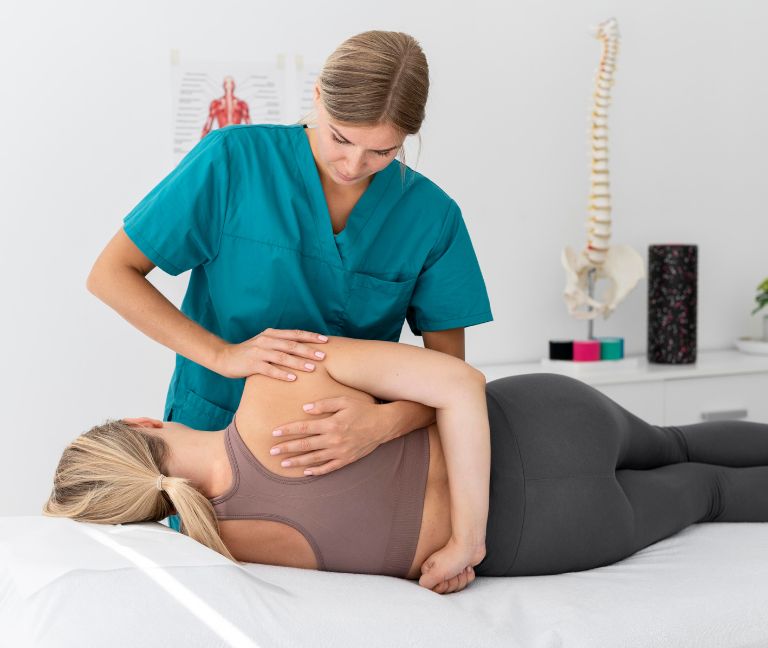
Where appropriate, a physiotherapist may use hands-on techniques to address surrounding muscle tension and movement restrictions. Manual therapy may form one part of a rehabilitation plan, alongside exercise and activity modification.
Techniques are selected according to the individual’s assessment findings and should not aggravate the injured tissue.
Mindfulness and Relaxation Support
The Bright Physio & Mindfulness Massage incorporates mindfulness and massage into its service offering. Depending on individual needs, relaxation practices may complement a physiotherapy plan by helping individuals manage stress associated with interrupted routines, reduced activity, or recovery.
Massage should be applied cautiously when an acute muscle tear is suspected. Direct pressure over a freshly injured or significantly bruised area may aggravate symptoms and should be avoided until clinically appropriate.
Return-to-Activity Planning
Returning to sports or demanding physical work before the hamstring has recovered sufficient strength can increase the likelihood of reinjury.
A return-to-activity plan may consider:
- Walking without a significant limp
- Restored range of motion
- Adequate hamstring strength
- Tolerance for progressively demanding exercises
- The ability to accelerate, decelerate, jump, or change direction when relevant
- Symptoms during activity and afterward
Return-to-sport decisions should reflect functional progress rather than a fixed timeline alone.
How the Hamstring Injury Physiotherapy Process Works
Physiotherapy for Hamstring Injuries in Edmonton may follow these steps.
Step 1: Initial Consultation
The process begins with a discussion about the injury, symptoms, activity level, medical history, and the movements that have become difficult.
Step 2: Physical Assessment
The physiotherapist evaluates the affected area and examines relevant movement patterns, strength, flexibility, and functional limitations. Additional medical assessment may be recommended when necessary.
Step 3: Care Plan Development
An appropriate plan is established according to the assessment findings, injury severity, daily requirements, and activity goals. The plan may include exercises, movement advice, activity modification, and suitable hands-on care.
Step 4: Rehabilitation Exercises
Exercises are introduced and progressed according to the individual’s tolerance and physical capacity. The aim is to improve strength, mobility, and control without placing excessive strain on the injured tissue.
Step 5: Progress Review
Progress is reviewed through changes in symptoms, movement, strength, and the ability to perform everyday tasks. Exercises and activity recommendations can be adjusted as needed.
Step 6: Return to Regular Activities
As functional capacity improves, rehabilitation may progress toward work duties, recreational exercise, or sport-specific movements. The timing depends on injury severity and individual progress.
Benefits of Appropriate Hamstring Injury Management
Timely assessment and an appropriate rehabilitation plan may support several practical outcomes for people dealing with Hamstring Injuries.
Potential outcomes include:
- Improved hamstring strength and flexibility
- Increased tolerance for walking and everyday movement
- Improved control during bending, lifting, and climbing
- Gradual return to exercise and sports
- Identification of movement limitations that may contribute to recurring strain
- Greater confidence when resuming physical activities
- A structured approach to monitoring progress
Recovery varies according to the severity of the injury, the location of the damage, previous injuries, and the individual’s overall health. Mild strains may settle within a few weeks, while more significant tears can require several months of rehabilitation. No single recovery timeline applies to every case.
Who Commonly Experiences Hamstring Injuries?
Hamstring Injuries can affect people across different age groups and activity levels.
Common groups include:
- Recreational and competitive athletes
- Track and field participants
- Soccer, football, and basketball players
- Runners and gym members
- People returning to exercise after a period of inactivity
- Workers performing repeated lifting or physically demanding tasks
- Adults experiencing muscle strain during everyday activities
Although sports are a frequent cause, hamstring injuries can also occur during sudden slips, falls, or unexpected movements.
Frequently Asked Questions
1. What Are the Common Signs of Hamstring Injuries?
Common signs include pain at the back of the thigh, tenderness, swelling, bruising, weakness, and difficulty straightening the knee. Some people experience a sudden pulling or popping sensation during physical activity. Severe symptoms or difficulty bearing weight should be assessed promptly by a healthcare professional.
2. How Long Do Hamstring Injuries Take to Recover?
Recovery depends on the injury’s severity. Mild strains may improve within a few weeks, whereas moderate or severe tears may require several weeks to months. A physiotherapist can monitor functional progress and help determine when it is appropriate to increase activity.
3. Can Physiotherapy Help with Hamstring Injuries?
Physiotherapy may help address strength deficits, restricted movement, and difficulties returning to everyday activities or sports. Care may include assessment, progressive strengthening, mobility exercises, activity modification, and functional training. Significant injuries may also require medical investigation.
4. Should I Stretch a Hamstring Injury?
Aggressive stretching is generally not advisable immediately after an acute hamstring injury because it may aggravate damaged tissue. Gentle movement may be appropriate depending on the injury, but the type and intensity of stretching should reflect symptom severity and clinical assessment.
5. Can Hamstring Injuries Happen Again?
Yes. Previous hamstring injuries are associated with an increased risk of recurrence. Gradual strengthening, appropriate training loads, adequate recovery, and progressive preparation for high-speed or demanding movements may help reduce this risk.
6. When Should I Seek Medical Attention for a Hamstring Injury?
Seek prompt medical assessment if you experience severe pain, substantial bruising or swelling, a popping sensation with marked weakness, a visible muscle deformity, or difficulty bearing weight. Urgent evaluation may be needed to rule out a significant muscle or tendon tear and other injuries.
7. Where Can I Seek Physiotherapy for Hamstring Injuries in Edmonton?
Individuals experiencing hamstring symptoms can contact The Bright Physio & Mindfulness Massage in Edmonton to ask about physiotherapy assessment and available care options. The clinic can explain its services and help determine an appropriate next step based on the individual’s concerns.
Hamstring Injury Care in Edmonton
People searching for care for Hamstring Injuries in Edmonton may benefit from choosing a clinic that assesses their symptoms, movement limitations, and activity requirements before recommending a plan.
The Bright Physio & Mindfulness Massage serves people seeking support for movement-related concerns and physical discomfort. Individuals can contact the clinic to ask about appointment availability, assessment procedures, and services relevant to their hamstring symptoms.
Why Consider The Bright Physio & Mindfulness Massage?
When choosing a physiotherapy clinic, it is useful to consider whether the service addresses your symptoms, daily activities, and rehabilitation goals.
The Bright Physio & Mindfulness Massage combines physiotherapy and mindfulness massage within its service offering. Individuals can contact the clinic to learn more about its assessment process, available treatment options, practitioner qualifications, and approach to managing muscle injuries.
Before booking, consider asking:
- What does the initial assessment include?
- Which rehabilitation services are available for hamstring injuries?
- How frequently might follow-up appointments be recommended?
- What should I do if symptoms worsen between appointments?
- When might a medical referral or additional investigation be necessary?
These questions can help you make an informed decision about your care.
Related Conditions and Services
People experiencing Hamstring Injuries may also have questions about other muscle and movement concerns. Depending on the clinic’s available services, related topics may include:
- Muscle strains and soft-tissue injuries
- Hip pain and mobility restrictions
- Knee pain and movement difficulties
- Sports-related injuries
- Muscle stiffness and flexibility limitations
- Physiotherapy assessment and rehabilitation
- Massage therapy and relaxation services
Each condition requires an appropriate assessment because symptoms involving the thigh, hip, or knee may arise from different causes.
Contact The Bright Physio & Mindfulness Massage.
If hamstring pain or stiffness is affecting your work, exercise, walking, or sports participation, consider contacting The Bright Physio & Mindfulness Massage in Edmonton to discuss your symptoms and available appointment options.
The clinic can explain its assessment process, the services available for Hamstring Injuries, and the next steps for arranging an appointment.
Take the Next Step.
Contact The Bright Physio & Mindfulness Massage to ask about physiotherapy services for Hamstring Injuries in Edmonton and discuss your current movement concerns.
Phone: +1 780-737-1019
Address: 4904 30 Ave #105, Beaumont, Edmonton, AB T4X 3G3, Canada

 +1 (780) 737-1019