Joint Sprains

Joint Sprains Treatment in Edmonton
Joint sprains occur when the ligaments that connect bones within a joint become stretched or torn. They commonly affect the ankle, knee, wrist, thumb, and other joints following a fall, sudden twist, sports injury, or awkward movement. At The Bright Physio & Mindfulness Massage in Edmonton, physiotherapy care for Joint Sprains focuses on assessing movement difficulties, identifying functional limitations, and supporting recovery through an appropriate care plan. People experiencing swelling, tenderness, stiffness, or difficulty moving an affected joint may benefit from a professional assessment. Early evaluation can help determine the extent of the injury and whether additional medical attention is required.
What Are Joint Sprains?
Joint Sprains are injuries involving the ligaments that support and stabilize joints. Ligaments are strong bands of connective tissue that connect one bone to another. They help maintain joint stability and control movement during everyday activities, exercise, and sports.
A sprain occurs when a ligament is stretched beyond its normal capacity or partially or completely torn. The severity depends on the extent of ligament damage, the joint affected, and the symptoms present.
Joint Sprains are commonly classified into three grades:
- Grade 1 — Mild sprain: The ligament is stretched or has minor fibre damage, often causing tenderness and limited swelling.
- Grade 2 — Moderate sprain: The ligament is partially torn, potentially causing noticeable swelling, bruising, pain, and reduced joint stability.
- Grade 3 — Severe sprain: The ligament is completely torn, which may result in substantial instability, swelling, and difficulty bearing weight or using the affected joint.
The ankle is a frequent site of sprains, particularly when the foot rolls inward or outward unexpectedly. Knee, wrist, thumb, and other joint sprains may occur during sports, falls, workplace incidents, or routine activities.
Physiotherapy can form part of recovery by addressing movement restrictions, muscle weakness, balance difficulties, and functional limitations when appropriate for the injury. Severe injuries may require medical evaluation before rehabilitation begins.
Who Can Benefit from Physiotherapy for Joint Sprains?
People with Joint Sprains may require different forms of care depending on their symptoms, activity levels, injury severity, and recovery goals. Physiotherapy may be suitable for individuals who have received an appropriate assessment and are ready to begin rehabilitation.
Athletes and Sports Participants
Athletes may develop Joint Sprains while running, jumping, changing direction, landing awkwardly, or making sudden movements. Basketball, soccer, volleyball, tennis, and other sports can place considerable demands on joint stability.
Physiotherapy may address strength, balance, coordination, movement control, and sport-related functional requirements during recovery.
Adults With Everyday Injuries
A slip on a wet surface, a missed step on the stairs, or an unexpected twist while walking can result in a sprain. Adults experiencing stiffness, swelling, or difficulty performing household activities may benefit from an assessment to determine suitable rehabilitation options.
Children and Teenagers
Young people participating in sports, school activities, and recreational play may experience ankle, wrist, or knee sprains. Assessment is important because some injuries in children can involve growth plates or fractures rather than ligament damage alone.
Older Adults
Falls and sudden changes in direction can contribute to joint injuries in older adults. Rehabilitation may focus on safe movement, balance, strength, and daily functional activities, depending on the individual’s health and injury.
Workers With Physical Job Demands
Jobs involving walking, lifting, climbing, standing, or repeated movements may become difficult following a joint sprain. A physiotherapy assessment can help identify activity limitations and appropriate steps toward resuming work duties.
Common Problems Associated with Joint Sprains
Joint Sprains can affect movement, stability, and the ability to complete daily tasks. Symptoms vary according to the injured ligament and the severity of the damage.
Common signs and difficulties include:
- Pain and tenderness: Discomfort around the affected joint, particularly when moving, touching, or placing weight on it.
- Swelling: Fluid accumulation around the injured area following ligament damage.
- Bruising: Discolouration that may appear around the joint after an injury.
- Reduced range of motion: Difficulty bending, straightening, rotating, or moving the joint normally.
- Joint instability: A sensation that the joint may give way, particularly during walking or changes in direction.
- Muscle weakness: Reduced strength around the injured joint due to pain, swelling, or decreased activity.
- Balance difficulties: Challenges maintaining stability after an ankle or lower-limb sprain.
- Activity limitations: Difficulty walking, climbing stairs, exercising, lifting objects, or completing work-related tasks.
Not every symptom indicates a sprain. A fracture, dislocation, tendon injury, or other condition may produce similar signs. An appropriate assessment helps determine the next steps.
When Should You Seek Medical Attention?
Seek prompt medical assessment if you cannot bear weight on the injured limb, have severe or increasing swelling, notice a visible deformity, experience numbness, or have significant pain following an injury. An inability to move the joint normally may also indicate a more serious injury.
Do not assume a severe injury is a simple sprain. A healthcare professional may recommend imaging or further evaluation when a fracture or significant ligament injury is suspected.
How Physiotherapy for Joint Sprains Works
At The Bright Physio & Mindfulness Massage in Edmonton, rehabilitation for Joint Sprains should reflect the affected joint, injury severity, symptoms, and the individual’s functional needs. The following steps describe a general physiotherapy process.
1. Initial Consultation
The process begins with a discussion about how the injury occurred, when symptoms started, and which movements are difficult. Information about previous injuries, medical history, work requirements, and sporting activities may also help inform the assessment.
2. Physical Assessment
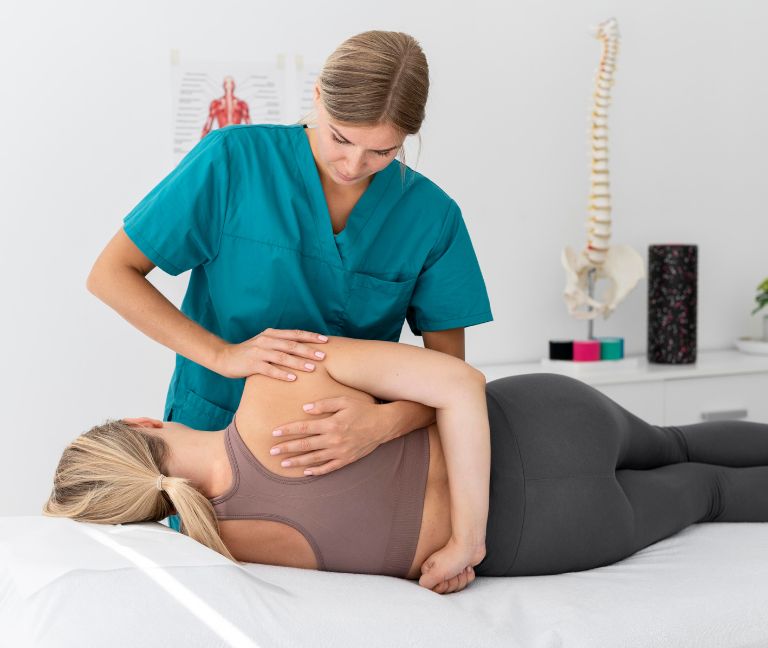
A physiotherapist may assess swelling, tenderness, joint movement, muscle strength, balance, and functional ability when appropriate. The assessment helps identify movement limitations and determine whether further medical evaluation is necessary.
3. Rehabilitation Planning
The physiotherapist develops a plan based on the assessment findings and the stage of recovery. The plan may include activity adjustments, gradual movement, strengthening exercises, balance training, and functional practice.
4. Guided Rehabilitation
Exercises may progress as symptoms and functional capacity allow. Depending on the injury, rehabilitation may include:
- Gentle range-of-motion exercises.
- Progressive strengthening of supporting muscles.
- Balance and coordination activities.
- Walking or movement practice.
- Functional exercises related to work, sports, or daily activities.
Exercise intensity should reflect the injury and clinical assessment. Pushing through significant pain or instability can aggravate an injury.
5. Progress Reviews
Follow-up appointments may be used to assess changes in movement, strength, swelling, and daily function. The rehabilitation plan can be adjusted according to progress and any remaining limitations.
6. Return to Daily Activities
The final stage focuses on preparing for regular activities, work, exercise, or sports when appropriate. Readiness should consider joint stability, strength, balance, movement quality, and the demands of the intended activity rather than pain levels alone.
Benefits of Physiotherapy for Joint Sprains
Physiotherapy may support recovery from Joint Sprains by addressing the physical limitations associated with ligament injuries. Outcomes depend on the severity of the sprain, the affected joint, general health, and participation in rehabilitation.
Potential benefits include:
- Improved joint movement: Appropriate exercises may help address stiffness and movement restrictions.
- Increased supporting muscle strength: Progressive strengthening may improve the muscles surrounding the affected joint.
- Improved balance and coordination: Balance activities may help address instability, particularly after ankle sprains.
- Functional movement practice: Rehabilitation can help prepare individuals for walking, stair climbing, work tasks, and recreational activities.
- Support for return to sport: Gradual training may help athletes prepare for sport-specific movements.
- Reduced risk of recurrent injury: Strength, balance, and movement-control exercises may help lower the risk of repeat sprains in certain individuals.
- Improved confidence with movement: Progressive practice may help people feel more prepared to resume activities within their physical capabilities.
Recovery timelines vary. Mild sprains may improve over a few weeks, while moderate or severe injuries can require several weeks to months, depending on the damage and treatment requirements.
Types of Joint Sprains We Address
Joint Sprains can affect different parts of the body. Identifying the injured joint helps determine which movements, muscles, and functional activities need assessment.
Ankle Sprains
Ankle sprains often occur when the foot rolls unexpectedly during walking, running, jumping, or landing. Symptoms may include swelling, bruising, tenderness, and difficulty bearing weight.
Rehabilitation may involve ankle mobility, calf and lower-leg strengthening, balance exercises, and progressive walking or sporting activities.
Knee Sprains
Knee sprains may involve ligaments such as the medial collateral ligament (MCL), lateral collateral ligament (LCL), anterior cruciate ligament (ACL), or posterior cruciate ligament (PCL).
These injuries can occur during twisting movements, direct impacts, sudden stops, or awkward landings. Significant swelling, instability, or difficulty bearing weight requires prompt assessment. Some knee ligament injuries need orthopaedic evaluation before rehabilitation progresses.
Wrist Sprains
A wrist sprain may occur when someone falls onto an outstretched hand or twists the wrist unexpectedly. Symptoms can include swelling, tenderness, reduced grip strength, and discomfort during lifting or gripping.
Physiotherapy may address wrist mobility, strength, and functional hand use once serious injury has been ruled out.
Thumb Sprains
Thumb sprains can occur during falls, ball sports, or incidents involving forceful bending of the thumb. Pain may affect pinching, gripping, and holding objects.
A professional assessment helps determine the extent of ligament damage and whether the thumb needs additional support or medical evaluation.
Other Joint Sprains
Sprains may also affect the elbow, shoulder, fingers, and other joints. Rehabilitation depends on the ligament involved, the degree of injury, and the demands placed on the affected area.
Industries and Customer Groups We Serve
Joint Sprains may affect people across different occupations and activity levels in Edmonton. Physiotherapy needs can vary according to the physical demands of each person’s routine.
Relevant groups include:
- Sports and recreation: Athletes and recreational participants returning to training or competition.
- Office-based workers: Individuals experiencing movement restrictions that affect commuting, computer use, or everyday activities.
- Construction and trades: Workers whose duties involve lifting, climbing, walking, or carrying equipment.
- Retail and hospitality: Employees who spend extended periods standing, walking, and moving around the workplace.
- Education: Students, teachers, and school staff affected by sports injuries, falls, or daily movement difficulties.
- Healthcare and care services: Workers whose duties require safe mobility and physical activity.
- General community members: People recovering from household accidents, recreational injuries, or unexpected falls.
The appropriate care plan depends on the individual’s injury and functional requirements, rather than their occupation alone.
Frequently Asked Questions
1. What are the common causes of Joint Sprains?
Joint Sprains commonly occur when a joint twists, bends, or moves beyond its usual range. Falls, awkward landings, sports collisions, sudden changes in direction, and workplace incidents are frequent causes. Previous sprains and reduced joint stability may also increase the likelihood of recurrence.
2. How long does it take to recover from Joint Sprains?
Recovery depends on the severity of the ligament injury and the joint affected. Mild sprains may improve within a few weeks, while moderate injuries can take several weeks or longer. Severe ligament tears may require months of rehabilitation or surgical assessment. A healthcare professional can provide a more suitable estimate after evaluating the injury.
3. Can physiotherapy help with Joint Sprains?
Yes. Physiotherapy can form part of rehabilitation for many Joint Sprains. Depending on the injury, it may involve movement exercises, progressive strengthening, balance training, and functional activity practice. Severe sprains and suspected fractures may require medical assessment before rehabilitation begins.
4. Should I walk on a sprained ankle?
This depends on the injury’s severity and your ability to bear weight. Avoid forcing yourself to walk through significant pain or instability. If you cannot take a few steps, have substantial swelling, or experience severe pain, seek medical assessment to rule out a fracture or serious ligament injury. Follow the advice provided by your healthcare professional.
5. Can Joint Sprains happen again after recovery?
Yes. A previous sprain may increase the risk of another injury, particularly if strength, balance, or joint stability remain limited. Appropriate rehabilitation, gradual return to activity, and exercises that support joint control may help reduce recurrence risk.
6. When should I visit a physiotherapist for Joint Sprains in Edmonton?
Consider arranging an assessment when pain, stiffness, weakness, or movement limitations persist after an injury, or when you need support returning to normal activities. Seek urgent medical evaluation first if you suspect a fracture, have a visible deformity, experience numbness, or cannot bear weight.
Joint Sprains Physiotherapy in Edmonton
The Bright Physio & Mindfulness Massage serves people seeking physiotherapy support for movement difficulties and musculoskeletal concerns in Edmonton. If a joint injury is affecting your walking, work, exercise, or everyday routine, an assessment can help clarify the nature of the problem and the appropriate next steps.
The clinic’s approach to Joint Sprains should be based on the individual’s symptoms, assessment findings, and functional goals. Treatment options and appointment availability can be confirmed directly with the clinic.
Why Choose The Bright Physio & Mindfulness Massage?
When seeking care for Joint Sprains in Edmonton, it is important to select a clinic that assesses the injury and considers the individual’s movement requirements.
At The Bright Physio & Mindfulness Massage, prospective clients can contact the clinic to ask about:
- Assessment and physiotherapy options for joint injuries.
- Rehabilitation approaches for ankle, knee, wrist, and other sprains.
- Appointment availability and session arrangements.
- The clinic’s physiotherapist qualifications and relevant clinical experience.
- Whether the clinic’s services are suitable for their symptoms and recovery stage.
Confirm the clinic’s current service details and practitioner credentials directly before booking.
Related Services
Depending on the clinic’s current service list, people with Joint Sprains may also wish to ask about related services such as:
- Sports injury physiotherapy.
- Ankle injury rehabilitation.
- Knee injury physiotherapy.
- Wrist and hand rehabilitation.
- Balance and mobility training.
- Post-injury strengthening exercises.
- Movement assessment and functional rehabilitation.
These services should only be linked on the website when they are available at The Bright Physio & Mindfulness Massage.
Get Started
Joint Sprains can interfere with walking, work, sports, and everyday activities. Identifying the affected ligament and the extent of the injury can help determine the appropriate next steps.
Contact The Bright Physio & Mindfulness Massage in Edmonton to ask about physiotherapy assessment options for Joint Sprains. During your enquiry, explain which joint is affected, how the injury occurred, and which activities have become difficult.
Phone: +1 780-737-1019
Address: 4904 30 Ave #105, Beaumont, Edmonton, AB T4X 3G3, Canada

 +1 (780) 737-1019