Sciatica Treatment in Calgary
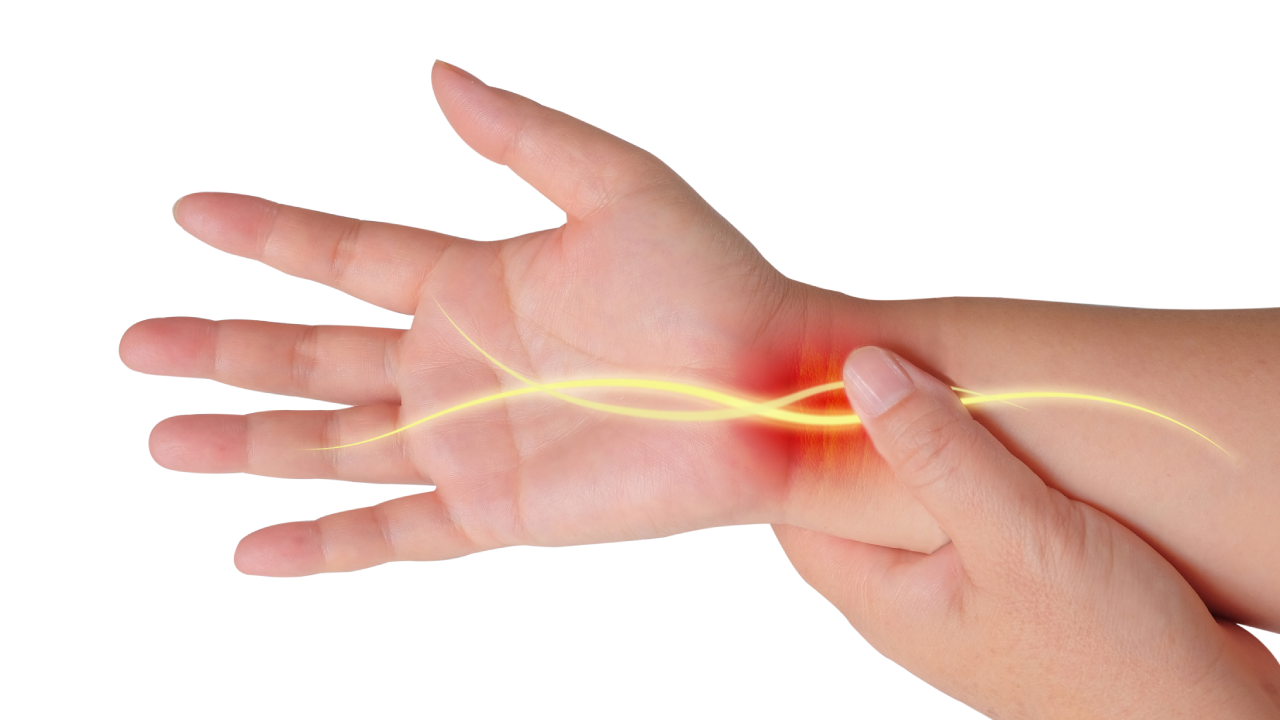
Sciatica is a condition that occurs when the sciatic nerve becomes irritated or compressed, causing symptoms that travel from the lower back into the buttock, hip, and down one leg. For some people, the discomfort is mild and occasional, while others find it difficult to walk, sit, drive, or complete daily tasks.
At PhysioNation, we assess the source of sciatic nerve irritation and create a treatment plan based on your movement, strength, flexibility, and daily activities. Whether your symptoms began after lifting, prolonged sitting, a sports activity, or developed gradually over time, our clinic helps people across Calgary work toward improved movement and function.
What Is Sciatica?
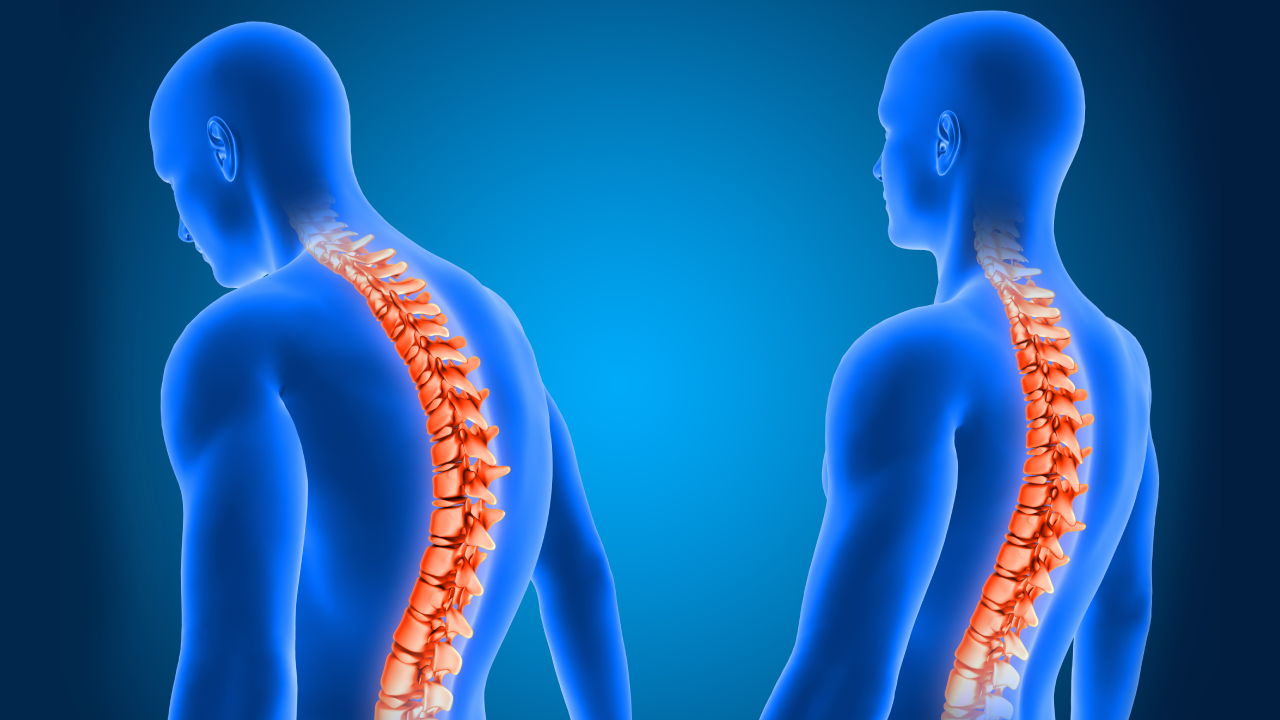
Sciatica is not a diagnosis by itself. It is a group of symptoms caused by irritation or pressure affecting the sciatic nerve, the largest nerve in the body. The nerve begins in the lower spine and travels through the hips and buttocks into each leg.
Common causes include:
- Herniated discs
- Lumbar spinal stenosis
- Degenerative disc changes
- Muscle tightness affecting nearby nerves
- Joint dysfunction in the lower back or pelvis
- Pregnancy-related changes
- Previous lower back injuries
Symptoms vary from person to person. Some notice sharp pain, while others describe burning, tingling, numbness, or weakness extending into the leg or foot.
Finding the source of nerve irritation is an important step before beginning treatment.


Who Can Benefit From Sciatica Treatment?
Sciatica treatment may be suitable for:
- Office workers who spend long hours sitting.
- Construction and warehouse workers.
- Healthcare professionals.
- Athletes.
- Older adults.
- Drivers who remain seated for extended periods.
- Parents lifting young children.
- Individuals recovering from lower back injuries.
Regardless of your activity level, an assessment can identify movement limitations and factors contributing to ongoing symptoms.
Problems Sciatica Treatment Can Address
People commonly seek physiotherapy because sciatica may lead to:
- Pain travelling into one leg
- Tingling sensations
- Numbness in the calf or foot
- Difficulty standing for long periods
- Pain while sitting
- Walking limitations
- Muscle weakness
- Reduced flexibility
- Difficulty climbing stairs
- Sleep disturbances caused by leg pain
- Reduced participation in work, sports, or household activities
Identifying the causes of these symptoms allows treatment to focus on the source rather than just managing the symptoms.
What Is Included During Sciatica Treatment?
Initial Assessment
Your physiotherapist evaluates your symptoms, medical history, posture, walking pattern, spinal movement, muscle strength, flexibility, and nerve function.
Movement Evaluation
Functional movements help determine which positions increase or reduce symptoms.
Hands-On Therapy
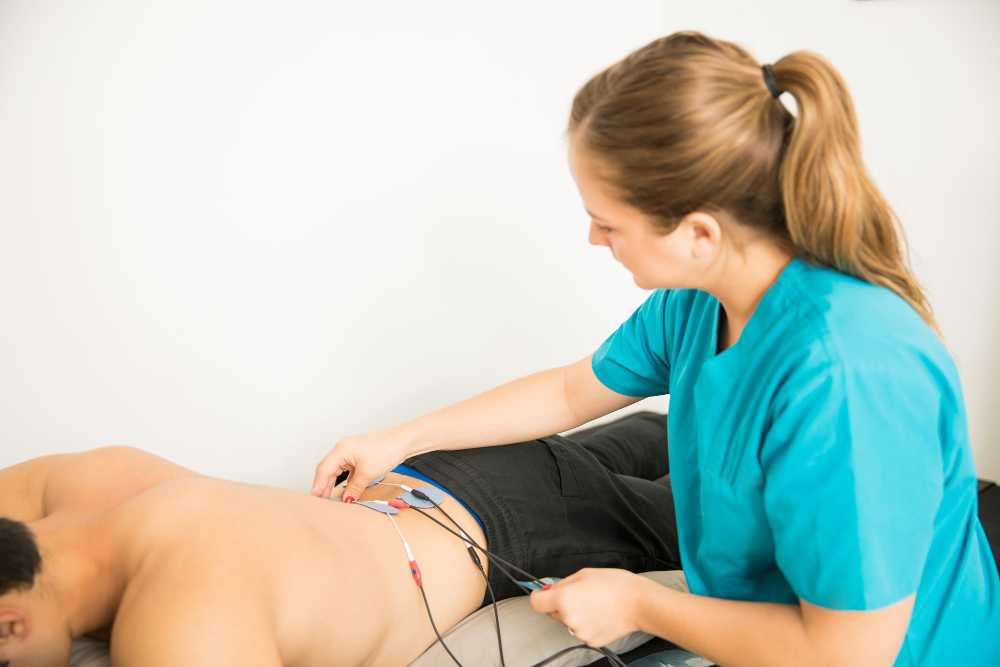
Joint and soft tissue techniques may be used to reduce stiffness and improve movement around the spine, hips, and surrounding muscles.
Exercise Program
Specific exercises focus on mobility, flexibility, strength, and control of the lower back, hips, and core muscles.
Education
You’ll receive practical advice on lifting, sitting, sleeping positions, workstation setup, and daily movement habits that may influence your symptoms.
Progress Reviews
Your progress is monitored throughout your visits so exercises and treatment can be adjusted as your condition changes.
How the Process Works
Step 1 – Consultation
Discuss your symptoms, daily activities, previous injuries, and current limitations.
Step 2 – Physical Assessment
Your physiotherapist examines movement, nerve mobility, strength, flexibility, posture, and spinal function.
Step 3 – Treatment Plan
A structured plan is developed based on your assessment findings and activity goals.
Step 4 – Treatment Sessions
Treatment combines manual techniques, movement training, strengthening exercises, and education.
Step 5 – Progress Monitoring
Each visit includes reassessment to monitor changes and modify treatment when appropriate.
Step 6 – Return to Daily Activities
As movement improves, exercises become more functional, supporting work, recreation, and everyday activities.
Benefits of Sciatica Physiotherapy
Many people choose physiotherapy because it may help:
- Improve spinal mobility.
- Increase flexibility.
- Build core strength.
- Improve walking tolerance.
- Support sitting and standing for longer periods.
- Increase confidence during movement.
- Reduce recurring movement limitations.
- Improve balance and coordination.
- Support participation in sports and recreation.
- Return to everyday activities with greater comfort.
Results vary depending on the cause of sciatica, symptom duration, and individual factors.
Who We Help
PhysioNation provides physiotherapy for people across Calgary, including:
- Office professionals
- Tradespeople
- Athletes
- Students
- Older adults
- Active adults
- New parents
- Individuals recovering from workplace or motor vehicle injuries
Frequently Asked Questions
What causes sciatica?
Sciatica develops when the sciatic nerve becomes irritated or compressed. Disc injuries, spinal narrowing, arthritis, muscle tightness, and other lower back conditions are common causes.
Can physiotherapy help with sciatica?
Physiotherapy focuses on identifying the source of nerve irritation while improving movement, strength, flexibility, and function through assessment, exercise, manual therapy, and education.
How many visits will I need?
The number of visits varies depending on the cause of your symptoms, how long they have been present, and how your body responds during treatment.
Should I continue exercising?
Many people benefit from remaining active, although activities may need temporary modifications. Your physiotherapist will recommend movements that match your condition.
Do I need a doctor’s referral?
Many people can book an appointment directly. Some insurance providers may have different requirements, so it’s recommended that you check your individual plan.
Areas We Serve
PhysioNation welcomes individuals throughout Calgary and surrounding communities seeking assessment and physiotherapy for sciatica and other musculoskeletal conditions.
Why Choose PhysioNation?
At PhysioNation, every assessment begins by identifying the source of your symptoms rather than focusing solely on where the pain is felt. Your physiotherapist evaluates movement quality, joint mobility, muscle function, posture, and daily activity demands before developing a structured treatment plan.
Progress is reviewed throughout your visits so your program continues to match your current abilities and goals.
Related Conditions
You may also be interested in:
- Lower Back Pain
- Herniated Disc
- Hip Pain
- Piriformis Syndrome
- Sacroiliac Joint Dysfunction
- Neck Pain
- Sports Injuries
- Workplace Injuries
Get Started
If pain, numbness, or tingling travelling down your leg is limiting your daily routine, PhysioNation is here to help. Contact our Calgary clinic to schedule an assessment.
Address: CO-OP PLAZA HAMPTONS, 1000 Hamptons Dr NW #622, Calgary, AB T3A 6A7, Canada
Phone: +1 403-475-8816
We’ll identify the source of your symptoms, explain your findings, and create a structured physiotherapy plan that supports your return to comfortable movement and everyday activities.