If you spend your workdays commuting along the Crowchild or Deerfoot trail, only to sit in an office chair for eight straight hours, your lower back is likely paying the price. By the time the clock hits noon, that familiar, dull ache across your lumbar spine has arrived, making the second half of the day an exercise in constant readjustment.
Many desk workers assume that lower back stiffness is an inevitable tax paid for working an office job, or that they can completely undo eight hours of sitting by spending 45 minutes at the gym in the evening. Unfortunately, the human body does not work that way. Static posture accumulates structural stress throughout the day. To beat stiffness, you need to introduce micro-habits directly into your morning routine.
The Biomechanics of the “Office Chair Slouch”
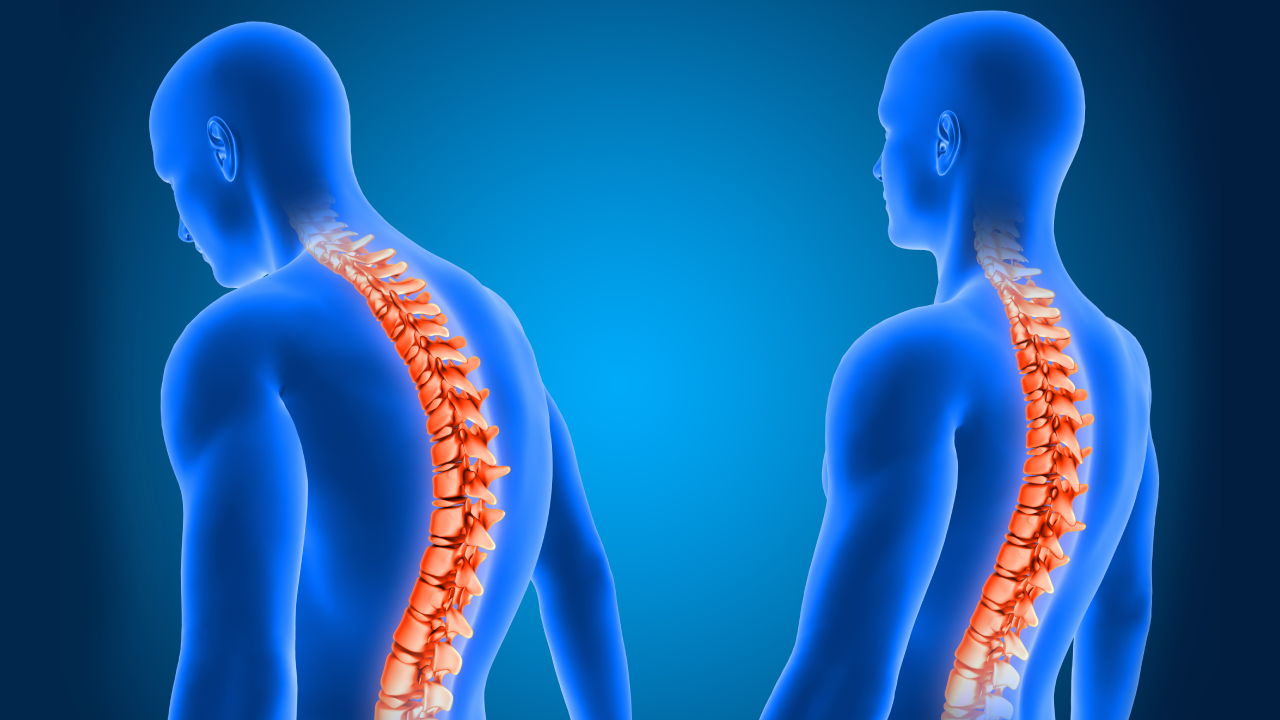
When you sit, your pelvis naturally tilts backward, flattening the natural inward curve (lordosis) of your lower back. This position shifts the mechanical load away from your active supporting structures—your core and gluteal muscles—and places it entirely on the passive structures of your spine: the intervertebral discs, spinal ligaments, and joint capsules.
[Slouched Sitting] ---> Pelvis Tilts Backward ---> Lumbar Curve Flattens ---> Mechanical Load Shifts to Discs/Ligaments
Over several hours, this sustained pressure squeezes water out of your spinal discs, reducing their shock-absorbing capacity. Simultaneously, your hip flexors and hamstrings spend hours in a shortened state, pulling on your pelvis and creating a tight, rigid anchor system. When you finally stand up at lunch, your lower back muscles are forced to overwork just to pull you upright, resulting in that sudden wave of stiffness.
To break this cycle, you need to disrupt the static load before it causes discomfort. Here are five simple habits you can implement before noon.
Habit 1: The Hourly Postural Reset (The 50/10 Rule)
The best posture is always your next posture. Your body is designed to move, and no matter how expensive your ergonomic office chair is, staying static for hours will cause issues.
Implement the 50/10 rule: set a silent recurring timer on your desktop. For every 50 minutes of focused work, spend 10 minutes standing up, or at least 60 seconds performing a physical reset.
- The Dynamic Reset: Stand up, place your hands flat on your back pocket area, and gently extend your spine backward five times. This counteracts the constant forward bending of sitting and helps restore fluid balance to your spinal discs.
Habit 2: Seated Pelvic Tilts
You do not need to leave your desk to re-introduce mobility to your spine. Seated pelvic tilts keep your lumbar joints lubricated without drawing unwanted attention in an open-concept office.
- How to do it: Sit slightly forward away from the backrest of your chair with your feet flat on the floor. Slowly roll your pelvis backward to slouch your spine intentionally, then reverse the movement by rolling your pelvis forward, arching your lower back and sitting tall.
- The Routine: Perform 10 to 15 slow, controlled repetitions every mid-morning. Think of it as a internal pump that keeps blood moving through your deep lower back tissue.
Habit 3: The Desk-Side Hip Flexor Stretch
Your hip flexors (psoas and iliacus muscles) attach directly to your lumbar spine. When you sit, these muscles remain shortened. When you stand up, they pull forward on your lower back, compressing the joints.
- How to do it: Stand next to your desk. Step your right foot back into a shallow lounge position. Keep your torso completely upright, tuck your tailbone slightly under, and squeeze your right glute muscle. You should feel a deep stretch along the front of your right hip.
- The Routine: Hold this position for 30 seconds per side. Do this twice during your morning emails to release the mechanical tension pulling on your lumbar spine.
Habit 4: Decompress with the “Seated Figure-Four”
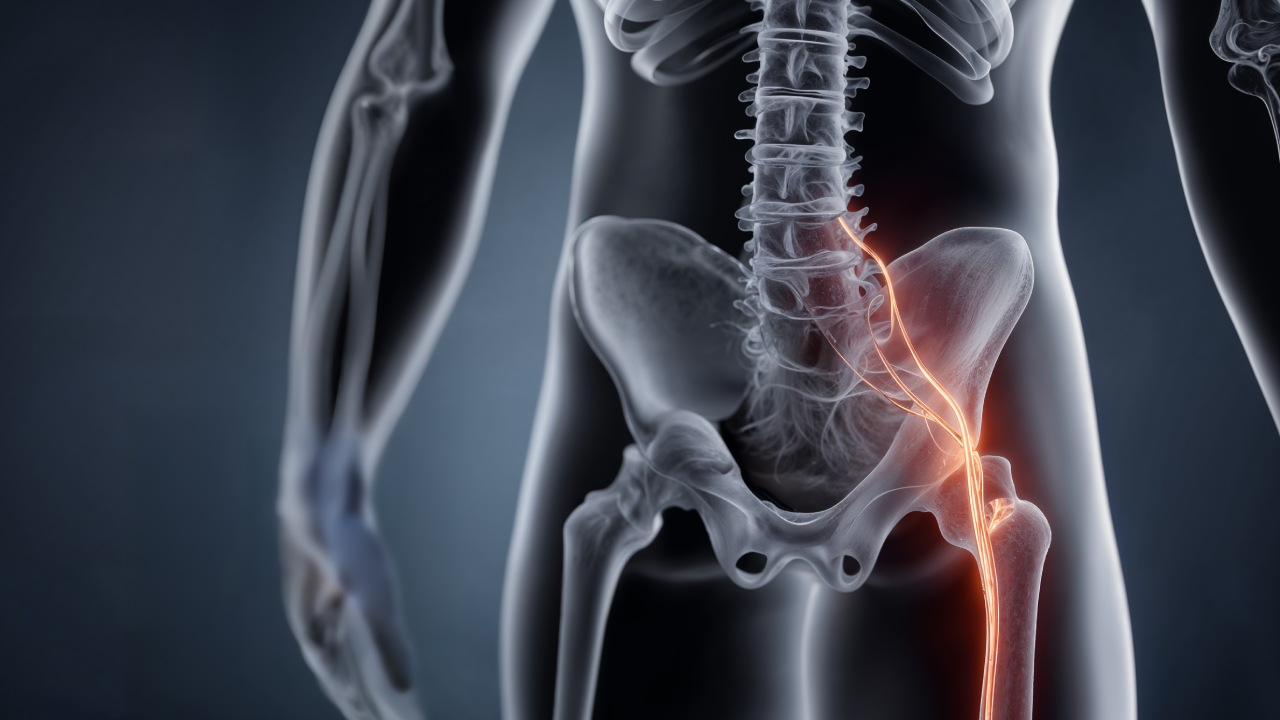
Sustained sitting causes the deep gluteal muscles and external rotators of the hip to stiffen, which can compress the sciatic nerve and create a tight band of tension across the top of your pelvis.
- How to do it: While sitting in your chair, cross your right ankle over your left knee, creating a “4” shape with your legs. Sit up as tall as possible. Instead of slouching forward, hinge forward from your hips while keeping your chest lifted until you feel a deep stretch in your right glute.
- The Routine: Hold for 30 seconds, breathe deeply into your abdomen, and switch sides. This opens up the posterior hip joints, giving your lower back more room to move naturally when you stand.
Habit 5: Change Your Sitting Setup
If your workstation forces you into a poor position, your body will default to it every time. You don’t need a thousand-dollar setup to improve your workspace; minor adjustments make a massive difference.
| Ergonomic Component | Common Mistake | Correct Adjustment |
| Seat Height | Chair too high, causing feet to dangle and pulling the pelvis forward. | Adjust so feet rest flat on the floor with knees at a 90-degree angle. |
| Lumbar Support | Missing entirely, allowing the lower back to curve into a C-shape. | Roll up a small towel and place it horizontally behind the small of your back. |
| Monitor Height | Screen too low, pulling the head down and rounding the entire spine. | Raise the monitor so the top third of the screen sits at eye level. |
| Keyboard Proximity | Reaching too far forward, pulling the shoulder blades and upper back out of alignment. | Pull the keyboard close so your elbows rest at your sides at roughly 90 degrees. |
Consistency Trumps Intensity
The secret to a pain-free work week is consistency. Spending 10 seconds performing a quick stretch three times every morning is far more effective at preventing spinal stiffness than doing an intense, hour-long stretching session on Sunday night.
By introducing these movement snacks into your morning routine, you disrupt the static loads on your spine, maintain tissue elasticity, and ensure that when the lunch hour arrives, you can step away from your desk easily and comfortably.