Spinal Adjustments in Calgary
Spinal adjustments are commonly used to improve joint movement, reduce stiffness, and support the body’s natural mechanics. At PhysioNation in Calgary, spinal adjustments are incorporated into care plans for individuals with back pain, neck pain, joint restrictions, neck-related headaches, and other conditions affecting the spine. Every assessment begins with a detailed evaluation to determine whether this treatment is appropriate based on your symptoms, movement patterns, and health history.
Rather than focusing only on the area where discomfort is felt, our team examines how the spine, muscles, joints, and nervous system work together. This allows treatment to address movement restrictions that may be contributing to ongoing symptoms or reduced function.
What Are Spinal Adjustments?
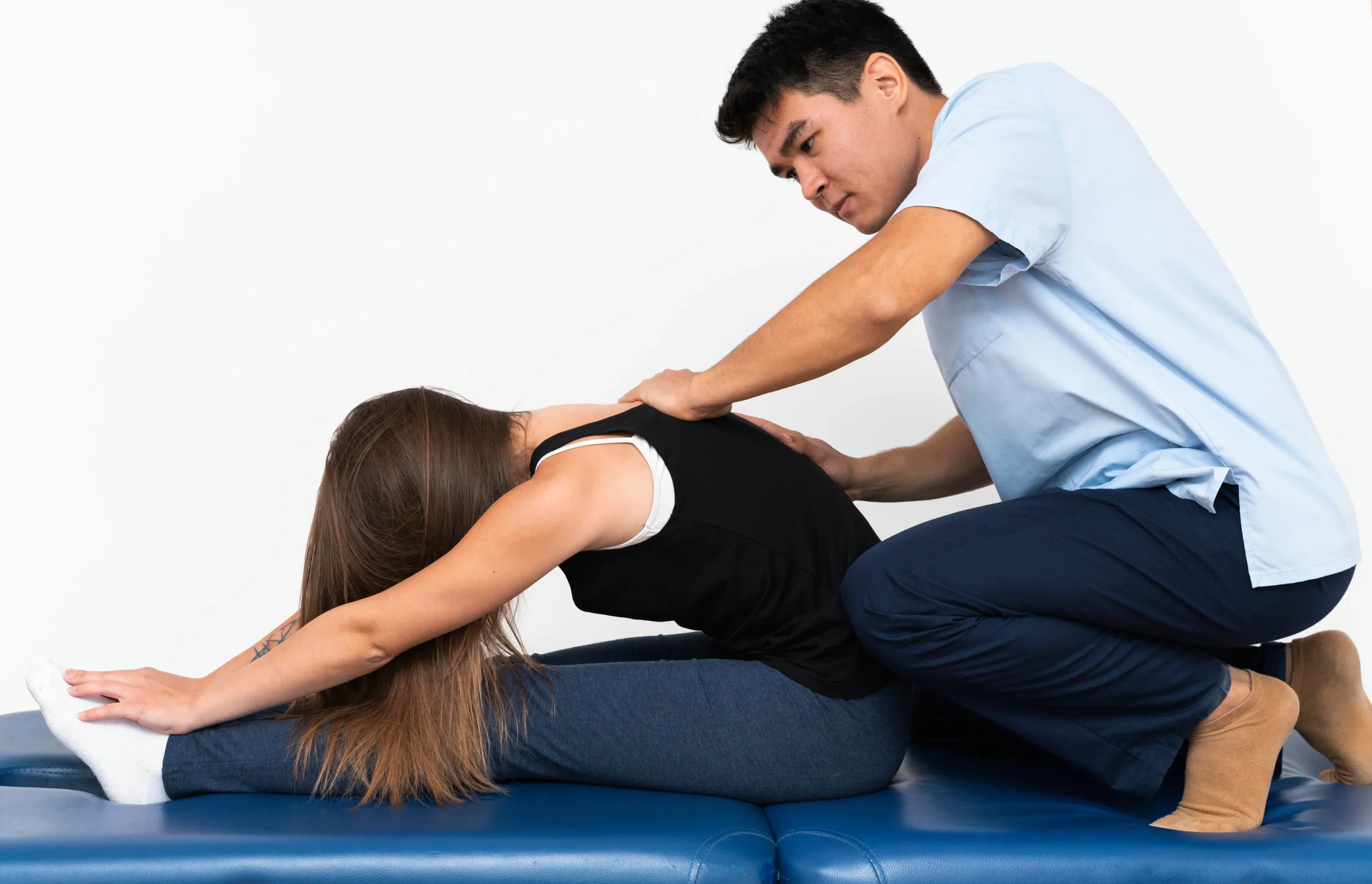
A spinal adjustment is a manual technique that applies a controlled force to a restricted spinal joint. The purpose is to improve joint mobility, restore normal movement, and reduce mechanical stress on surrounding tissues.
Restricted spinal joints can develop after repetitive movements, prolonged sitting, sports activities, workplace demands, or injuries such as strains and sprains. Limited joint motion may affect posture, flexibility, and the way muscles work together during everyday activities.
Spinal adjustments are often combined with therapeutic exercise, soft tissue therapy, mobility training, posture correction, and education to support movement and function.
This treatment may be recommended for conditions involving the cervical, thoracic, or lumbar spine when a clinical assessment indicates that joint restriction is contributing to symptoms.


Who May Benefit From Spinal Adjustments?
Spinal adjustments may be suitable for individuals experiencing a variety of musculoskeletal concerns, including:
- Acute or persistent back pain
- Neck pain and stiffness
- Reduced spinal mobility
- Mechanical headaches originating from the neck
- Muscle tightness affecting posture
- Sports-related spinal injuries
- Workplace or repetitive strain injuries
- Joint restrictions after minor accidents
- Limited movement following periods of inactivity
- General spinal stiffness affecting daily activities
Each person receives an assessment before treatment begins to determine whether spinal adjustments are appropriate for their condition and goals.
Conditions Commonly Treated
Spinal adjustments may form part of a broader treatment plan for several spinal and joint-related conditions.
Back Pain
Mechanical back pain is one of the most common reasons people seek care. Joint stiffness, muscle imbalance, repetitive lifting, prolonged sitting, or poor movement mechanics may contribute to symptoms. Improving spinal mobility may reduce stress placed on surrounding muscles and joints.
Neck Pain
Neck discomfort may develop from computer work, driving, poor posture, muscle tension, or repetitive activities. Restoring movement within restricted cervical joints can help improve neck mobility and reduce stiffness.
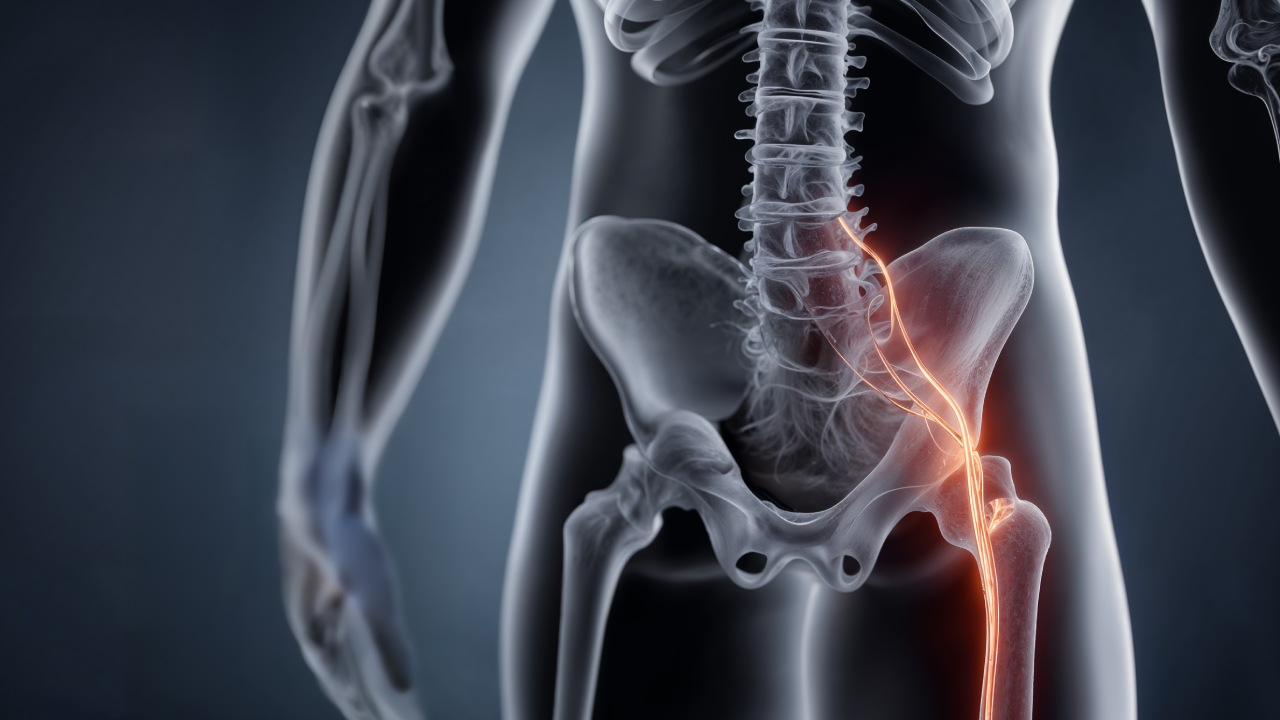
Sciatica
Some individuals with sciatica develop lower back movement restrictions that contribute to altered movement patterns. When appropriate, spinal adjustments may be included alongside mobility exercises and strengthening.
Headaches Associated With Neck Dysfunction
Certain headaches are linked to restricted movement within the upper cervical spine. Restoring normal joint motion may reduce mechanical irritation contributing to these symptoms.
Mid-Back Stiffness
Limited movement through the thoracic spine may affect posture, shoulder mobility, and breathing mechanics. Improving joint movement in this region can support more comfortable daily movement.
Sports Injuries
Athletes often place repeated demands on the spine through training and competition. Spinal adjustments may be incorporated alongside rehabilitation exercises to restore movement following minor joint restrictions.
Problems Spinal Adjustments Can Address
Individuals often seek spinal adjustments when they experience:
- Reduced flexibility
- Difficulty turning the neck
- Stiffness after sitting for extended periods
- Limited spinal movement
- Recurrent mechanical back discomfort
- Joint restrictions following physical activity
- Reduced mobility affecting work or recreation
- Postural strain from desk-based occupations
- Muscle tightness associated with restricted joints
- Reduced comfort during daily movement
Treatment recommendations depend on clinical findings rather than symptoms alone.
What Your Treatment May Include
Your care plan may combine spinal adjustments with other physiotherapy techniques to address multiple contributing factors.
Comprehensive Assessment
A physiotherapist evaluates posture, joint mobility, muscle function, flexibility, strength, and movement quality before beginning treatment.
Spinal Adjustments
Controlled manual techniques are used to restore movement in restricted spinal joints when clinically appropriate.
Soft Tissue Therapy
Manual techniques may be used to reduce muscle tension surrounding affected joints.
Mobility Exercises
Stretching and movement drills help maintain improvements achieved during treatment sessions.
Strengthening Programs
Targeted exercises support spinal stability and encourage efficient movement.
Posture and Ergonomic Advice
Recommendations for workstations, lifting techniques, and daily habits may reduce repeated strain on the spine.
How the Process Works
Initial Consultation
Your symptoms, medical history, activity level, and goals are reviewed.
Physical Assessment
Joint mobility, muscle function, posture, flexibility, and movement patterns are assessed.
Treatment Planning
A care plan is developed based on examination findings and individual needs.
Treatment Sessions
Spinal adjustments may be combined with exercise therapy, manual therapy, and movement retraining.
Progress Reviews
Movement, mobility, and function are reassessed regularly, with treatment updated as needed.
Home Exercise Program
Simple exercises and movement strategies help maintain progress between appointments.
Benefits of Spinal Adjustments
When appropriate, spinal adjustments may help:
- Improve spinal mobility
- Increase joint movement
- Reduce stiffness
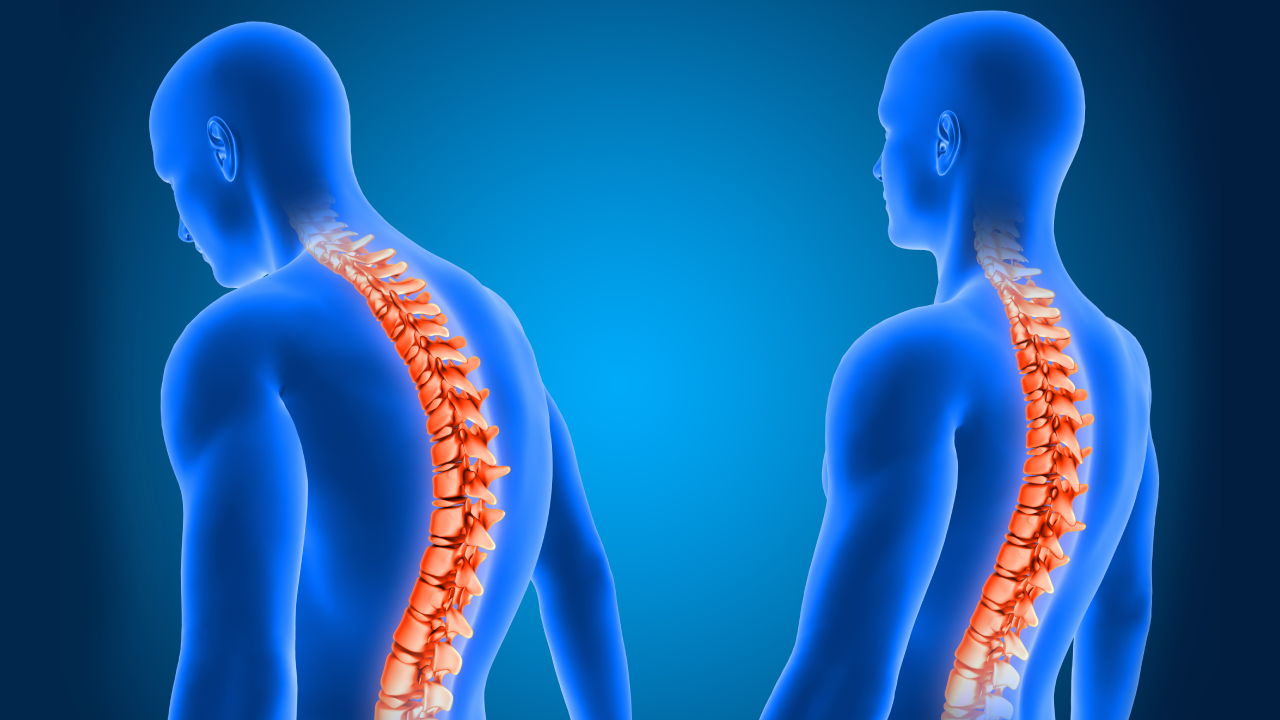
- Support healthy posture
- Improve flexibility
- Enhance movement efficiency
- Support physical activity participation
- Improve comfort during daily tasks.
- Complement exercise-based rehabilitation
- Support overall musculoskeletal function.
Results vary depending on the condition, overall health, and participation in the recommended treatment program.
Who We Serve
PhysioNation provides spinal adjustment services for:
- Office professionals
- Tradespeople
- Athletes
- Active adults
- Older adults
- Students
- Individuals recovering from workplace injuries
- People involved in motor vehicle accidents
- Individuals with repetitive strain conditions
Frequently Asked Questions
Are spinal adjustments safe?
Following a thorough assessment, spinal adjustments are considered appropriate for many musculoskeletal conditions when performed by qualified healthcare professionals.
Will I hear a popping sound?
Some adjustments produce a clicking or popping sound as gas is released within the joint. This is normal and is not required for treatment to be effective.
How many sessions will I need?
The number of visits depends on your condition, how long symptoms have been present, your activity level, and your treatment goals.
Are spinal adjustments painful?
Most individuals tolerate treatment well. Some people may notice mild soreness similar to what is felt after exercise.
Will I receive exercises as well?
Yes. Exercise therapy is commonly included to improve movement, strength, and spinal stability.
Service Areas
PhysioNation provides spinal adjustment services for individuals throughout Calgary. Whether your symptoms developed from work, sport, daily activities, or an injury, our team works to identify the underlying movement restrictions contributing to your condition.
Why Choose PhysioNation?
Our physiotherapists combine detailed movement assessments with evidence-informed treatment methods. Rather than relying on a single technique, spinal adjustments are integrated with exercise therapy, manual therapy, mobility training, and education to support functional movement and everyday activity.
Related Services
- Physiotherapy
- Manual Therapy
- Sports Injury Rehabilitation
- Neck Pain Treatment
- Back Pain Treatment
- Posture Assessment
- Exercise Rehabilitation
- Dry Needling
- Massage Therapy
Get Started
If spinal stiffness, reduced mobility, neck pain, or back pain is affecting your daily routine, contact PhysioNation to schedule an assessment.
Address: CO-OP PLAZA HAMPTONS, 1000 Hamptons Dr NW #622, Calgary, AB T3A 6A7, Canada
Phone: +1 403-475-8816
We’ll evaluate your movement, identify contributing factors, and determine whether spinal adjustments should be part of your treatment plan.