Disc Prolapse Treatment in Calgary
A disc prolapse can make everyday activities difficult, from getting out of bed to sitting at work or enjoying time with family. At PhysioNation, we assess the source of your symptoms and create a structured physiotherapy plan to improve movement, reduce irritation around the affected disc, and help you return to daily activities with greater confidence. If you are looking for physiotherapy for disc prolapse in Calgary, our team provides one-to-one care tailored to your condition and recovery goals.
What Is a Disc Prolapse?
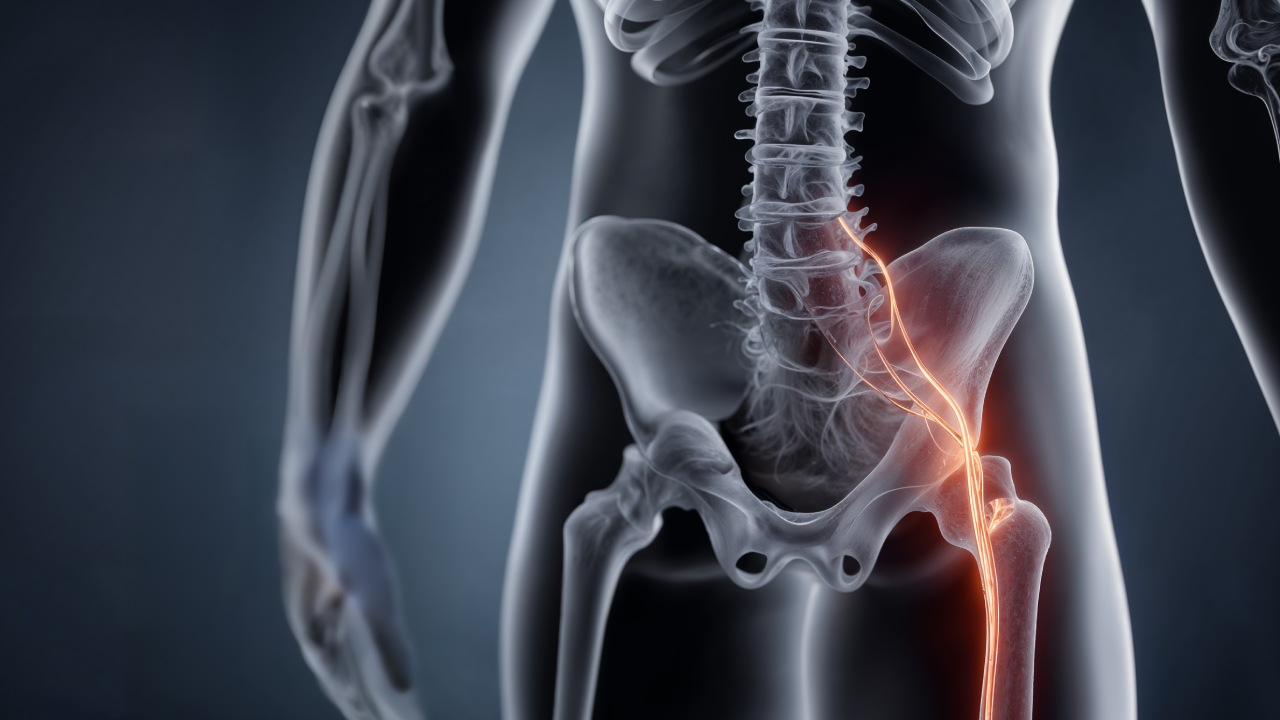
A disc prolapse, often called a slipped disc or herniated disc, occurs when the soft inner portion of a spinal disc pushes through its tougher outer layer. This may place pressure on nearby nerves, leading to pain, numbness, tingling, or muscle weakness.
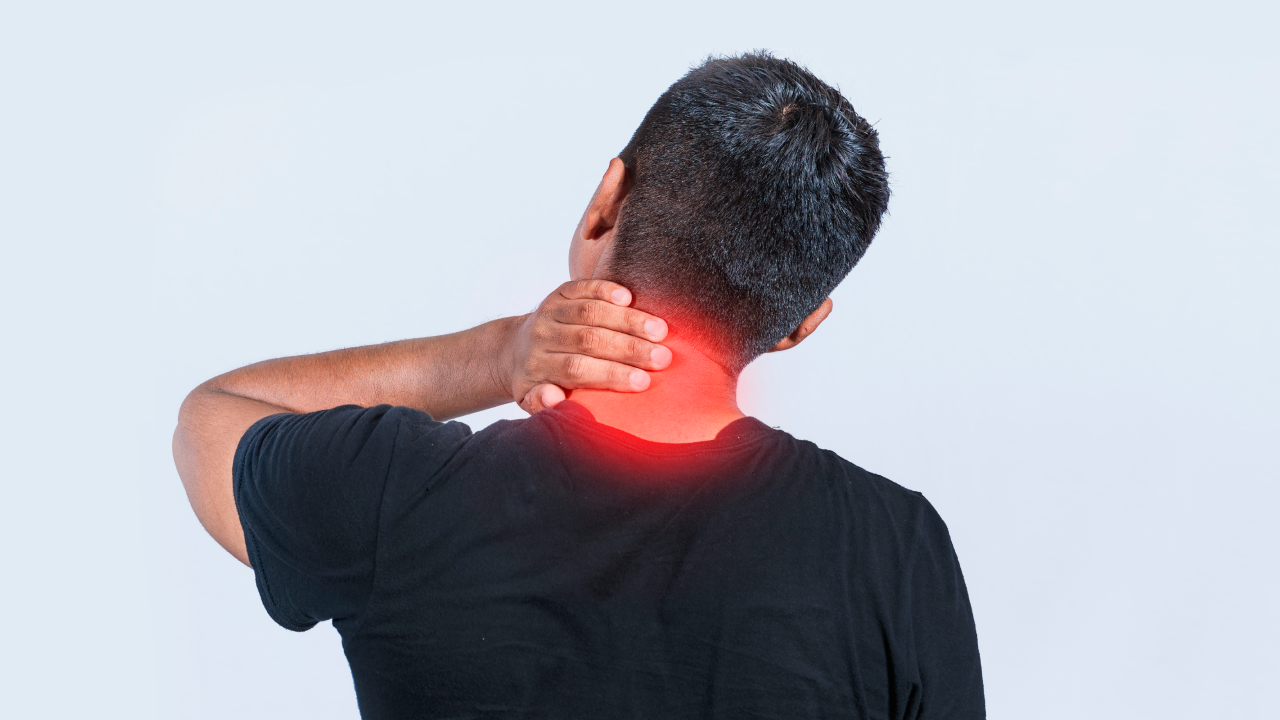
The condition most commonly affects the lower back (lumbar spine), although it can also occur in the neck (cervical spine). Symptoms vary depending on the location and severity of the prolapse. Some people notice only back pain, while others develop pain that radiates into the arms or legs due to nerve irritation.
Disc prolapse can develop after a lifting injury, repeated strain, poor movement habits, age-related disc changes, or prolonged sitting. A detailed physiotherapy assessment helps identify the structures involved and guides the next steps in your recovery.


Who Can Benefit from Disc Prolapse Physiotherapy?
Physiotherapy may be appropriate for people who are experiencing symptoms caused by a disc prolapse, including:
- Adults with recent or ongoing back pain.
- Office workers who spend many hours sitting.
- Individuals whose pain travels into the leg or arm.
- People recovering after a lifting injury.
- Active individuals wanting to return to sports or exercise.
- Workers performing repetitive bending or lifting.
- Seniors looking to maintain mobility.
- Individuals hoping to reduce recurring episodes of back pain.
Whether your symptoms began suddenly or developed gradually, physiotherapy can help identify the factors contributing to your condition.
Problems Disc Prolapse Physiotherapy Addresses
A disc prolapse can interfere with many aspects of everyday life. Physiotherapy aims to address issues such as:
- Lower back or neck pain.
- Pain radiating into the arms or legs.
- Tingling or numbness.
- Muscle weakness.
- Difficulty bending or lifting.
- Pain when sitting for extended periods.
- Reduced flexibility.
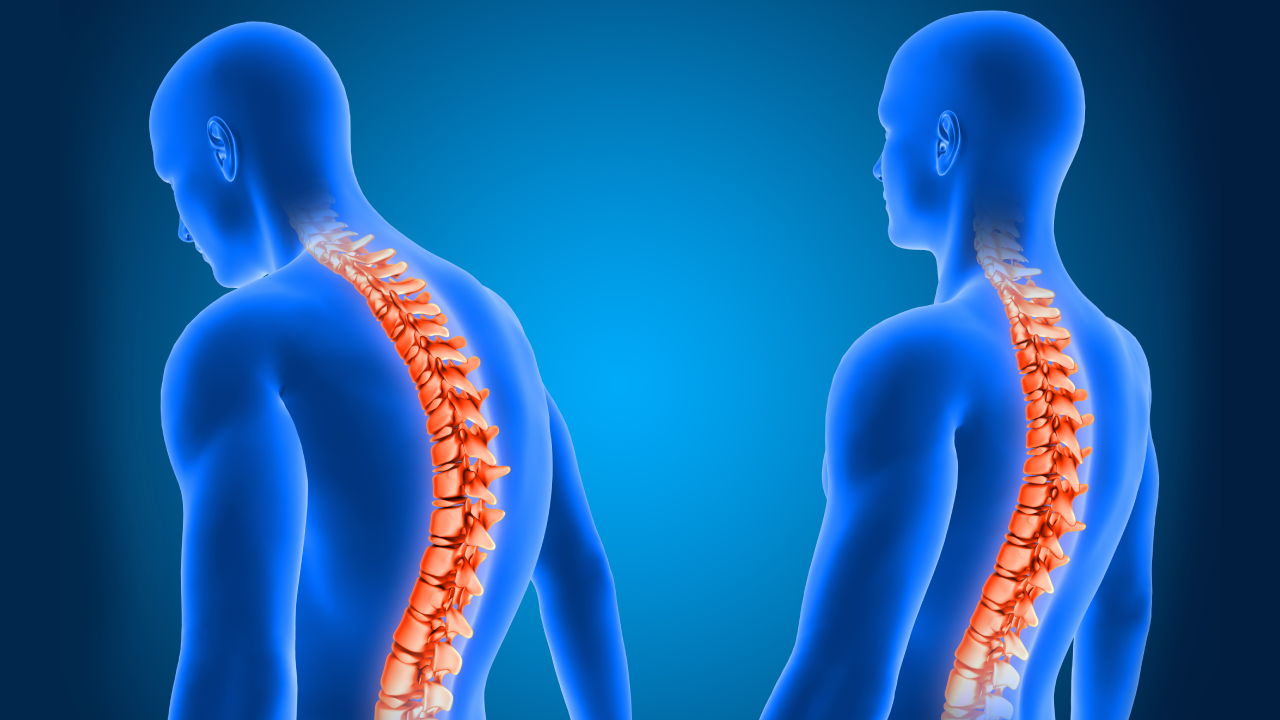
- Poor posture.
- Limited spinal movement.
- Difficulty returning to work or physical activity.
- Recurring episodes of back discomfort.
Identifying the cause of these symptoms allows treatment to focus on improving function rather than simply managing discomfort.
Disc Prolapse Assessment and Treatment
Comprehensive Assessment
Your first appointment includes a detailed discussion about your symptoms, medical history, daily activities, and when your pain began. Your physiotherapist will assess spinal movement, muscle strength, flexibility, posture, walking pattern, and nerve function to determine how the disc prolapse is affecting your body.
Individual Exercise Program
Movement plays an important role in recovering from many disc-related conditions. Your exercise program may focus on improving spinal mobility, increasing strength, building stability, and restoring normal movement patterns.
Manual Therapy
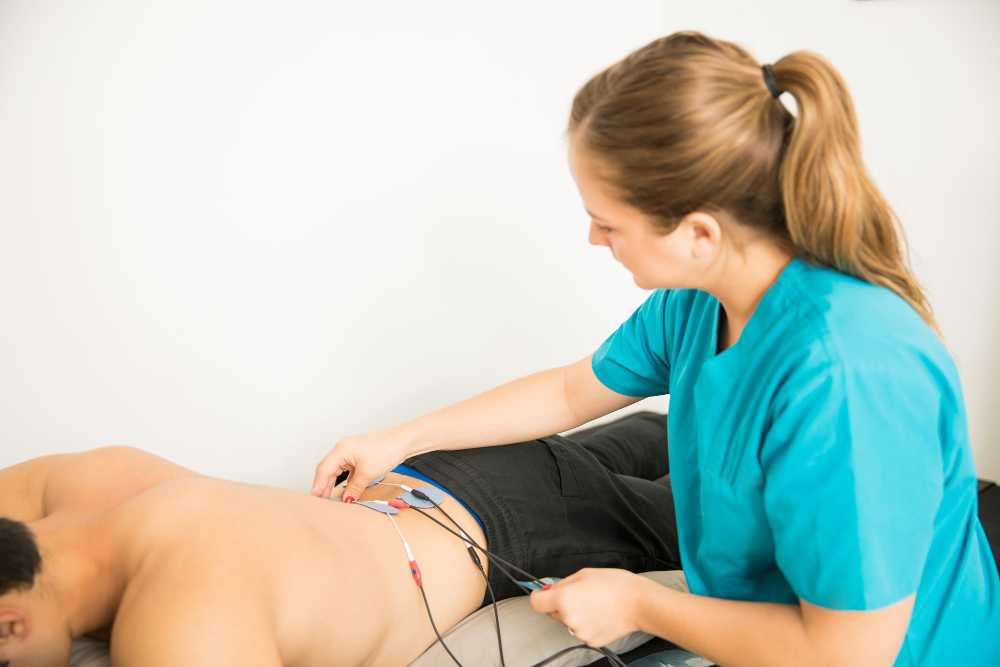
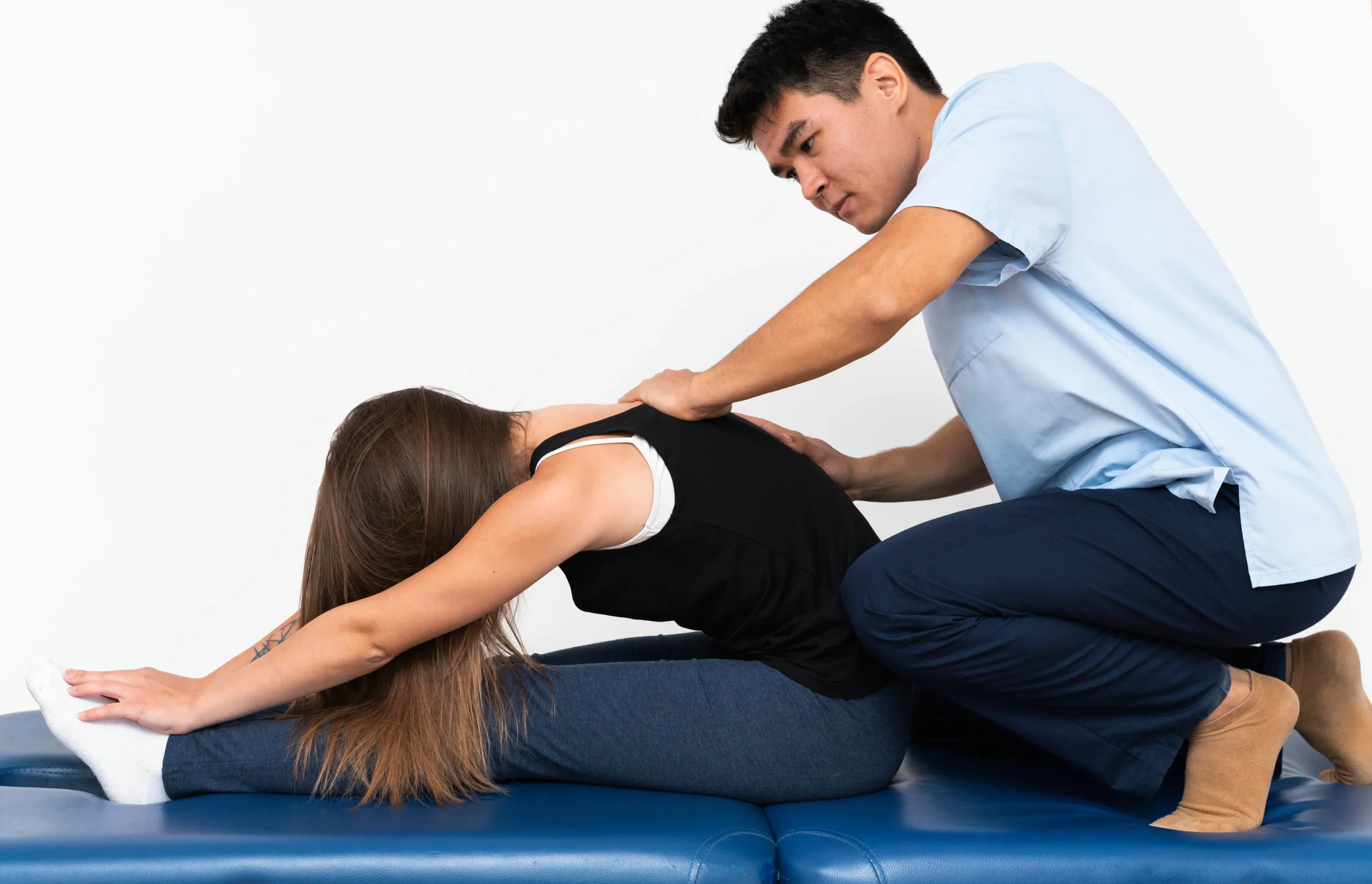
Hands-on treatment may be used to improve joint mobility, reduce muscle tension, and improve movement in areas surrounding the affected disc when appropriate for your condition.
Posture and Movement Education
Many daily habits can strain the spine. Your physiotherapist will explain practical ways to sit, stand, lift, and move that may reduce unnecessary strain during work and everyday activities.
Progressive Functional Training
As your symptoms improve, treatment progresses toward movements that reflect your daily routine, occupation, hobbies, or sporting activities to help prepare you for returning to normal function.
Ongoing Progress Reviews
Regular reassessments allow your physiotherapist to monitor changes in mobility, strength, and function while adjusting your treatment plan as your recovery progresses.
How the Treatment Process Works
Step 1 – Initial Consultation
We discuss your symptoms, lifestyle, prior injuries, and goals during a physical examination.
Step 2 – Clinical Assessment
Your physiotherapist evaluates spinal movement, nerve involvement, strength, flexibility, posture, and functional limitations.
Step 3 – Treatment Planning
Based on the findings, we develop a physiotherapy plan that matches your current presentation and activity level.
Step 4 – Active Rehabilitation
Treatment may include manual therapy, guided exercises, mobility work, education, and gradual strengthening.
Step 5 – Progress Monitoring
Your progress is reviewed throughout care, allowing exercises and treatment approaches to change as your condition improves.
Step 6 – Return to Everyday Activities
The final stage focuses on helping you move comfortably during work, recreation, exercise, and daily tasks while reducing the likelihood of future flare-ups.
Benefits of Disc Prolapse Physiotherapy
Physiotherapy can support people with disc prolapse by helping them:
- Improve spinal mobility.
- Increase flexibility.
- Build core and back strength.
- Improve posture and body mechanics.
- Move with greater confidence.
- Return to work and daily activities.
- Increase tolerance for sitting, standing, and walking.
- Improve overall function.
- Reduce recurring episodes of back problems.
- Support an active lifestyle.
Each person’s recovery timeline varies depending on the severity of the disc prolapse, symptoms, and individual circumstances.
Conditions Commonly Associated with Disc Prolapse
People seeking physiotherapy for disc prolapse may also experience:
- Sciatica
- Neck pain
- Lower back pain
- Nerve compression
- Lumbar disc herniation
- Cervical disc herniation
- Muscle tightness
- Reduced spinal mobility
- Postural dysfunction
- Repetitive strain injuries
During your assessment, your physiotherapist will determine whether these conditions are contributing to your symptoms.
Frequently Asked Questions
What causes a disc prolapse?
Common causes include age-related changes, heavy lifting, repetitive bending, sudden twisting movements, prolonged sitting, or gradual wear affecting the spinal discs.
Can physiotherapy help a disc prolapse?
Many individuals with disc prolapse benefit from physiotherapy that focuses on movement, strengthening, education, and restoring normal function. Your physiotherapist will determine whether physiotherapy is appropriate for your condition.
How long does recovery take?
Recovery varies from person to person. Factors such as the severity of the prolapse, symptom duration, activity level, and response to treatment all influence recovery time.
Will I need surgery?
Not everyone with a disc prolapse requires surgery. Many cases are managed with conservative care. If your assessment suggests that further medical evaluation is appropriate, your physiotherapist will discuss the next steps.
Can I continue exercising?
Remaining active is often encouraged, although certain activities may need temporary modification. Your physiotherapist will explain which movements are appropriate during each stage of recovery.
Service Area
PhysioNation provides physiotherapy for people throughout Calgary experiencing a wide range of musculoskeletal conditions, including disc prolapse, back pain, neck pain, sports injuries, joint conditions, muscle strains, tendon injuries, and mobility limitations.
Why Choose PhysioNation?
At PhysioNation, your care begins with a detailed assessment to identify the factors contributing to your symptoms rather than focusing only on where you feel pain. Your physiotherapist monitors your progress throughout your visits, updates your exercise program as your condition changes, and works with you toward meaningful improvements in movement and daily function. Our clinic provides one-to-one physiotherapy in Calgary with treatment plans based on clinical findings and your individual goals.
Get Started
If back pain, leg pain, numbness, or reduced mobility is affecting your daily routine, the team at PhysioNation is here to help.
Address: CO-OP PLAZA HAMPTONS, 1000 Hamptons Dr NW #622, Calgary, AB T3A 6A7, Canada
Phone: +1 403-475-8816
Contact our Calgary clinic to schedule your assessment, learn more about your condition, and begin a structured physiotherapy program for disc prolapse.