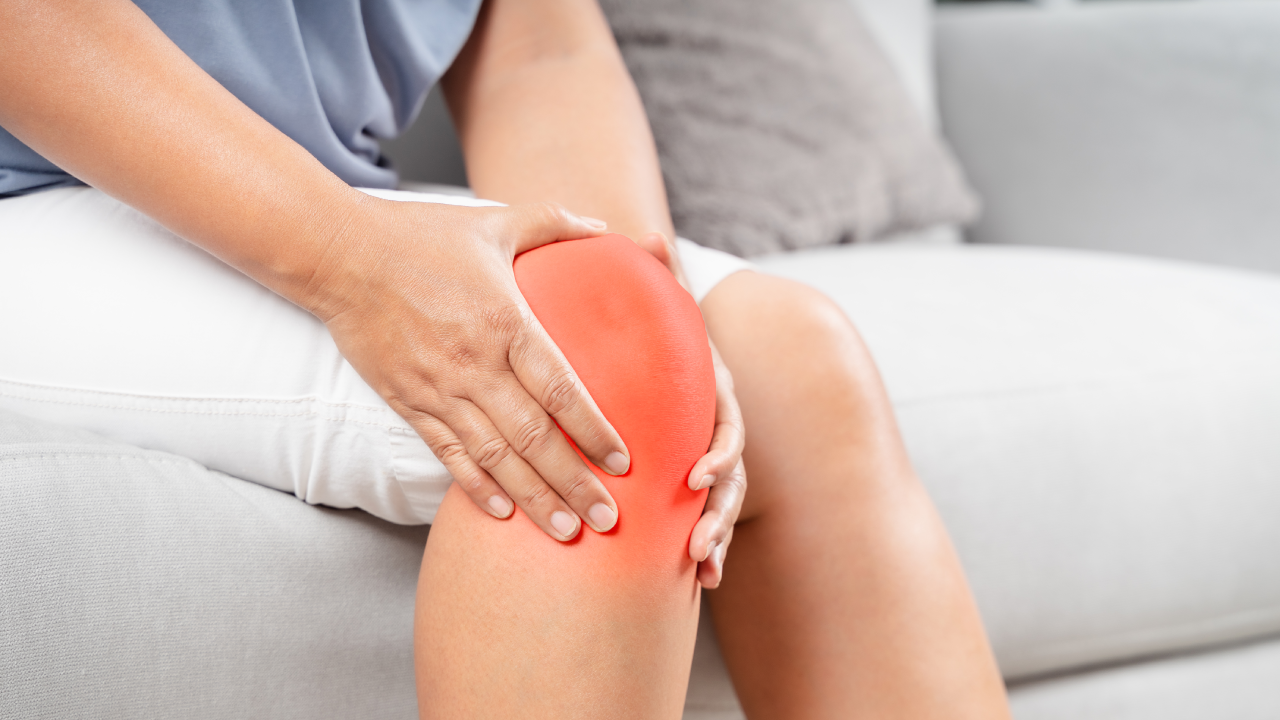
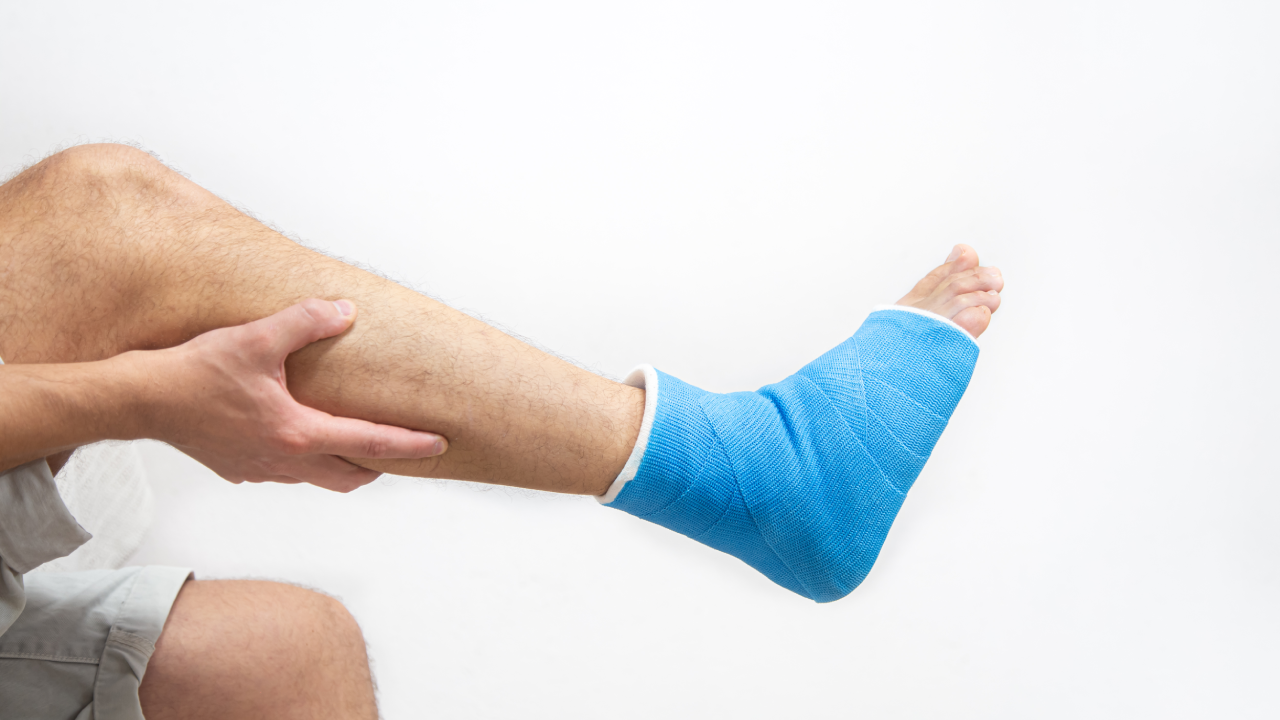
For generations, the standard response to a sudden muscle strain, joint sprain, or lingering ache has been encapsulated in a simple, four-letter acronym: RICE (Rest, Ice, Compression, Elevation). Rolled an ankle on a weekend hike near Kananaskis? Rest it. Pulled a muscle in your shoulder while lifting? Put it in a sling and rest it. It sounds logical—if a structure hurts, stop using it entirely until the pain subsides.
However, modern sports medicine and physical rehabilitation science have shifted away from this passive approach. Peer-reviewed research shows that prolonged, absolute rest can actually delay tissue repair, cause muscle atrophy (wasting away), stiffen healthy joint structures, and create compensatory movement patterns that lead to chronic issues down the road.
If you want to return to your regular routine safely and efficiently, it is time to put absolute rest aside and understand how controlled movement accelerates healing.
The Biological Problem with Absolute Rest
To understand why sitting on the couch is slowing you down, you have to look at how soft tissues—muscles, tendons, ligaments, and fascia—repair themselves. The healing process moves through three continuous phases: inflammation, proliferation, and remodeling.
[Inflammation Phase] ---> [Proliferation Phase] ---> [Remodeling Phase]
(0–72 Hours)              (3 Days – 6 Weeks)         (6 Weeks – 1+ Year)
Protect & clear damage.   Lay down random collagen.  Align fibers via movement.
When you completely immobilize an injured body part during the proliferation and remodeling phases, you rob the tissue of the mechanical stress it requires to heal correctly.
1. The Disorganization of Collagen
During the proliferation phase, your body rushes to repair the tear by laying down collagen fibers. However, it lays them down in a chaotic, random “spaghetti-like” pattern. Without movement, these fibers mature into a stiff, inelastic web of scar tissue. When you eventually try to return to your sport or daily activities, that brittle scar tissue easily tears again because it cannot stretch or handle load.
2. Muscle Atrophy and Deconditioning
Muscles begin to lose strength and volume surprisingly fast. Studies show that noticeable muscle atrophy can begin within 48 to 72 hours of complete non-use. Additionally, the nervous system begins to decrease its neurological drive to an immobilized limb, meaning your brain literally forgets how to fire those muscles efficiently.
3. Reduced Blood Flow and Waste Removal
Tendons and ligaments already suffer from a notoriously poor blood supply compared to muscles. Blood brings oxygen and essential nutrients to the repair site, while the lymphatic system pumps away metabolic waste and swelling. Because the lymphatic system lacks a central pump like the heart, it relies entirely on muscle contractions to move fluid. Immobilization pools swelling around a joint, which chemically irritates nerve endings and increases pain.
Moving from RICE to PEACE & LOVE
In recent years, the British Journal of Sports Medicine introduced a far more comprehensive framework that removes passive “rest” and elevates active recovery. This protocol is divided into immediate care (PEACE) and subsequent management (LOVE).
| Phase | Letter | Action | Clinical Purpose |
| Immediate Care (PEACE) | P | Protect | Restrict movement for the first 24–72 hours to prevent mechanical damage. |
| E | Elevate | Flow fluid away from the injury site by keeping it higher than the heart. | |
| A | Avoid Anti-Inflammatories | Avoid ibuprofen or ice; inflammation is required to initiate tissue repair. | |
| C | Compress | Apply wraps or elastic bandages to limit swelling inside the joint capsule. | |
| E | Educate | Understand your body’s limits; avoid passive modalities that prolong recovery timelines. | |
| Subsequent Care (LOVE) | L | Load | Gradually introduce weight and movement as soon as symptoms allow. |
| O | Optimism | Condition the brain for recovery; fear of movement delays neurological healing. | |
| V | Vascularization | Choose pain-free cardiovascular activity to drive blood flow to the tissue. | |
| E | Exercise | Restore mobility, strength, and proprioception (balance) through active drills. |
The Principle of Optimal Loading: How to Start Moving
Shifting away from rest does not mean you should power through agonizing pain. The secret lies in a concept called optimal loading. This means finding the precise amount of movement and weight that stimulates tissue adaptation without causing further structural damage.
To safely implement optimal loading at home, monitor your discomfort using a standard 0-to-10 pain scale:
- The Safe Zone (0–3): Mild discomfort or a dull awareness. This is completely safe for movement. It indicates that you are putting mechanical stress on the tissue without damaging it.
- The Caution Zone (4–5): Moderate pain. This is acceptable only if the pain does not increase during the activity, stops immediately when you rest, and does not cause a spike in pain or stiffness the next morning.
- The Danger Zone (6–10): Sharp, stabbing, or radiating pain that causes you to limp, alter your posture, or hold your breath. Stop immediately.
If you sustained an ankle sprain, optimal loading might mean performing gentle ankle circles while sitting on a chair during day two, progressing to partial weight-bearing steps with a supportive brace by day four, rather than keeping the foot completely immobilized in a boot for two weeks.
What to Do Instead: Your Immediate Action Plan
If you are dealing with a soft tissue injury, change your recovery strategy using these three foundational steps:
- Maintain Your General Fitness: Just because your left knee is injured does not mean your upper body and right leg cannot work. Keep your cardiovascular system active by using an upper-body ergometer or swimming (once surgical wounds or open skin are clear). Cardiovascular health maintains systemic blood flow, which directly aids localized healing.
- Prioritize Mobility Over Rest: Gently move the injured joint through its pain-free range of motion several times a day. If you pulled a muscle in your lower back, lying flat on your back in bed for three days will cause the surrounding spinal muscles to lock up in a protective spasm. Instead, performing gentle knee-to-chest rocks or cat-cow stretches keeps the joints lubricated and calms the nervous system down.
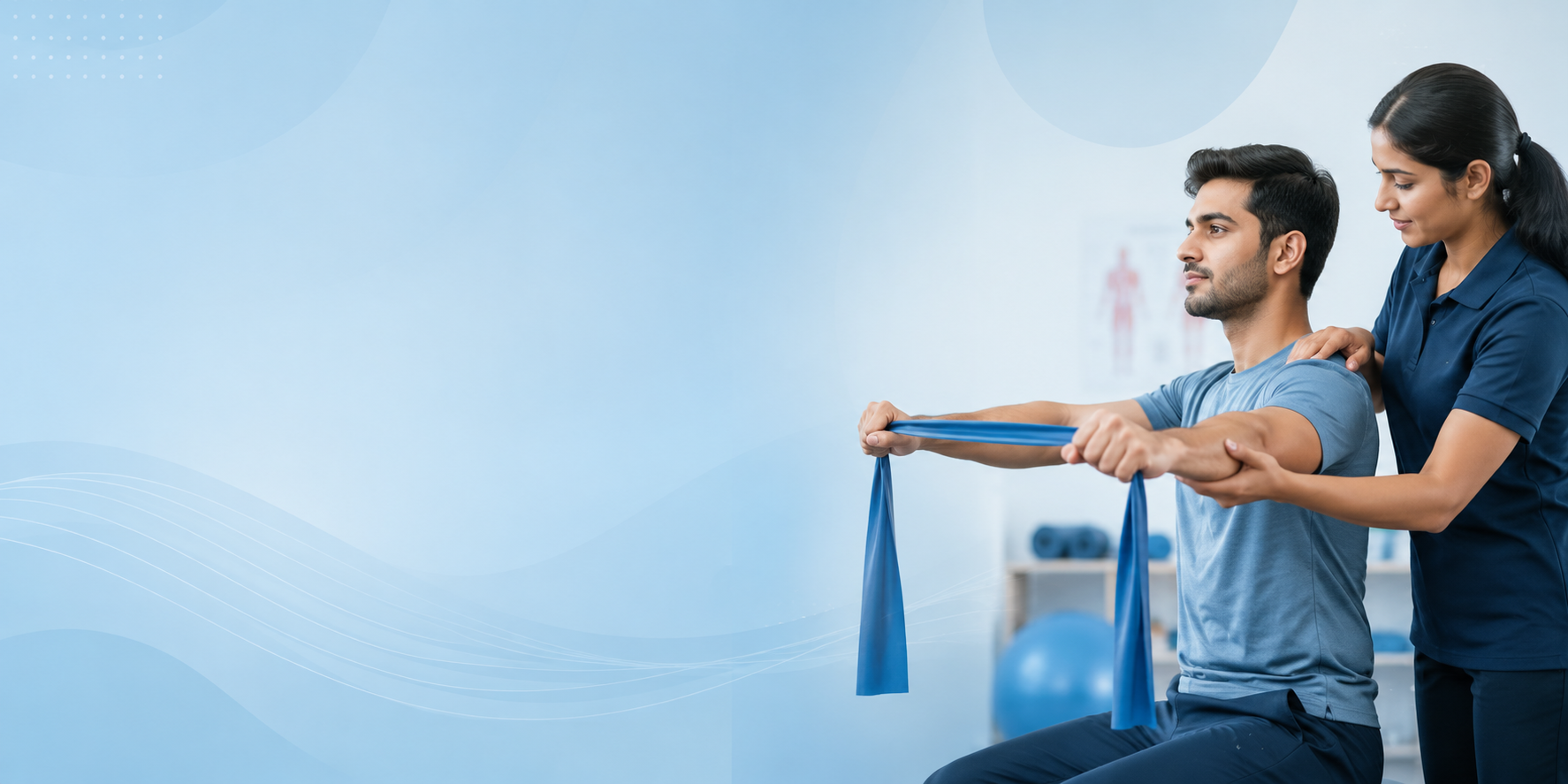
- Consult a Professional Early: A physical therapist can map out your exact loading capacity within days of an injury. Instead of waiting weeks for the pain to disappear, getting an early assessment gives you a clear target to work toward, preventing chronic compensations before they become hardwired habits.