Motor Vehicle Accident Physiotherapy in Calgary
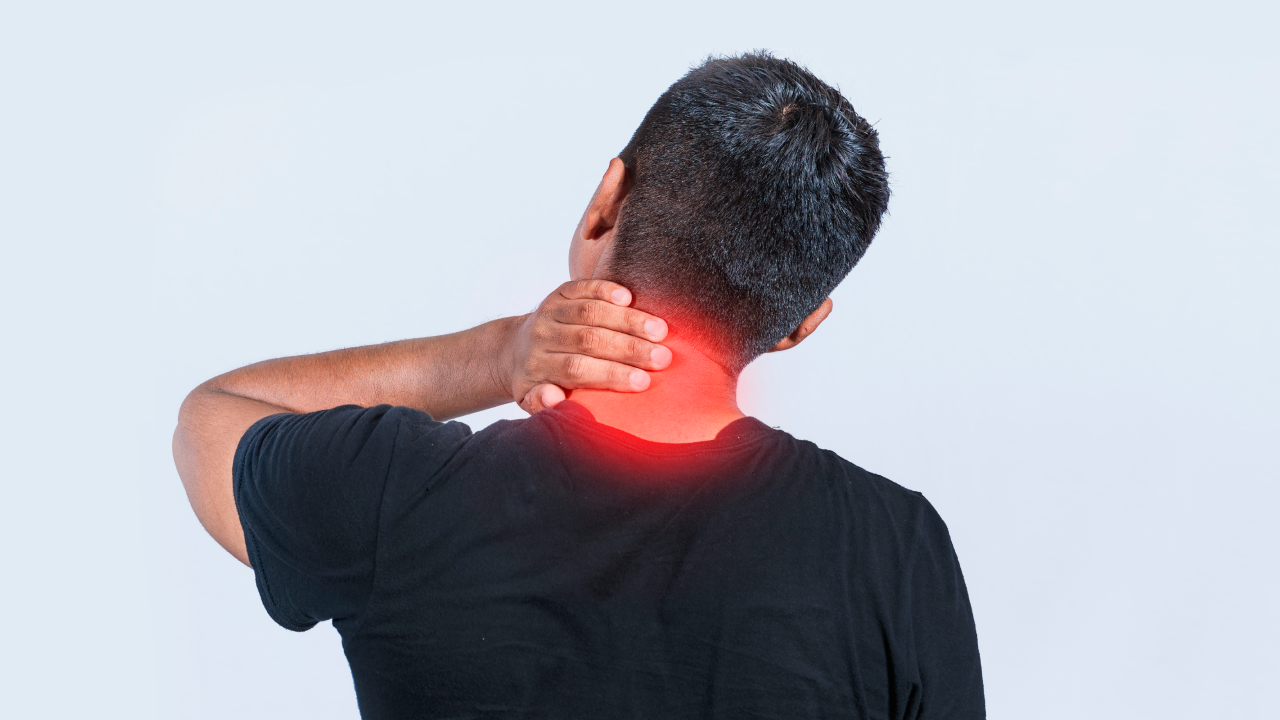
A motor vehicle accident can affect far more than your vehicle. Even a low-speed collision may lead to muscle strain, joint stiffness, headaches, neck discomfort, back pain, reduced mobility, or other physical challenges that interfere with work, recreation, and everyday activities. At PhysioNation, we provide motor vehicle accident physiotherapy in Calgary for individuals recovering from collisions of all types. Our goal is to identify the source of your symptoms, restore normal movement, and help you return to your daily routine with confidence.
Whether your symptoms appeared immediately after the accident or developed over the following days, seeking an assessment early can help address issues before they become more difficult to manage.
What Is Motor Vehicle Accident Physiotherapy?
Motor vehicle accident physiotherapy focuses on evaluating and treating injuries caused by car, truck, motorcycle, rideshare, bicycle, or pedestrian collisions. The physical forces involved in an accident can affect muscles, ligaments, tendons, joints, nerves, and connective tissues throughout the body.
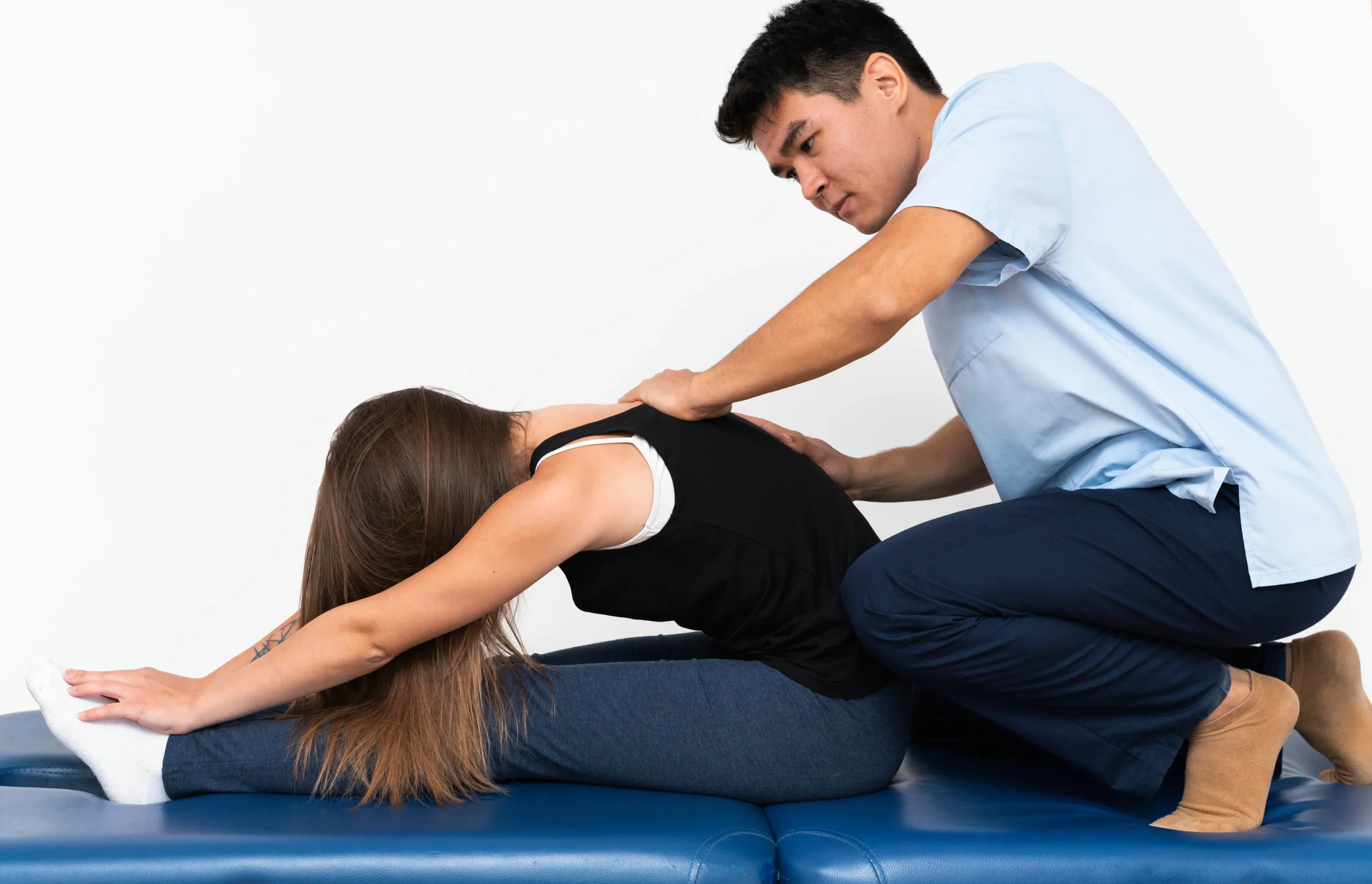
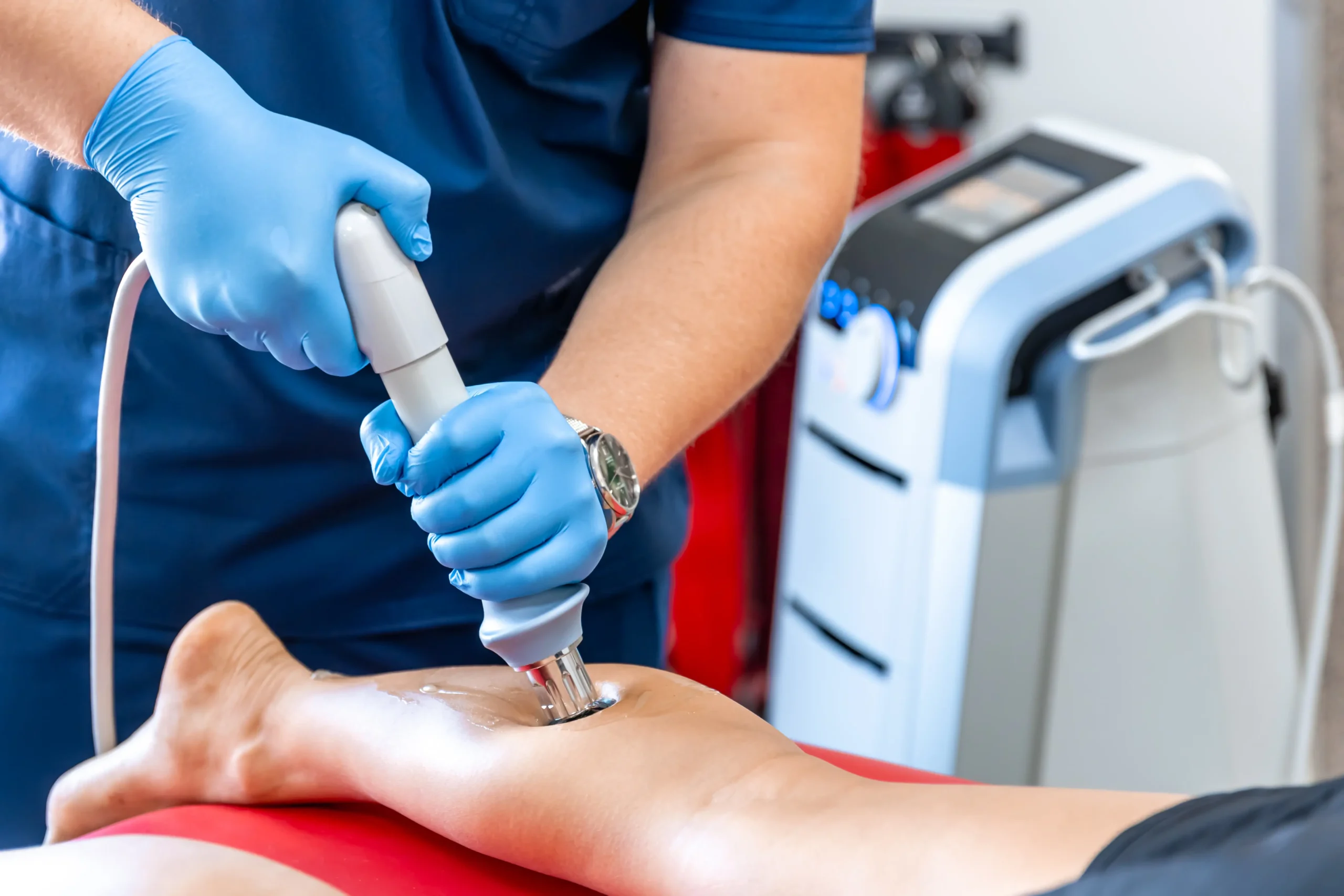
Following a detailed assessment, your physiotherapist develops a treatment plan based on your symptoms, physical findings, daily activities, and recovery goals. Treatment may include manual therapy, guided exercise, mobility training, strength development, posture correction, balance work, and education that supports your recovery.
Many people seek physiotherapy after receiving medical clearance from a physician or emergency department, while others are referred by healthcare providers, insurance representatives, or legal professionals involved in their claim.


Who Can Benefit From Motor Vehicle Accident Physiotherapy?
Motor vehicle accident physiotherapy may be appropriate for:
- Drivers involved in vehicle collisions.
- Passengers of any age.
- Motorcyclists.
- Cyclists struck by vehicles.
- Pedestrians involved in road accidents.
- Individuals with whiplash-related symptoms.
- People dealing with neck or back discomfort after a collision.
- Those recovering from fractures, sprains, or soft tissue injuries.
- Individuals preparing to return to work, sports, or regular daily activities.
Even when pain seems minor at first, symptoms may develop gradually as inflammation increases during the days following an accident.
Problems Motor Vehicle Accident Physiotherapy Can Address
Motor vehicle accidents can lead to many different physical concerns, including:
- Whiplash-associated disorders
- Neck stiffness
- Back discomfort
- Shoulder injuries
- Hip pain
- Knee injuries
- Muscle strains
- Ligament sprains
- Reduced joint mobility
- Headaches related to neck dysfunction
- Balance difficulties
- Muscle weakness
- Scar tissue affecting movement
- Difficulty sitting, standing, walking, or driving
- Reduced ability to perform everyday tasks
Each injury presents differently, making an individual assessment an important first step.
What’s Included in Your Treatment Plan?
Detailed Initial Assessment
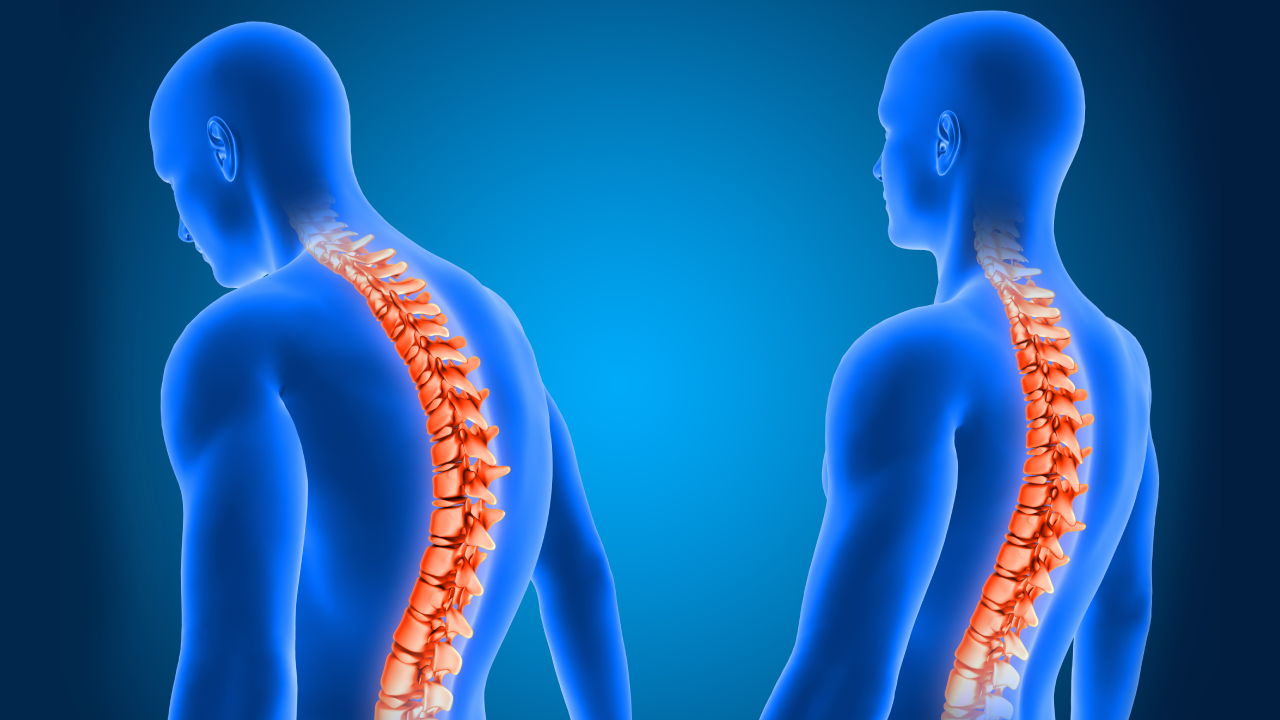
Your physiotherapist reviews the accident, discusses your symptoms, examines movement, strength, flexibility, posture, and joint function, and identifies factors affecting your recovery.
Hands-On Treatment
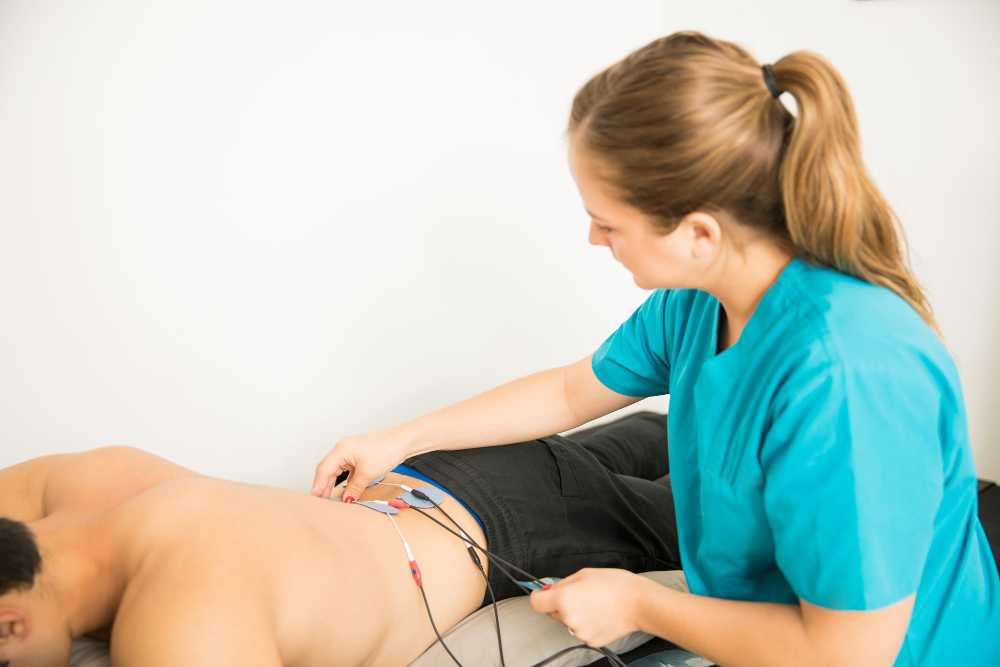
Manual therapy techniques may be used to improve joint mobility, reduce muscle tightness, and restore normal movement patterns, as appropriate.
Exercise-Based Rehabilitation
Guided exercises focus on restoring flexibility, strength, coordination, endurance, and functional movement required for everyday activities.
Movement and Posture Education
Learning safe movement strategies helps reduce unnecessary strain during work, driving, lifting, household activities, and recreation.
Progress Monitoring
Your treatment plan is reviewed regularly to monitor improvements, adjust exercises, and address new concerns as your recovery progresses.
How the Process Works
1. Initial Consultation
Your recovery begins with a one-on-one assessment to understand your injuries, symptoms, accident history, and current limitations.
2. Physical Examination
Your physiotherapist evaluates mobility, muscle function, joint movement, posture, balance, strength, and functional abilities.
3. Individual Treatment Plan
Based on the findings, a structured rehabilitation plan is created to match your condition and recovery goals.
4. Ongoing Treatment Sessions
Treatment combines manual therapy, therapeutic exercise, education, and progressive rehabilitation techniques that support steady improvement.
5. Regular Reassessment
Your progress is monitored throughout your care, allowing your physiotherapist to adjust your treatment plan as needed.
6. Return to Daily Activities
As your movement, strength, and function improve, treatment focuses on preparing you for work, driving, recreation, sports, and normal daily routines.
Benefits of Motor Vehicle Accident Physiotherapy
Physiotherapy following a motor vehicle accident can help you:
- Improve mobility
- Increase joint flexibility
- Build muscle strength
- Restore normal movement patterns.
- Reduce stiffness
- Improve balance and coordination.
- Return to work safely.
- Resume recreational activities
- Improve physical function during daily tasks.
- Support recovery following soft tissue injuries
- Reduce the likelihood of ongoing movement limitations.
Recovery timelines vary depending on the nature of the injuries, overall health, and consistency with treatment.
Frequently Asked Questions
When should I begin physiotherapy after a motor vehicle accident?
Many people benefit from an assessment as soon as they have been medically cleared. Early evaluation allows your physiotherapist to identify physical impairments before they become more limiting.
Do I need physiotherapy if my symptoms started several days after the accident?
Yes. It is common for symptoms such as stiffness, headaches, and muscle discomfort to develop gradually after a collision.
What should I bring to my first appointment?
Bring any medical reports, imaging results if available, insurance information, and a list of your current symptoms.
How many treatment sessions will I need?
The number of visits depends on your injuries, physical findings, recovery goals, and how your body responds throughout rehabilitation.
Can physiotherapy help with whiplash?
Yes. Whiplash is one of the most common injuries following a motor vehicle accident. Physiotherapy commonly focuses on restoring neck movement, strength, flexibility, and function.
Service Areas
PhysioNation proudly provides motor vehicle accident physiotherapy in Calgary for residents across the city and surrounding communities. Whether your collision occurred recently or your symptoms have persisted for several weeks, our team is ready to help you move toward improved function and daily activity.
Why Choose PhysioNation?
At PhysioNation, every treatment plan begins with a detailed assessment and one-on-one care. Our physiotherapists focus on identifying the source of movement limitations instead of treating symptoms alone. We use evidence-informed rehabilitation methods, ongoing reassessments, and functional exercise programs that reflect your daily activities, occupation, and recovery goals. Throughout your care, your progress is monitored closely so your treatment plan continues to match your changing needs.
Related Services
You may also benefit from:
- Physiotherapy
- Manual Therapy
- Vestibular Rehabilitation
- Dry Needling
- Massage Therapy
- Concussion Rehabilitation
- Sports Injury Rehabilitation
- Chronic Pain Management
- Post-Surgical Rehabilitation
Get Started
If you’ve been involved in a motor vehicle accident, don’t ignore symptoms that interfere with movement or daily life. Contact PhysioNation today to schedule your assessment for motor vehicle accident physiotherapy in Calgary.
Address: CO-OP PLAZA HAMPTONS, 1000 Hamptons Dr NW #622, Calgary, AB T3A 6A7, Canada
Phone: +1 403-475-8816
We’ll evaluate your condition, explain your findings, and create a structured rehabilitation plan to help you return to the activities that matter most.