Jaw Pain / TMJ Treatment in Calgary
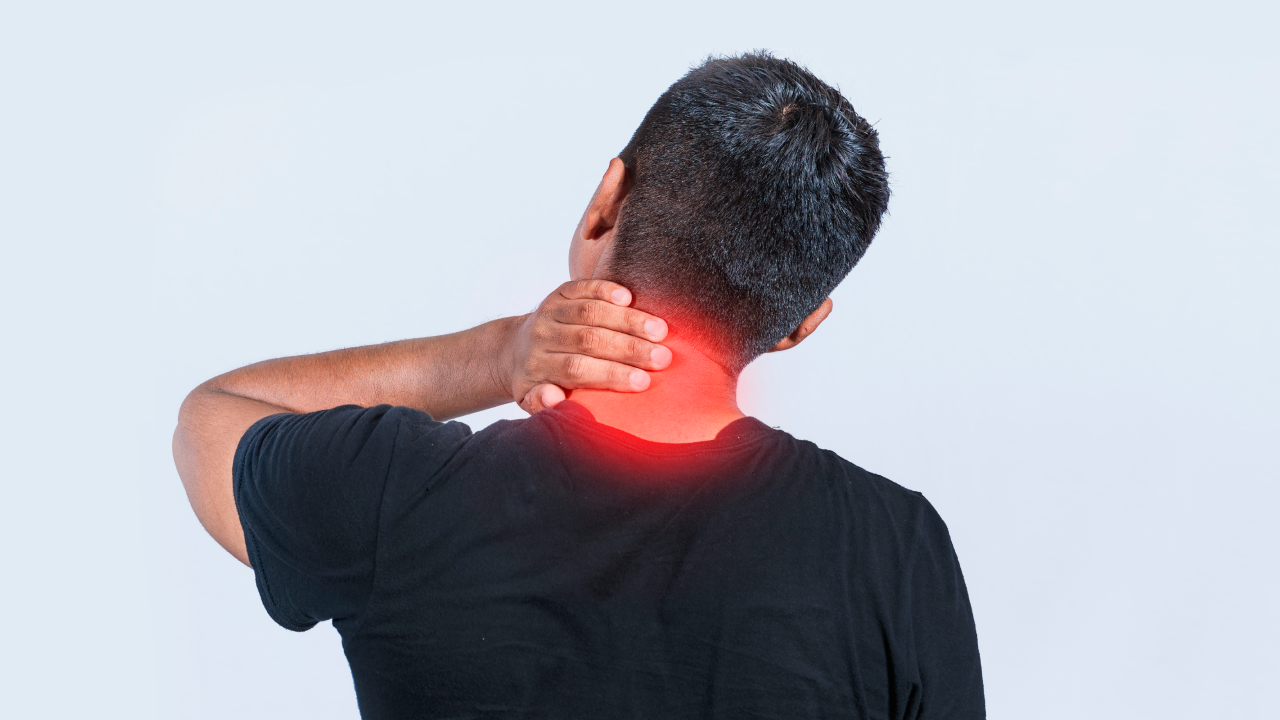
Jaw pain can affect much more than eating. It may make it uncomfortable to speak, yawn, chew, laugh, or even sleep. Some people also notice clicking, popping, headaches, ear discomfort, neck stiffness, or facial tension that continues throughout the day.
At PhysioNation, we assess jaw pain linked to the temporomandibular joint (TMJ) and the muscles that control jaw movement. Our physiotherapists identify the factors contributing to your symptoms and create a plan to improve jaw movement, reduce muscle tension, and help you return to daily activities with greater comfort.
If you are seeking treatment for Jaw pain/TMJ in Calgary, our clinic offers one-on-one physiotherapy for a wide range of jaw conditions.
What Is Jaw Pain/TMJ?
The temporomandibular joint, often called the TMJ, connects your lower jaw to your skull. It allows you to open and close your mouth while speaking, chewing, swallowing, and yawning. Since this joint works constantly throughout the day, even minor movement problems can lead to noticeable discomfort.
Jaw pain may develop gradually or begin after an injury, dental procedure, prolonged clenching, or changes in posture. In many cases, the muscles surrounding the jaw become tight or overworked, making movement uncomfortable.
TMJ-related symptoms may include:
- Pain around the jaw joint
- Clicking or popping sounds
- Difficulty opening the mouth fully
- Jaw locking
- Facial muscle tightness
- Ear discomfort without infection
- Frequent headaches
- Neck stiffness
- Pain while chewing
A detailed physiotherapy assessment helps determine whether the symptoms originate from the jaw joint, surrounding muscles, the neck, or a combination of factors.


Who Can Benefit From Jaw Pain/TMJ Physiotherapy?
Jaw physiotherapy may be appropriate for:
- Adults with persistent jaw discomfort.
- Individuals who grind or clench their teeth.
- People with headaches linked to jaw tension.
- Office workers with prolonged sitting posture.
- Athletes following facial injuries.
- Individuals recovering after dental procedures.
- People with neck stiffness accompanied by jaw pain.
- Anyone noticing clicking, locking, or limited jaw movement.
Many people live with jaw discomfort for months before seeking care, assuming it will resolve on its own. Early assessment may help identify contributing factors before symptoms become more persistent.
Conditions We Treat
PhysioNation assesses and treats many conditions affecting the jaw and surrounding muscles, including:
- Temporomandibular joint dysfunction (TMD)
- Jaw muscle tightness
- Jaw locking
- Clicking or popping jaw joints
- Pain while chewing
- Limited jaw opening
- Bruxism-related muscle tension
- Jaw pain following dental treatment
- Neck-related jaw symptoms
- Facial muscle strain
- Postural jaw dysfunction
- Jaw discomfort following minor trauma
Every assessment focuses on identifying the movement restrictions and muscular factors contributing to your symptoms.
How Physiotherapy Can Help
Your physiotherapist develops a treatment plan based on your assessment findings. Depending on your condition, your care may include:
Detailed Assessment
Your appointment begins with a discussion about your symptoms, daily activities, health history, and when the pain occurs. Your physiotherapist examines jaw movement, muscle function, posture, and neck mobility.
Hands-On Therapy
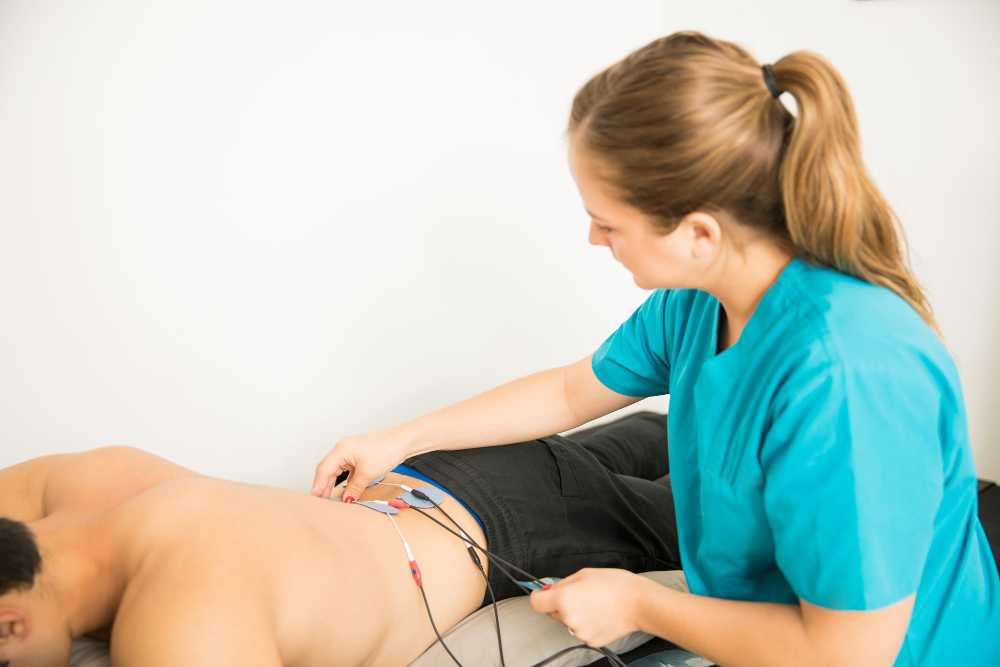
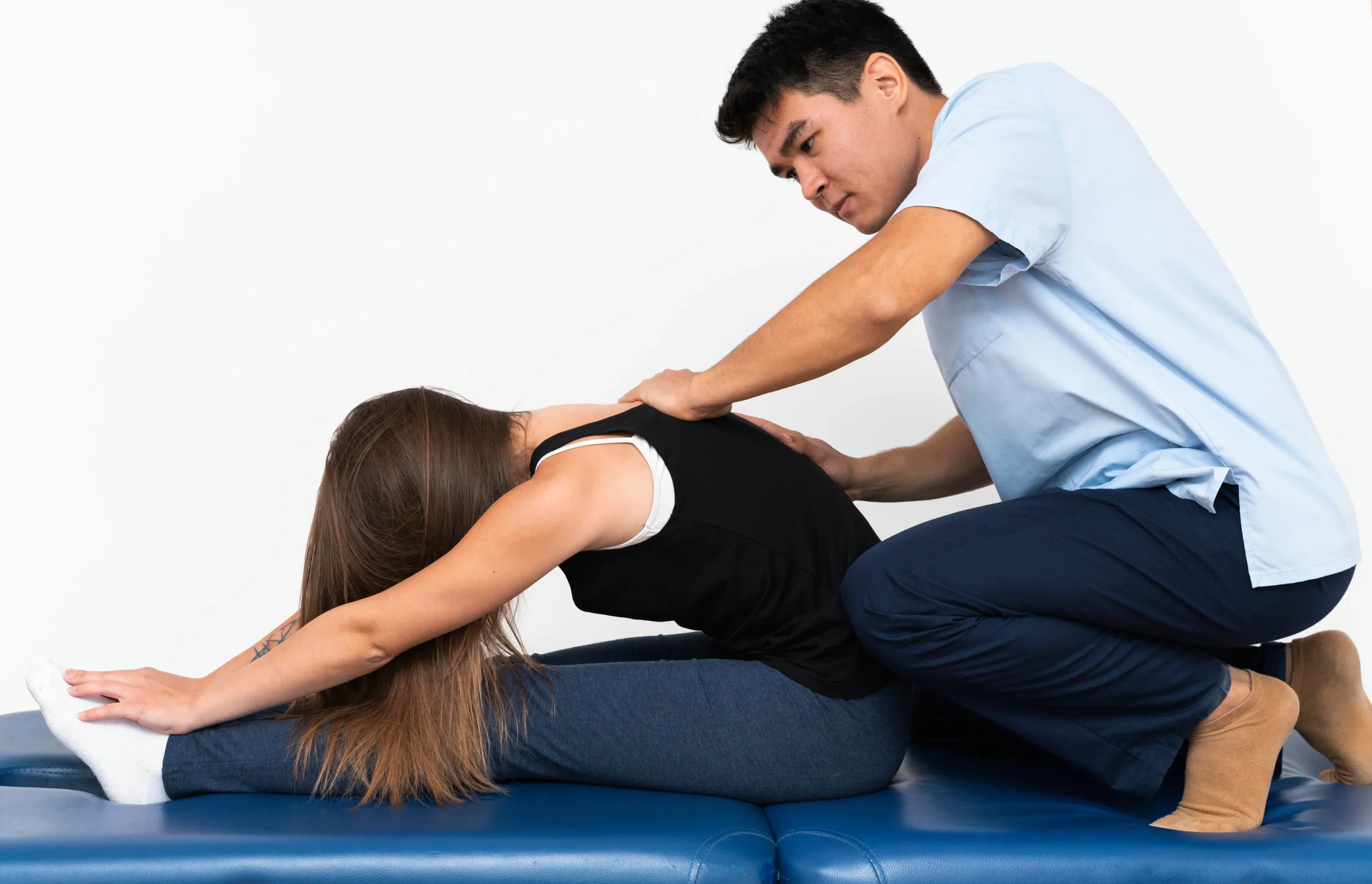
Gentle manual techniques may be used to reduce muscle tension and improve movement around the jaw and neck.
Mobility Exercises
Simple exercises help improve jaw opening, closing, and side-to-side movement while encouraging smoother joint function.
Muscle Strengthening
When appropriate, strengthening exercises help improve muscle control and jaw stability.
Posture Education
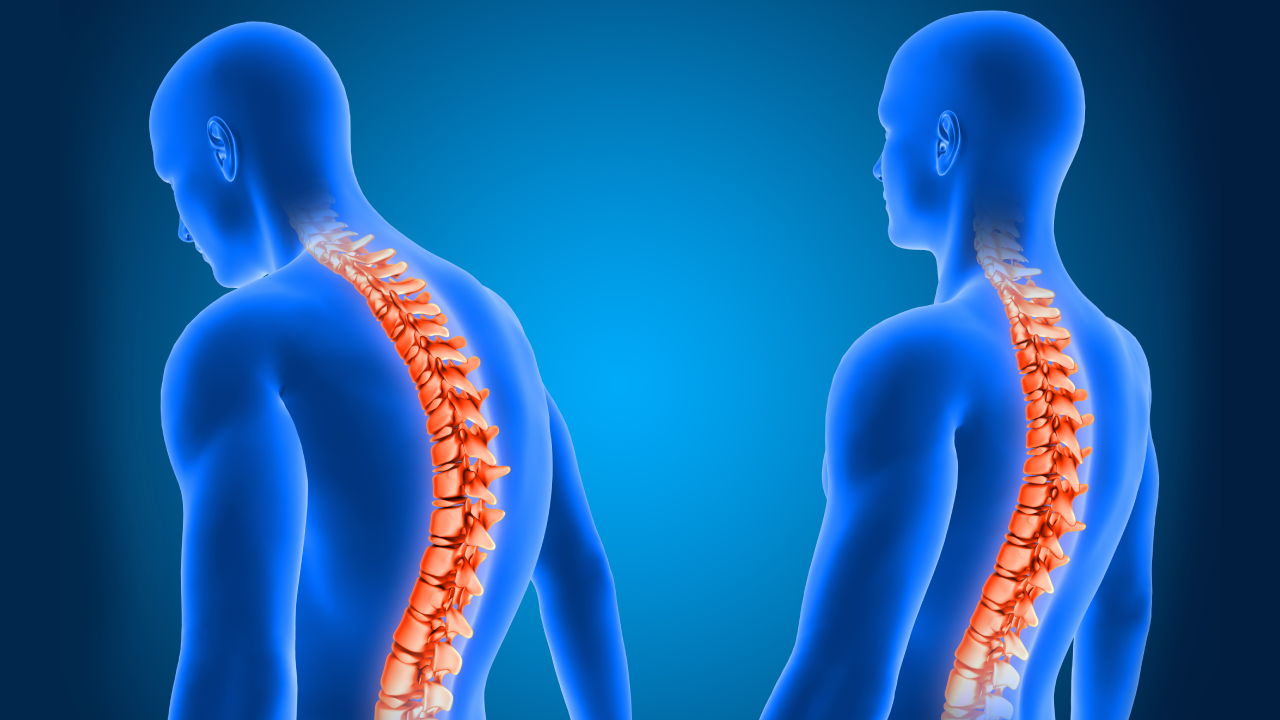
The position of your head and neck can influence jaw function. Your physiotherapist may recommend changes that reduce unnecessary strain during work and daily activities.
Home Exercise Program
You will receive exercises and practical advice that support continued progress between appointments.
Our Treatment Process
1. Initial Consultation
We discuss your symptoms, lifestyle, and health history while identifying activities that increase your discomfort.
2. Physical Assessment
Your physiotherapist evaluates jaw movement, muscle tension, neck mobility, posture, and joint function.
3. Individual Care Plan
Based on the assessment findings, we develop a treatment approach suited to your condition and goals.
4. Active Treatment
Treatment combines manual techniques, movement training, and, where appropriate, exercise progression.
5. Progress Reviews
Your progress is monitored regularly, allowing your physiotherapist to adjust your treatment plan as your condition changes.
Benefits of Physiotherapy for Jaw Pain
Many individuals notice improvements in everyday function after addressing the factors contributing to jaw dysfunction.
Potential outcomes include:
- Increased jaw mobility
- Easier chewing
- Reduced muscle tightness
- Fewer headaches related to jaw tension
- Improved neck mobility
- Greater comfort while speaking
- Improved jaw coordination
- Increased confidence during daily activities
Results vary depending on the condition, its duration, and individual factors.
Frequently Asked Questions
What causes TMJ pain?
Jaw pain may develop from muscle tension, teeth grinding, joint irritation, posture, previous injury, arthritis, or repeated strain.
Do I need imaging before physiotherapy?
Not always. Many TMJ conditions can be assessed clinically. If imaging is appropriate, your healthcare provider can discuss whether it is necessary.
Can neck problems affect my jaw?
Yes. The jaw and neck work closely together, so neck stiffness or movement restrictions may contribute to jaw symptoms.
Is clicking in the jaw always a problem?
Not necessarily. Some people have clicking without discomfort, while others develop pain or restricted movement. A physiotherapy assessment can help determine whether treatment is appropriate.
How many sessions will I need?
The number of visits depends on your condition, symptom duration, and response to treatment. Your physiotherapist will discuss expectations after your assessment.
Service Areas
PhysioNation provides physiotherapy for Jaw pain/TMJ in Calgary for individuals seeking assessment and treatment for jaw movement problems, muscle tension, headaches linked to the jaw, and related conditions.
Whether your symptoms began recently or have persisted for some time, our team works with you to identify contributing factors and develop a structured plan to improve everyday function.
Related Services
You may also benefit from:
- Neck Pain Physiotherapy
- Headache Physiotherapy
- Sports Injury Rehabilitation
- Manual Therapy
- Vestibular Physiotherapy
- Posture Assessment
- Motor Vehicle Accident Rehabilitation
Get Started
Jaw pain does not have to interfere with eating, speaking, sleeping, or daily activities. If you are looking for Jaw pain/TMJ treatment in Calgary, contact PhysioNation to schedule an assessment.
Address: CO-OP PLAZA HAMPTONS, 1000 Hamptons Dr NW #622, Calgary, AB T3A 6A7, Canada
Phone: +1 403-475-8816
We will evaluate your symptoms, discuss your goals, and create a clear treatment plan to improve jaw movement and everyday function.