Spinal Mobilization and Manipulation
At PhysioNation, we provide spinal mobilization and manipulation treatments to help individuals manage joint stiffness, restricted movement, and musculoskeletal discomfort. Our chiropractors and physiotherapists in North West Calgary use evidence-informed, hands-on techniques as part of a personalized treatment plan tailored to your condition, mobility, daily activities, and health history.
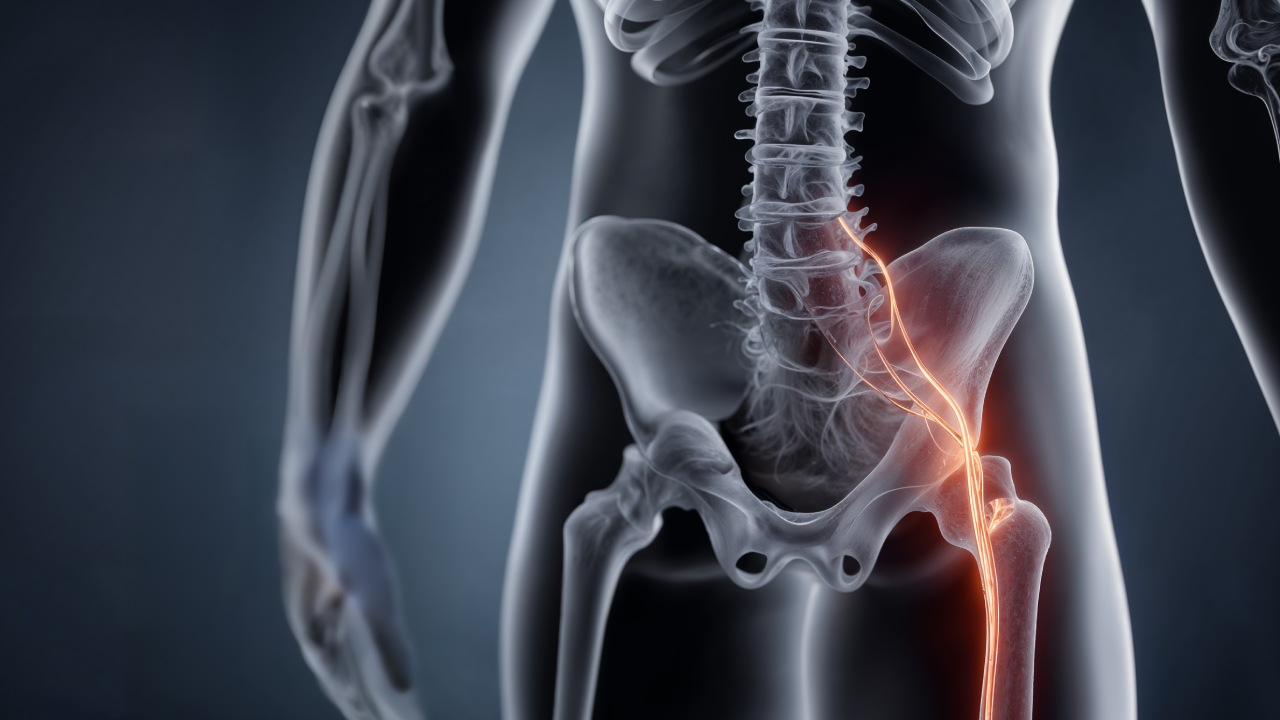
Spinal conditions can affect how you move, work, sleep, exercise, and complete everyday tasks. Whether you are dealing with neck stiffness, low back discomfort, headaches, reduced spinal movement, or joint-related concerns, our team can assess your needs and recommend suitable treatment options.
What Is Spinal Manipulation?
Spinal manipulation is a hands-on technique that involves a quick, controlled movement applied to a specific spinal joint. It is commonly described as a high-velocity, low-amplitude technique. This means that the movement is fast but performed over a small range.
During spinal manipulation, a chiropractor or physiotherapist may use their hands or, in some cases, a mechanical device to apply a controlled impulse to a joint. This technique may sometimes produce an audible popping or clicking sound, known as cavitation. The sound can occur when gas is released from the joint and is not necessarily an indication of pain or damage.
The patient remains relaxed while the practitioner performs the movement. Because spinal manipulation is performed by the clinician, the patient does not actively control the joint movement during the technique.
At PhysioNation, spinal manipulation is only considered after a thorough assessment. Our chiropractors and physiotherapists take the time to understand your symptoms, movement limitations, medical history, and treatment goals before determining whether this approach may be appropriate for you.

What Is Spinal Mobilization?
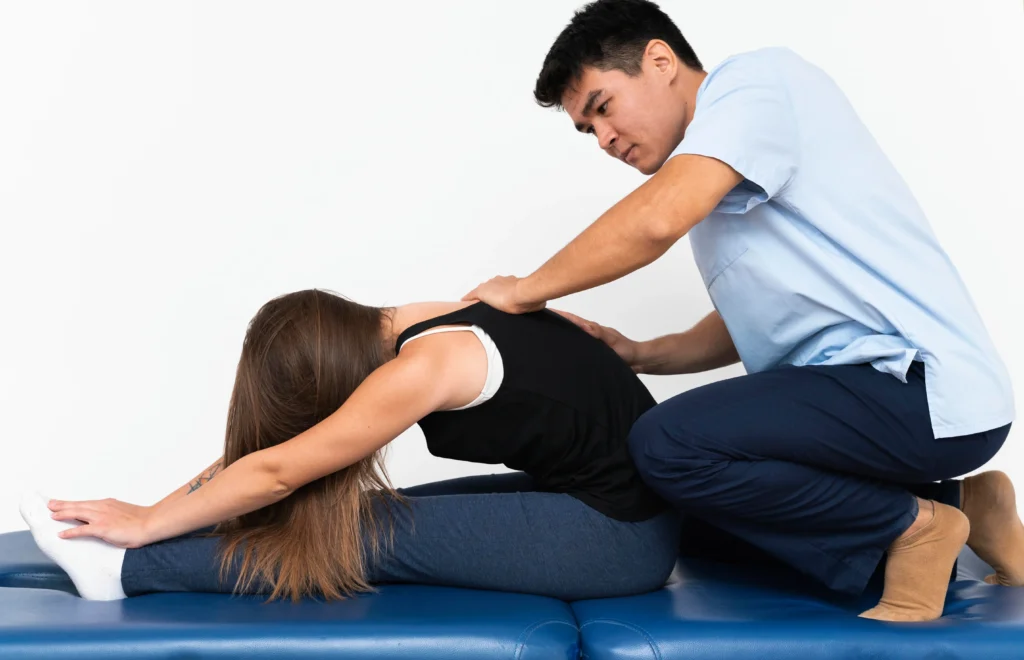
Spinal mobilization is a gentler manual therapy technique that uses slow, rhythmic, and controlled movements. Unlike manipulation, mobilization is generally low-velocity and low-force. It is performed within the joint’s natural movement limits and can be adjusted based on the patient’s comfort level.
During mobilization, the physiotherapist or chiropractor applies repeated passive movements to a spinal joint or surrounding area. The goal is to support joint mobility, reduce stiffness, and improve movement tolerance. Unlike spinal manipulation, mobilization does not usually produce an audible popping sound.
Many patients appreciate spinal mobilization because it allows for a more gradual approach to movement. The technique can be modified depending on your symptoms, sensitivity, range of motion, and overall condition. It may also be used when a more gentle treatment option is preferred.
Difference Between Spinal Manipulation and Mobilization
Although spinal manipulation and mobilization are both manual therapy techniques, they are different in how they are performed.
Spinal manipulation involves a quick and controlled impulse applied to a specific spinal joint. It is generally higher velocity and lower amplitude. Some patients may hear a popping or clicking sound during treatment.
Spinal mobilization involves slower, repetitive movements that are performed with lower force. The technique is often rhythmic and gradual, with the therapist working within the available range of motion.
Both techniques may be used to address joint stiffness, movement restrictions, and musculoskeletal concerns. The most suitable option depends on your symptoms, physical assessment, health history, and treatment preferences.
Conditions That May Be Addressed
Our chiropractors and physiotherapists in North West Calgary may use spinal mobilization or manipulation as part of a treatment plan for a variety of musculoskeletal concerns, including:
- Low back pain and stiffness
- Neck pain and reduced neck movement
- Headaches associated with neck or upper back tension
- Mid-back discomfort
- Muscle tightness and restricted movement
- Joint stiffness
- Postural strain
- Sports-related movement concerns
- Work-related aches and stiffness
- Reduced spinal mobility
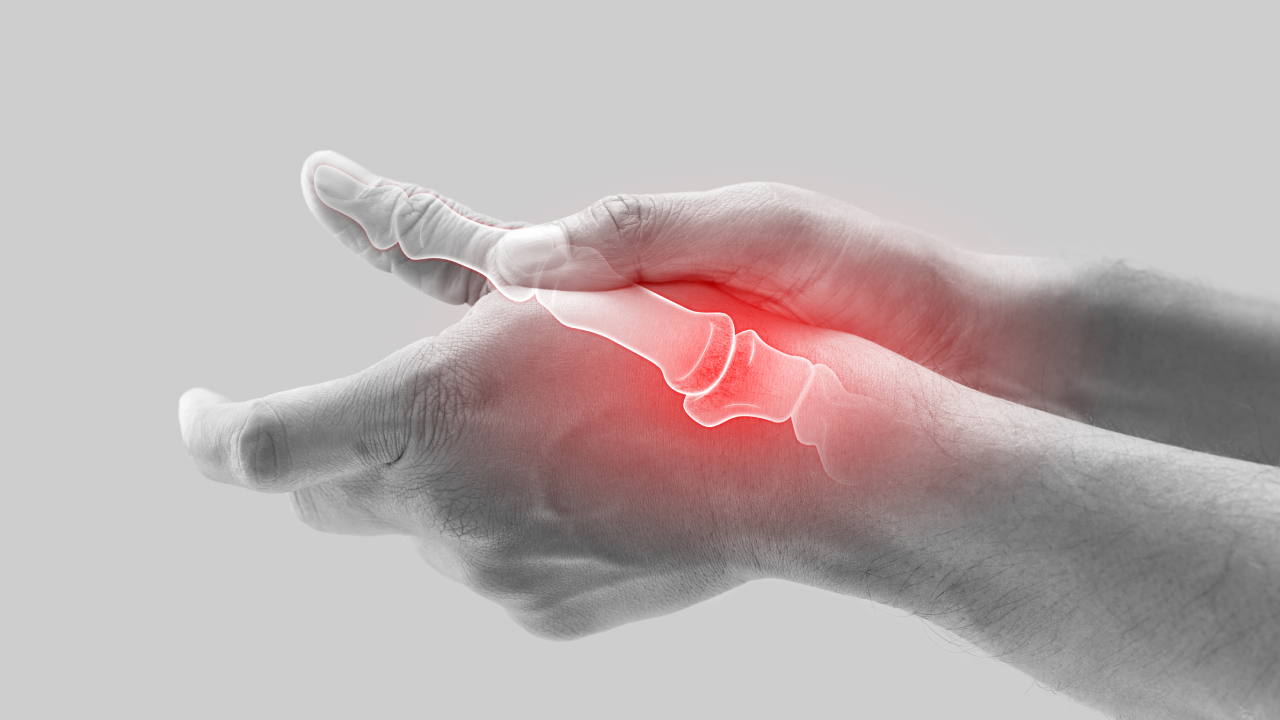
- Shoulder, hip, knee, ankle, wrist, elbow, and jaw joint restrictions
While spinal manipulation is commonly applied to the spine, mobilization techniques can also be used for peripheral joints. This may include the shoulder, elbow, wrist, temporomandibular joint (TMJ), hip, knee, ankle, and foot.
How These Techniques May Help
Spinal mobilization and manipulation may help improve joint mobility and reduce stiffness. When used appropriately, these techniques can support a broader rehabilitation plan that focuses on restoring movement, function, and confidence in daily activities.
Some people may notice a feeling of release or improved movement after treatment. Others may require a series of appointments, along with exercise and lifestyle recommendations, to support longer-term progress.
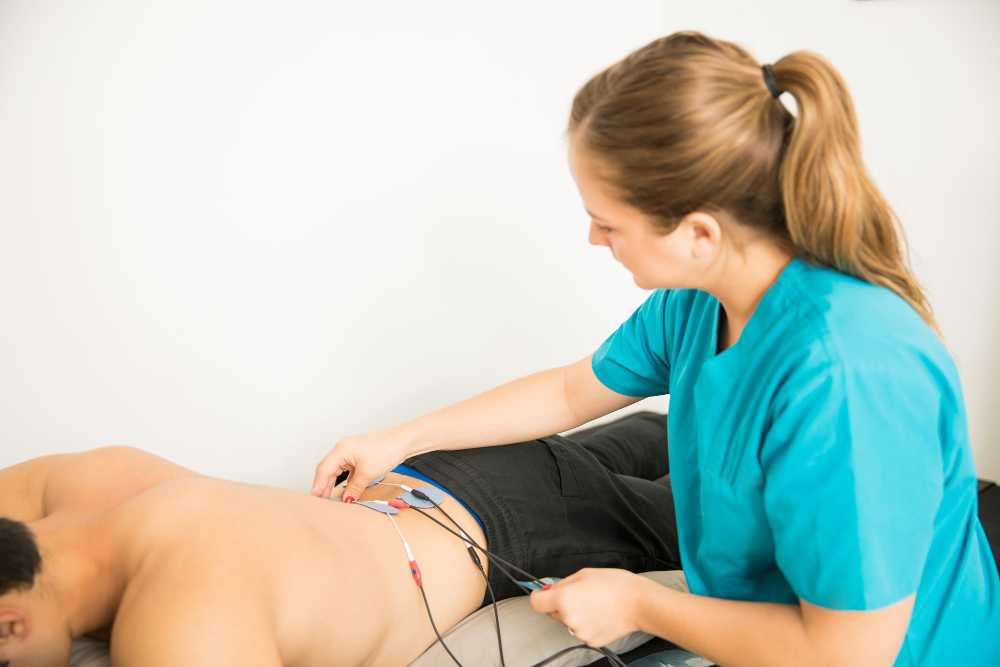
At PhysioNation, manual therapy is not used as a standalone solution. Our team may combine spinal mobilization or manipulation with other treatment approaches, such as therapeutic exercise, stretching, mobility training, posture education, soft-tissue techniques, and electrical modalities, when appropriate.
Depending on your individual needs, your treatment plan may include ultrasound, TENS, guided stretching, strengthening exercises, and movement education. These approaches are intended to help support mobility and maintain progress between appointments.
Your Initial Assessment at PhysioNation
Before beginning spinal mobilization or manipulation, our chiropractor or physiotherapist in North West Calgary will complete a detailed assessment. This appointment helps us understand your condition and determine the most appropriate care plan.
Your assessment may include questions about:
- Your current symptoms
- When your discomfort started
- Previous injuries or treatments
- Your work, exercise, and daily activity levels
- Medical history
- Medications or existing health conditions
- Previous surgeries
- Movement limitations
- Treatment goals
Your practitioner may also perform physical tests to assess posture, joint movement, muscle strength, flexibility, balance, and functional movement patterns. This information helps determine whether spinal mobilization, spinal manipulation, exercise therapy, or another approach may be suitable.
If you have had X-rays, ultrasounds, MRIs, CT scans, or other diagnostic assessments, please bring any available reports or results to your appointment. These can help provide useful information about your condition and support treatment planning.
Collaborative Care for Your Needs
At PhysioNation, we value communication and collaborative care. If you are already working with a family doctor, specialist, massage therapist, or another healthcare provider, our team can take that information into account when developing your treatment plan.
Every patient’s needs are different. Our chiropractors and physiotherapists work with you to create a plan that aligns with your condition, comfort level, mobility goals, and lifestyle.
Book an Appointment at PhysioNation
Pain, stiffness, and limited movement can make everyday activities more difficult. If you are experiencing spinal discomfort, joint stiffness, neck pain, low back pain, or reduced mobility, PhysioNation is here to help.
Our chiropractors and physiotherapists in North West Calgary provide individualized assessments and treatment plans to support your movement and function. Contact PhysioNation today to book an appointment and learn whether spinal mobilization, spinal manipulation, or another physiotherapy approach may be right for you.