
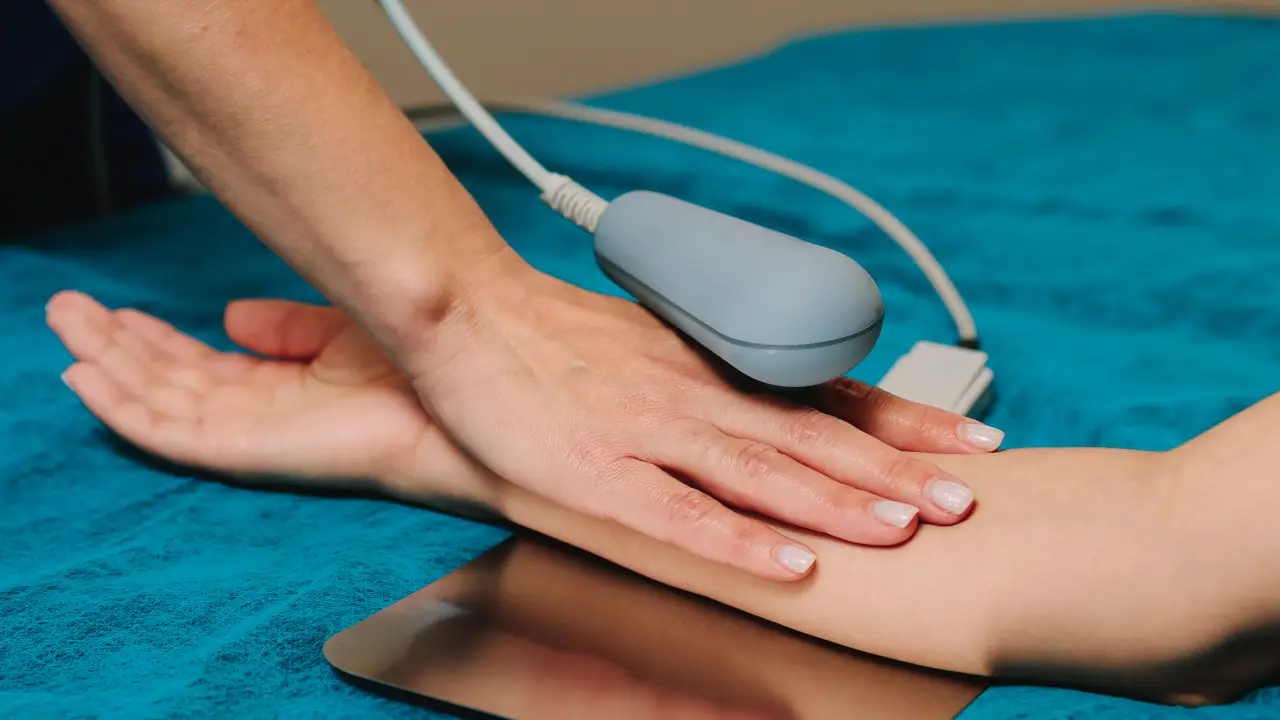
TR Therapy
Read More

Shoulder pain can make reaching overhead, lifting objects, sleeping, dressing, or participating in sports difficult. At All Care Clinic, we assess shoulder symptoms and provide care based on the underlying condition, movement limitations, and day-to-day demands. Shoulder Pain in Delta, BC may arise from an injury, repetitive activity, joint changes, tendon problems, or irritation around the shoulder. Identifying the likely source can help determine which form of care may be appropriate.
Our approach focuses on identifying contributing factors and addressing movement, strength, mobility, and function according to each person’s needs.
Shoulder symptoms can come from several structures, including muscles, tendons, ligaments, joints, and surrounding tissues. Some conditions develop gradually, while others follow a fall, collision, lifting incident, or sporting activity.
At All Care Clinic, we assess common shoulder-related conditions such as:
The rotator cuff consists of four muscles and their tendons that help stabilize and move the shoulder. Injury or irritation involving these structures can cause pain when lifting the arm, reaching behind the back, or performing repetitive movements.
Symptoms may include:
Rotator cuff problems may occur after an acute injury or develop gradually through repetitive activity.
Shoulder impingement can occur when tissues around the shoulder become irritated during certain movements. People may notice discomfort when reaching overhead or performing repeated arm movements.
Common activities associated with symptoms include:
Assessment can help identify movement patterns and physical factors associated with the symptoms.
Frozen shoulder, also known as adhesive capsulitis, involves increasing stiffness and restricted shoulder movement. Everyday activities such as putting on a jacket, reaching for an object, or placing a hand behind the back can become difficult.
The condition commonly progresses through stages, with pain and stiffness changing over time. Care may focus on maintaining available movement, improving shoulder function, and supporting activity during the recovery process.
Small fluid-filled sacs called bursae help reduce friction around joints. When a shoulder bursa becomes irritated, movements involving the arm may become uncomfortable.
Shoulder bursitis can be associated with:
An assessment can help distinguish bursitis-like symptoms from other sources of shoulder discomfort.
Shoulder instability occurs when the structures supporting the shoulder do not adequately control movement. It may follow a dislocation or occur in people whose shoulders move beyond their normal range.
Symptoms can include:
Care may involve strengthening and movement work aimed at improving shoulder control.
A shoulder dislocation occurs when the upper arm bone moves out of its normal position within the shoulder joint. It can happen following a fall, collision, or other traumatic event.
A dislocated shoulder requires prompt medical assessment. After the joint has been reduced and the appropriate medical care has been completed, rehabilitation may be used to address mobility, strength, stability, and return to normal activities.
A shoulder separation generally involves the acromioclavicular joint, located where the collarbone meets the shoulder blade. It may occur following a fall directly onto the shoulder or another impact.
Depending on the injury, people may experience:
Rehabilitation depends on the injury and any medical recommendations following assessment.
The labrum is a ring of cartilage that contributes to shoulder stability. Injuries may occur following trauma, repetitive overhead activity, or certain sports.
Symptoms can include clicking, catching, discomfort, weakness, or a feeling of instability. Assessment can help determine whether further medical investigation may be appropriate.
Arthritis can affect the shoulder joint and may lead to pain, stiffness, and reduced movement. Symptoms may develop gradually and can become noticeable during everyday activities.
People may have difficulty with:
Care may focus on maintaining movement and strength while supporting day-to-day function.
The acromioclavicular, or AC, joint sits at the top of the shoulder. Irritation or injury to this joint can cause localized discomfort, particularly during movements that bring the arm across the body.
AC joint problems may occur following an injury or repetitive loading.
A shoulder muscle strain can occur when muscle tissue is overstretched or overloaded. This may happen during sports, lifting, sudden movements, or physical work.
Symptoms can include localized pain, tenderness, weakness, and discomfort during specific movements.
Not every shoulder problem begins with one obvious injury. Repeated movements at work, during exercise, or in recreational activities can gradually increase stress on the shoulder.
Common examples include:
Identifying the activities associated with symptoms can form an important part of the assessment.
Shoulder rehabilitation may also be appropriate following certain surgical procedures. The rehabilitation process depends on the type of surgery, tissue involved, healing stage, and instructions from the surgical team.
The focus may include:
At All Care Clinic, the assessment begins with a discussion about your symptoms, activity levels, previous injuries, and relevant medical history.
The assessment may include:
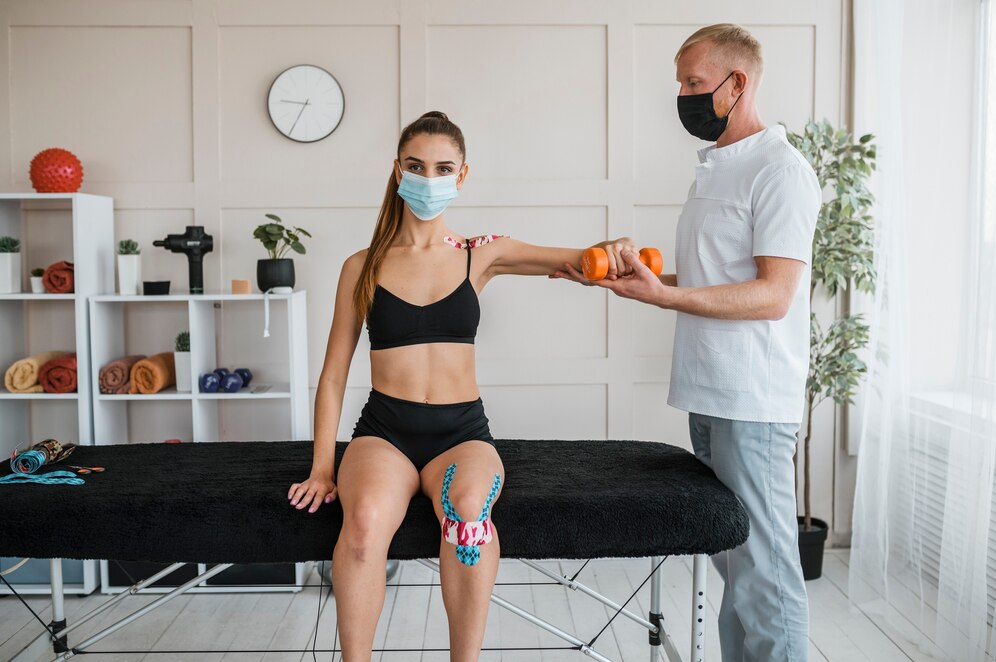
Depending on the condition and assessment findings, care may include:
The specific plan depends on the condition, symptoms, physical findings, and individual goals.
Consider seeking an assessment if shoulder symptoms are interfering with normal activities, continuing over time, or making it difficult to use your arm normally.
Medical assessment should be sought promptly following significant trauma, suspected dislocation or fracture, sudden severe symptoms, major swelling or deformity, or symptoms accompanied by chest discomfort, shortness of breath, sweating, nausea, or other potentially serious symptoms.
What conditions can cause shoulder pain?
Shoulder pain may be associated with rotator cuff problems, bursitis, frozen shoulder, impingement, instability, arthritis, AC joint problems, muscle strains, labral injuries, dislocations, and other musculoskeletal conditions.
Can shoulder pain develop without an injury?
Yes. Some shoulder conditions develop gradually through repetitive activity, changes in joint structures, sustained loading, or other factors rather than one specific incident.
How is the cause of shoulder pain identified?
Assessment generally involves reviewing symptoms and history alongside shoulder movement, strength, function, and other relevant physical findings. Further medical investigation may be recommended when appropriate.
Can shoulder pain affect sleep?
Yes. Certain shoulder conditions can make lying on the affected side uncomfortable or cause symptoms during nighttime movement.
How long does shoulder rehabilitation take?
The timeframe varies according to the underlying condition, symptom duration, severity, activity demands, and response to rehabilitation. Acute injuries and post-surgical cases may follow different timelines from gradual-onset shoulder problems.
Can I exercise with shoulder pain?
Some forms of exercise may be appropriate, while certain movements may need temporary modification. The right activity level depends on the condition and current symptoms.
Where can I seek care for Shoulder Pain in Delta, BC?
All Care Clinic provides assessment and care for people dealing with shoulder-related conditions in Delta, BC.
Service Areas
All Care Clinic serves people seeking care for Shoulder Pain in Delta, BC and surrounding communities. Depending on location, this may include areas such as:
All Care Clinic focuses on assessment-driven care for musculoskeletal conditions and movement-related concerns. Our team considers the nature of the symptoms, physical findings, activity requirements, and functional limitations when developing a care plan.
Whether shoulder symptoms started after an injury, developed through repeated activity, or appeared gradually, an assessment can help clarify the next steps.
People dealing with shoulder symptoms may also require care related to:
If shoulder symptoms are affecting work, exercise, sleep, or everyday activities, an assessment can help identify possible contributing factors and determine the next step.
Contact All Care Clinic to arrange an appointment and discuss your shoulder concerns.
Call 236-332-6237 to book your appointment or visit us at 8425 120th Street, Unit 103 (LifeLabs Building, Ground Floor), Delta, BC V4C 6R2.
Copyright 2026 All Care Clinic. All Rights Reserved. Designed & Developed By CONVIRZON