
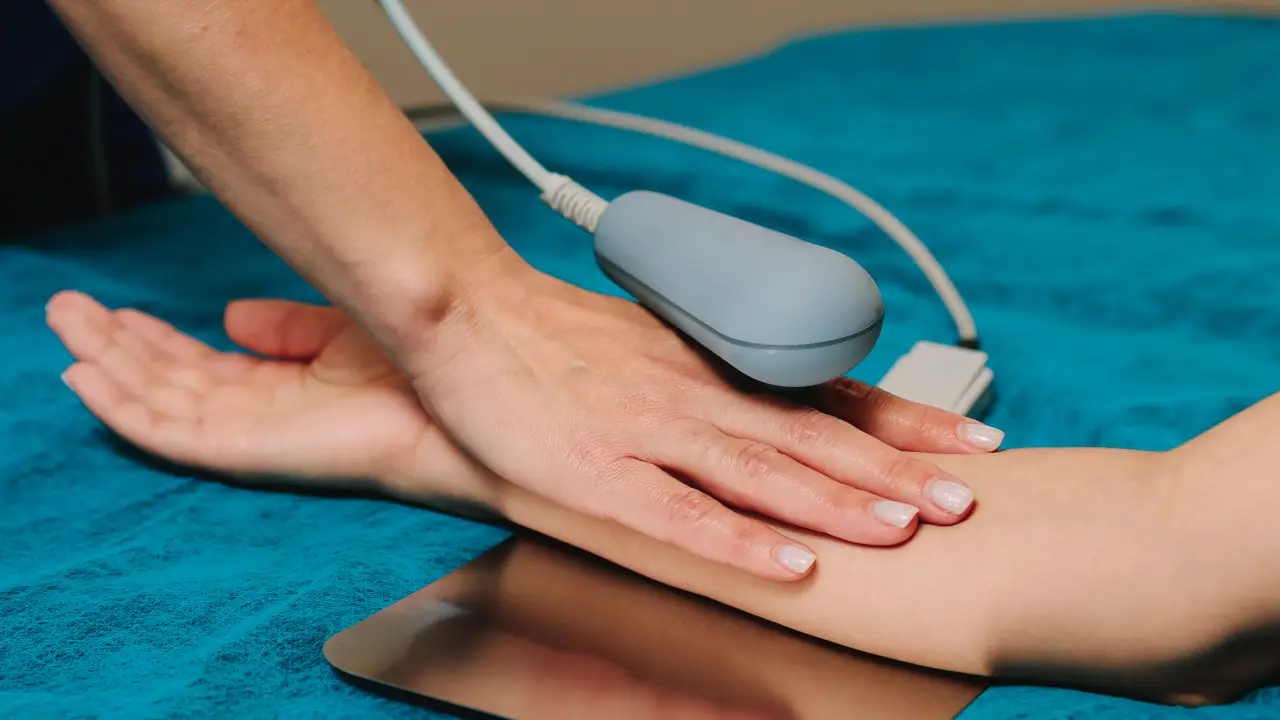
TR Therapy
Read More

Elbow symptoms can interfere with lifting, gripping, typing, exercising, playing sports, and completing everyday tasks. At All Care Clinic, we assess the elbow and surrounding structures to identify factors that may be contributing to discomfort, stiffness, weakness, or restricted movement.
Our Elbow Pain in Delta, BC care covers several conditions that can affect the elbow following sports activity, repetitive work, an accident, lifting, or gradual tissue irritation. An assessment helps identify the nature of the problem and determine appropriate next steps.
Elbow pain refers to discomfort affecting the elbow joint or nearby muscles, tendons, ligaments, nerves, or other soft tissues. Symptoms can appear suddenly after an injury or gradually after repeated movements.
Elbow Pain in Delta, BC may involve one specific area, such as the inside or outside of the elbow, or may extend toward the forearm, wrist, or upper arm.
Common symptoms include:
Different conditions can produce similar elbow symptoms. At All Care Clinic, we assess a range of problems associated with Elbow Pain in Delta, BC.
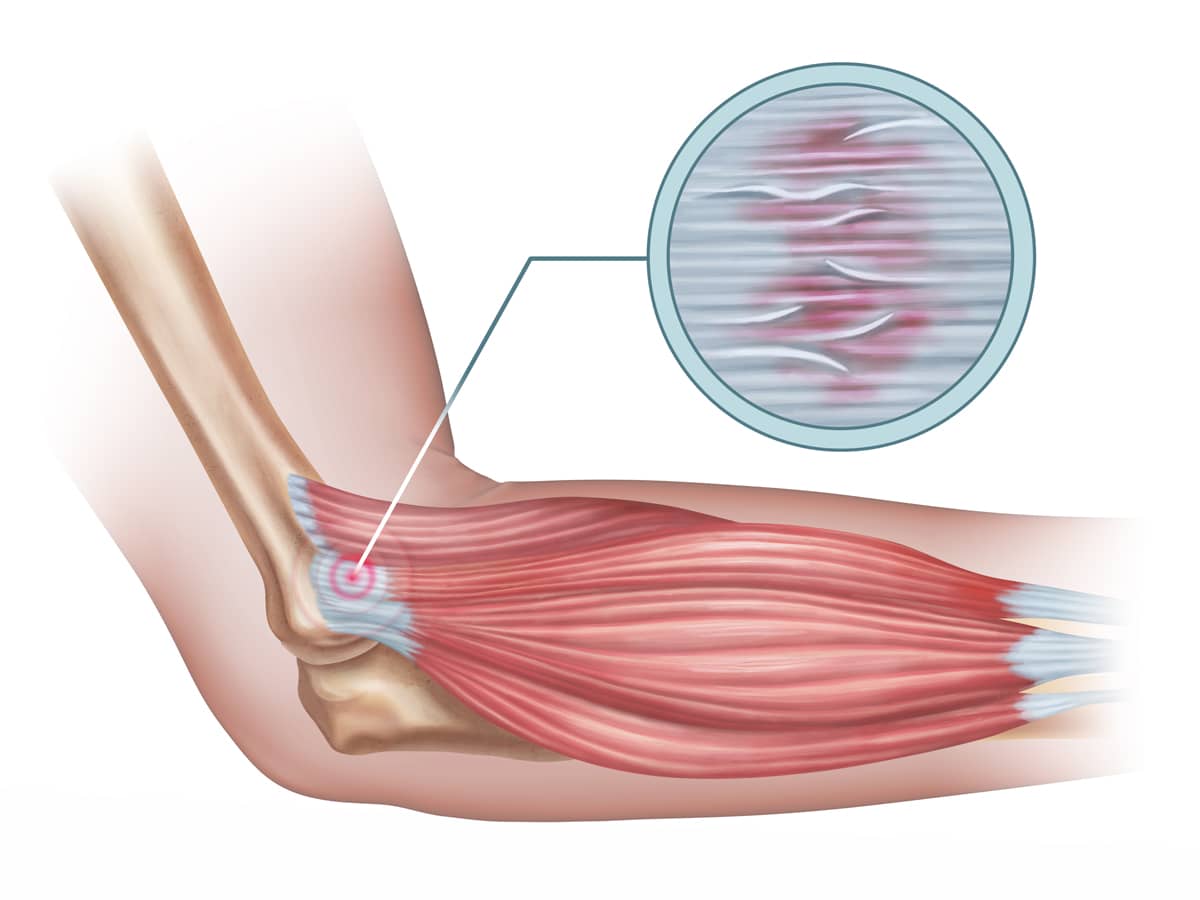
Tennis elbow, also known as lateral epicondylitis, affects the tendons connected to the outside of the elbow. Despite its name, tennis is not required for this condition to develop.
Common signs include:
Typing, tool use, racquet sports, weight training, and repetitive workplace tasks may contribute to symptoms.
Golfer’s elbow, or medial epicondylitis, affects tendons connected to the inner side of the elbow.
Symptoms may include:
Golf can contribute to the condition, but similar symptoms can also occur from lifting, throwing, workplace tasks, and repeated wrist movements.
Tendons connect muscles to bones and can become irritated following repeated loading or sudden force. Tendon problems may cause localized pain, tenderness, weakness, or difficulty performing certain movements.
Assessment can help determine whether a tendon may be involved in Elbow Pain in Delta, BC and whether further medical evaluation may be appropriate.
Bursitis involves irritation and swelling of a bursa, a small fluid-filled sac that helps reduce friction around joints. The olecranon bursa sits over the bony point at the back of the elbow.
Possible signs include:
Persistent, significant, or rapidly developing swelling should be medically assessed.
A sprain occurs when a ligament is stretched or injured. Falls, sports injuries, and sudden twisting forces can affect the ligaments around the elbow.
Symptoms may include pain, swelling, stiffness, and difficulty using the arm.
Muscles and tendons around the elbow can become strained following lifting, sports, repetitive work, or sudden movements.
People with Elbow Pain in Delta, BC may notice tenderness, weakness, discomfort with movement, or reduced tolerance for physical activity.
Stiffness may develop following an injury, surgery, prolonged immobilization, or reduced movement. Limited bending or straightening can interfere with dressing, lifting, reaching, exercise, and other daily activities.
Throwing sports places repeated demands on the elbow. Baseball, softball, volleyball, tennis, and other activities involving repetitive arm movements can contribute to elbow symptoms.
Assessment may consider:
Repeated gripping, lifting, typing, tool use, or wrist movements can place repeated stress on the tissues around the elbow.
Symptoms may gradually appear and become more noticeable during or after work, exercise, or other activities.
People may seek care for Elbow Pain in Delta, BC when symptoms begin interfering with normal activities.
Common situations include:
The location, timing, severity, and activity pattern of the symptoms can provide useful information during an assessment.
At All Care Clinic, assessment for Elbow Pain in Delta, BC may include several steps.
We discuss when the symptoms began, what activities affect them, whether an injury occurred, and how the issue affects daily routines.
Elbow, wrist, and shoulder movements may be assessed to identify restrictions or movements that reproduce symptoms.
Grip strength and surrounding muscle function may be examined to identify weakness or differences between movements.
The elbow and nearby structures may be checked for tenderness, swelling, movement changes, and other relevant findings.
The assessment findings are used to determine appropriate next steps based on symptoms, activities, and functional requirements.
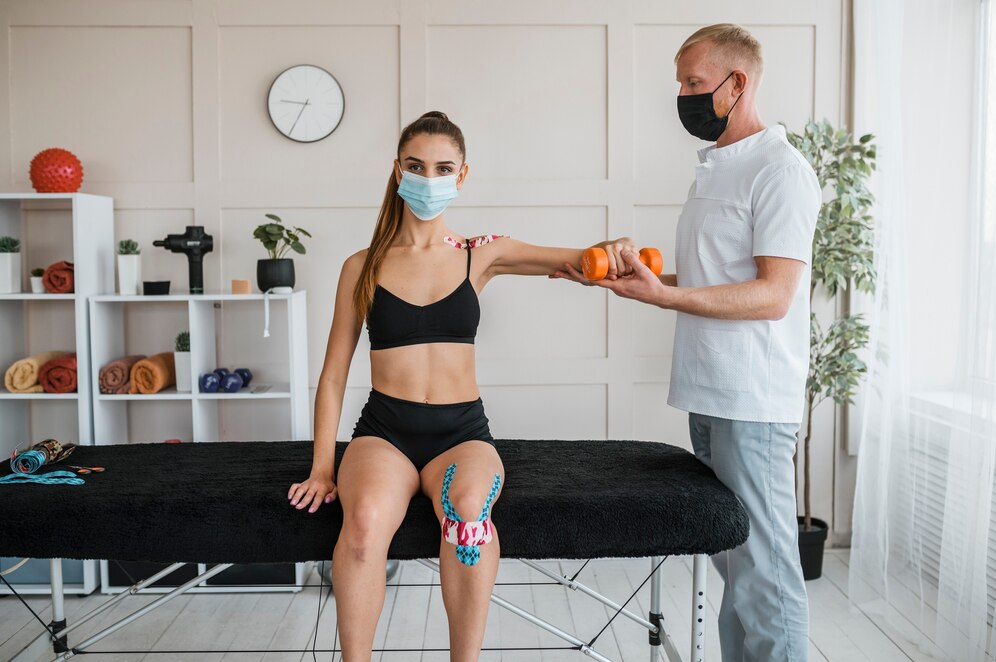
Care for elbow conditions can vary according to the cause and severity of symptoms. For Elbow Pain in Delta, BC, care may include:
The specific approach depends on the assessment findings and the condition involved.
Addressing Elbow Pain in Delta, BC can help people work toward practical improvements in movement and daily function.
Potential areas of improvement may include:
Results vary according to the condition, duration of symptoms, activity level, and other individual factors.
Consider arranging an assessment if you have elbow symptoms:
Sudden severe pain, significant swelling, visible deformity, loss of sensation, or inability to use the arm normally may require prompt medical assessment.
What conditions can cause elbow pain?
Tennis elbow, golfer’s elbow, bursitis, tendon problems, sprains, strains, joint problems, repetitive strain, and sports-related injuries can all be associated with elbow symptoms.
Can repetitive work cause elbow pain?
Yes. Repeated gripping, lifting, wrist movements, tool use, and computer work can place repeated stress on tissues around the elbow.
Can sports cause elbow problems?
Yes. Throwing, racquet sports, weight training, gripping activities, and repetitive arm movements can contribute to elbow symptoms.
How is the cause of elbow pain identified?
An assessment may include a symptom history, movement testing, strength testing, physical examination, and discussion of activities that increase or reduce symptoms.
Should I stop exercising if my elbow hurts?
That depends on the cause and severity of the symptoms. Some activities may need to be reduced or modified while the elbow is assessed.
Can elbow symptoms affect the hand?
Some elbow conditions can be associated with changes in grip strength or symptoms extending toward the forearm, wrist, or hand. Tingling or numbness should be discussed during an assessment.
When should elbow pain be medically assessed?
Severe pain, substantial swelling, visible deformity, loss of sensation, or inability to use the arm normally may require prompt medical assessment.
All Care Clinic provides assessment and care for musculoskeletal conditions affecting the elbow and surrounding areas.
If you are searching for Elbow Pain in Delta, BC, an assessment can help identify possible contributing factors and determine what steps may be appropriate for your situation.
All Care Clinic serves people in and around:
People looking for Elbow Pain in Delta, BC can contact All Care Clinic to discuss their symptoms and arrange an assessment.
All Care Clinic provides care for musculoskeletal concerns, including elbow-related conditions. Our process begins with a review of symptoms, physical assessment, movement evaluation, and discussion of appropriate next steps.
The focus is on identifying the factors associated with the person’s symptoms and selecting care that fits their condition and daily activities.
People seeking care for elbow symptoms may also be interested in:
If Elbow Pain in Delta, BC is affecting your work, exercise, sports, or everyday activities, contact All Care Clinic to arrange an assessment.
Discuss your symptoms with our clinic team and find out what the next step may involve.
Call 236-332-6237 to book your appointment or visit us at 8425 120th Street, Unit 103 (LifeLabs Building, Ground Floor), Delta, BC V4C 6R2.
Copyright 2026 All Care Clinic. All Rights Reserved. Designed & Developed By CONVIRZON