
TR Therapy
Read More

Sports can place repeated stress on muscles, joints, tendons, ligaments, and bones. A sudden twist, collision, awkward landing, or repeated movement can lead to an injury that affects training, competition, work, or everyday activities.
At All Care Clinic, our Sports Rehab in Delta, BC, focuses on assessing sports-related injuries and creating a structured rehabilitation plan based on the condition, activity level, and movement demands of each person. Whether an injury happened during soccer, hockey, running, basketball, cycling, weight training, or another activity, rehabilitation can focus on restoring movement, strength, coordination, and activity tolerance.
Sports rehabilitation can be used for many injuries affecting the muscles, joints, tendons, ligaments, and other parts of the musculoskeletal system. The rehabilitation plan depends on the nature and severity of the condition.
Common conditions addressed through Sports Rehab in Delta, BC include:
A sprain occurs when a ligament is stretched or damaged. These injuries are common in sports involving quick changes in direction, jumping, contact, or uneven surfaces.
Athletes frequently experience ankle sprains, but knee, wrist, and other joint ligaments can also sustain injuries.
Sports rehabilitation may focus on:
Muscle strains can occur when a muscle or the tissue connecting it to a tendon is overstretched or overloaded.
Common areas include the hamstrings, quadriceps, calves, groin, and lower back.
Rehabilitation can address:
A gradual increase in physical demand can help an athlete prepare for the movements required by their sport.
The knee handles significant forces during running, jumping, cutting, landing, and lifting. Sports-related knee problems can involve muscles, tendons, ligaments, cartilage, or the joint itself.
Sports Rehab in Delta, BC may be used for conditions such as:
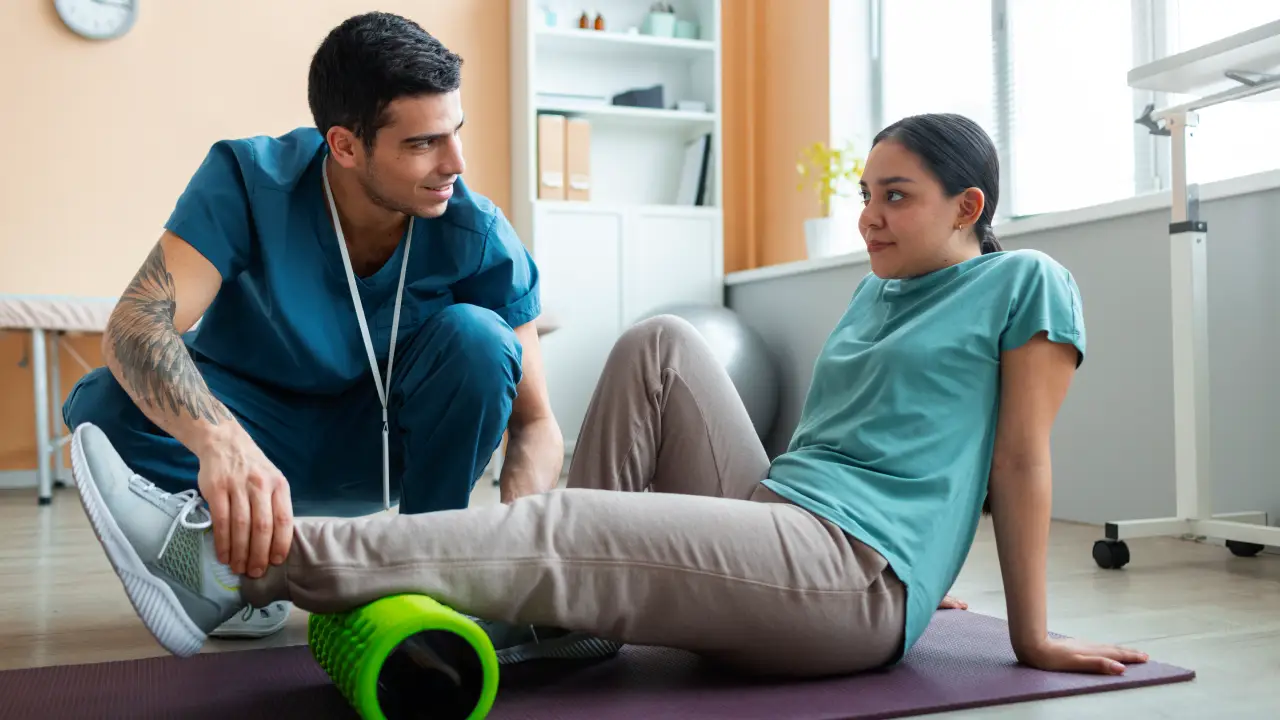
The rehabilitation process can include strength work, mobility exercises, balance activities, movement retraining, and sport-specific drills.
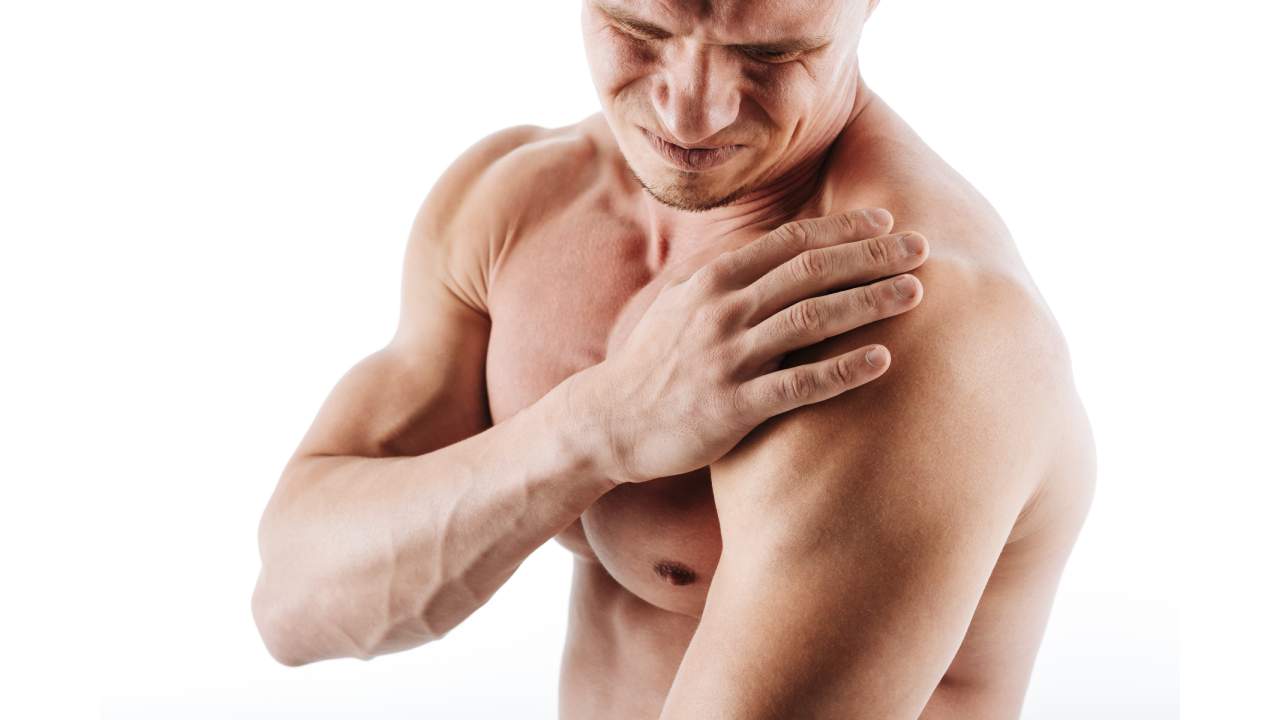
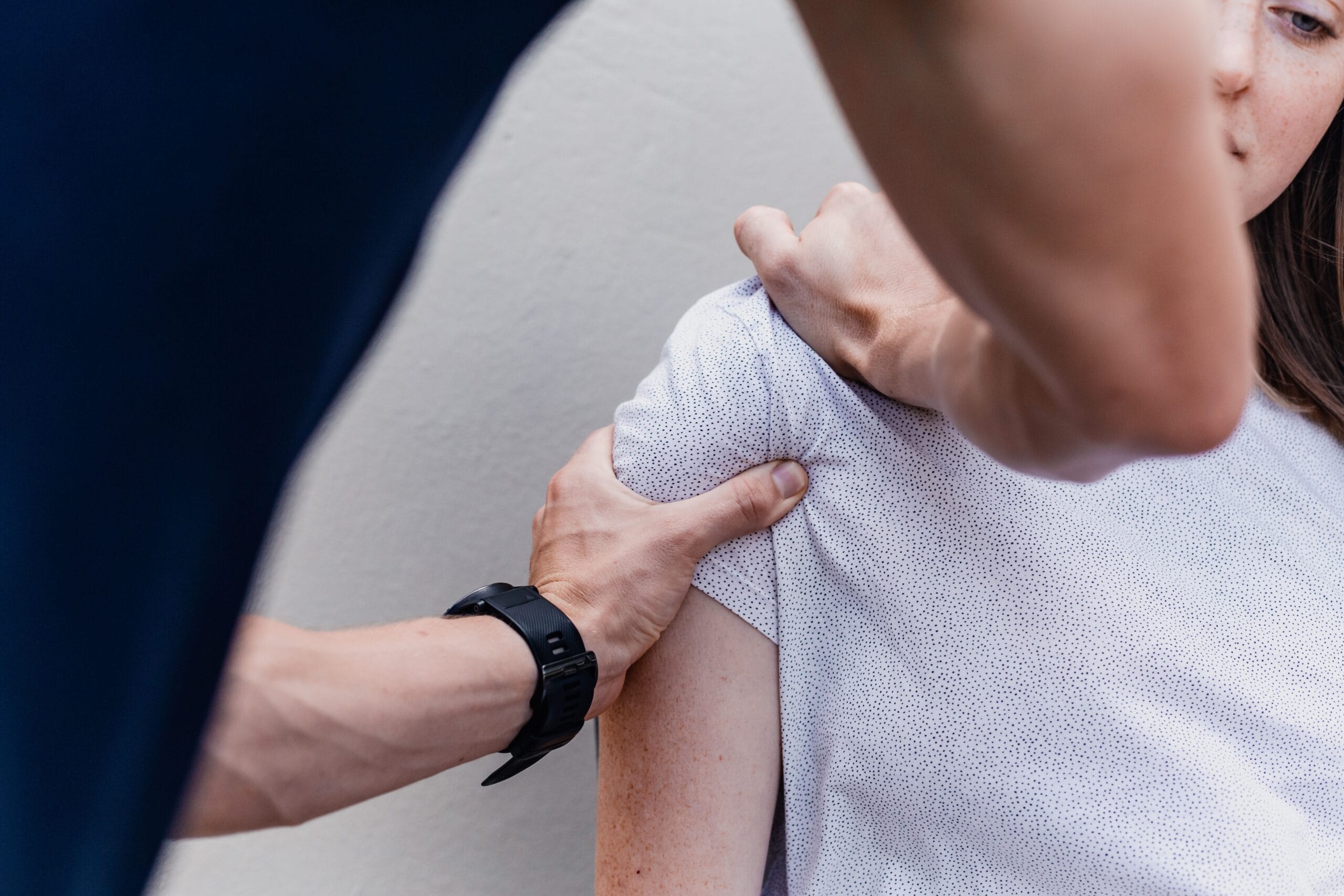
Overhead sports and activities involving repeated arm movements can place significant demands on the shoulder.
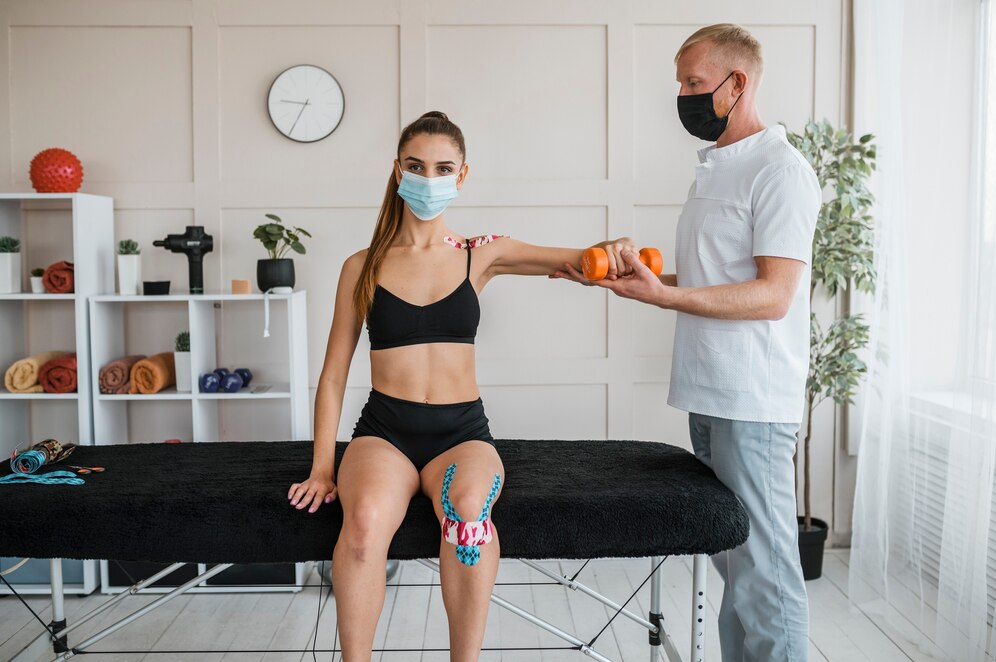
Shoulder rehabilitation may address:
Treatment may focus on shoulder mobility, strength, scapular control, coordination, and the gradual return to activities such as throwing, swimming, lifting, or racquet sports.
Running, jumping, landing, and sudden changes in direction can place substantial stress on the ankle and foot.
Common sports-related conditions include:
Rehabilitation can include mobility exercises, calf and foot strengthening, balance work, jumping drills, running progression, and movement exercises.
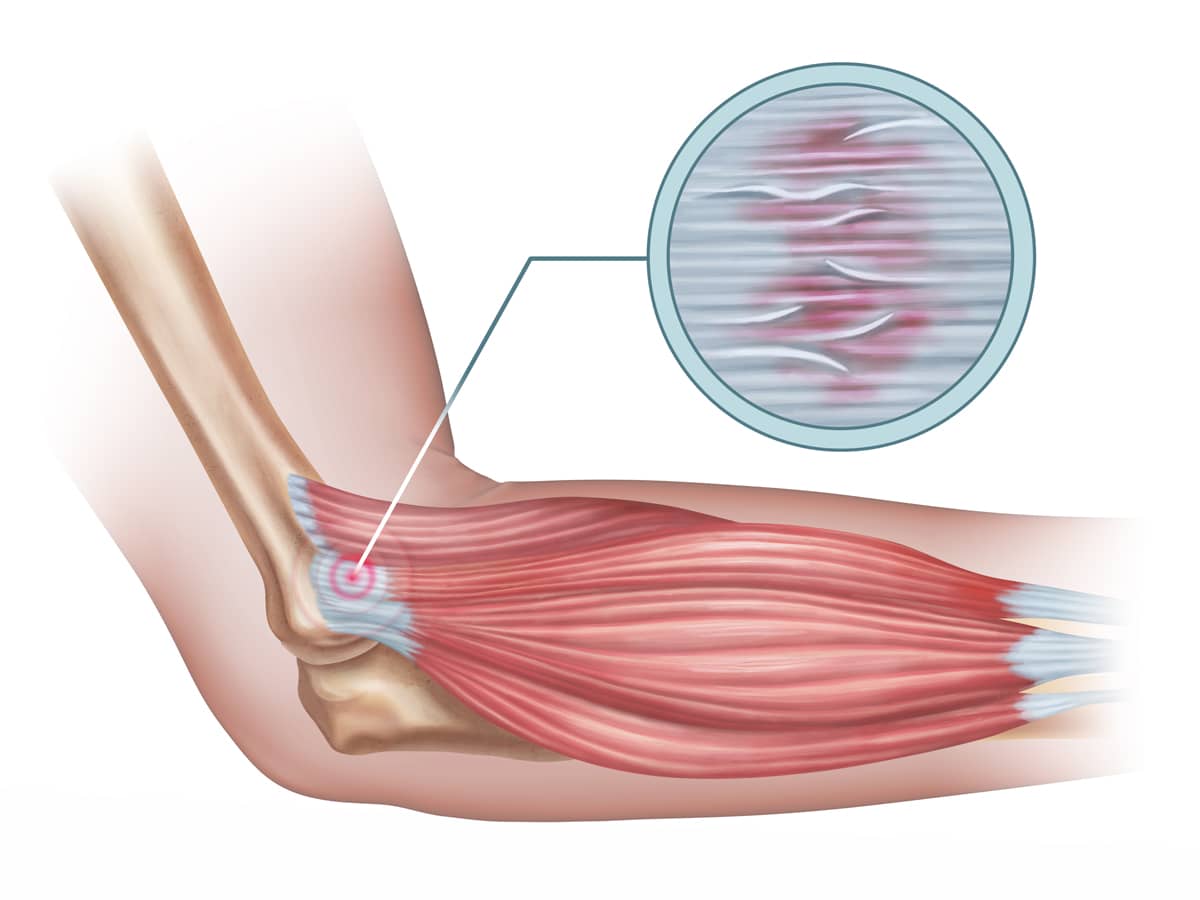
Tendons connect muscles to bones and can become irritated or injured when physical demands exceed the body’s ability to adapt.
Sports rehabilitation may address tendon problems related to the following:
Rehabilitation often involves controlled loading and gradual progression based on the person’s symptoms, strength, and activity requirements.
Not every sports injury happens because of one sudden incident. Repeated training, inadequate recovery between sessions, sudden increases in workload, or repetitive movement can contribute to overuse problems.
Examples include:
A rehabilitation plan can examine movement, strength, mobility, training demands, and workload so that the athlete can make informed adjustments while returning to activity.
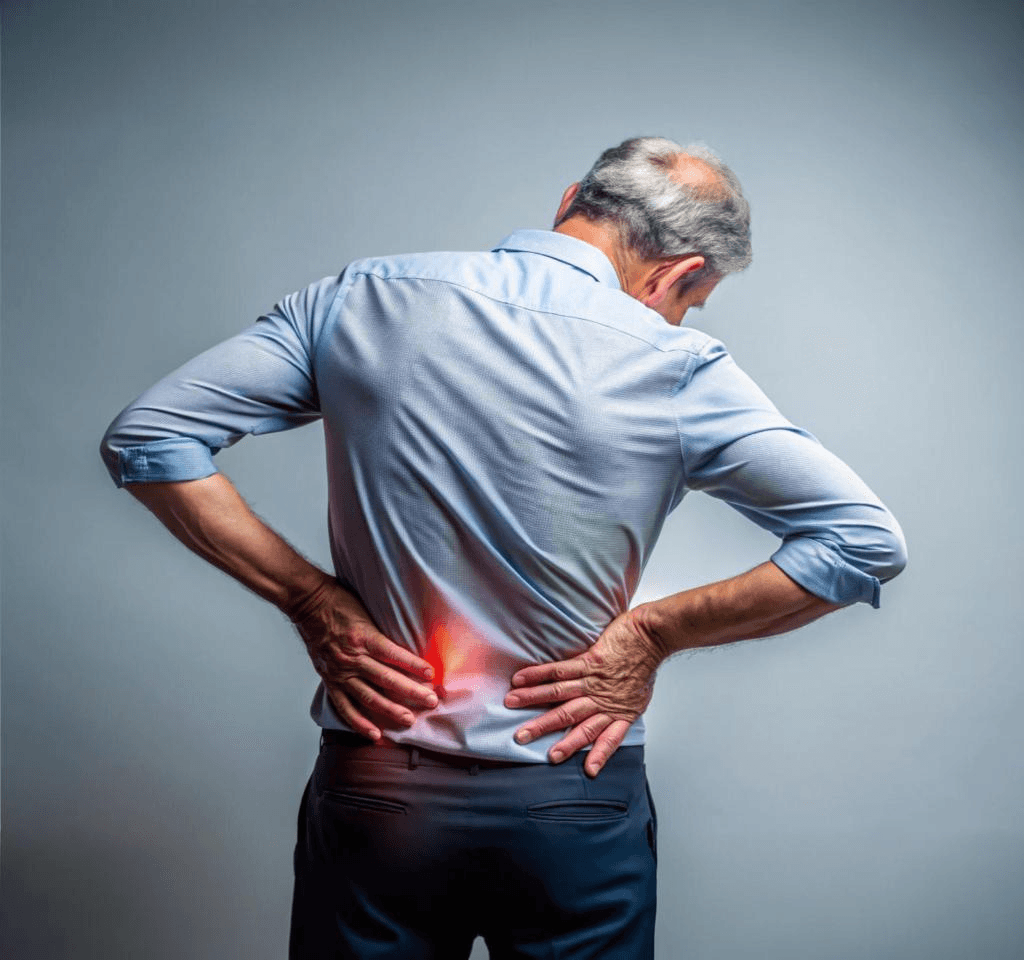
Sports involving contact, lifting, rotation, running, or repeated bending can place stress on the spine and surrounding muscles.
Sports Rehab in Delta, BC may address:
Rehabilitation may involve mobility exercises, strengthening, movement retraining, and gradual progression toward sport-specific activity.
The hip and groin play an important role in running, sprinting, cutting, kicking, and jumping.
Common conditions include:
Rehabilitation can focus on hip strength, mobility, coordination, core control, and progressive sport-specific movements.
Hamstring and calf injuries are common in sports involving sprinting, acceleration, jumping, and sudden changes in pace.
Rehabilitation may include:
The aim is to gradually prepare the affected area for the physical demands involved in training and competition.
Sports rehabilitation can be relevant to people at different activity levels, including:
You do not need to compete professionally to seek rehabilitation for a sports injury. An appropriate rehabilitation program can benefit anyone whose injury has impacted their physical activity.
The rehabilitation process starts with an assessment of the injury and the movements or activities that are currently difficult.
The clinician reviews the injury history, symptoms, activity demands, and relevant medical information. Movement, mobility, strength, balance, and functional limitations may also be assessed.
The findings are used to establish rehabilitation goals and determine which exercises and activities are appropriate for the current stage of recovery.
Exercises may focus on strength, mobility, coordination, balance, stability, and physical capacity.
As the body adapts, you can increase exercise intensity and complexity based on the person’s condition and activity requirements.
When appropriate, rehabilitation can progress toward movements that resemble the demands of the person’s sport, such as running, jumping, cutting, throwing, kicking, or lifting.
The final stages can focus on preparing for regular training, competition, recreation, or exercise while considering the physical demands involved.
Ignoring an injury can make it harder to determine which activities are contributing to symptoms. Continuing to train through an injury may also alter movement patterns and place additional demands on other parts of the body.
Sports rehabilitation can provide a structured way to assess the problem, modify activity when needed, build physical capacity, and gradually return to demanding movements.
At All Care Clinic, Sports Rehab in Delta, BC can address injuries ranging from acute sports incidents to problems associated with repeated physical activity.
Whether you are dealing with an ankle sprain after a game, a hamstring strain from running, shoulder symptoms from repetitive throwing, or knee problems associated with training, rehabilitation can focus on the physical demands that matter to your activities.
What conditions can sports rehab address?
Sports rehabilitation can address many musculoskeletal conditions, including sprains, strains, tendon problems, joint injuries, overuse injuries, and sports-related problems involving the knee, shoulder, ankle, hip, back, neck, elbow, wrist, and foot.
Can I attend sports rehab after surgery?
Rehabilitation may be appropriate after certain sports-related surgeries. The exercises and progression depend on the procedure, medical instructions, healing stage, and individual activity requirements.
Is sports rehab only for competitive athletes?
No. Recreational athletes, active adults, gym participants, runners, and people who participate in sports for fitness or enjoyment may also seek rehabilitation following an injury.
When should I seek sports rehab after an injury?
The appropriate time depends on the injury. Some injuries require medical assessment first, particularly when there is significant swelling, deformity, inability to bear weight, severe symptoms, or concern about a fracture or major tissue injury.
Can sports rehab help with overuse injuries?
Yes. Rehabilitation can address strength, mobility, movement patterns, physical workload, and gradual loading when appropriate for an overuse condition.
How long does sports rehab take?
The timeframe varies according to the condition, injury severity, treatment needs, activity level, and rehabilitation progress. A clinician can discuss a likely timeframe after assessing the injury.
Can I continue exercising during rehabilitation?
That depends on the injury and the activity. In some cases, certain activities can continue with modifications, while others may need to be temporarily reduced.
All Care Clinic provides Sports Rehab in Delta, BC for people in Delta and nearby communities. The clinic can support people seeking rehabilitation for sports injuries, exercise-related conditions, and musculoskeletal problems affecting their physical activities. All Care Clinic serves people in and around:
People seeking sports injury care may also have needs involving other areas of rehabilitation and physical health. Related services can include:
A sports injury can affect more than training. It can change how you run, jump, lift, walk, work, or participate in activities you enjoy.
If you are looking for Sports Rehab in Delta, BC, contact All Care Clinic to discuss your injury and arrange an assessment. The first appointment can help identify the factors affecting your movement and determine the next steps for rehabilitation.
Call 236-332-6237 to book your appointment or visit us at 8425 120th Street, Unit 103 (LifeLabs Building, Ground Floor), Delta, BC V4C 6R2.
Copyright 2026 All Care Clinic. All Rights Reserved. Designed & Developed By CONVIRZON