
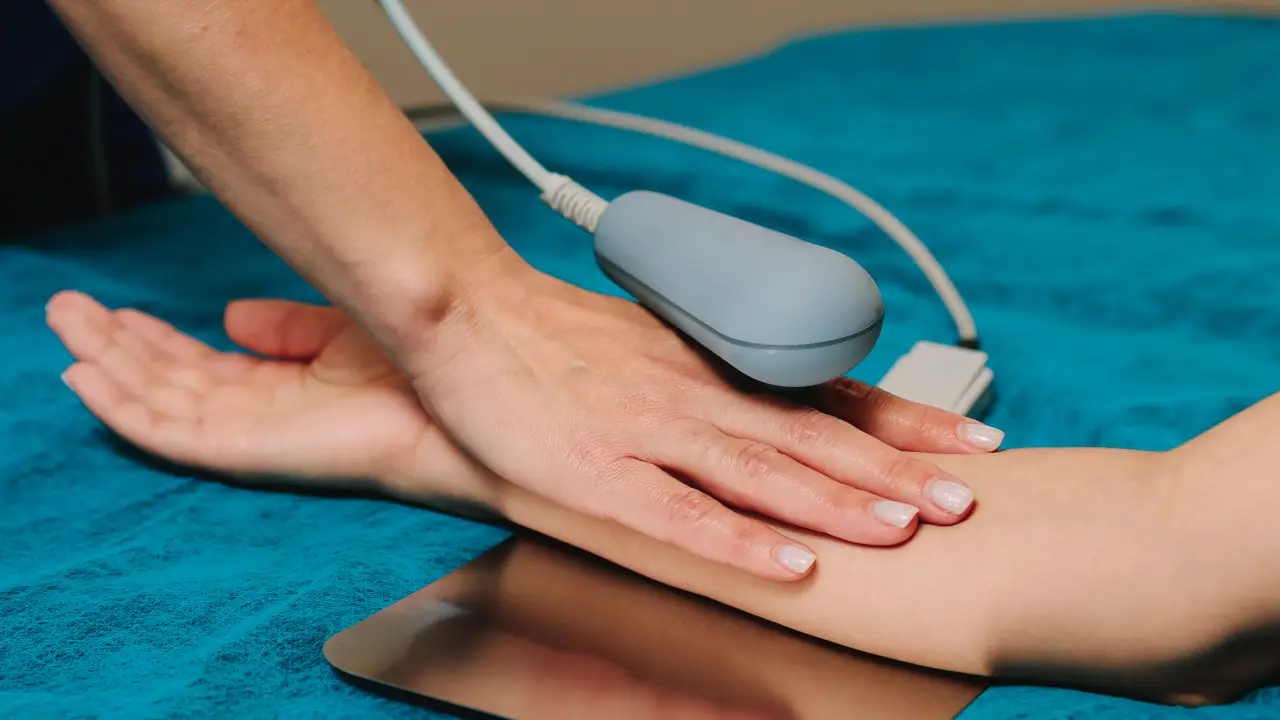
TR Therapy
Read More

Knee pain can affect walking, climbing stairs, standing, exercise, work, and everyday activities. At All Care Clinic, we assess common knee conditions and provide care based on the symptoms, movement limitations, and underlying factors involved. Knee problems can develop after an injury, repeated activity, changes in joint function, or gradual wear within the knee.
Our care focuses on identifying what may be contributing to your symptoms and helping you work toward improved movement and daily function. Whether your knee discomfort started suddenly or has developed gradually, an assessment can help clarify the next steps.
Knee pain refers to discomfort or symptoms affecting the knee joint and surrounding tissues. Because the knee contains bones, cartilage, ligaments, tendons, muscles, and other structures, symptoms can arise from several different conditions.
Some people notice pain directly around the kneecap, while others feel symptoms along the inside, outside, or back of the knee. Swelling, stiffness, weakness, clicking, instability, or difficulty bending and straightening the knee may also occur.
At All Care Clinic, our approach begins with assessing your symptoms, movement, strength, activity history, and functional limitations. This helps identify factors that may be contributing to your knee problem and determines whether further assessment or referral is appropriate.
Our team works with people experiencing a range of knee-related conditions, including:
Knee osteoarthritis involves changes within the joint that can cause pain, stiffness, swelling, and reduced mobility. Symptoms may become noticeable during walking, stair climbing, squatting, or after remaining in one position for an extended period.
Care may focus on movement, muscle strength, joint function, activity modification, and strategies for managing day-to-day demands.
Patellofemoral pain involves discomfort around or behind the kneecap. It may become noticeable during activities such as:
Assessment can examine hip and knee movement, muscle control, activity patterns, and other factors associated with symptoms.
The menisci are pieces of cartilage within the knee that help distribute load and contribute to joint stability. A meniscus injury can occur after twisting the knee or during sports and other physical activities.
Symptoms may include pain, swelling, restricted movement, clicking, or difficulty placing weight through the affected leg.
Knee ligaments help connect the bones of the joint and provide stability. Injuries can occur through sudden changes in direction, falls, sports-related incidents, or direct impact.
Common ligament injuries include those involving the ACL, MCL, LCL, and PCL. The appropriate care depends on the type and severity of the injury.
Tendons connect muscles to bones and can become irritated following repeated loading or changes in activity. Knee tendon problems can affect people who run, jump, play sports, or perform repetitive physical tasks.
Symptoms may include localized tenderness and pain during activities that place load on the affected tendon.
Small fluid-filled sacs called bursae help reduce friction around joints. Irritation of a bursa around the knee can cause localized tenderness, swelling, and discomfort during kneeling or movement.
Sudden movements, falls, lifting, sports, or workplace activities can strain muscles, tendons, or ligaments around the knee. Symptoms can range from mild discomfort to significant difficulty using the leg.
Runner’s knee is commonly associated with pain around the front of the knee, particularly during running and activities that involve repeated knee movements.
Assessment can examine running habits, lower-limb movement, muscle capacity, training changes, and other contributing factors.
Athletes and active individuals can develop knee problems from collisions, sudden movements, repetitive loading, or changes in training volume. Care may address movement limitations, strength, mobility, and the demands of the individual’s activity.
A fall, collision, or other accident can affect several structures within and around the knee. Depending on the symptoms, an assessment may help determine whether conservative care is appropriate or whether additional medical evaluation is needed.
Knee-related care may be relevant for:
Symptoms can differ considerably between people, so an assessment is useful when the cause is unclear or daily activities have become difficult.
People may seek care when they notice:
Some knee symptoms require medical assessment. Severe swelling, an obvious deformity, inability to bear weight, significant trauma, fever with a hot or swollen joint, or sudden severe symptoms should be assessed promptly by an appropriate healthcare professional.
We review your symptoms, relevant history, activities, and functional concerns. Physical assessment may include knee movement, strength, balance, walking patterns, and related areas of the lower limb.
Looking at how the knee moves during everyday or activity-specific tasks can provide useful information about factors associated with your symptoms.
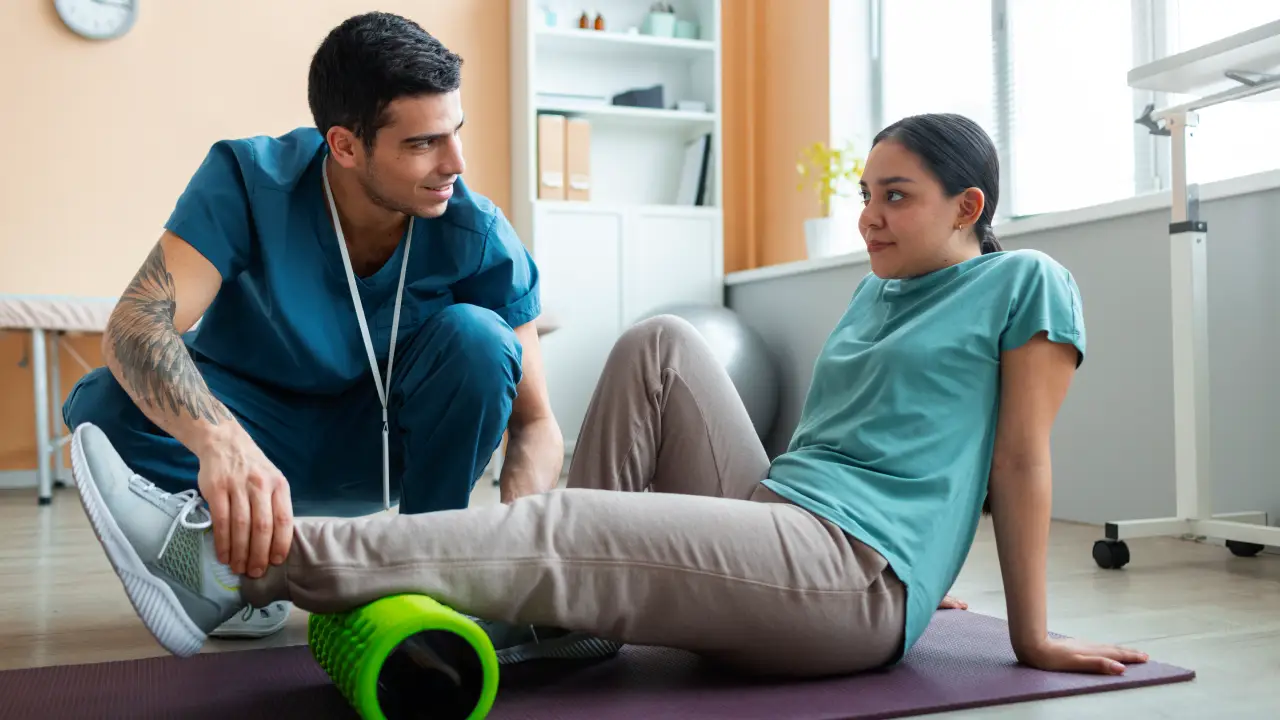
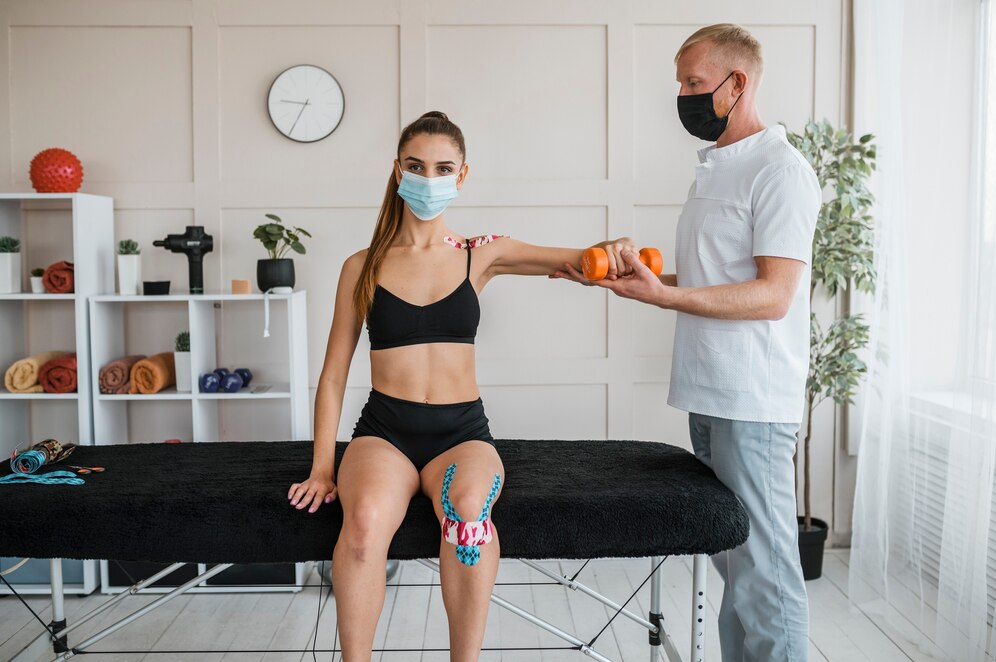
Depending on the condition, exercises may focus on strength, mobility, balance, coordination, or the gradual loading of tissues around the knee.
Certain activities may need temporary adjustments while symptoms settle or capacity improves. We can discuss practical ways to modify movement without unnecessarily stopping everyday activity.
Your response to care and changes in function can be reviewed over time. The plan can then be adjusted according to your progress and current needs.
We discuss your knee symptoms, when they began, activities that affect them, and your main functional concerns.
We examine relevant movement, strength, mobility, and functional patterns.
Based on the assessment, we identify appropriate treatment and exercise strategies.
Your sessions may include therapeutic exercise, manual approaches, movement work, and education where appropriate.
We monitor changes in symptoms, movement, strength, and daily function.
As your capacity changes, activities and exercises can be adjusted to match your goals and everyday demands.
Depending on your condition, care may focus on:
Results vary according to the underlying condition, severity, health factors, activity level, and adherence to the recommended plan.
Knee problems can affect people across many different activities and occupations.
Running places repeated loads through the lower limbs. During assessment, one may consider training changes, running volume, strength, recovery, and movement patterns.
Sports involving jumping, pivoting, rapid acceleration, and sudden changes in direction can place significant demands on the knee.
Long periods of sitting can be followed by stiffness or discomfort when standing and walking. Movement habits and activity levels may be relevant.
Jobs involving lifting, kneeling, climbing, carrying, or prolonged standing can place repeated demands on the knee.
Age-related joint changes can be associated with stiffness, reduced strength, and difficulty performing certain activities. Care can focus on maintaining functional movement and physical capacity.
What causes knee pain?
Knee symptoms can have many causes, including osteoarthritis, tendon problems, ligament injuries, meniscus injuries, bursitis, sports injuries, muscle weakness, or changes in activity. An assessment can help identify factors associated with your symptoms.
When should I seek care for knee pain?
Consider an assessment when knee symptoms persist, repeatedly return, interfere with everyday activities, or affect exercise and work. Following significant trauma or when severe symptoms occur, medical assessment may be appropriate.
Can knee problems occur without an injury?
Yes. Knee symptoms can develop gradually through joint changes, repeated loading, activity changes, or other factors without one clear injury.
Can I exercise with knee pain?
The answer depends on the underlying condition and severity of symptoms. In many situations, appropriate movement and progressive exercise can form part of care. The type, intensity, and amount of exercise should match your circumstances.
How long does knee care take?
There is no single timeframe for every knee condition. Recovery can depend on the cause, severity, duration of symptoms, activity demands, and response to care.
Do I need imaging for knee pain?
Not every knee problem requires imaging. Whether an X-ray, MRI, ultrasound, or another investigation is appropriate depends on the symptoms and findings from an assessment. A healthcare professional can determine whether further investigation is warranted.
All Care Clinic provides care for people seeking help with knee-related concerns in Delta, BC and surrounding communities. People from areas such as Ladner, Tsawwassen, North Delta, and nearby communities may access our clinic for assessment and care.
If travelling to the clinic is difficult, ask our team about available appointment options.
At All Care Clinic, knee care starts with the individual problem rather than treating every knee condition in the same way. Our team reviews the symptoms, physical findings, activity demands, and functional limitations involved in each case.
Our approach can include assessment, exercise, movement education, manual care where appropriate, and progress reviews. When symptoms indicate that another form of medical assessment may be necessary, referral or further investigation can also be considered.
Depending on your needs, you may also be interested in:
If knee symptoms are interfering with walking, exercise, work, stairs, or other everyday activities, an assessment can help clarify what may be contributing to the problem.
Contact All Care Clinic to arrange an appointment and discuss your knee concerns with our team.
Call 236-332-6237 to book your appointment or visit us at 8425 120th Street, Unit 103 (LifeLabs Building, Ground Floor), Delta, BC V4C 6R2.
Copyright 2026 All Care Clinic. All Rights Reserved. Designed & Developed By CONVIRZON