Tendinitis
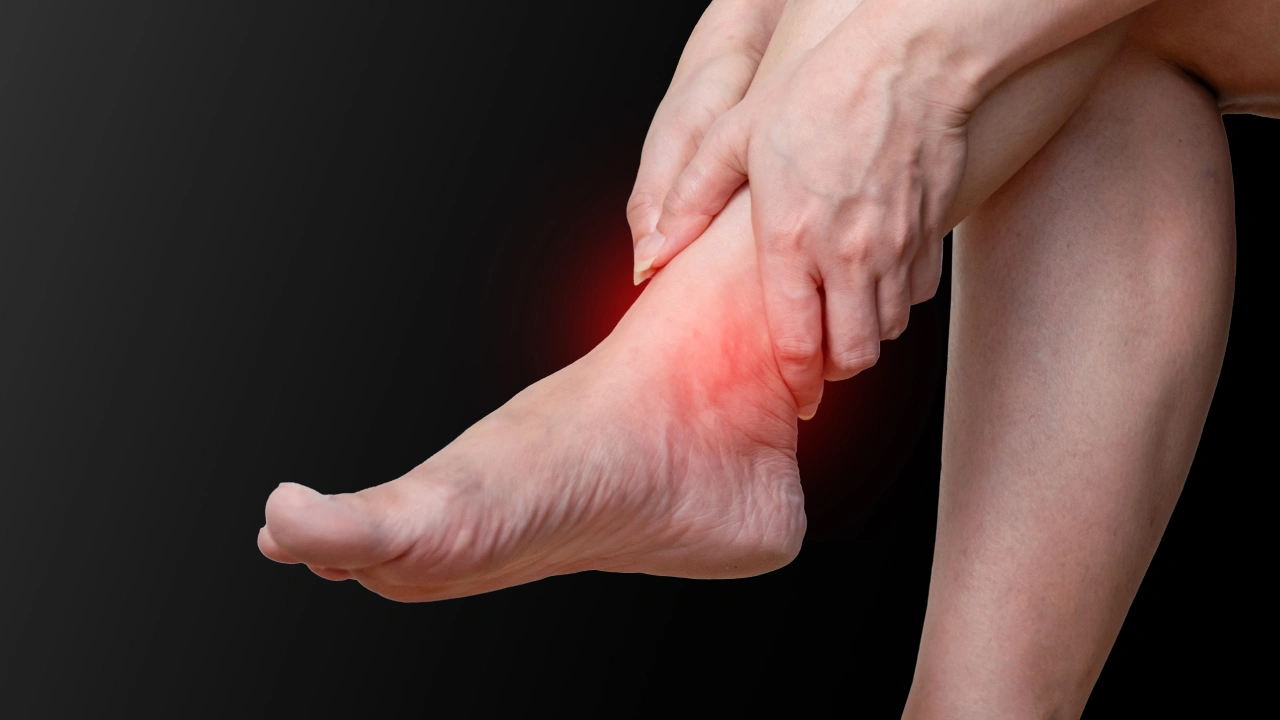
Tendinitis in Markham
Tendinitis occurs when a tendon becomes irritated, often causing pain, tenderness, swelling, and difficulty moving the affected area. Tendons connect muscles to bones and help transfer force during everyday movements, exercise, and physical work. Repetitive movements, sudden increases in activity, and excessive strain can contribute to tendon problems. At Revive Wellness Clinic, we address Tendinitis in Markham by assessing the affected area, identifying movements that may aggravate symptoms, and planning physiotherapy care around each patient’s needs.
Common Types of Tendinitis We Treat
Tendinitis in Markham can affect different parts of the body, depending on the activities a person performs and the amount of strain placed on particular tendons. Recognizing the location of symptoms can help determine the next steps for assessment and care.
1. Wrist Tendinitis
Wrist tendinitis in Markham may develop from repetitive typing, lifting, gripping, or other activities that involve repeated wrist movements. Symptoms can include tenderness, swelling, and discomfort when bending the wrist or holding objects. Physiotherapy may address wrist mobility, grip function, and the movement patterns associated with symptoms.
2. Thumb Tendinitis
Thumb tendinitis can cause discomfort when pinching, gripping, writing, or using a mobile phone. Repeated thumb movements may place additional strain on the tendons around the joint. Assessment can help identify aggravating activities and determine whether mobility exercises, activity adjustments, or strengthening are appropriate.
3. Shoulder Tendinitis
Shoulder tendinitis may cause pain when reaching overhead, lifting objects, getting dressed, or sleeping on the affected side. Repeated overhead movements and loading demands can contribute to tendon irritation. Care may focus on shoulder movement, strength, and the way the shoulder functions during daily activities.
4. Hip Tendinitis
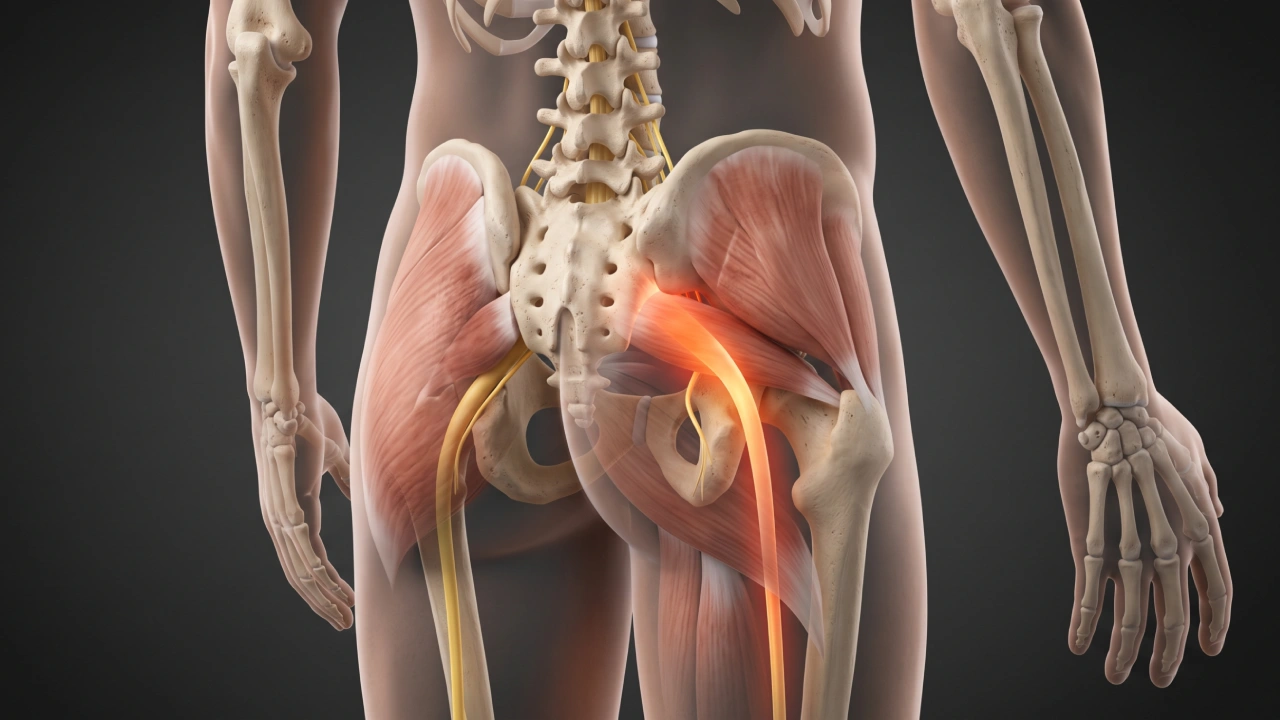
Hip tendinitis in Markham may present as discomfort around the hip or outer thigh, particularly when walking, climbing stairs, standing for extended periods, or lying on the affected side. Treatment planning may involve examining hip strength, movement control, and activities that increase symptoms.
5. Ankle Tendinitis
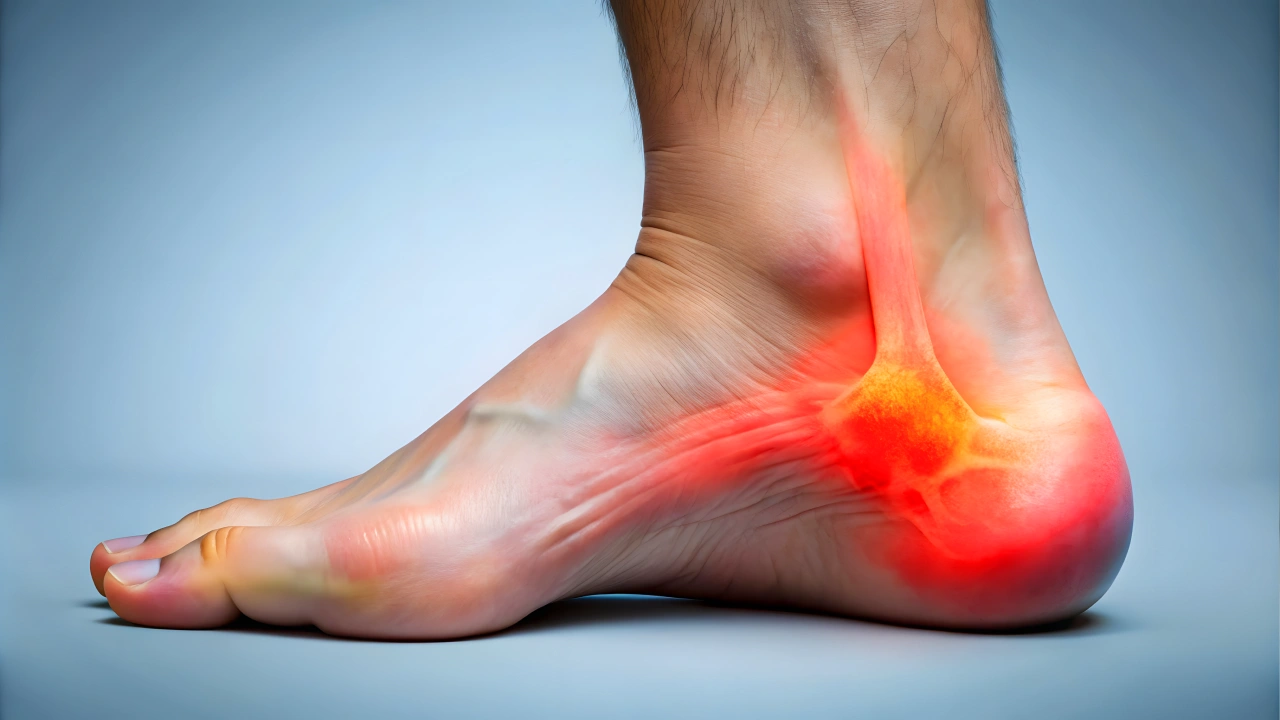
Ankle tendinitis can affect walking, running, climbing stairs, and other weight-bearing activities. Pain or tenderness may develop around the ankle or along the affected tendon. Physiotherapy may include mobility work, progressive strengthening, balance exercises, and adjustments to activity levels, depending on the assessment findings.
How Physiotherapy Can Address Tendinitis?
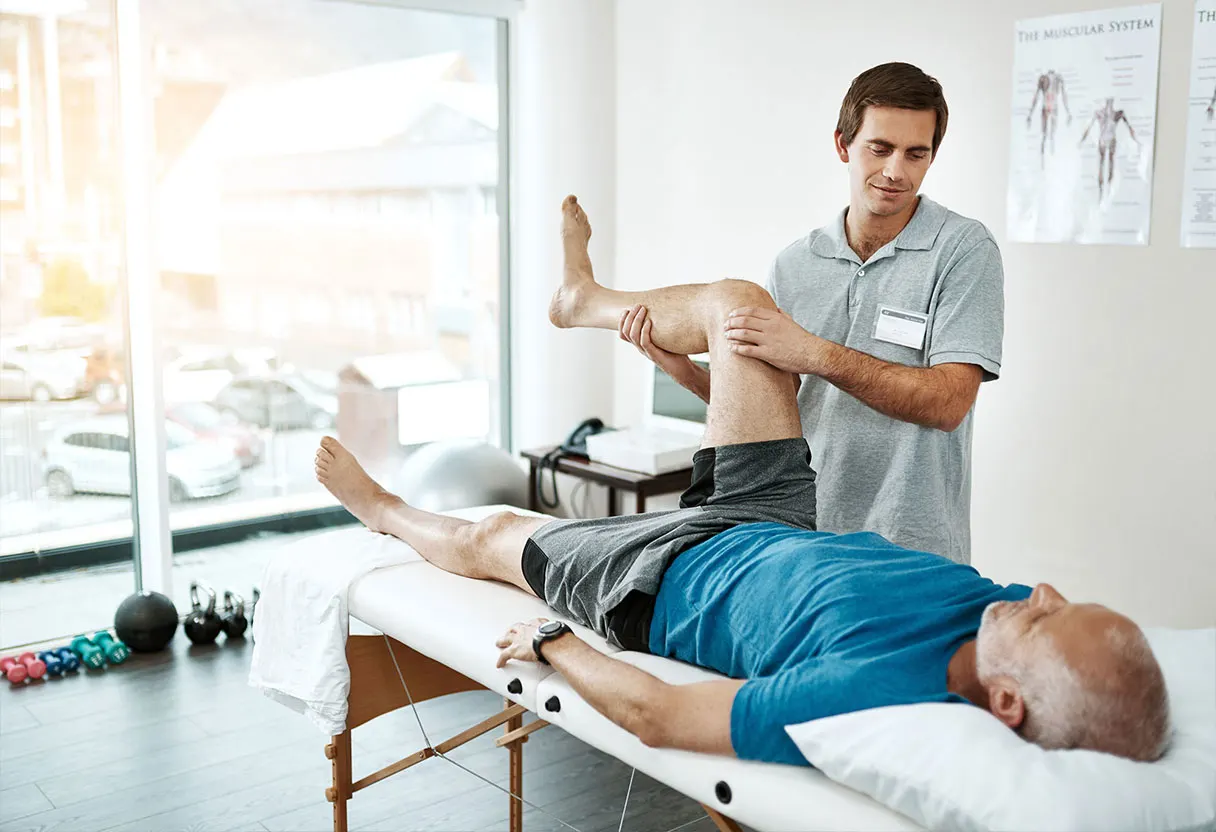
When seeking Tendinitis in Markham, patients may benefit from an assessment that considers both their current symptoms and the activities contributing to them. At Revive Wellness Clinic, the physiotherapy process can begin with a review of symptom history, movement limitations, activity levels, and the location of tenderness.
Based on the findings, a care plan may include:
- Movement assessment: Examining joint mobility and movements that reproduce discomfort.
- Therapeutic exercises: Using appropriate mobility and strengthening exercises to support tendon function.
- Activity modification: Adjusting repetitive movements or physical demands while symptoms are present.
- Progressive loading: Gradually increasing exercise demands according to tolerance and clinical findings.
- Functional training: Practising movements related to work, household tasks, sports, or other daily activities.
The approach depends on the tendon involved, symptom duration, physical demands, and individual assessment results. Persistent or worsening symptoms may require further medical evaluation to rule out other causes.
When Should You Seek Care for Tendinitis?
Consider arranging an assessment if tendon discomfort continues, limits daily activities, or returns whenever you resume a particular movement. Early evaluation can help identify contributing factors and determine suitable next steps. Sudden severe pain, a popping sensation followed by weakness, or an inability to bear weight may indicate a significant injury requiring prompt medical attention.
For people seeking Tendinitis Treatment in Markham, knowing which tendon is affected can help guide the assessment and subsequent care. Symptoms around the wrist, thumb, shoulder, hip, and ankle can have different causes, so an appropriate examination is important before starting exercises.
Get Started
If tendon discomfort is interfering with your work, exercise, or everyday activities, Revive Wellness Clinic in Markham can assess your symptoms and discuss suitable physiotherapy options. Whether you have wrist, thumb, shoulder, hip, or ankle tendinitis, our team can help determine the next steps based on your condition and functional needs.
Contact Revive Wellness Clinic to arrange an appointment and discuss Tendinitis in Markham care options that fit your circumstances.
Call: 905-209-3111
Visit: 8 Shadlock St Unit 10, Markham, ON L3S 3E1, Canada