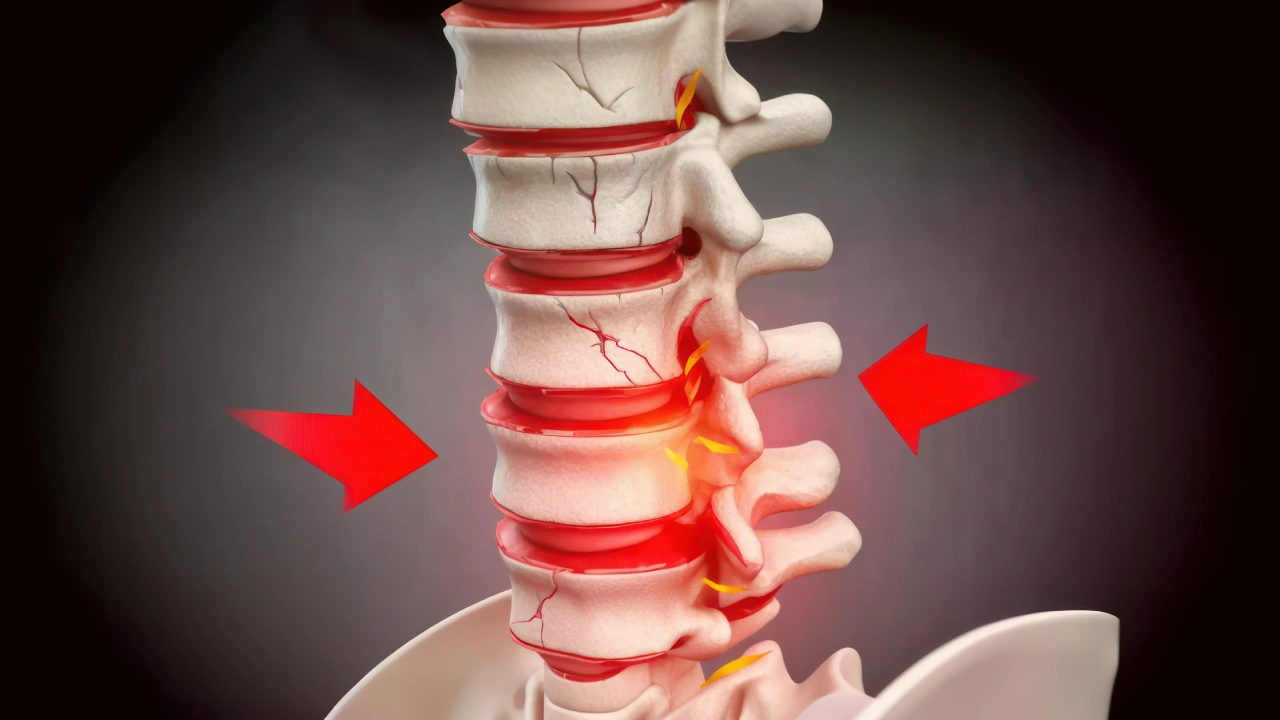
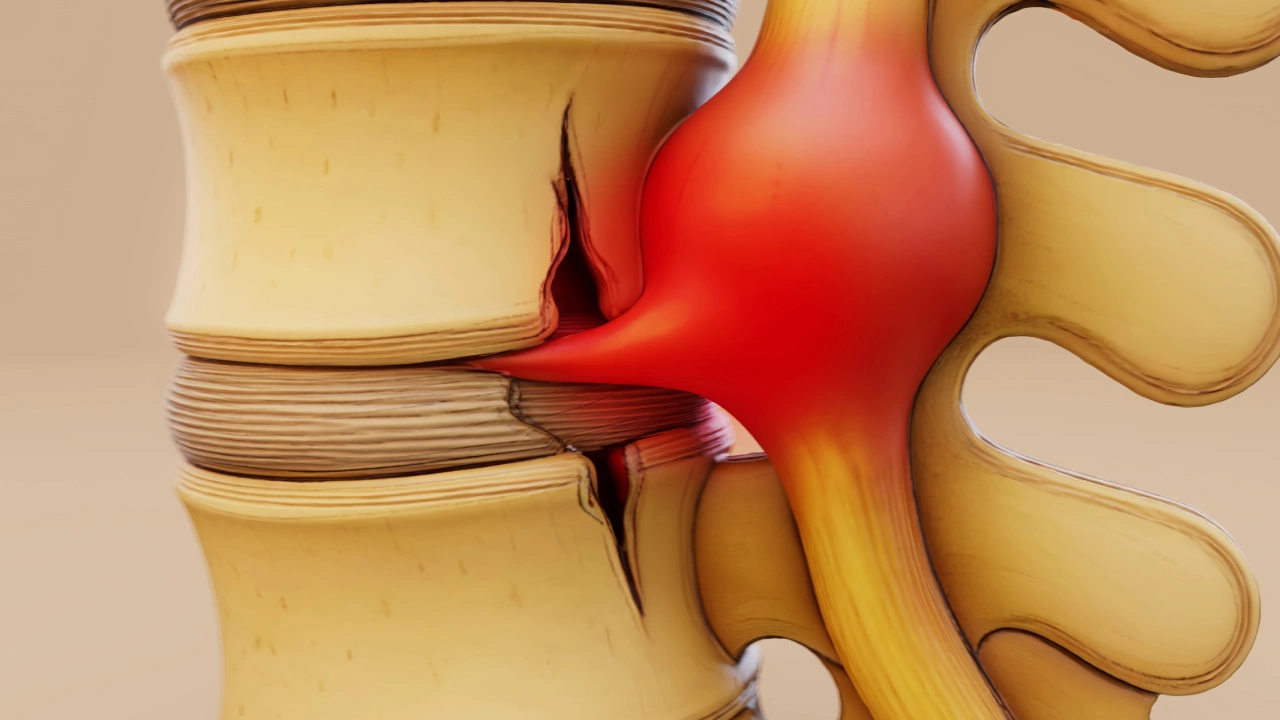
Joint Pain

Joint Pain
Joint pain can affect how you walk, climb stairs, lift objects, sit, or carry out everyday activities. It may develop gradually due to repeated movements, age-related changes, arthritis, or strain on the tissues surrounding a joint. At Revive Wellness Clinic, we assess joint pain affecting different areas of the body and provide physiotherapy care based on the affected joint, your symptoms, and your movement needs.
Types of Joint Pain We Treat
Joint pain can affect one or multiple areas of the body. Our physiotherapy services address common joint-related concerns, including:
- Shoulder Joint Pain: Discomfort while reaching overhead, lifting objects, rotating the arm, or performing daily tasks.
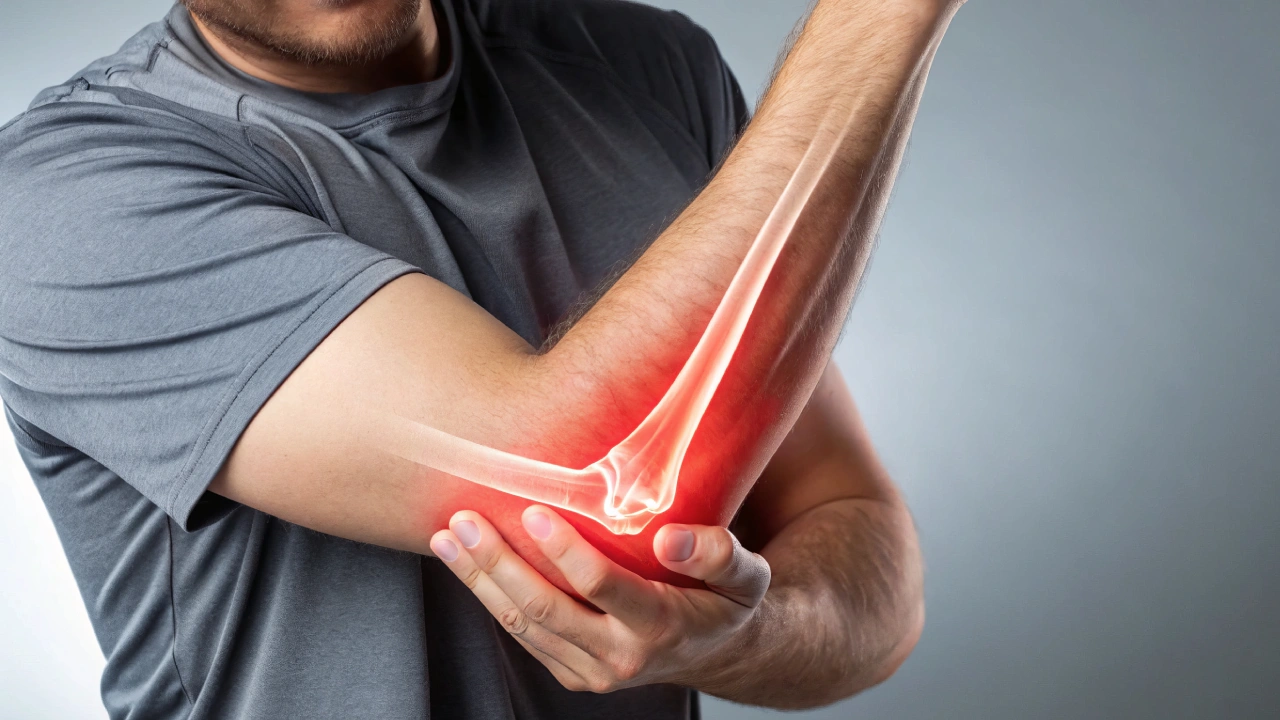
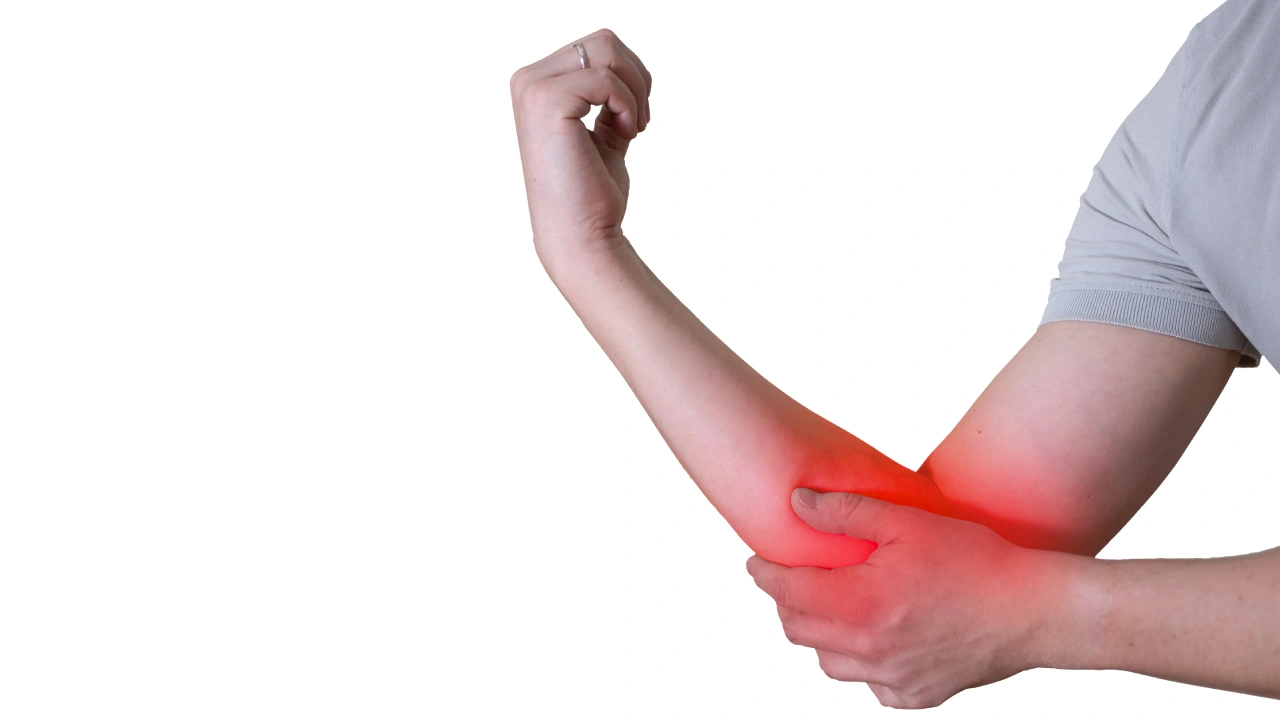
- Elbow Joint Pain: Pain during gripping, lifting, bending, or straightening the arm.
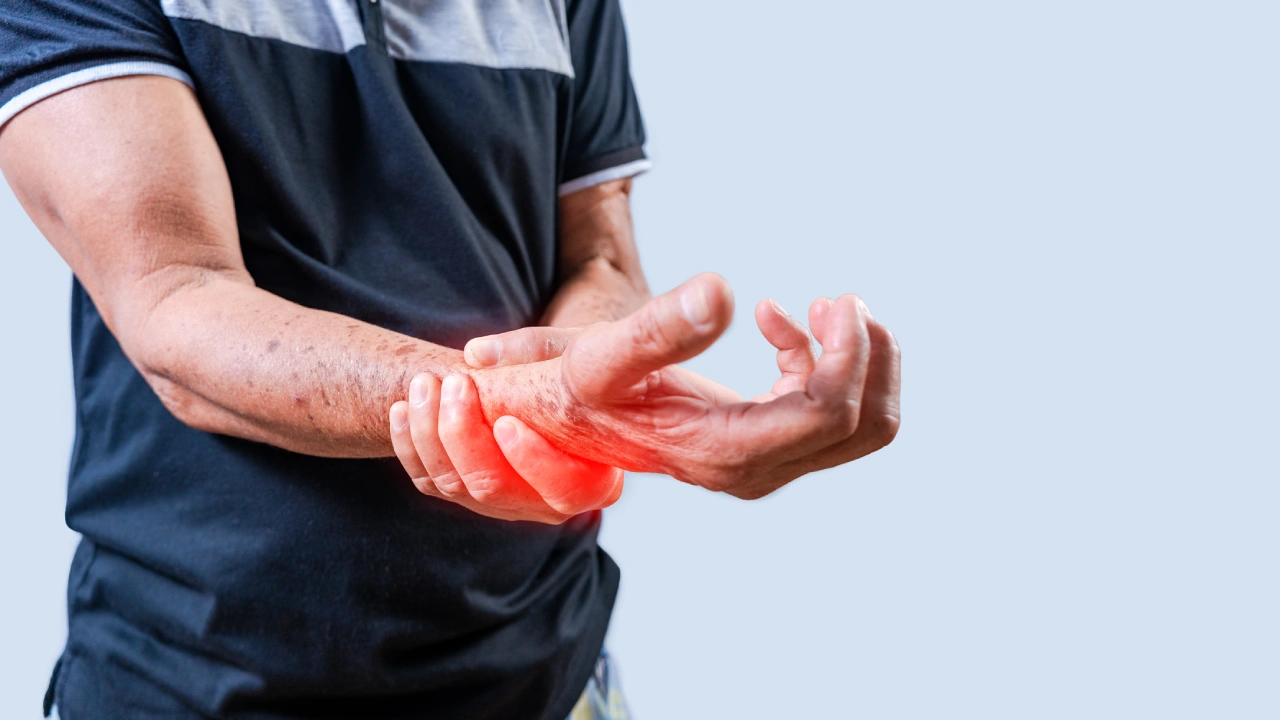
- Wrist Joint Pain: Discomfort associated with repetitive hand movements, typing, gripping, or lifting.
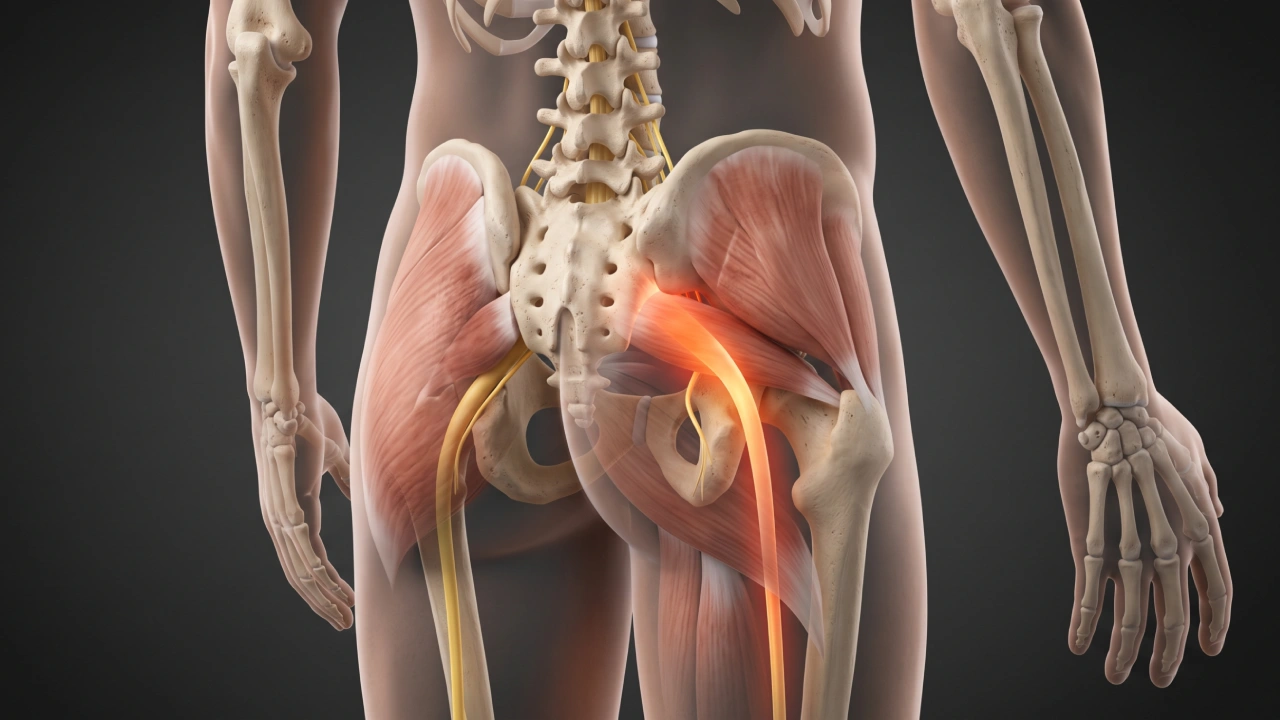
- Hip Joint Pain: Pain while walking, standing, sitting for extended periods, or moving the leg.
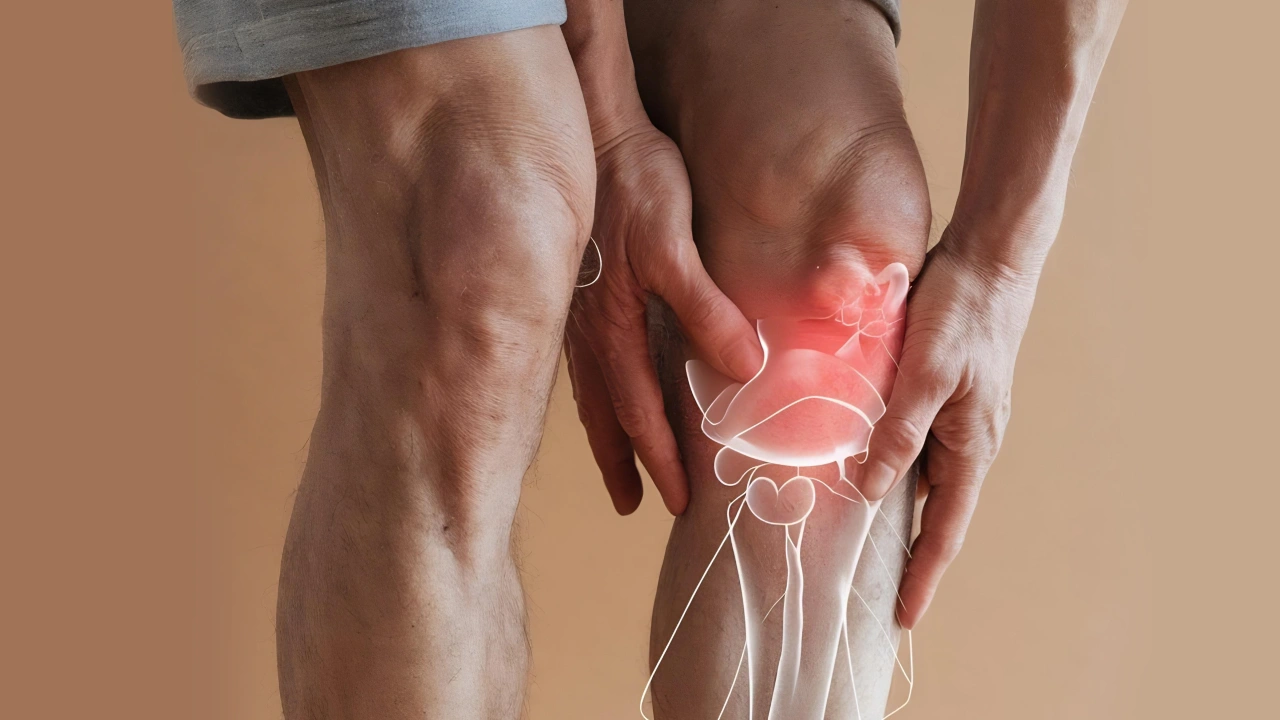
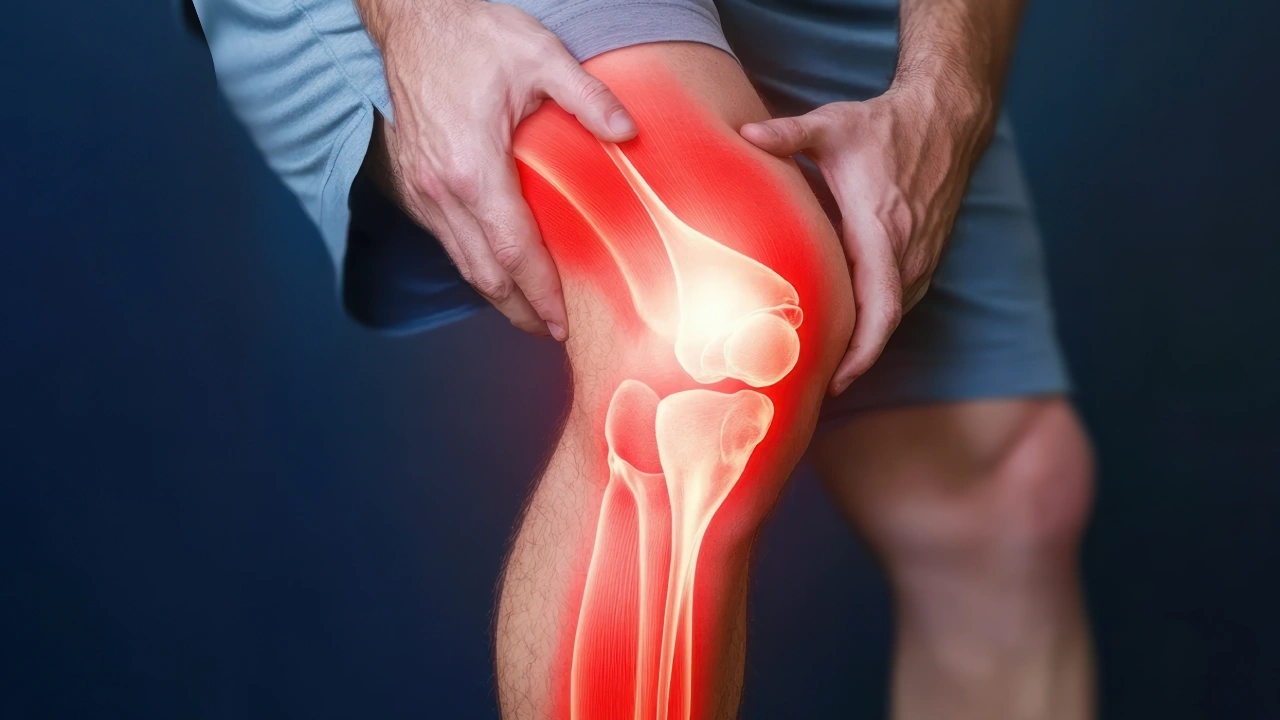
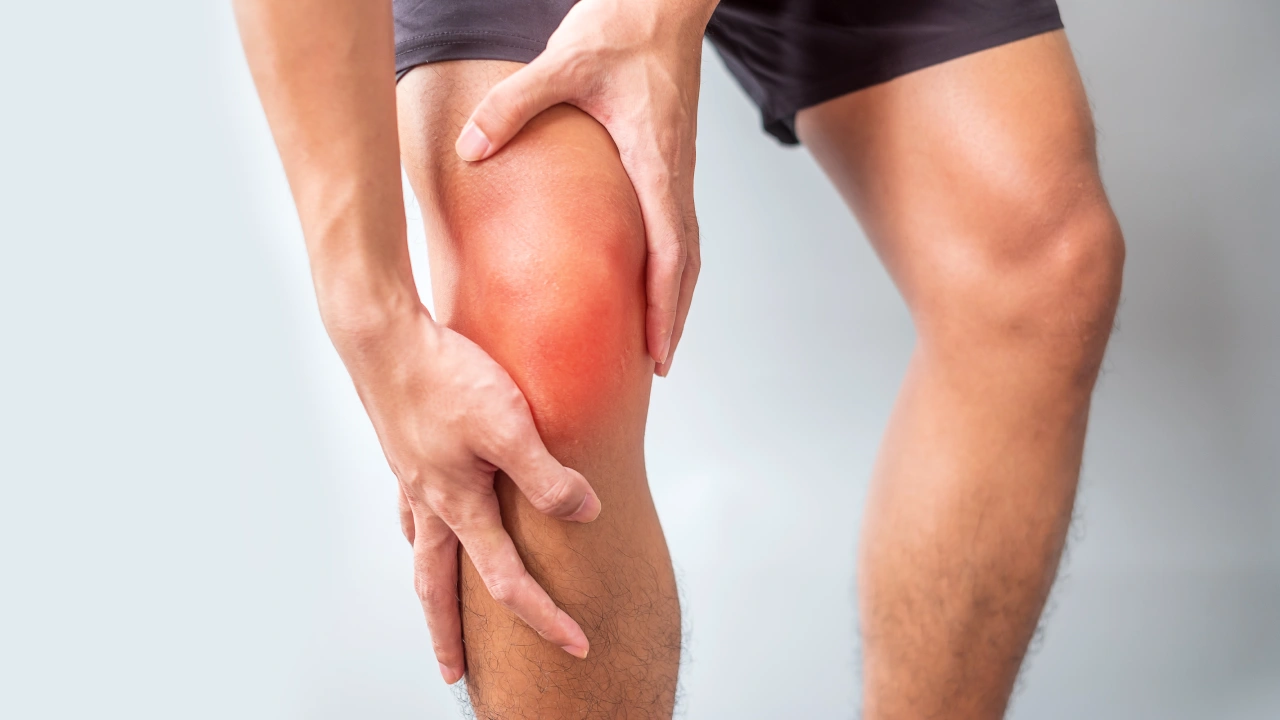
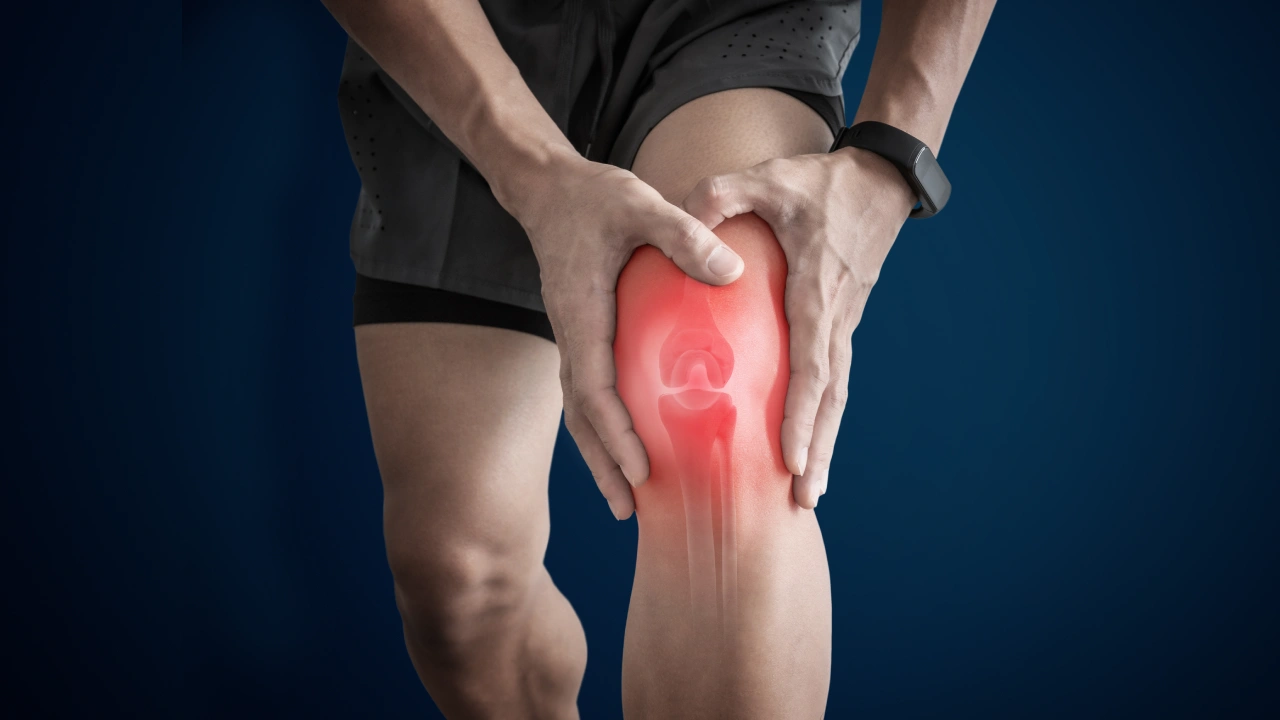
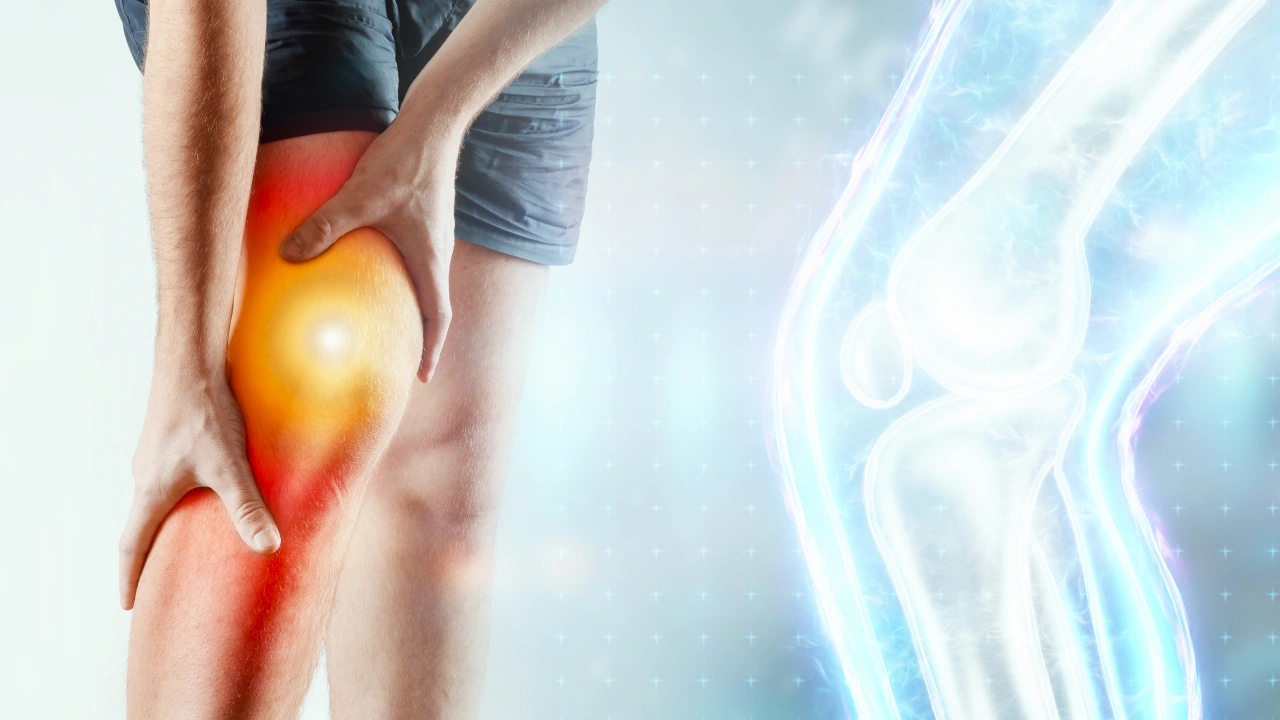
- Knee Joint Pain: Discomfort during walking, climbing stairs, squatting, bending, or standing up from a chair.
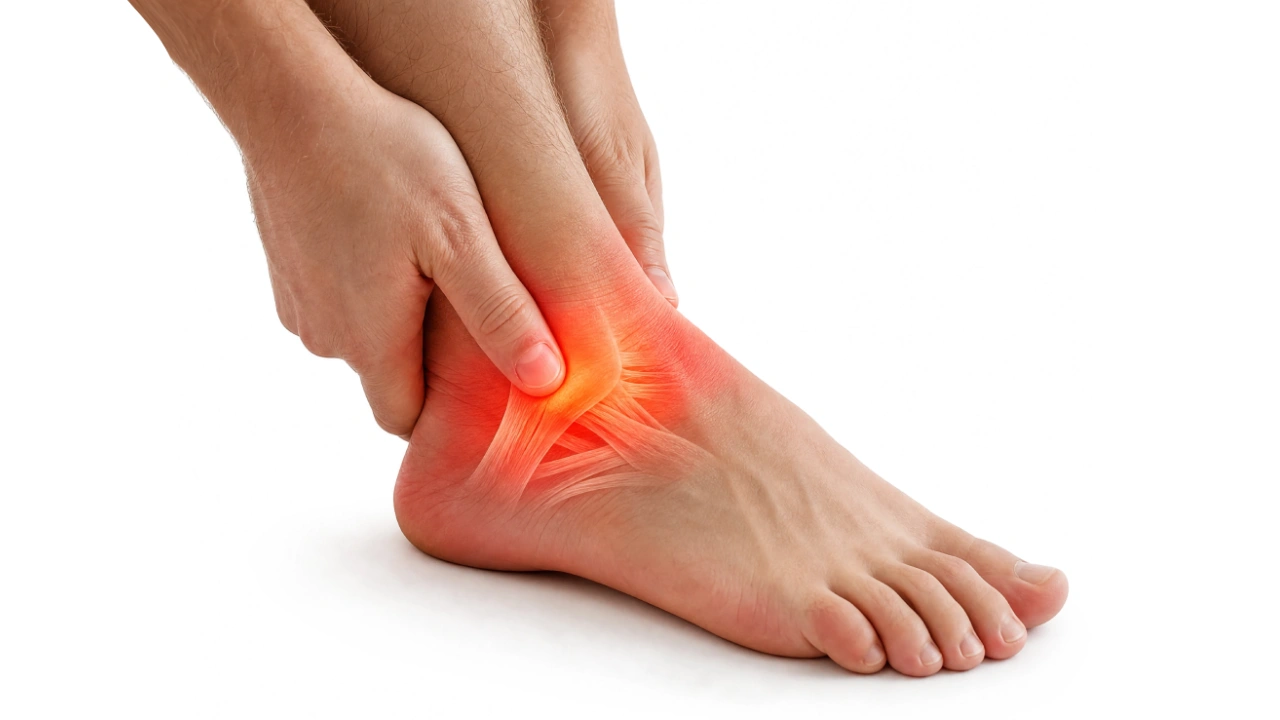
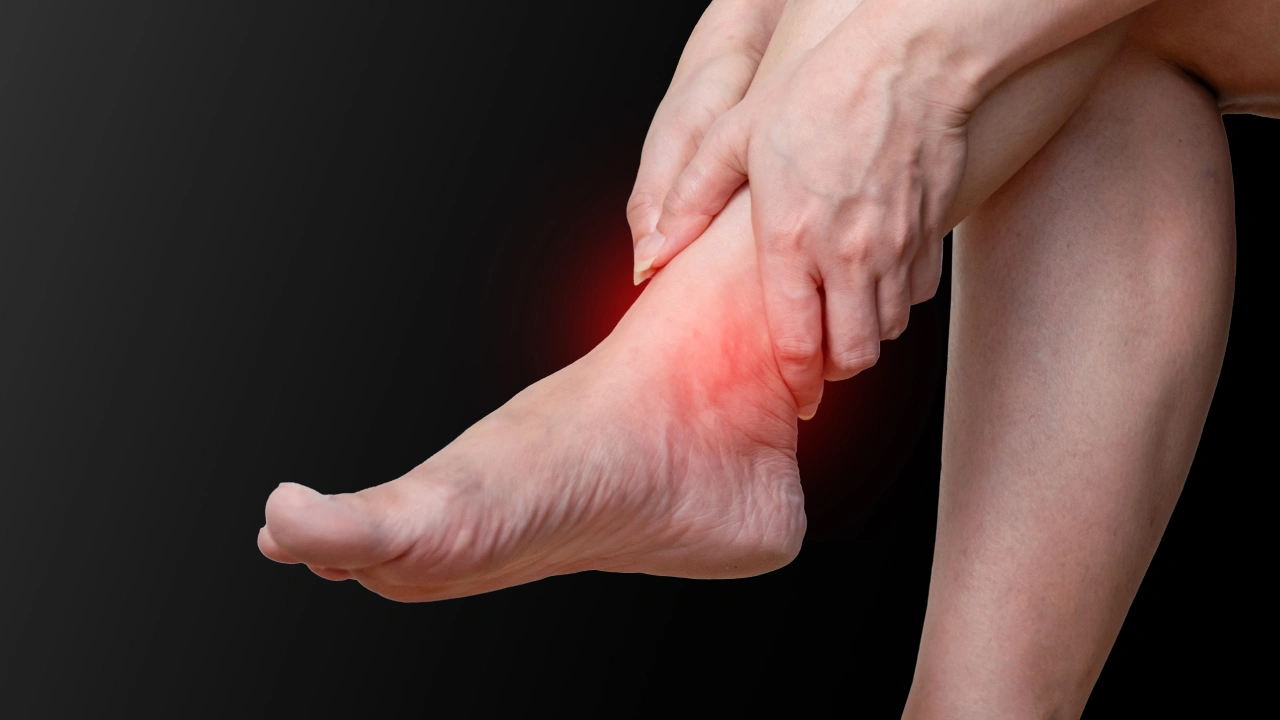
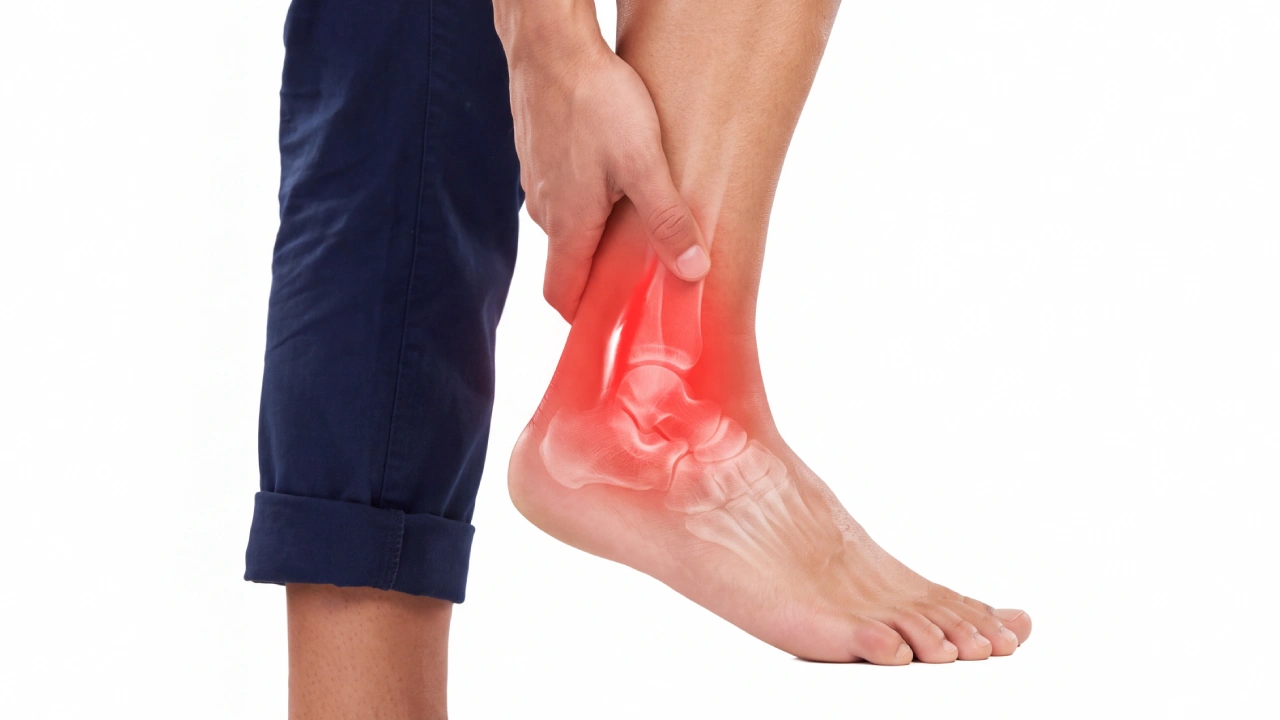
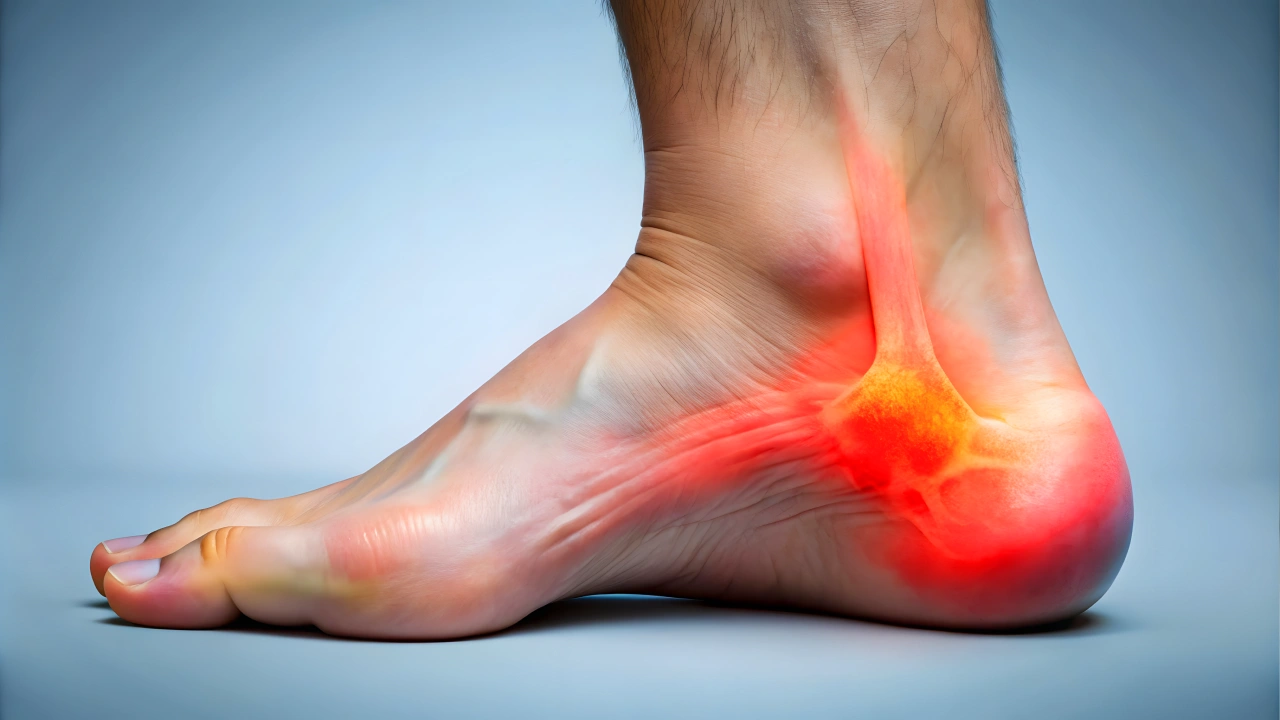
- Ankle Joint Pain: Pain or stiffness during walking, running, standing, or moving the foot.
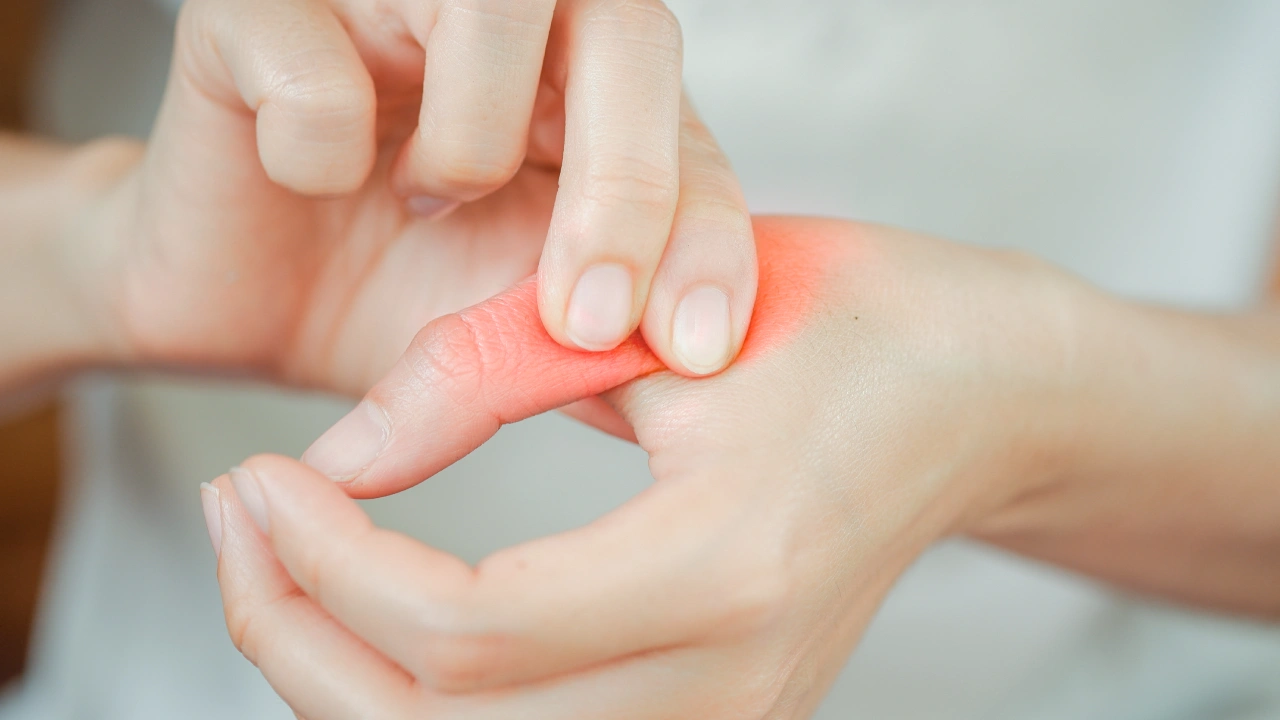
- Finger and Thumb Joint Pain: Discomfort that affects gripping, writing, opening containers, and handling everyday objects.
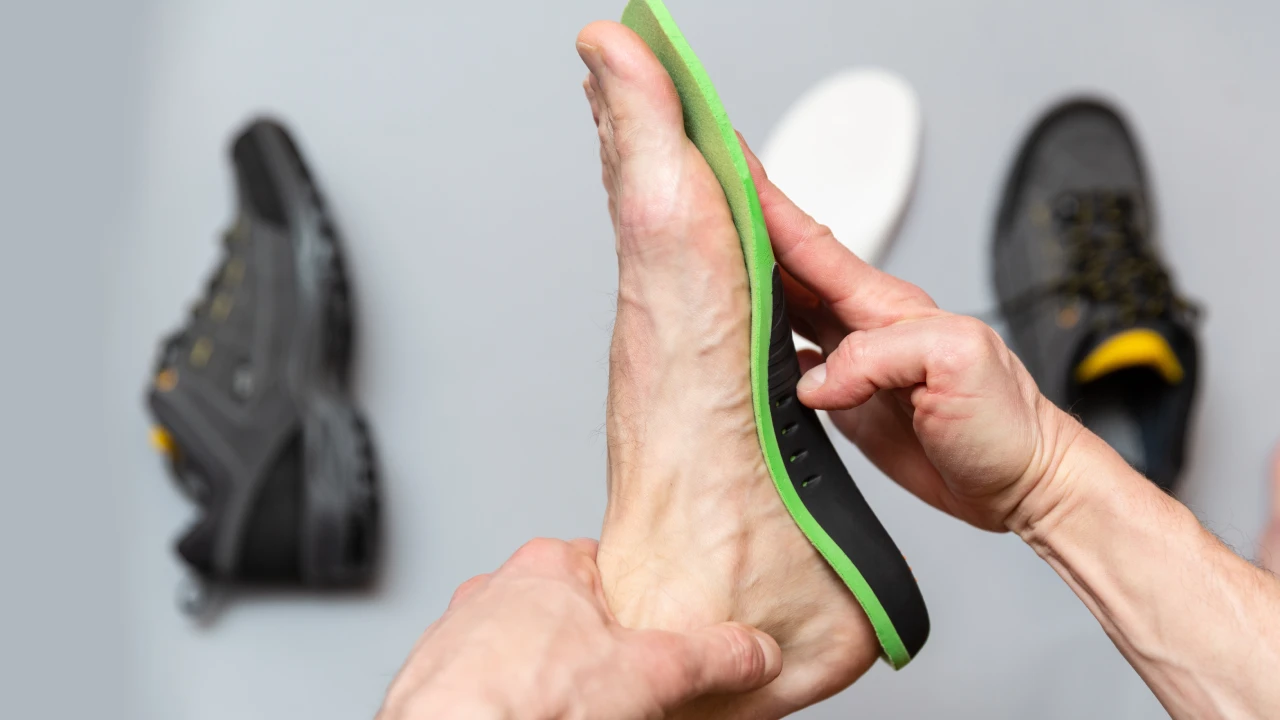
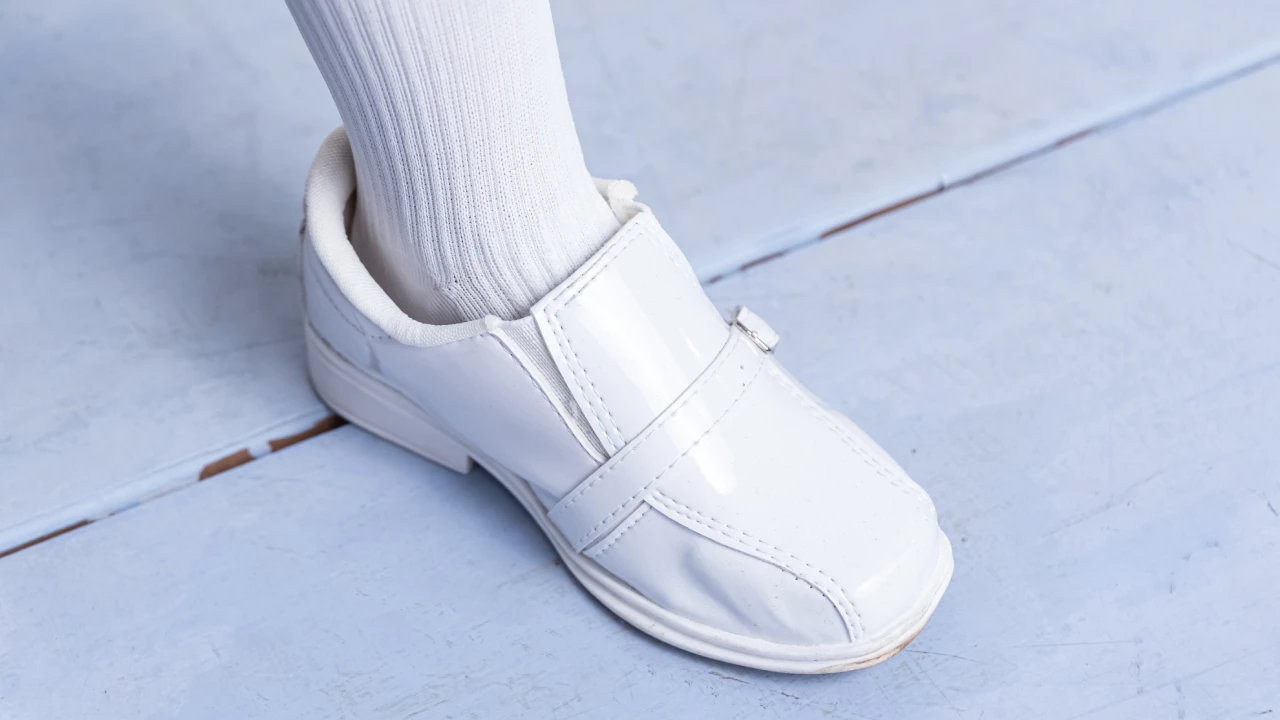
- Toe Joint Pain: Pain during walking, standing, or wearing certain types of footwear.
Joint Pain Associated With Arthritis
Arthritis can cause joint pain, stiffness, swelling, and restricted movement. Osteoarthritis commonly affects the knees, hips, hands, and other joints, while different forms of inflammatory arthritis may affect several joints at once.
At Revive Wellness Clinic, physiotherapy may include guided exercises, mobility work, strengthening activities, and advice on modifying daily movements. The approach depends on the affected joint, your current mobility, and the findings of your assessment.
Common Causes of Joint Pain
Joint pain can arise from several conditions and physical stresses, such as:
- Arthritis: Changes within the joint that may contribute to pain and stiffness.
- Sprains and Strains: Injuries affecting ligaments, muscles, or tendons around a joint.
- Tendinitis: Irritation or inflammation of a tendon near a joint.
- Overuse: Repeated movements or excessive physical demands that place stress on joint structures.
- Previous Injuries: Earlier injuries that continue to affect joint movement, strength, or stability.
Identifying the possible cause helps determine which physiotherapy interventions may be appropriate.
Physiotherapy for Joint Pain at Revive Wellness Clinic
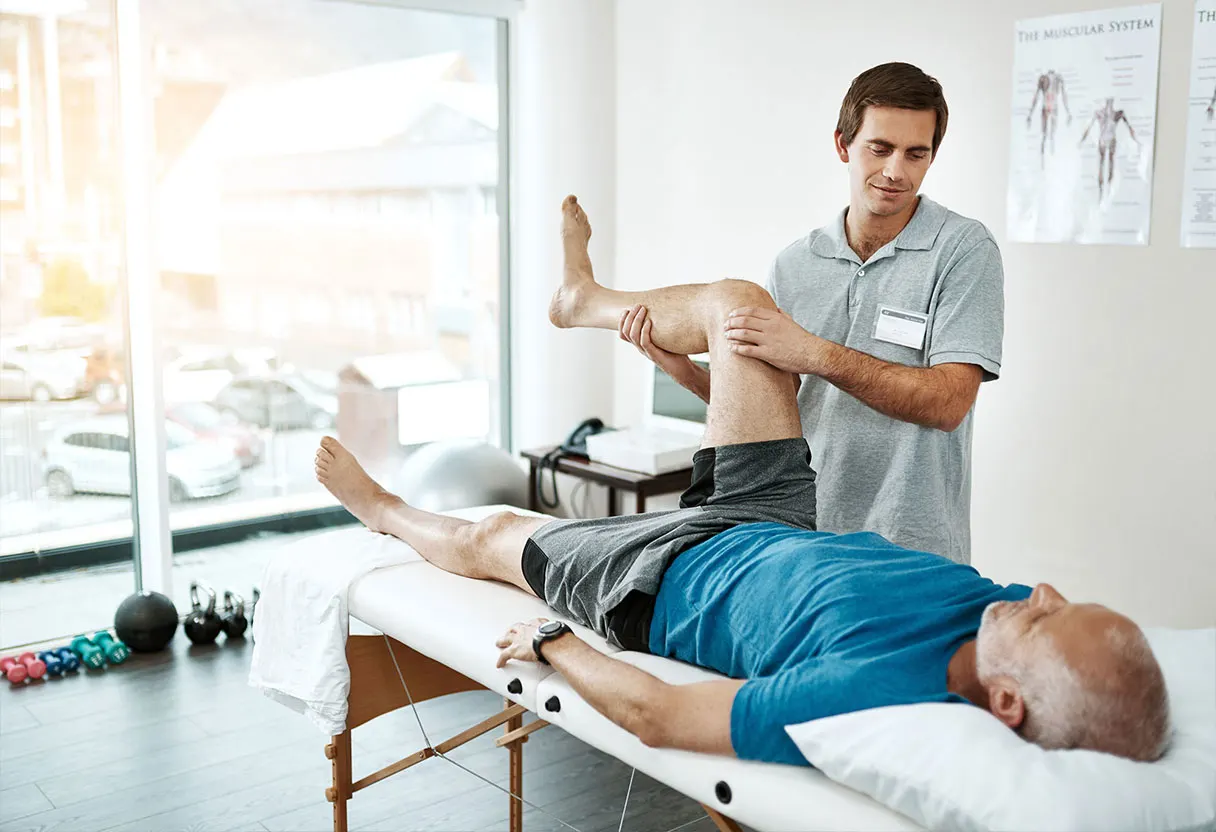
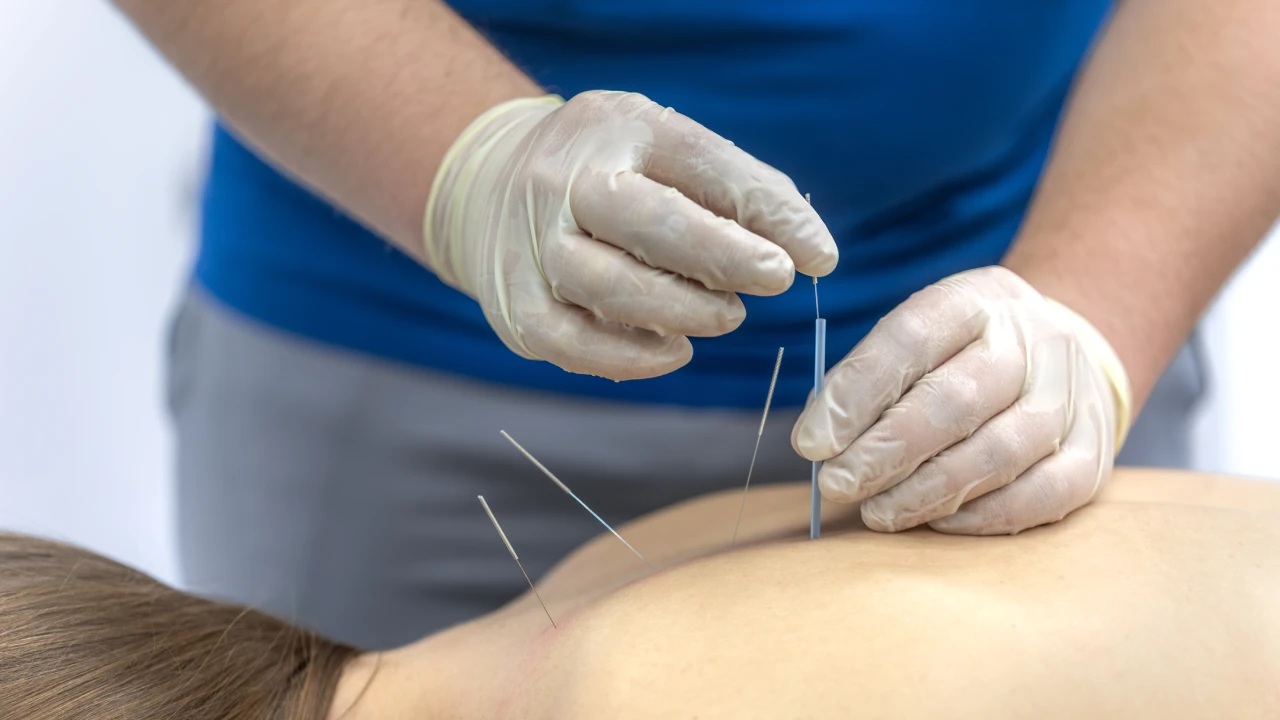
Our physiotherapy assessment examines joint movement, flexibility, strength, stability, and activities that trigger discomfort. Based on the findings, your physiotherapist may recommend therapeutic exercises, manual therapy, mobility training, or gradual strengthening.
Treatment aims to support joint function, improve movement tolerance, and help you manage everyday physical demands. Your progress and response to each intervention can inform adjustments to your care plan.
When Should You Seek Assessment for Joint Pain?
Consider arranging an assessment if joint pain persists, repeatedly returns, limits daily activities, or makes movement difficult. Seek prompt medical attention for sudden severe pain, significant swelling, a hot or red joint accompanied by fever, or an inability to bear weight after an injury.
Book a Physiotherapy Assessment
Joint pain can interfere with work, exercise, and daily routines. Revive Wellness Clinic provides physiotherapy services for people experiencing joint discomfort, stiffness, and movement restrictions.
Contact Revive Wellness Clinic to arrange an assessment and discuss suitable physiotherapy options for your joint-related concerns.
Phone: +1 905-209-3111