Golfer’s Elbow
Golfer’s elbow in Markham
Golfer’s elbow can make everyday activities such as lifting a grocery bag, opening a jar, typing, or gripping a steering wheel uncomfortable. Despite its name, this condition does not affect only golfers. Anyone who repeatedly uses their wrist, forearm, or hand may develop discomfort around the inner side of the elbow. At Revive Wellness Clinic, we help patients address movement limitations associated with this condition through physiotherapy services in Markham.
What Is Golfer’s Elbow?
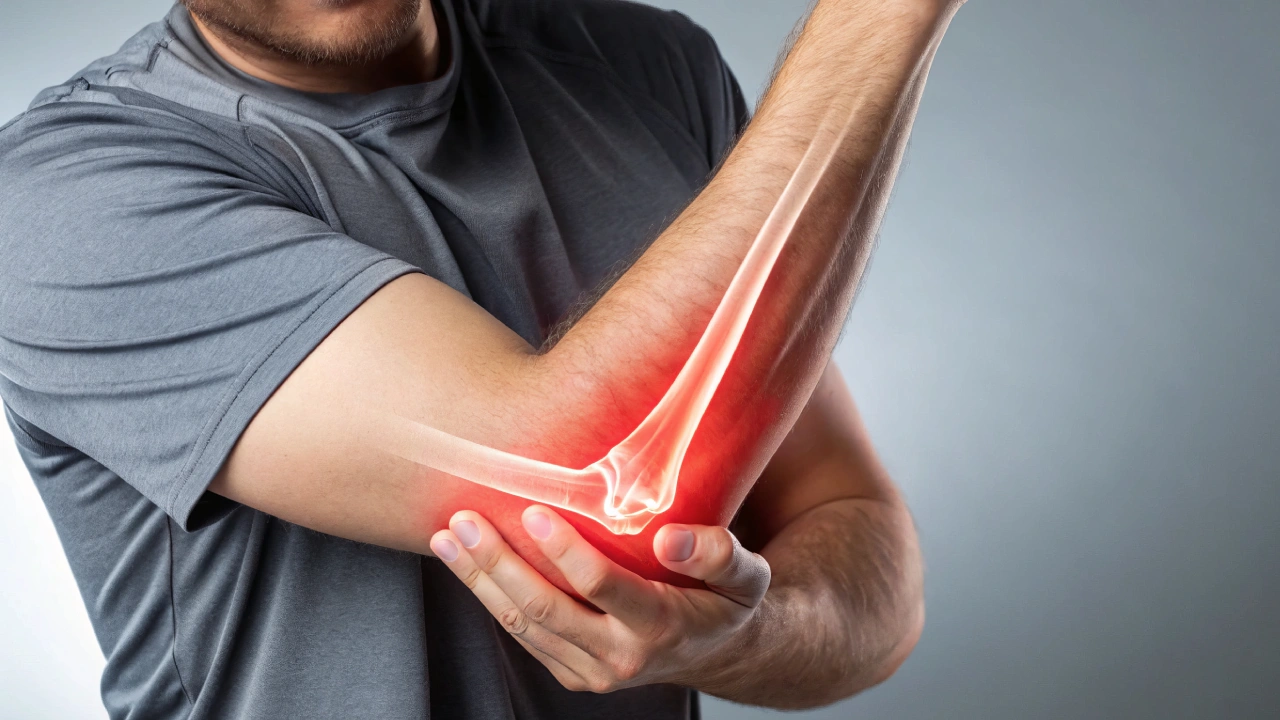
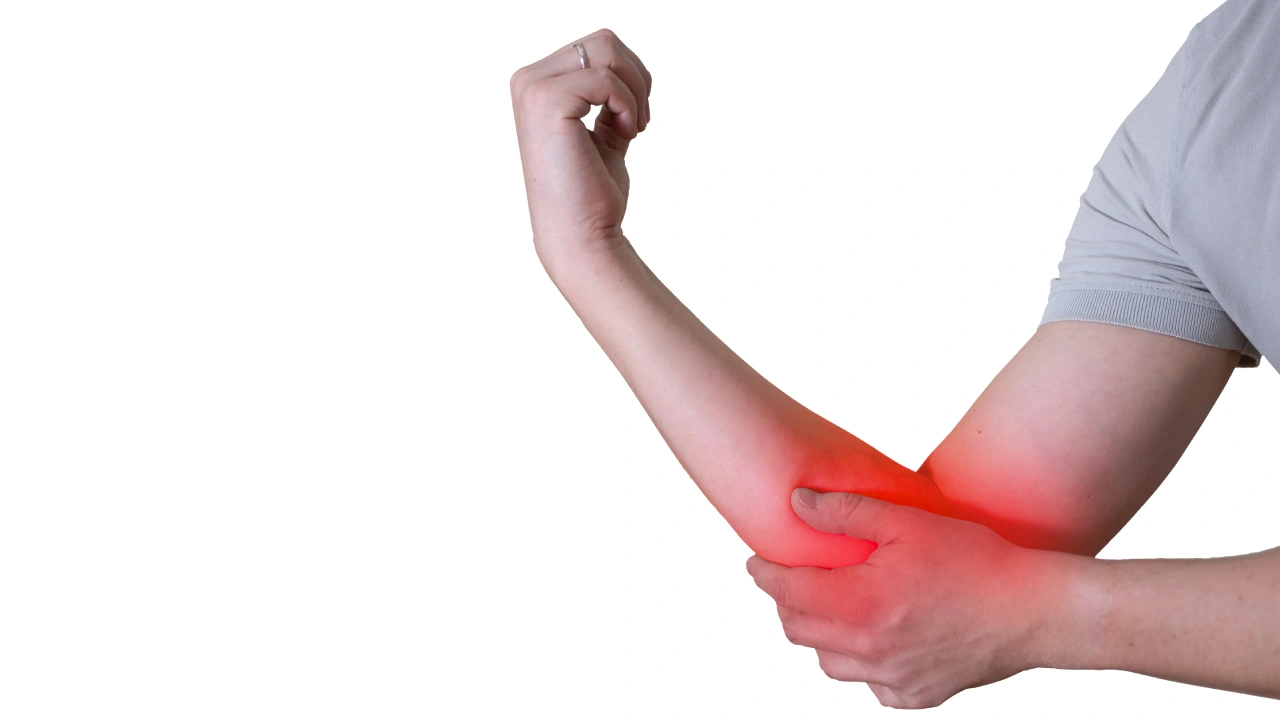
Golfer’s elbow in Markham, medically known as medial epicondylitis, affects the tendons connecting the forearm muscles to the inner part of the elbow. These muscles help bend the wrist and fingers and support gripping movements. Repeated strain can irritate the tendon attachment, resulting in tenderness, stiffness, and discomfort.
People who participate in sports involving repeated swinging, throwing, or gripping may develop this condition. However, occupations and daily activities involving repetitive wrist movements can also contribute to its development.
Seeking assessment for Golfer’s elbow in Markham can help identify the factors contributing to your symptoms and determine which treatment options may be appropriate.
Common Symptoms of Golfer’s Elbow
Symptoms can develop gradually or appear after a sudden increase in physical activity. The severity varies from person to person, and discomfort may increase when performing tasks that involve gripping or bending the wrist.
Common signs include:
- Inner elbow discomfort: Tenderness around the bony prominence on the inside of the elbow.
- Reduced grip strength: Difficulty holding tools, lifting objects, or carrying bags.
- Wrist movement discomfort: Increased symptoms when bending the wrist or rotating the forearm.
- Stiffness: A restricted or uncomfortable feeling around the elbow, particularly after periods of inactivity.
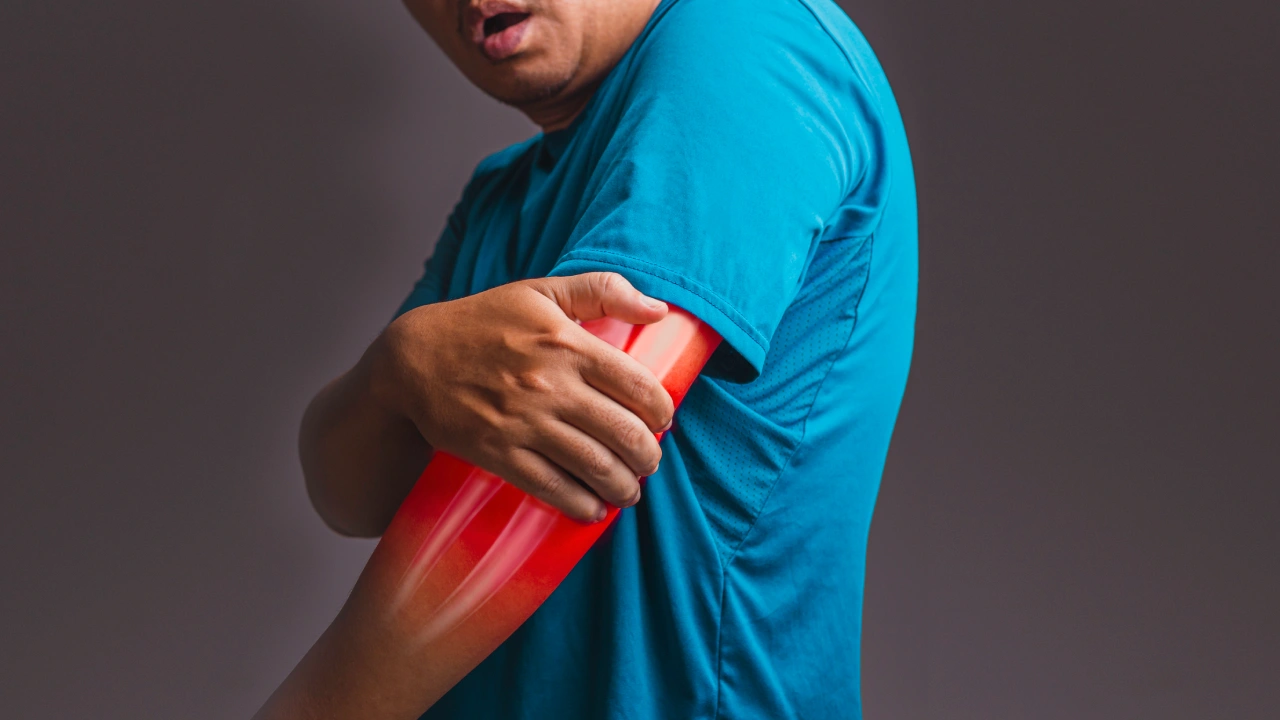
- Forearm tenderness: Soreness that extends from the inner elbow into the forearm.
- Discomfort during exercise: Symptoms that become more noticeable during weight training, racket sports, or repetitive manual tasks.
If these symptoms persist or interfere with everyday activities, an assessment can help determine whether golfer’s elbow in Markham or another condition may be responsible.
What Causes Golfer’s Elbow?
Repeated tendon loading is a common contributor to golfer’s elbow. When the forearm tendons experience more strain than they can tolerate, the affected tissue may become painful and less able to handle normal activities.
Potential contributing factors include the following:
- Repetitive gripping, lifting, or wrist bending.
- Playing golf, tennis, or other sports involving repeated arm movements.
- Weightlifting with excessive loads or sudden increases in training volume.
- Manual work involving tools, equipment, or repetitive hand movements.
- Returning to exercise too quickly after a period of reduced activity.
- Limited forearm strength or poor tolerance for repeated physical demands.
Identifying these factors is an important part of planning Golfer’s elbow in Markham treatment, as continuing the same activities without adjusting the workload may prolong symptoms.
How Physiotherapy Can Help?
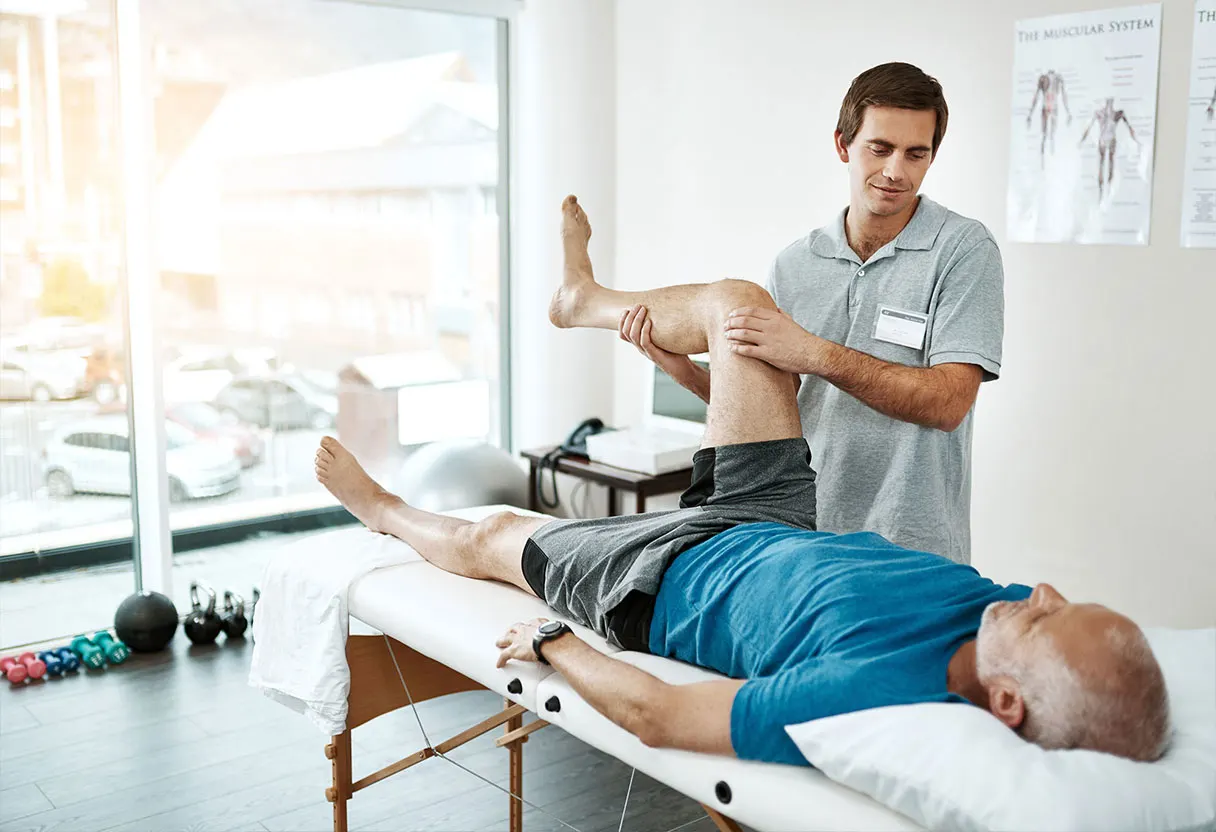
Physiotherapy may help manage golfer’s elbow by addressing discomfort, improving forearm function, and gradually rebuilding the tendon’s ability to tolerate daily demands. At Revive Wellness Clinic, the approach depends on the patient’s symptoms, activity levels, and assessment findings.
Physical Assessment
An assessment may include questions about symptom onset, work activities, sports participation, and previous injuries. A physiotherapist may also examine elbow movement, wrist strength, grip function, and tenderness to determine which activities reproduce symptoms.
Exercise-Based Rehabilitation
A rehabilitation program may include gradual wrist-flexor strengthening, forearm conditioning, and grip exercises. The exercises are adjusted according to symptom response and physical capacity. Gradually increasing resistance can help prepare the tendon for the demands of work, exercise, and recreation.
Manual Therapy
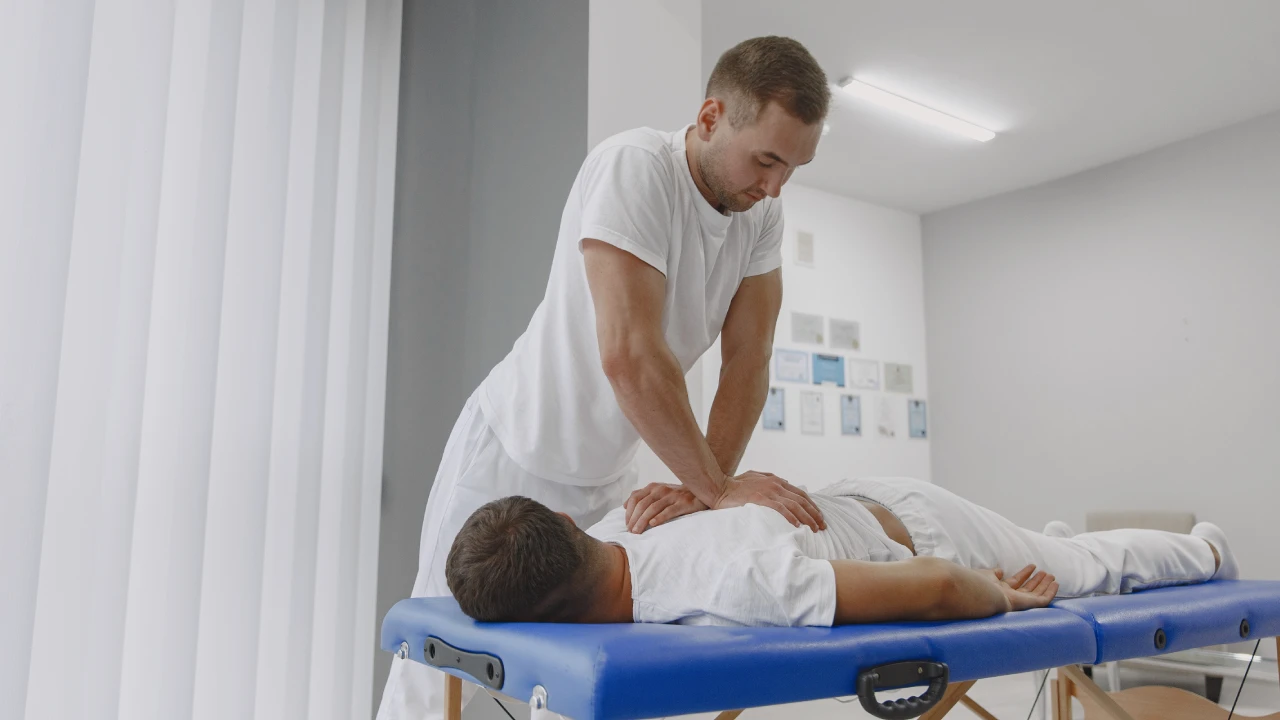
Hands-on techniques may be considered when appropriate to address movement restrictions and surrounding muscle tension. These techniques can form part of a broader rehabilitation program rather than replace active exercise.
Activity Modification
Temporary changes to repetitive tasks may help reduce excessive strain. Adjustments could include modifying grip pressure, changing lifting methods, taking short breaks, or reducing training intensity while symptoms settle.
When Should You Seek Assessment?
Consider an assessment if inner elbow discomfort persists, grip strength decreases, or everyday activities become difficult. Seek prompt medical attention following a significant injury, marked swelling, numbness, or sudden weakness.
At Revive Wellness Clinic, Golfer’s elbow in Markham care focuses on identifying contributing factors and supporting a gradual return to regular activities. Recovery timelines vary according to symptom severity, activity demands, and individual progress.
Get Started
If elbow discomfort is affecting your work, workouts, or daily routine, Revive Wellness Clinic can assess your symptoms and discuss suitable physiotherapy options.
Contact our Markham clinic to arrange an appointment and learn how a structured rehabilitation plan may support your return to regular activities.
Phone: +1 905-209-3111
Visit: 8 Shadlock St Unit 10, Markham, ON L3S 3E1, Canada