Running Injuries
Running Injuries in Markham
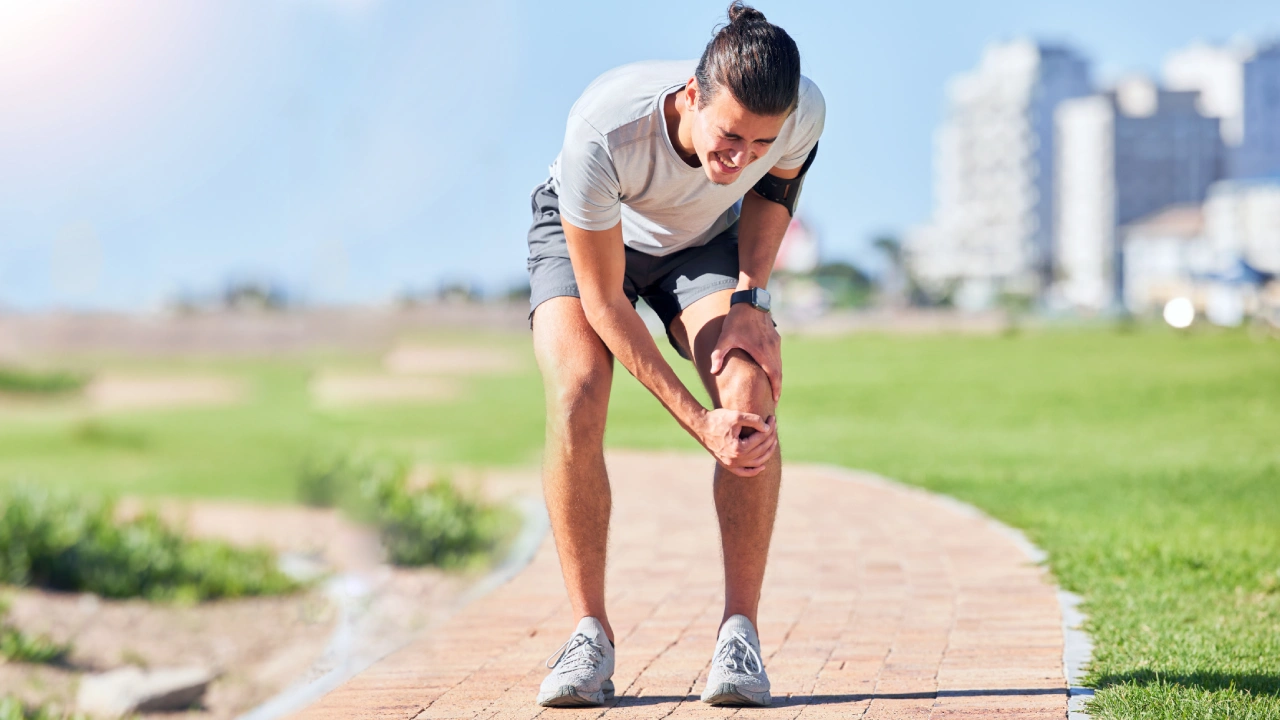
Running can strengthen the body, support cardiovascular health, and provide an outlet for everyday stress. However, when training intensity increases too quickly, footwear wears down, or recovery time becomes insufficient, runners may start noticing aches that interfere with their routines. What begins as mild discomfort in the knee, heel, or shin can gradually become a persistent problem if ignored.
At Revive Wellness Clinic, we help runners address running injuries in markham that affect their training, walking, and everyday activities. Our physiotherapy services focus on identifying contributing factors, improving movement, and helping patients work towards a safe return to running. Whether you run recreationally, prepare for a marathon, or enjoy short jogs around your neighbourhood, recognizing the signs of an injury can help you decide when to seek professional care.
Common Running Injuries We Treat
Running places repeated demands on the muscles, tendons, joints, and bones of the lower body. The type of injury depends on training habits, running mechanics, previous injuries, and individual physical capacity. Our team assesses these factors to determine an appropriate course of care.
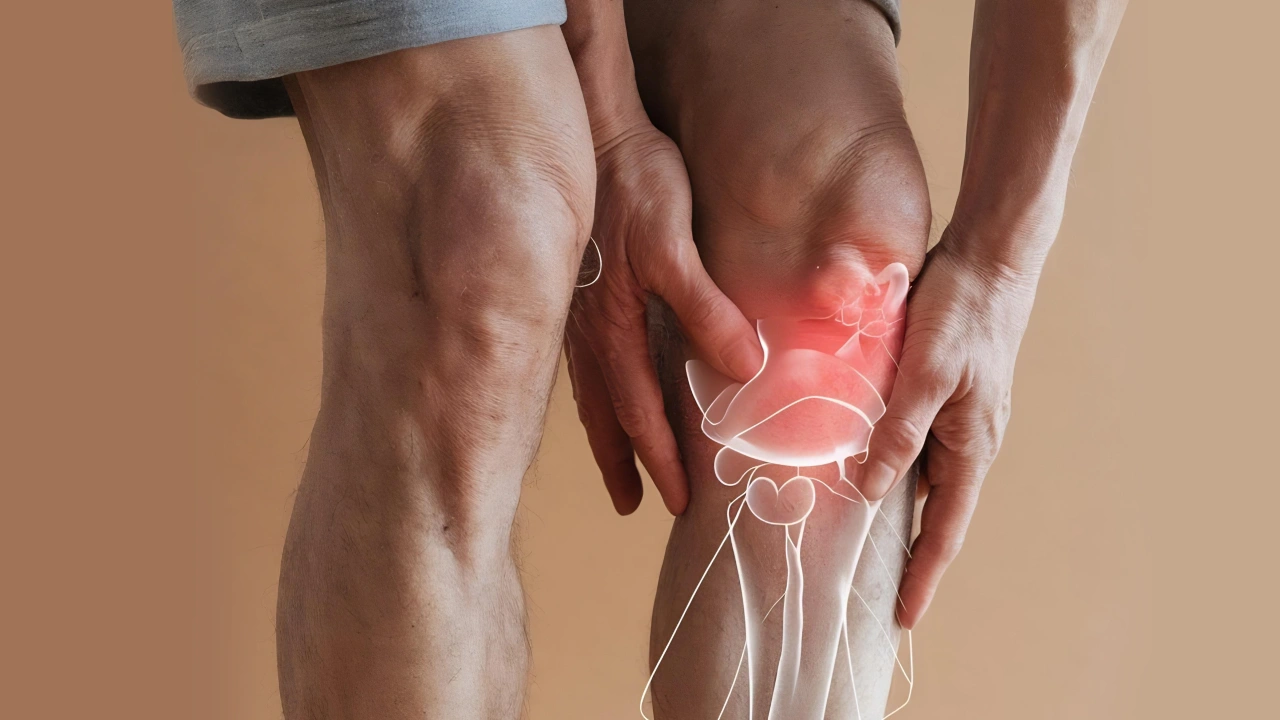
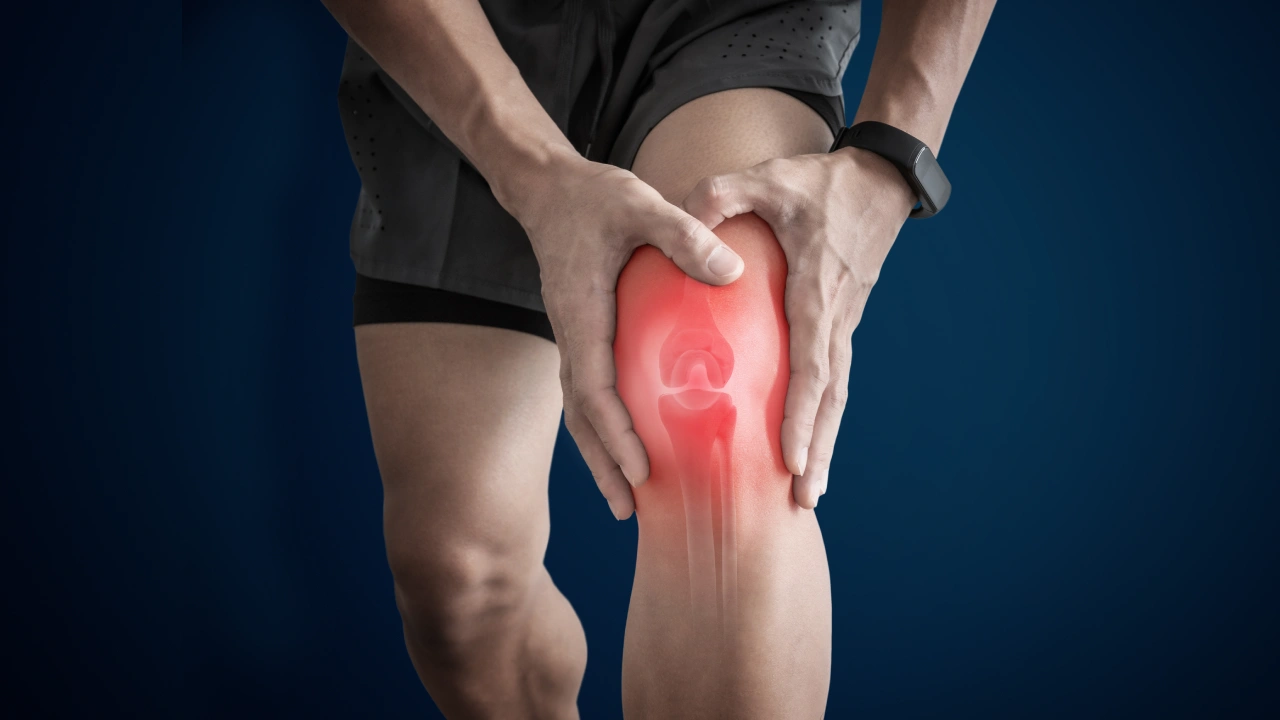
1. Runner’s Knee
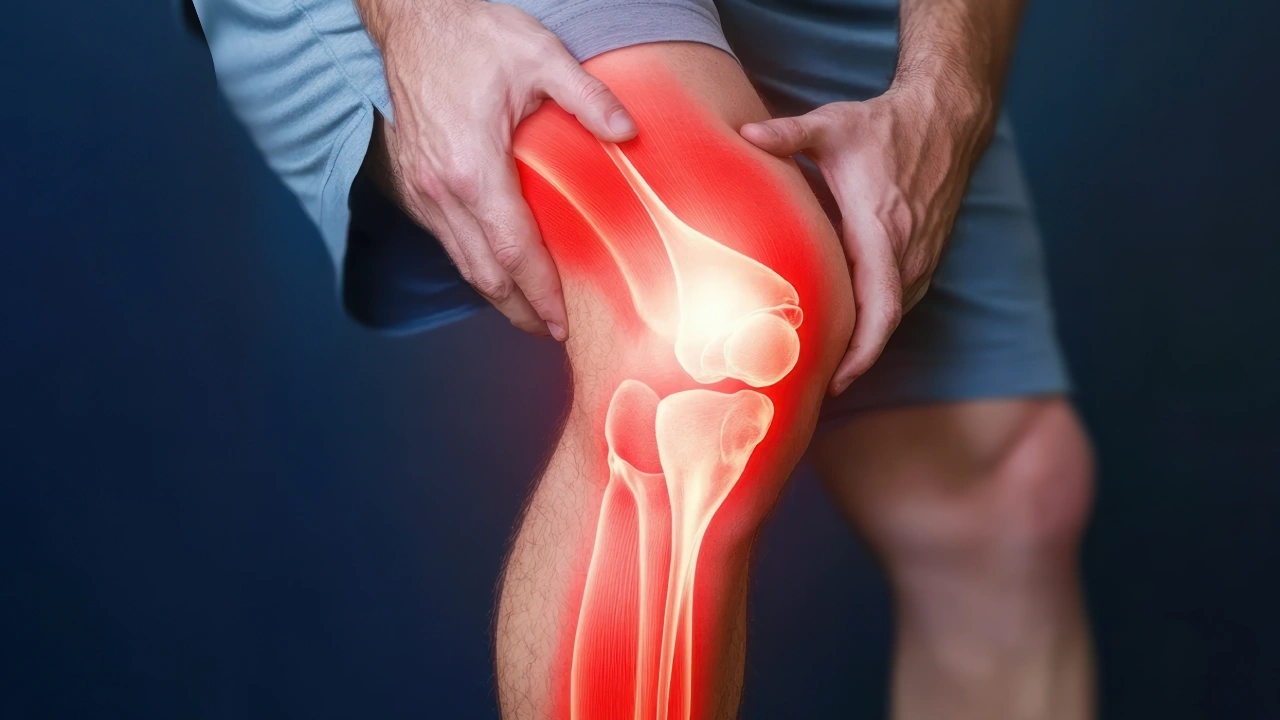
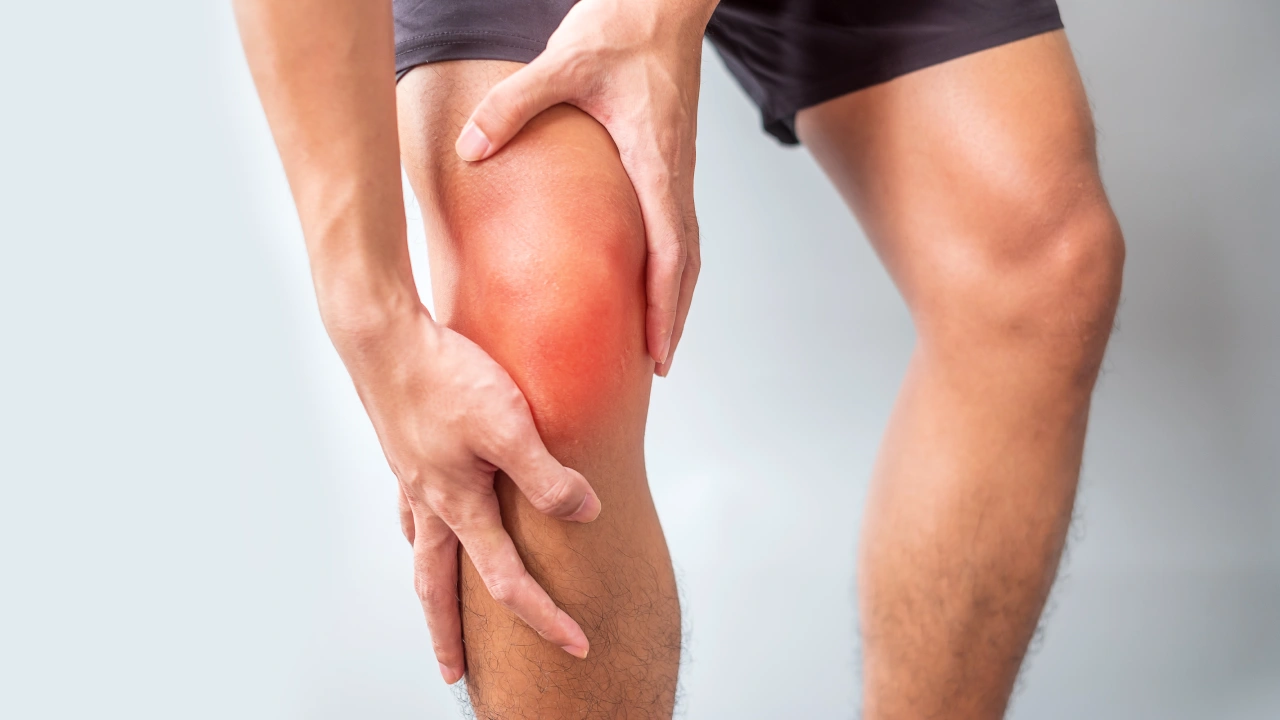
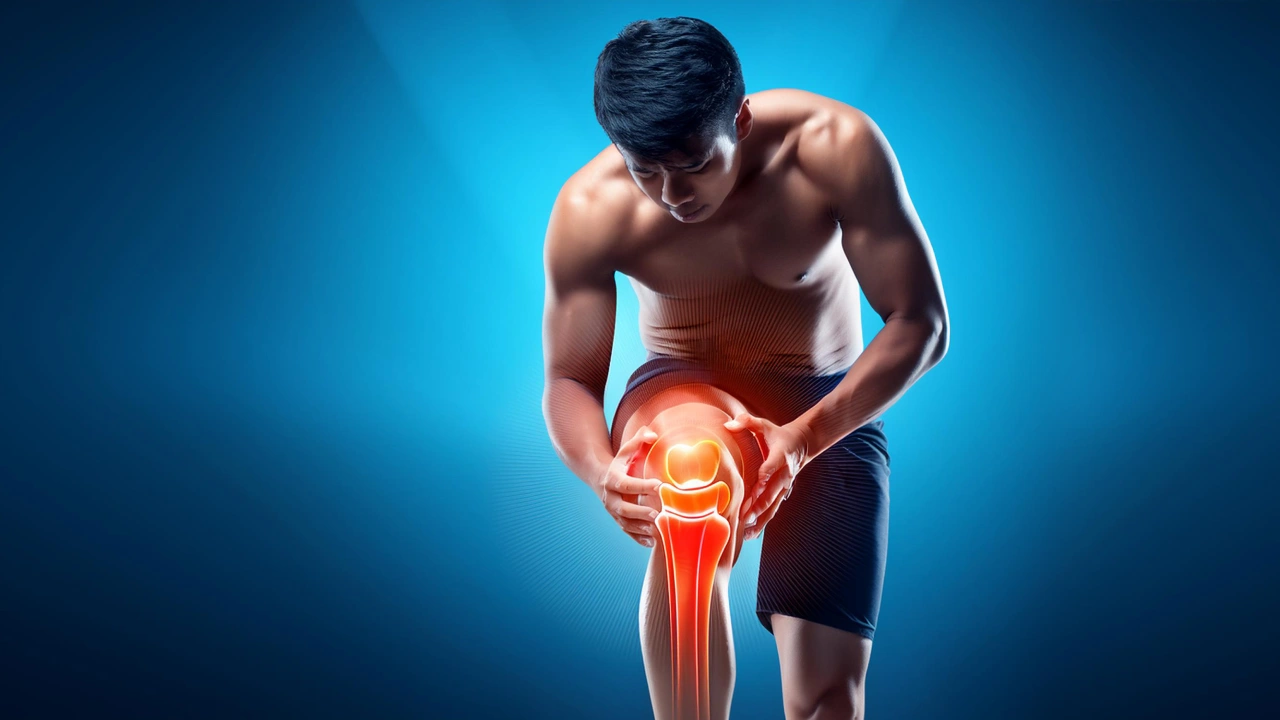
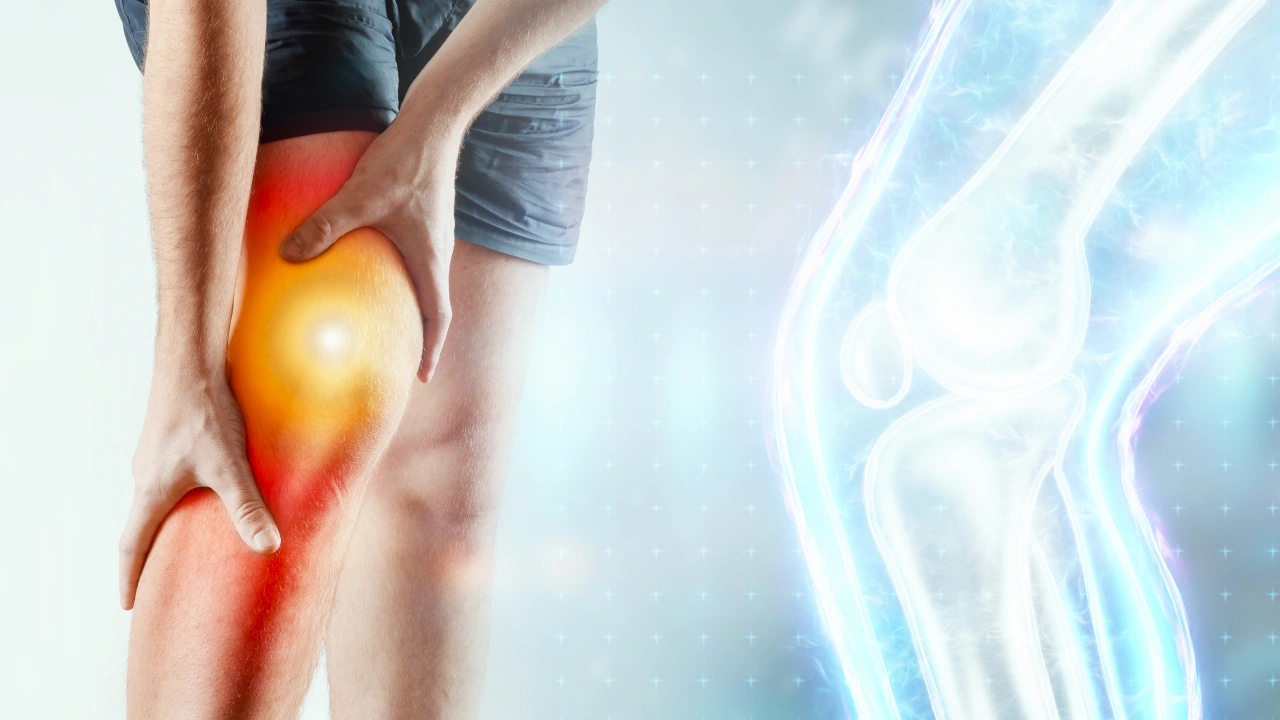
Runner’s knee, also known as patellofemoral pain syndrome, causes discomfort around or behind the kneecap. Symptoms may become noticeable when running downhill, climbing stairs, squatting, or sitting with bent knees for extended periods.
Changes in training volume, reduced hip strength, and altered lower-limb mechanics may contribute to this condition. Physiotherapy may include strengthening exercises, movement assessments, and adjustments to training routines to reduce excessive stress on the knee.
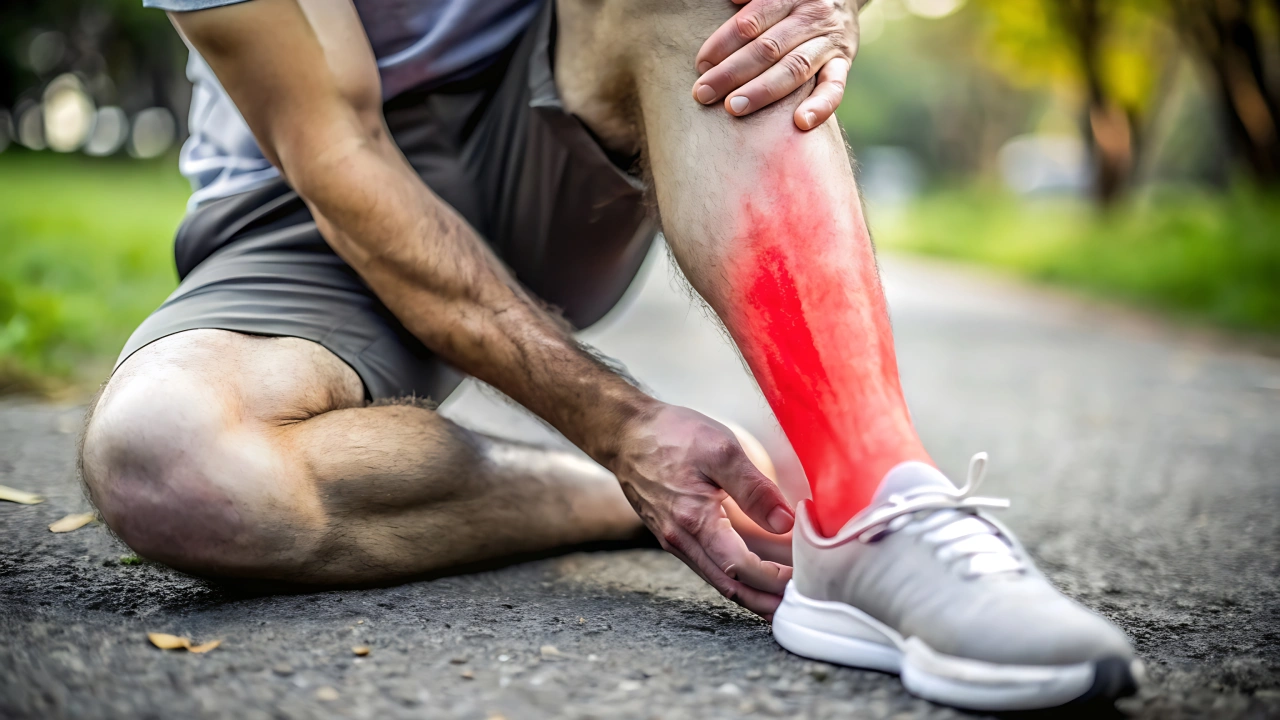
2. Shin Splints
Shin splints cause pain along the inner edge of the shinbone, particularly during or after running. They commonly develop when runners increase distance or intensity abruptly, run on unfamiliar surfaces, or return to training after a break.
Early assessment can help identify contributing factors and distinguish shin splints from other conditions. Sharp, localized bone pain or discomfort that persists at rest may indicate a stress injury and requires prompt medical assessment.
3. Achilles Tendinopathy
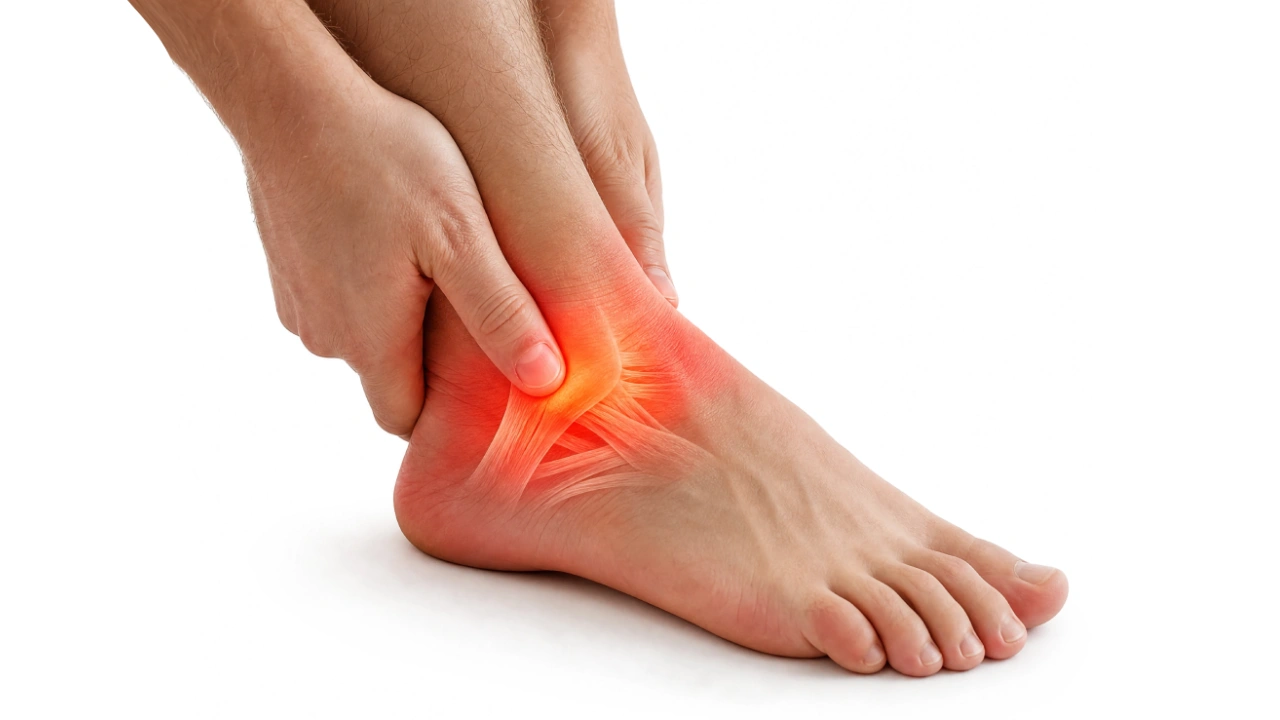
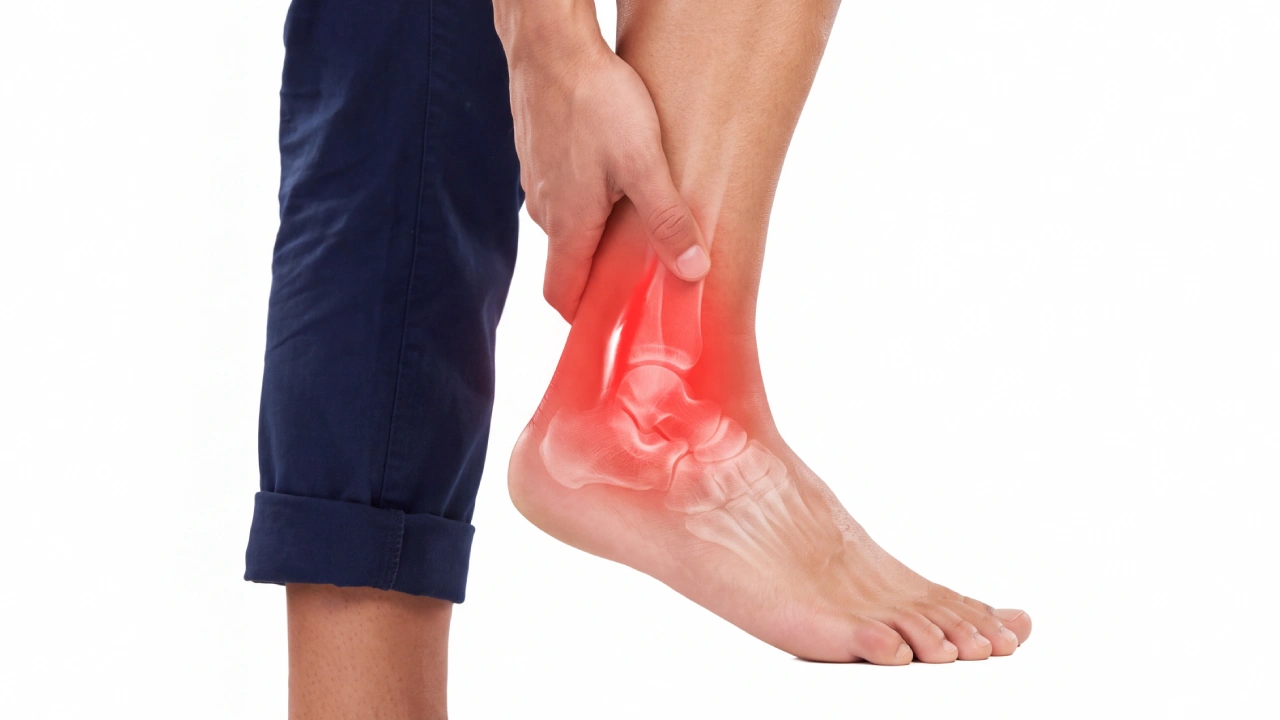
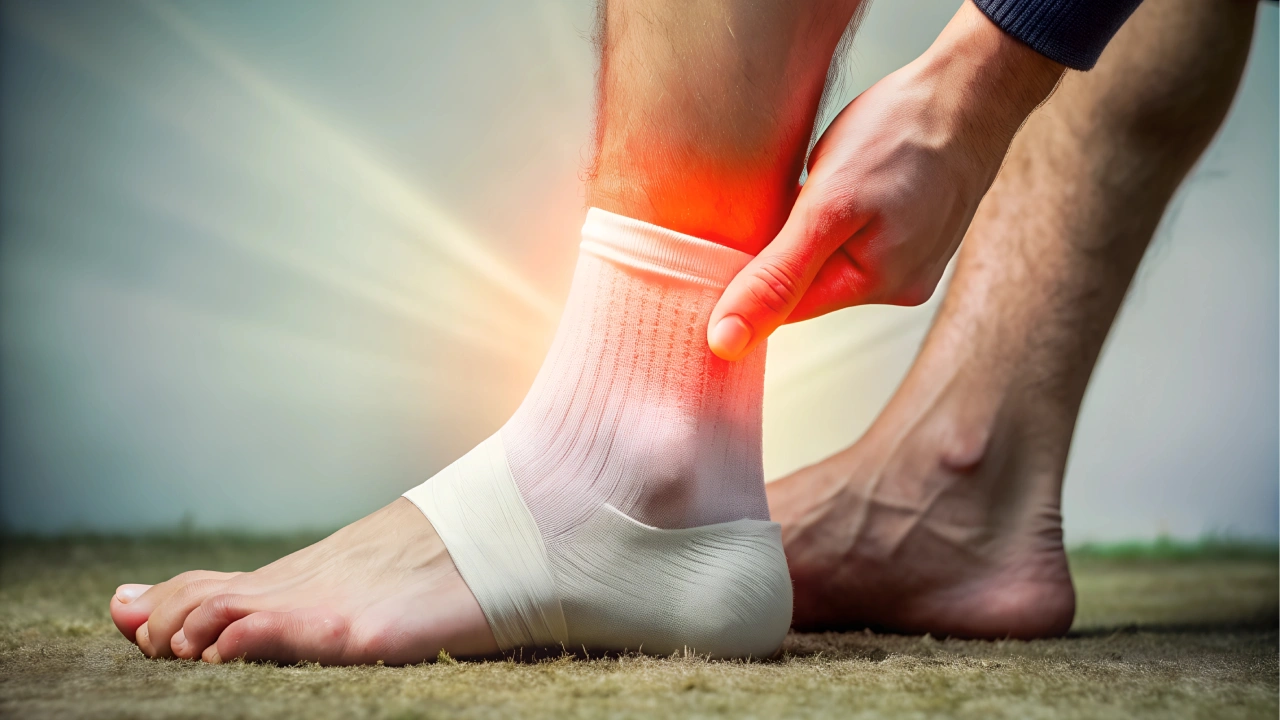
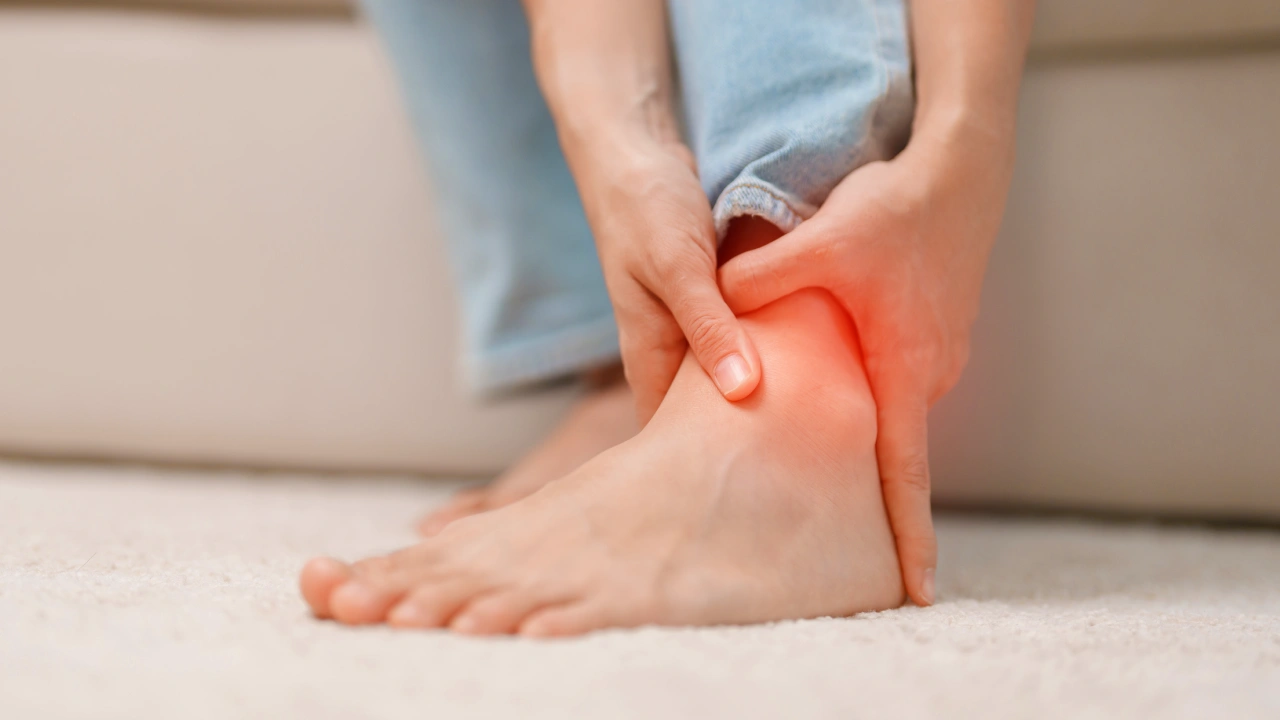
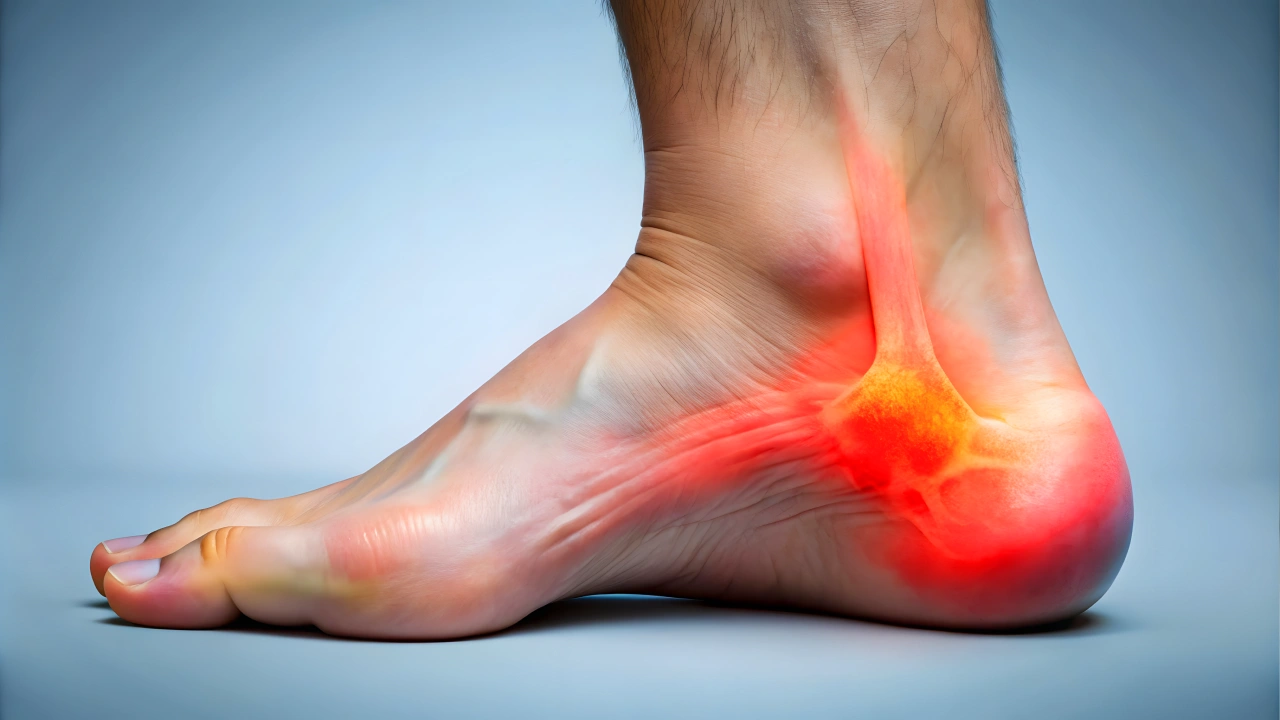
The Achilles tendon connects the calf muscles to the heel bone. Repeated loading can irritate this tendon, causing stiffness, tenderness, or pain above the heel. Symptoms are often noticeable during the first few steps in the morning or when pushing off the ground.
Treatment may involve progressive calf-strengthening exercises, load management, and gradual increases in running activity. The aim is to improve the tendon’s ability to tolerate the demands of training.
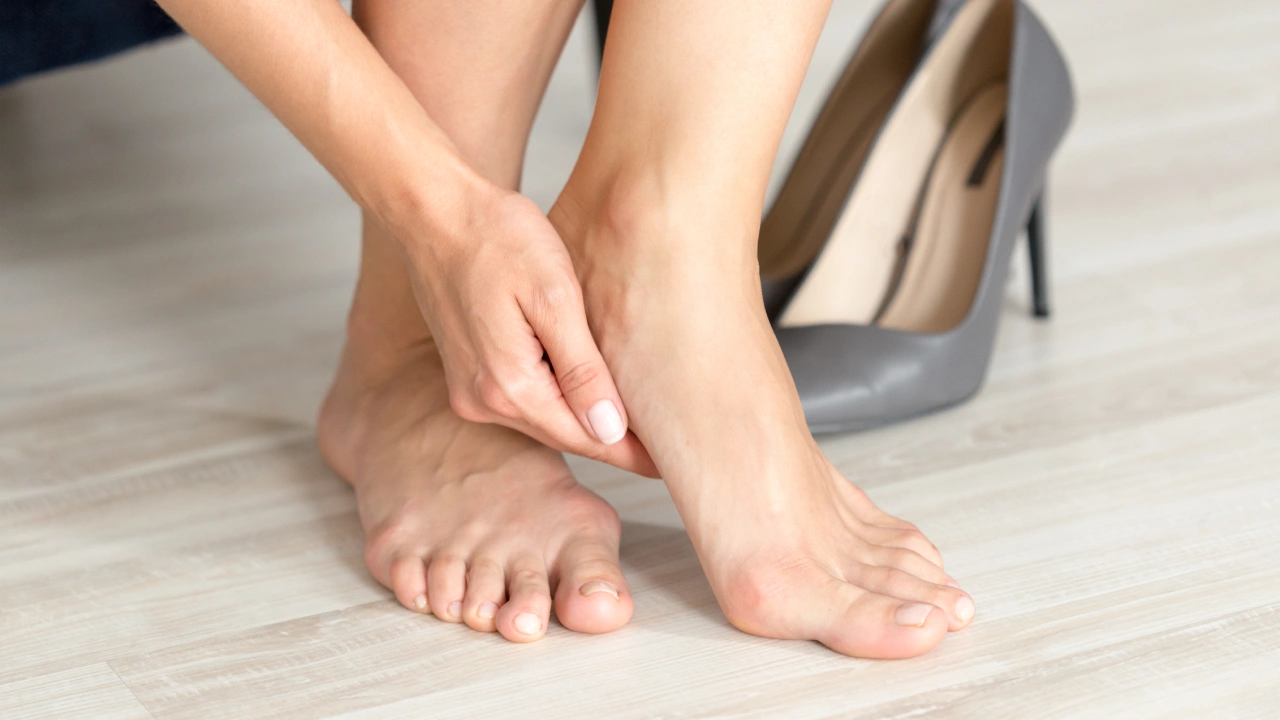
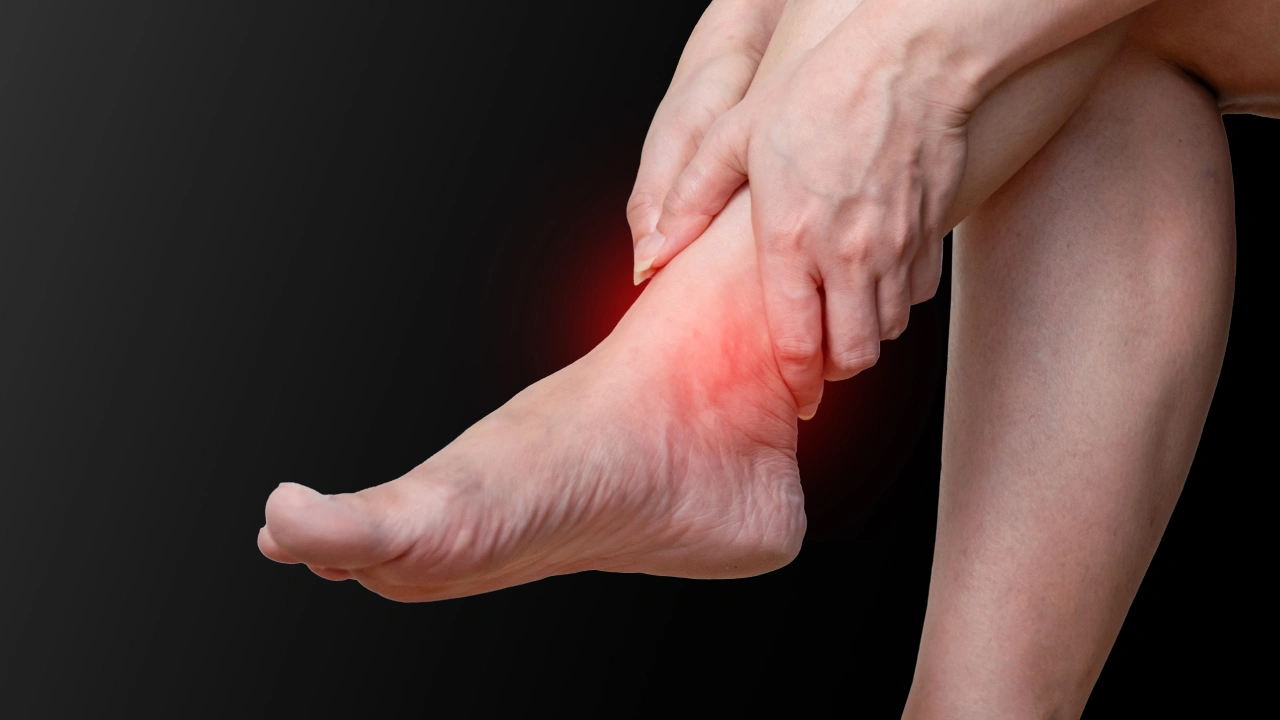
4. Plantar Fasciitis
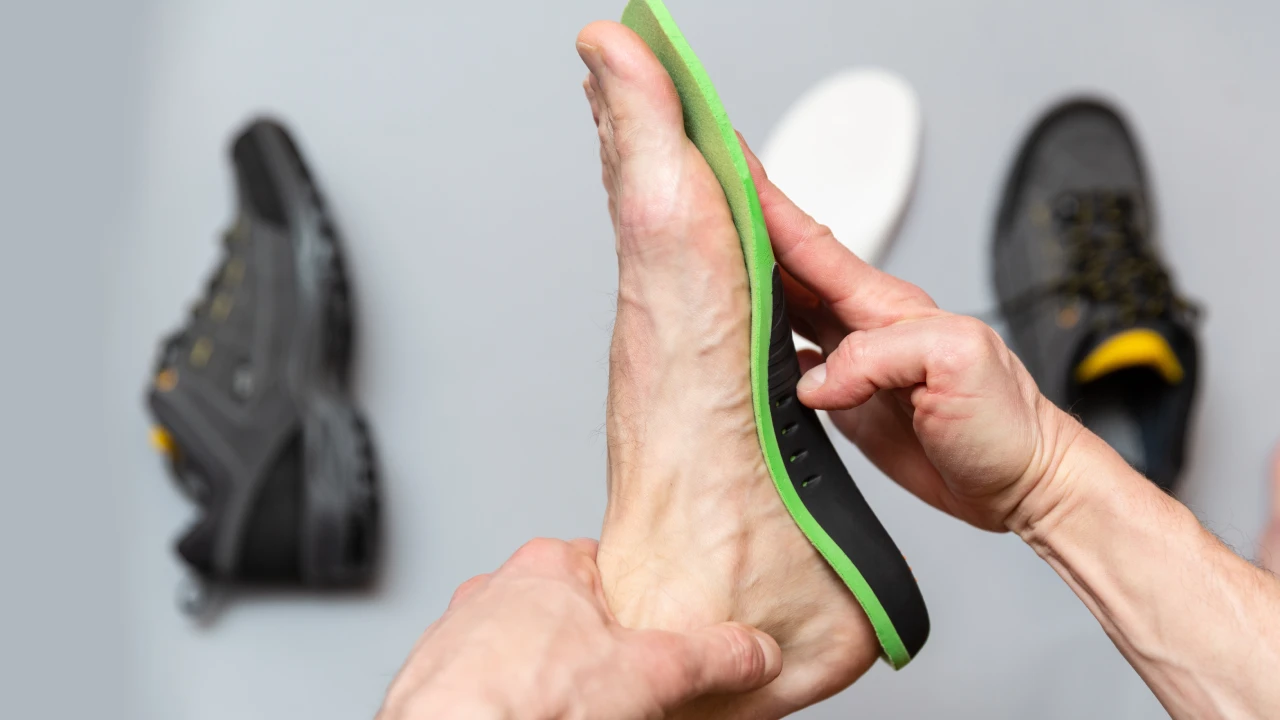
Plantar fasciitis involves irritation of the plantar fascia, a band of tissue supporting the arch of the foot. Runners may experience heel pain during their first steps after waking up or following prolonged sitting.
Footwear, training changes, calf tightness, and repetitive loading can contribute to symptoms. Physiotherapy may incorporate foot and calf exercises, activity adjustments, and advice on managing running demands.
5. Hamstring and Calf Strains
Sudden acceleration, sprinting, fatigue, or excessive training loads can strain the hamstring or calf muscles. Symptoms may include localized pain, tenderness, swelling, and difficulty running at normal speed.
Assessment helps establish the severity of the strain and determine when strengthening and running drills can be introduced safely. Returning to full training before adequate recovery may increase the chance of another injury.
How Physiotherapy Can Help With Running Injuries in Markham?
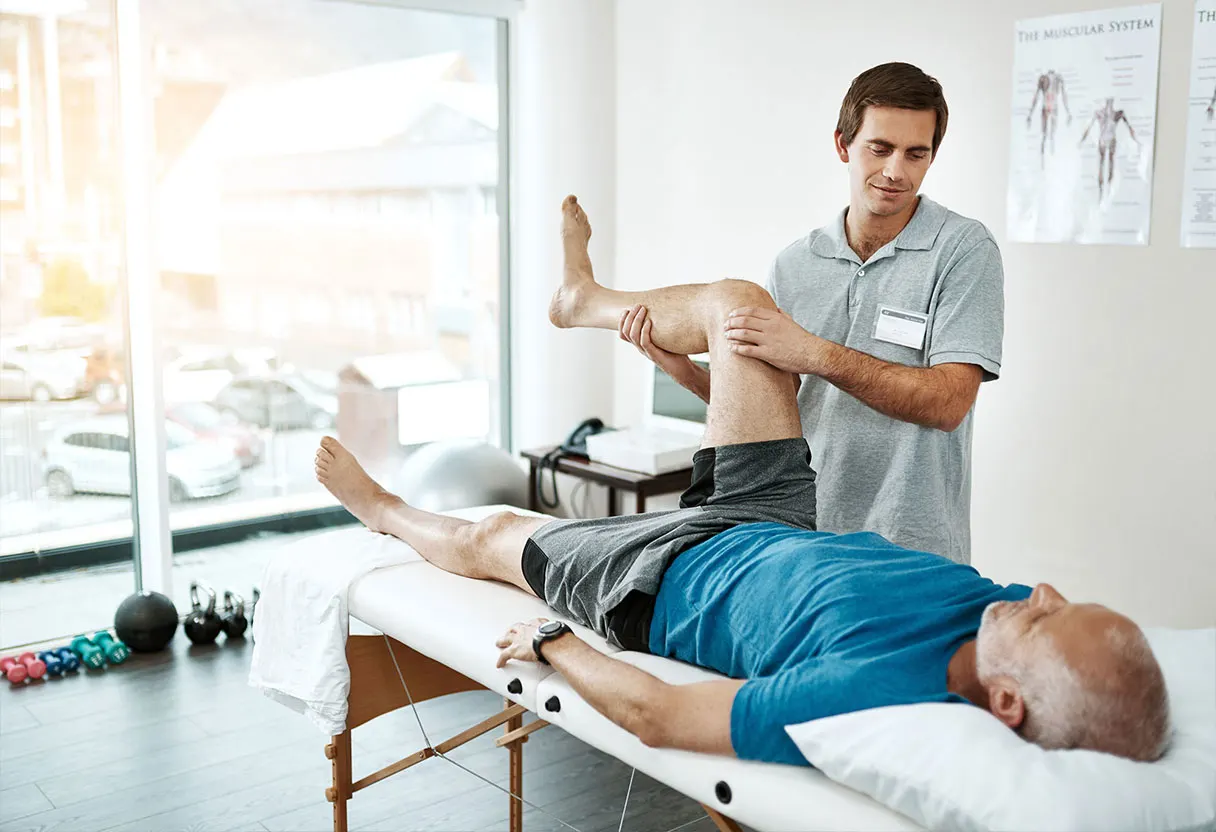
At Revive Wellness Clinic, our approach begins with an assessment of your symptoms, running history, training schedule, strength, flexibility, and movement patterns. This helps identify possible contributors rather than focusing only on the painful area.
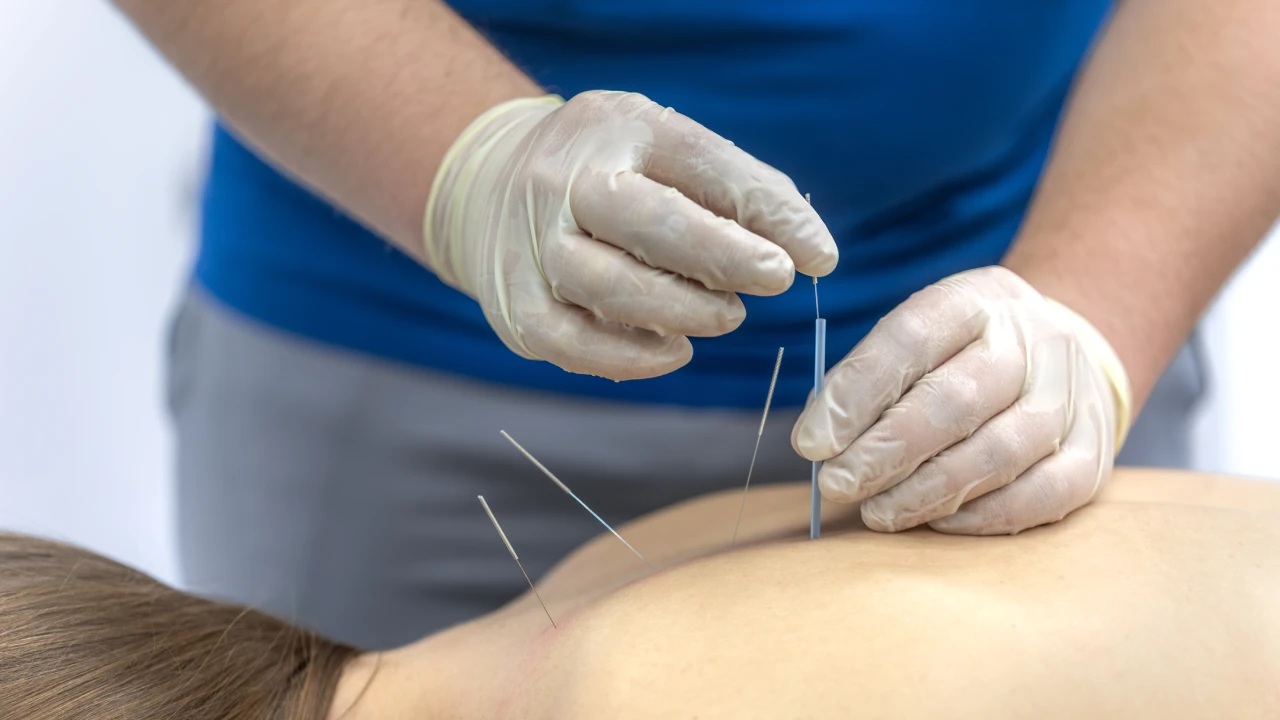
Your care plan may include therapeutic exercises, manual therapy when appropriate, mobility work, and advice on modifying running volume or intensity. We also discuss gradual return-to-running strategies so that increases in distance and speed match your current physical capacity.
People seeking care for Running injuries in Markham may benefit from an assessment when symptoms repeatedly interrupt training, discomfort changes their running stride, or pain continues despite reducing activity.
When Should You Seek Care?
Do not ignore pain that keeps returning with each run. Arrange an assessment if discomfort persists, swelling develops, or your running technique changes because of symptoms. Stop running and seek prompt medical attention for severe pain, inability to bear weight, significant swelling, or suspected bone injury.
Get Started
Running should not require you to push through every ache. At Revive Wellness Clinic, we assess the factors contributing to your symptoms and help you plan the next steps towards resuming your activities.
If you are dealing with Running injuries in Markham, contact our clinic to discuss your symptoms and arrange an appointment.
Phone: +1 905-209-3111
Address: 8 Shadlock St Unit 10, Markham, ON L3S 3E1, Canada
Take the first step towards a more informed approach to running, training, and physical activity.