Bursitis and Impingement Syndrome

Bursitis and Impingement Syndrome
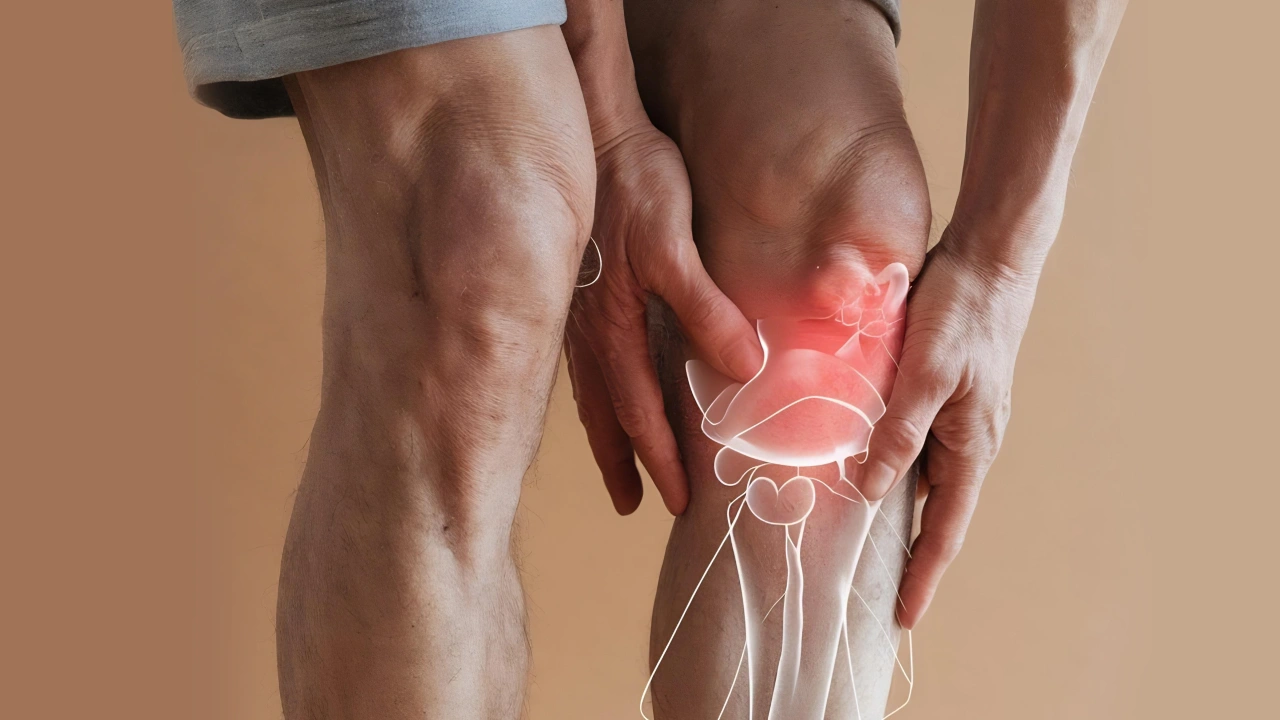
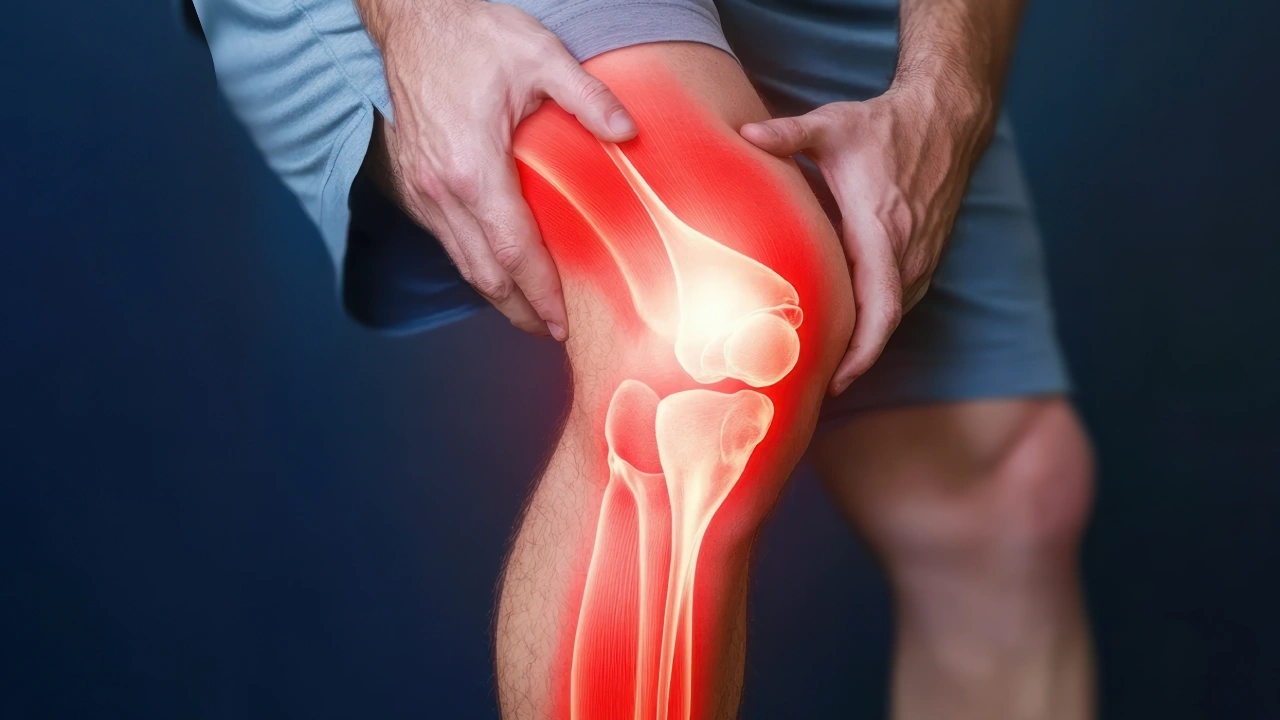
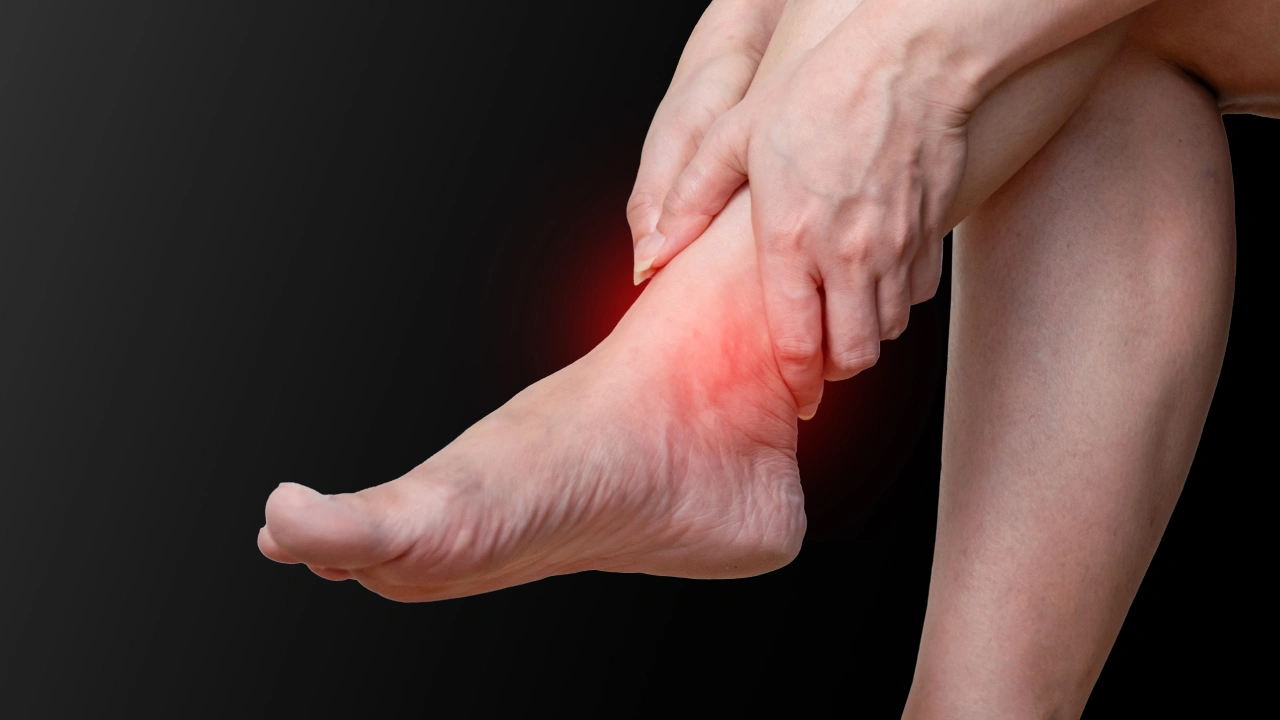
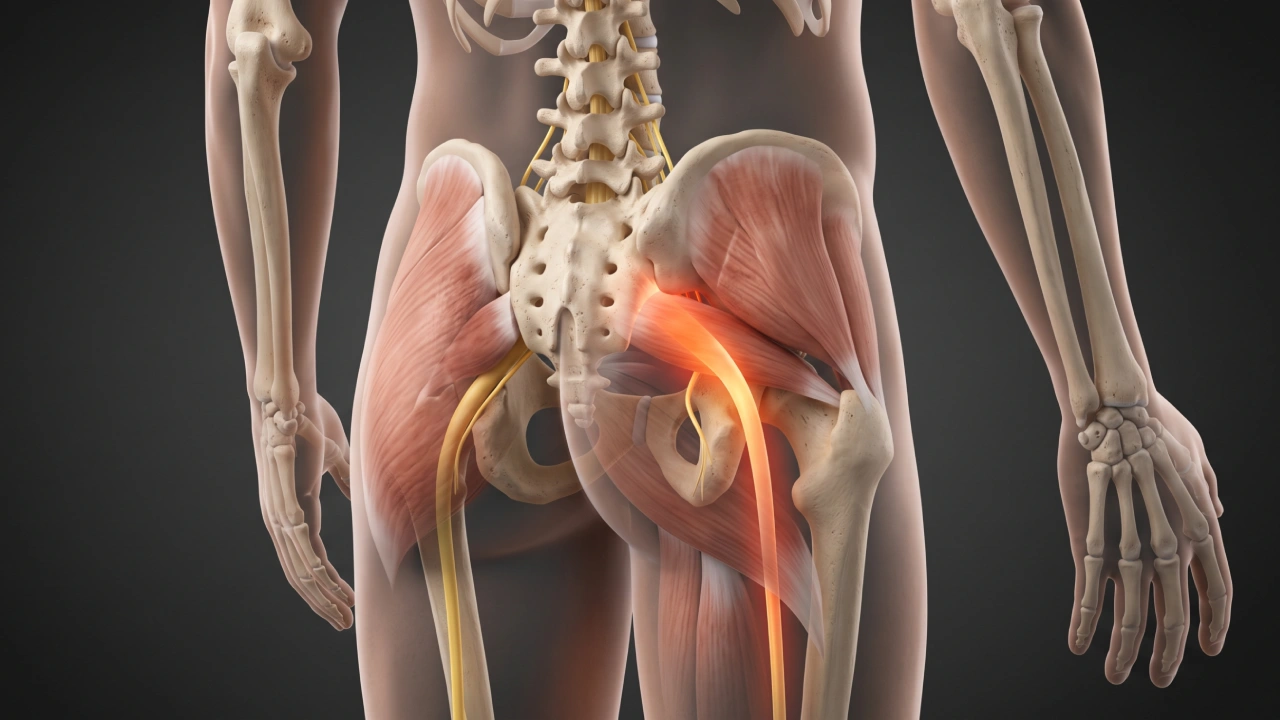
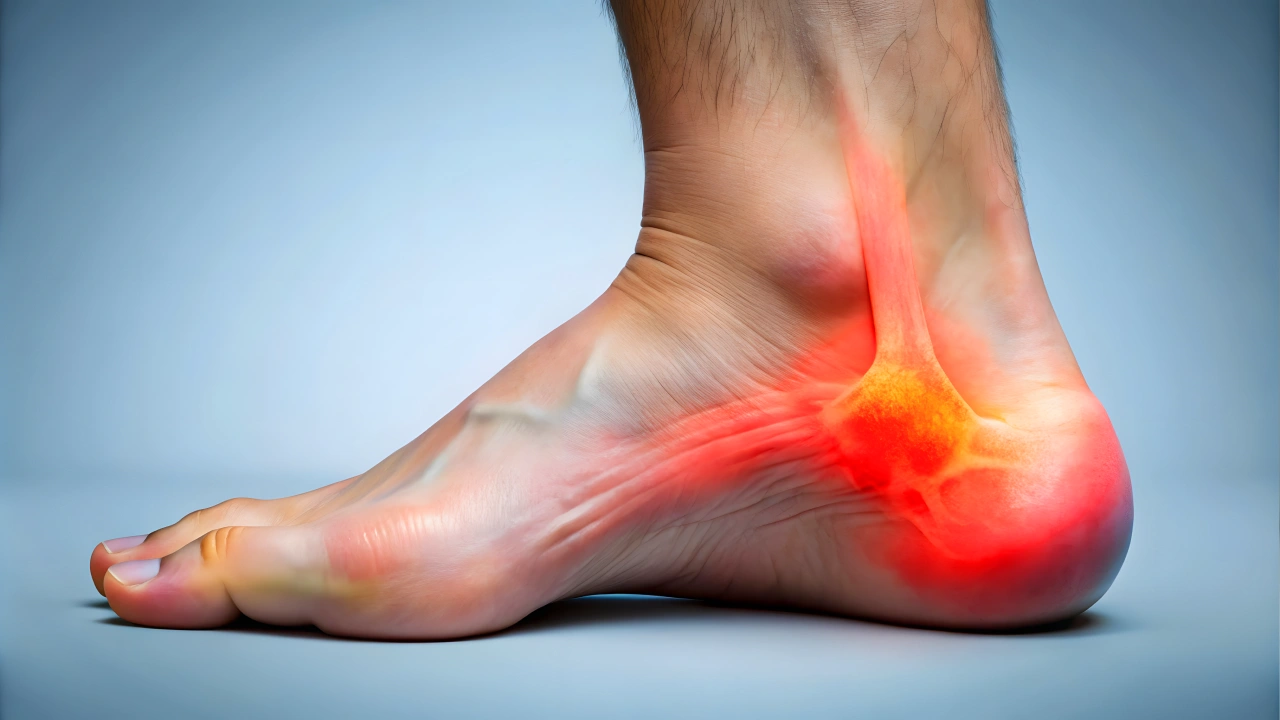
Bursitis and impingement syndrome can make everyday movements uncomfortable, particularly when reaching overhead, lifting objects, or lying on the affected shoulder. These conditions often affect the shoulder joint, although bursitis can also develop in areas such as the elbow, hip, knee, and heel. At Revive Wellness Clinic, we provide physiotherapy services to help patients manage movement difficulties, address contributing factors, and work towards improved joint function.
What Is Bursitis?
Bursitis occurs when a bursa becomes inflamed. A bursa is a small, fluid-filled sac that cushions tissues around joints, helping tendons, muscles, and bones move against one another with less friction.
Repeated movements, prolonged pressure, direct injury, or certain inflammatory conditions can irritate these sacs. Shoulder bursitis is common among people who perform repetitive overhead activities, while elbow bursitis may develop after frequent pressure on the elbow.
Common symptoms of bursitis include:
- Pain around the affected joint
- Swelling or tenderness
- Discomfort during movement or when applying pressure
- Reduced range of motion
- Warmth around the affected area in some cases
Symptoms may develop gradually or appear following an injury. Persistent swelling, redness, warmth, or fever warrants prompt medical assessment because an infection may be present.
What Is Impingement Syndrome?
Shoulder impingement syndrome refers to shoulder pain associated with the movement and loading of structures around the rotator cuff and nearby tissues. Symptoms often occur when raising the arm, reaching behind the back, or performing repetitive overhead activities.
The shoulder relies on coordinated movement between muscles, tendons, and the shoulder blade. Changes in strength, movement control, activity levels, or tissue sensitivity may contribute to symptoms. Rather than assuming that a single structure is responsible, physiotherapy assessment considers how the shoulder functions during different tasks.
Common signs of shoulder impingement syndrome include:
- Pain when lifting the arm above shoulder height
- Discomfort while reaching overhead
- Shoulder pain that increases at night or when lying on the affected side
- Difficulty dressing or reaching behind the back
- Weakness or restricted shoulder movement
Bursitis and impingement syndrome can occur together because irritation around the shoulder may involve both the bursa and the rotator cuff. However, similar symptoms can arise from other shoulder conditions, making an appropriate assessment important.
How Physiotherapy Can Help?
Physiotherapy at Revive Wellness Clinic begins with an assessment of your symptoms, joint movement, strength, activity levels, and functional limitations. This helps identify which movements may be aggravating your condition and what changes may support your daily activities.
Your physiotherapist may recommend a combination of approaches, depending on your symptoms and assessment findings.
Therapeutic exercises: Gradual strengthening exercises can help improve rotator cuff function, shoulder blade control, and tolerance for everyday activities. Exercises are adjusted according to your current abilities and response.
Mobility exercises: Controlled movements may help address restricted shoulder motion and make activities such as dressing, reaching, and lifting more manageable.
Manual therapy: Hands-on techniques may be considered to address movement restrictions or discomfort when clinically appropriate.
Activity modification: Temporary changes to repetitive overhead movements, lifting tasks, or positions that aggravate symptoms can help reduce unnecessary irritation while maintaining suitable activity.
Progress is monitored through changes in movement, strength, symptom response, and your ability to complete daily tasks. Your physiotherapist may adjust your exercise routine as your functional capacity changes.
When Should You Seek Assessment?
Consider arranging an assessment if shoulder or joint discomfort persists, interferes with sleep, limits daily activities, or repeatedly returns during physical tasks. Seek prompt medical attention following a significant injury, sudden loss of movement, or symptoms accompanied by fever and a hot, red joint.
Get Started
Bursitis and impingement syndrome can affect work, exercise, sleep, and routine activities. Revive Wellness Clinic in Markham provides physiotherapy assessments and rehabilitation services for people dealing with joint pain and movement limitations.
Contact our clinic to discuss your symptoms and arrange an appointment. Our team can assess your movement concerns and help determine an appropriate course of care based on your needs.
Phone: +1 905-209-3111
Visit: 8 Shadlock St Unit 10, Markham, ON L3S 3E1, Canada