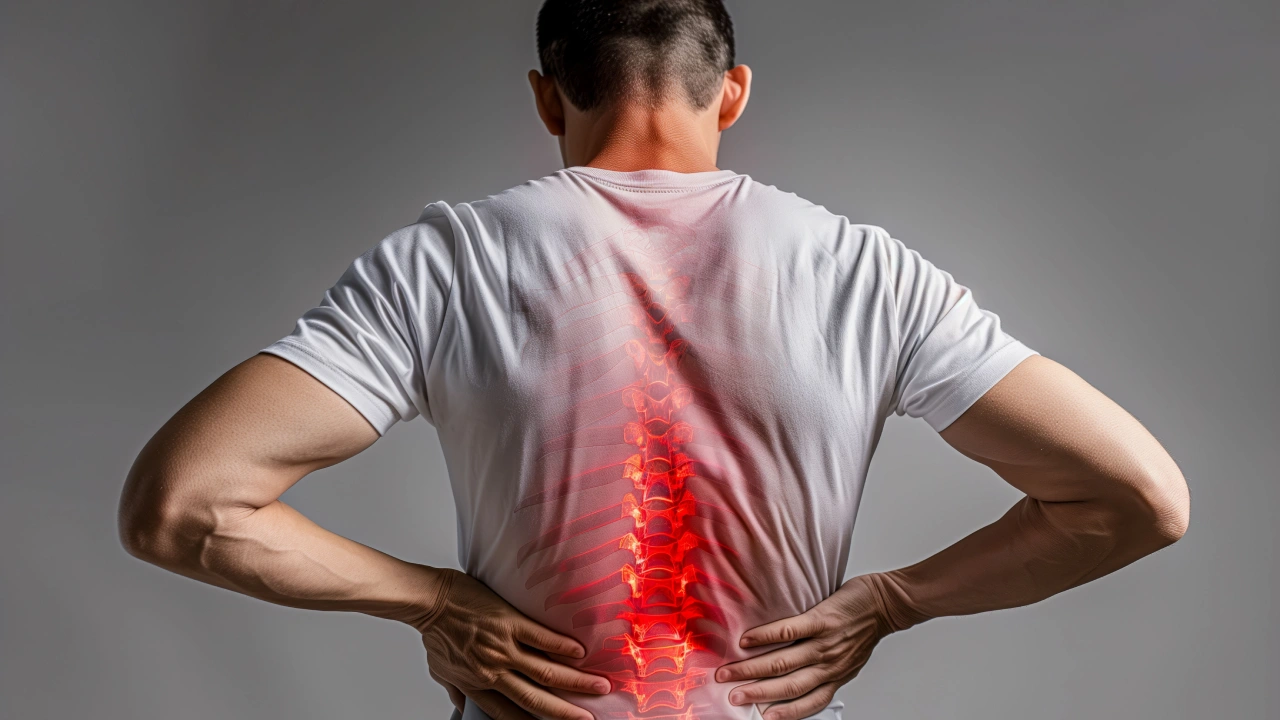
Joint Stiffness
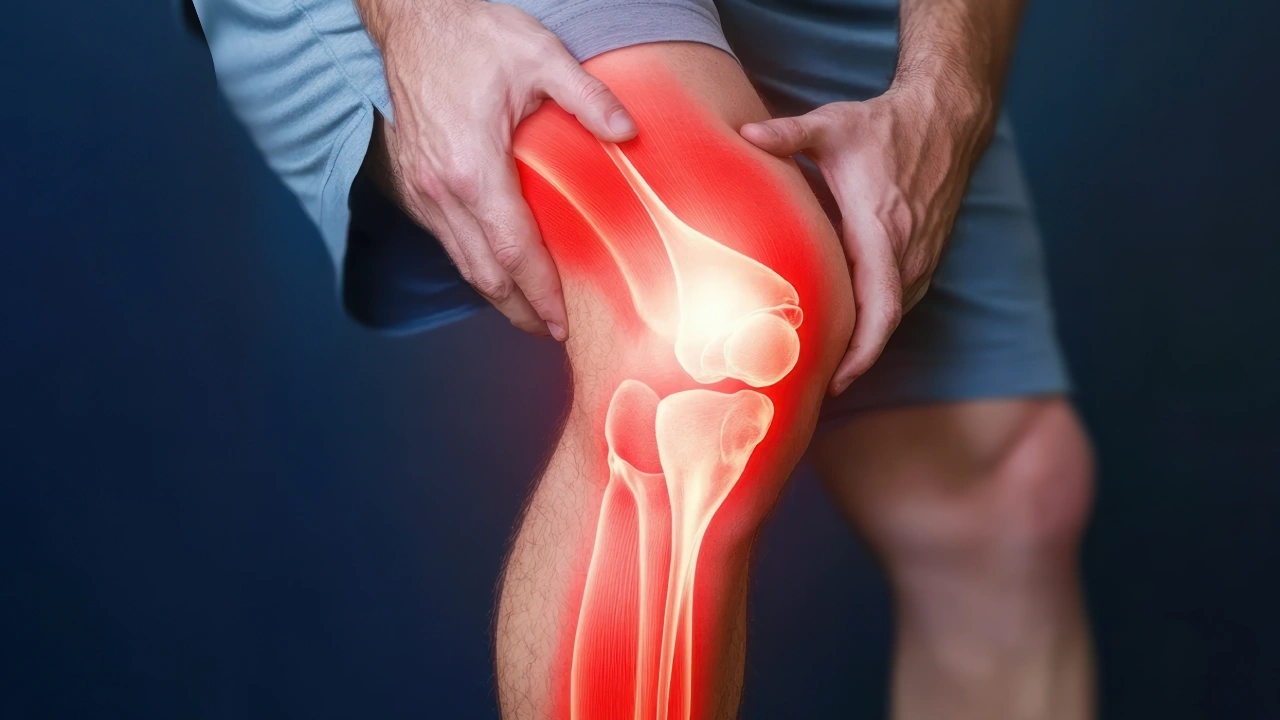
Joint Stiffness in Markham
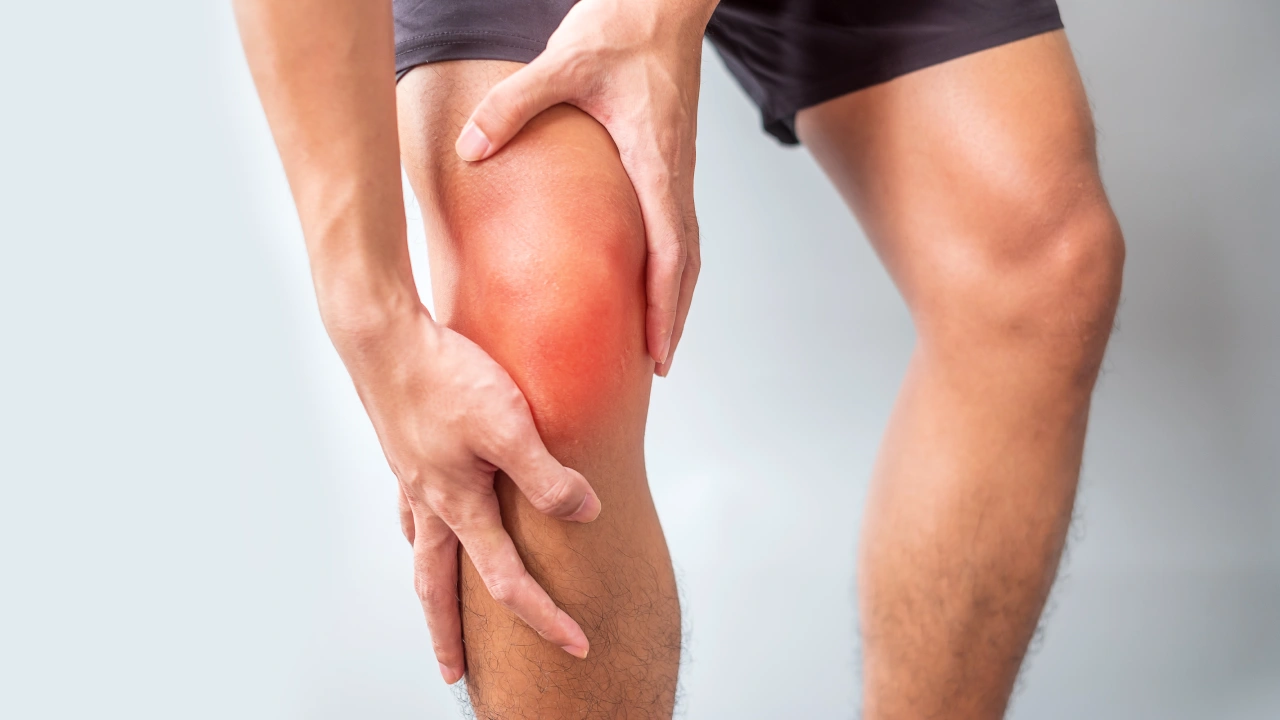
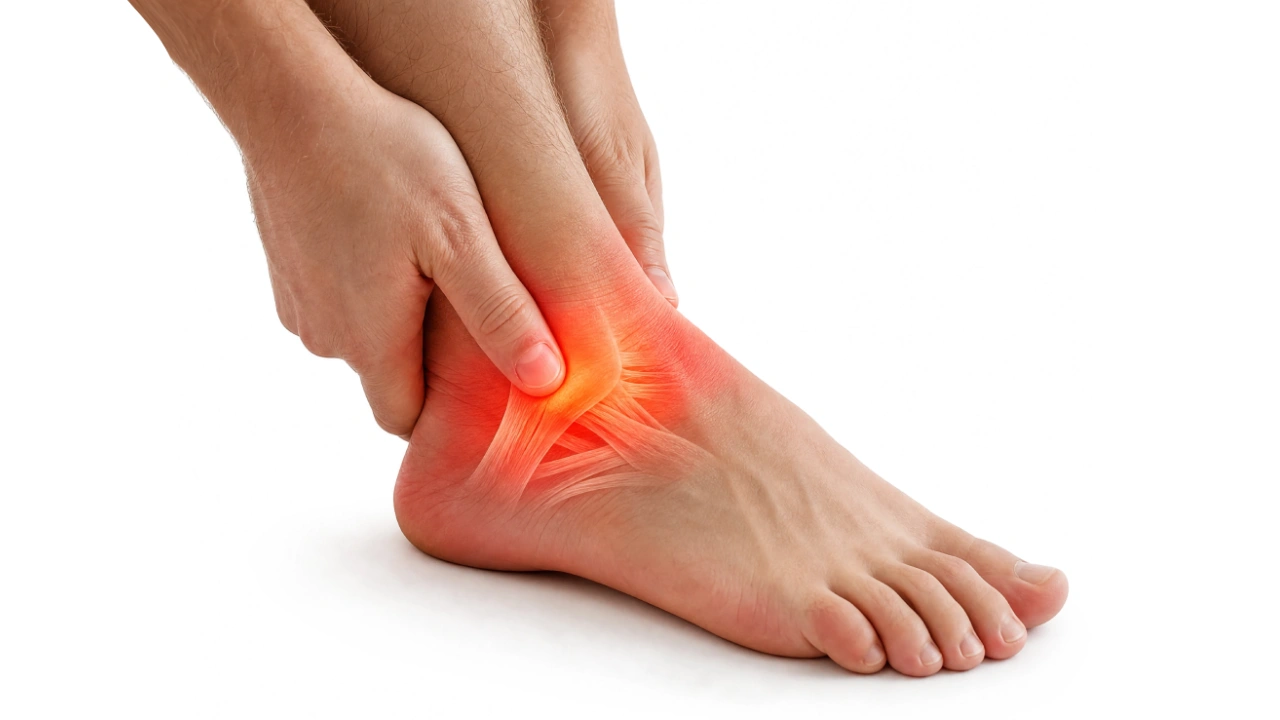
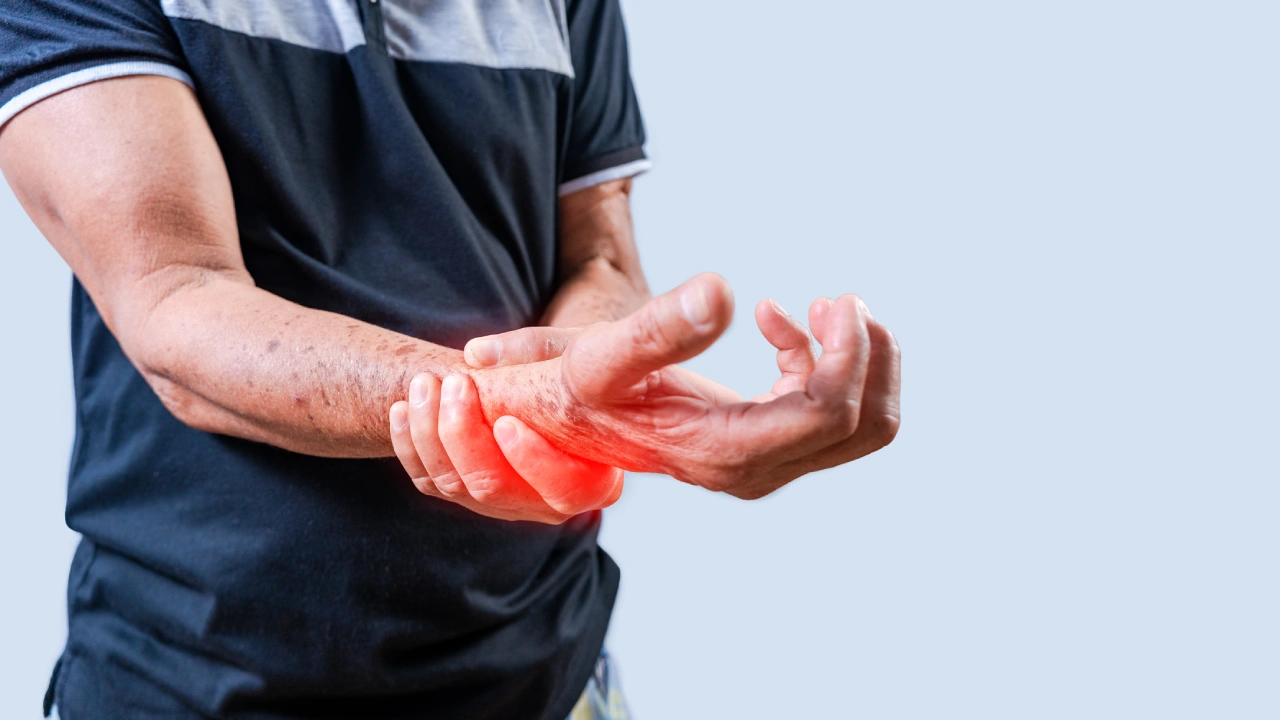
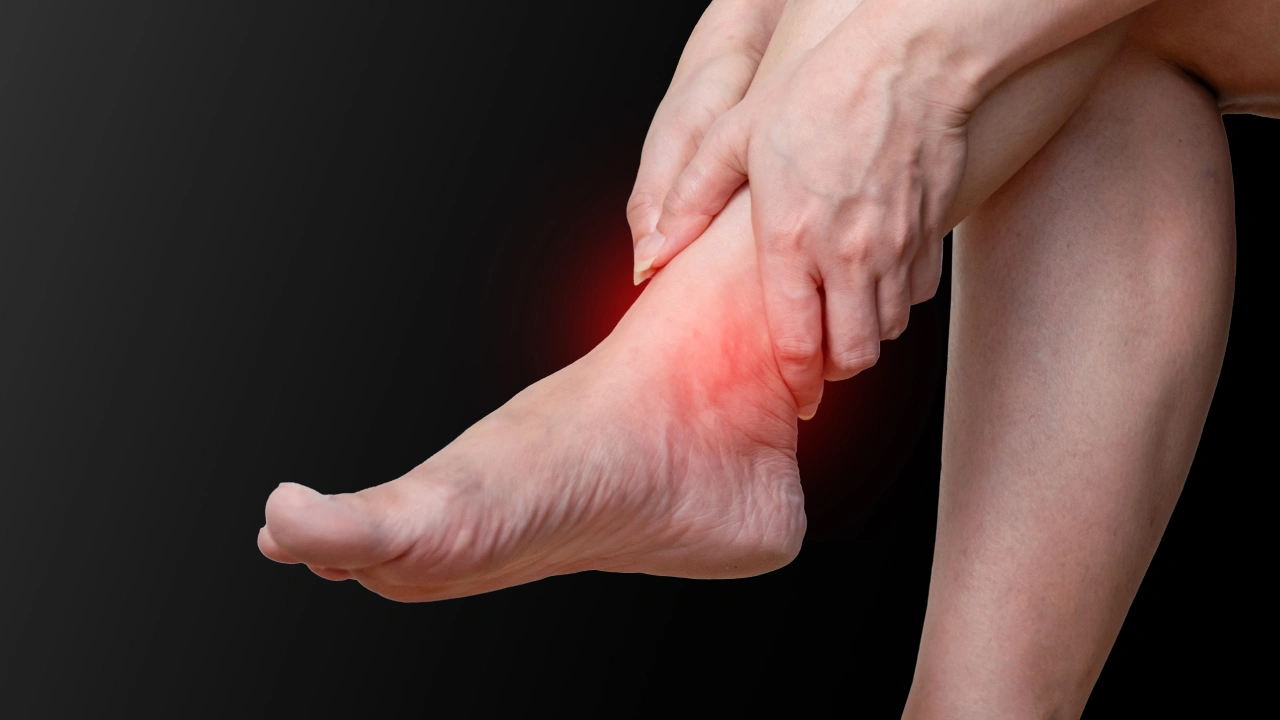
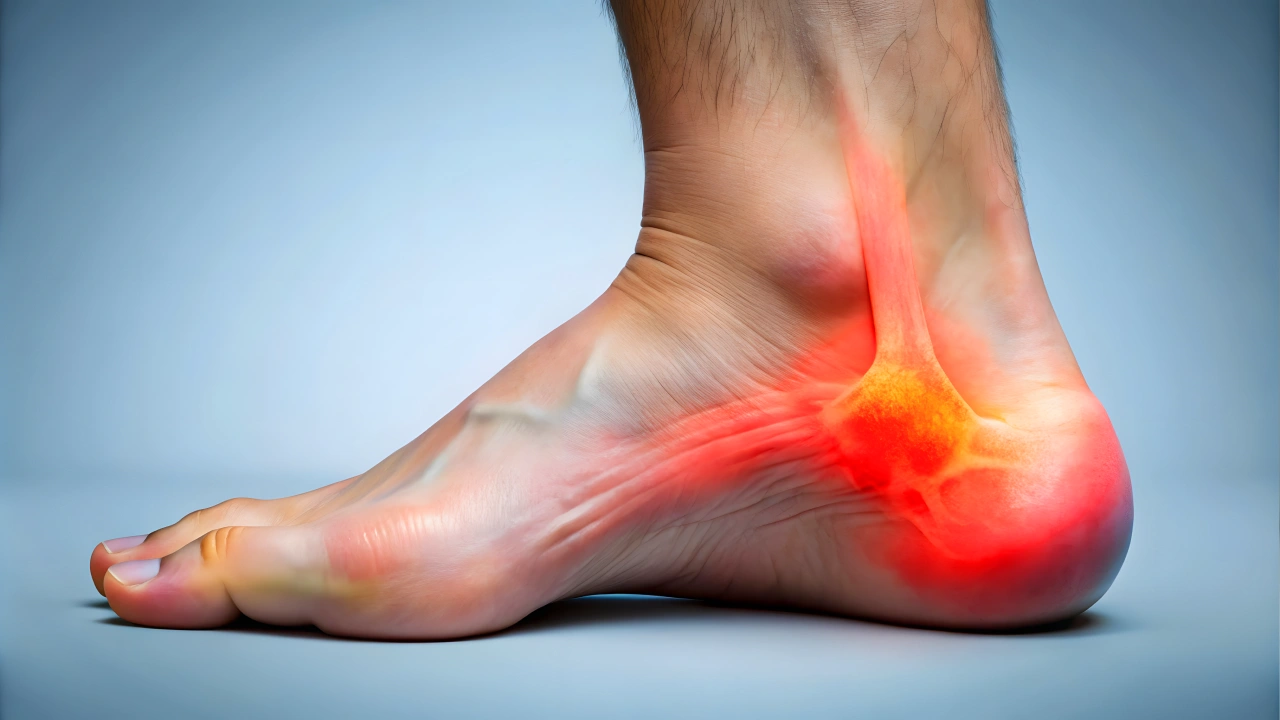
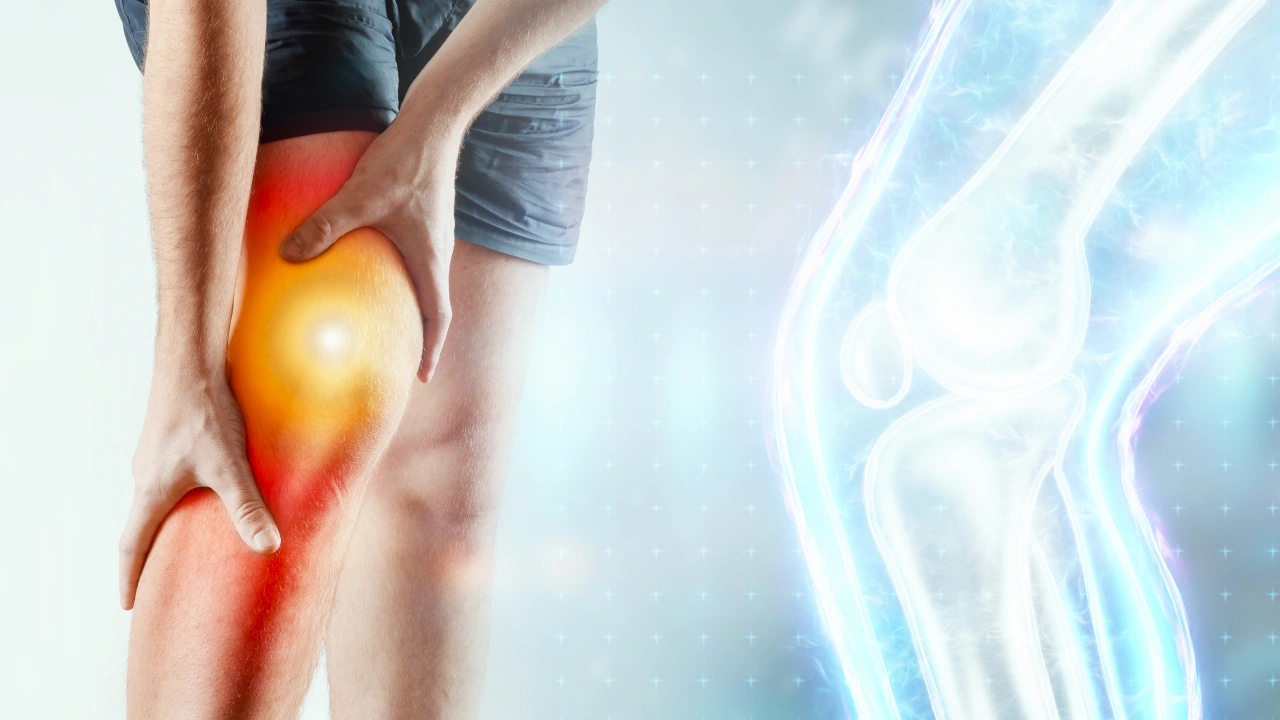
Joint stiffness can make everyday activities feel difficult. Getting out of bed, climbing stairs, bending down, or reaching for an object may become uncomfortable when your joints do not move as freely as they once did. While stiffness sometimes appears after a period of rest or physical activity, persistent symptoms may indicate an underlying joint or muscle condition that needs attention.
At Revive Wellness Clinic, we assess movement difficulties and help patients address joint stiffness through physiotherapy and rehabilitation services. Our approach focuses on identifying possible contributing factors, improving joint mobility, and helping patients manage everyday physical activities.
What Causes Joint Stiffness?
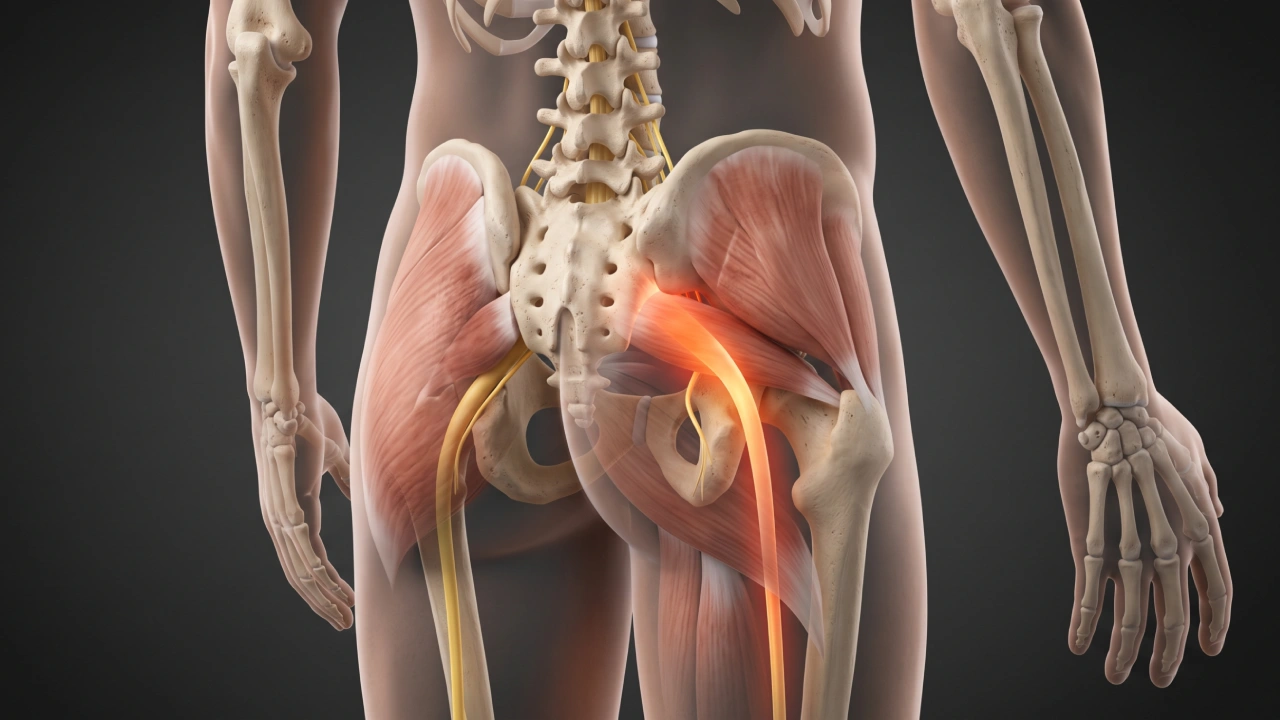
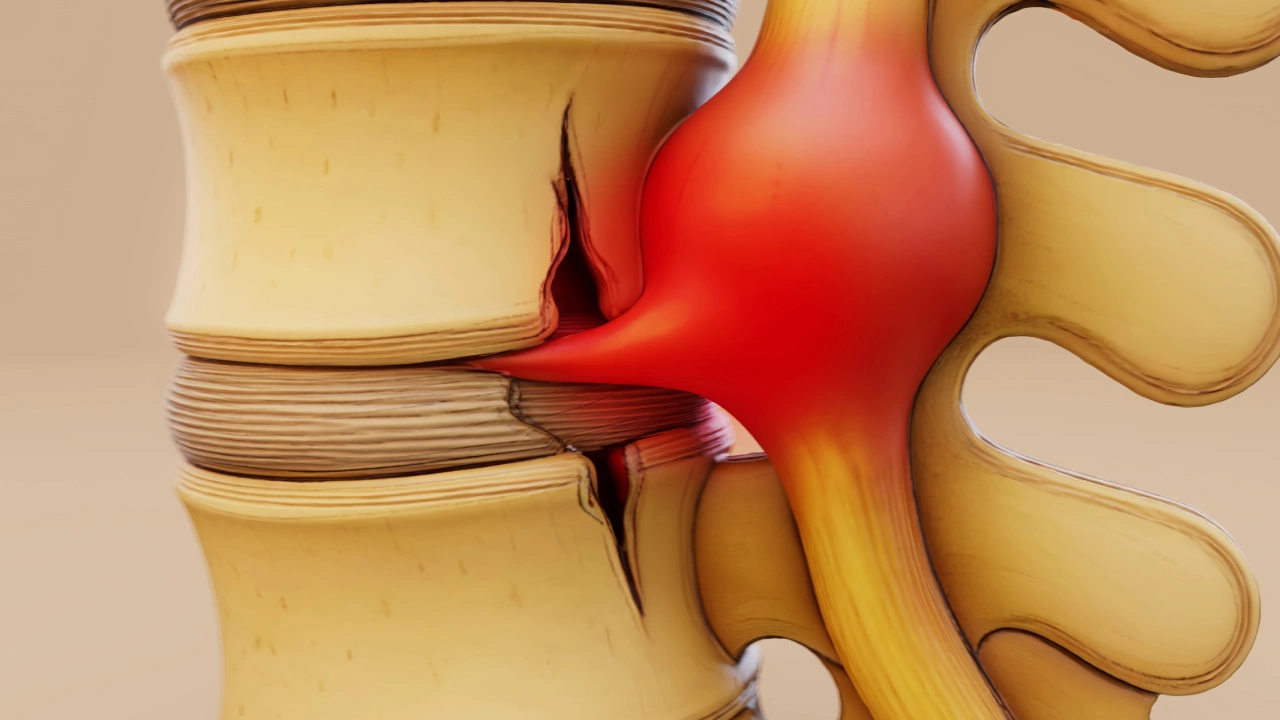
Joint stiffness can develop for several reasons. Sitting at a desk for extended periods, reduced physical activity, repetitive movements, previous injuries, and age-related changes may all contribute to restricted movement. In some cases, inflammation or damage affecting the joint structures may also play a role.
For people seeking care for Joint stiffness in Markham, identifying when symptoms occur and which movements trigger discomfort is an important part of the assessment.
Stiffness may appear in the morning, after sitting for a long time, or following exercise. Some people notice that movement becomes easier after a few minutes, while others experience persistent restriction throughout the day. The location, duration, and severity of symptoms can help determine which factors require further investigation.
Conditions Associated With Joint Stiffness
Several musculoskeletal conditions can contribute to restricted joint movement. These include:
1. Osteoarthritis
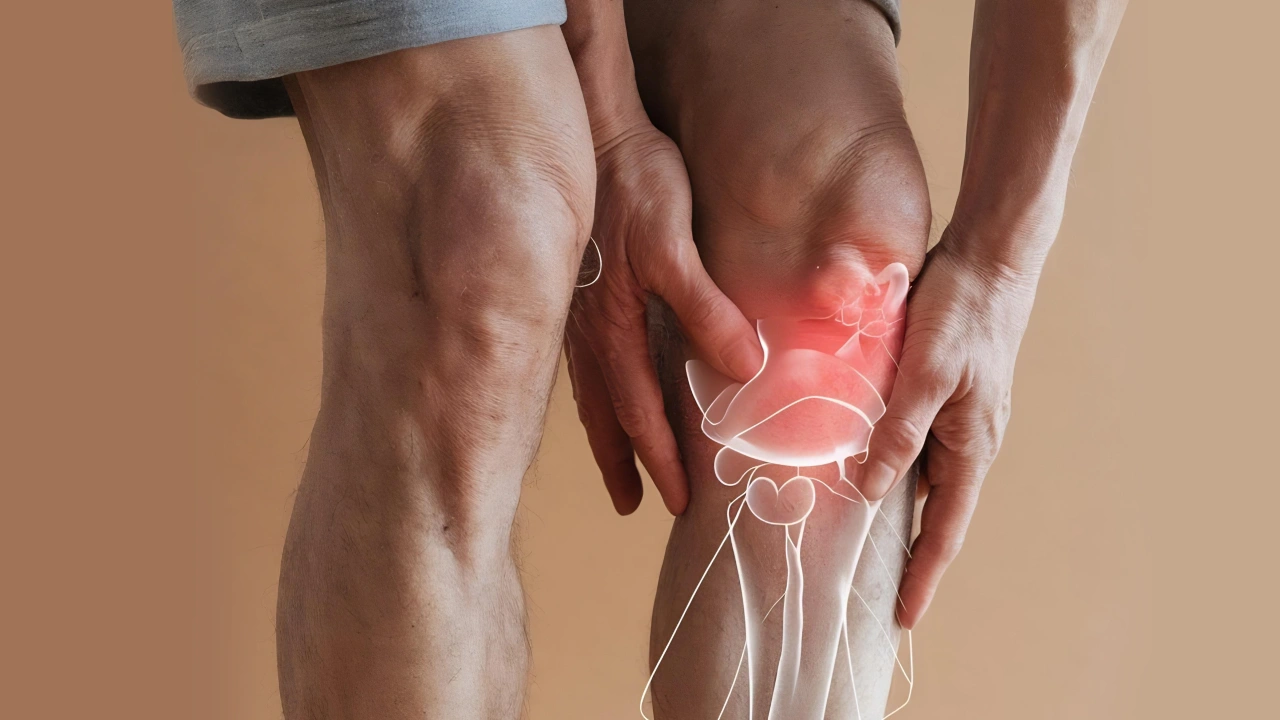
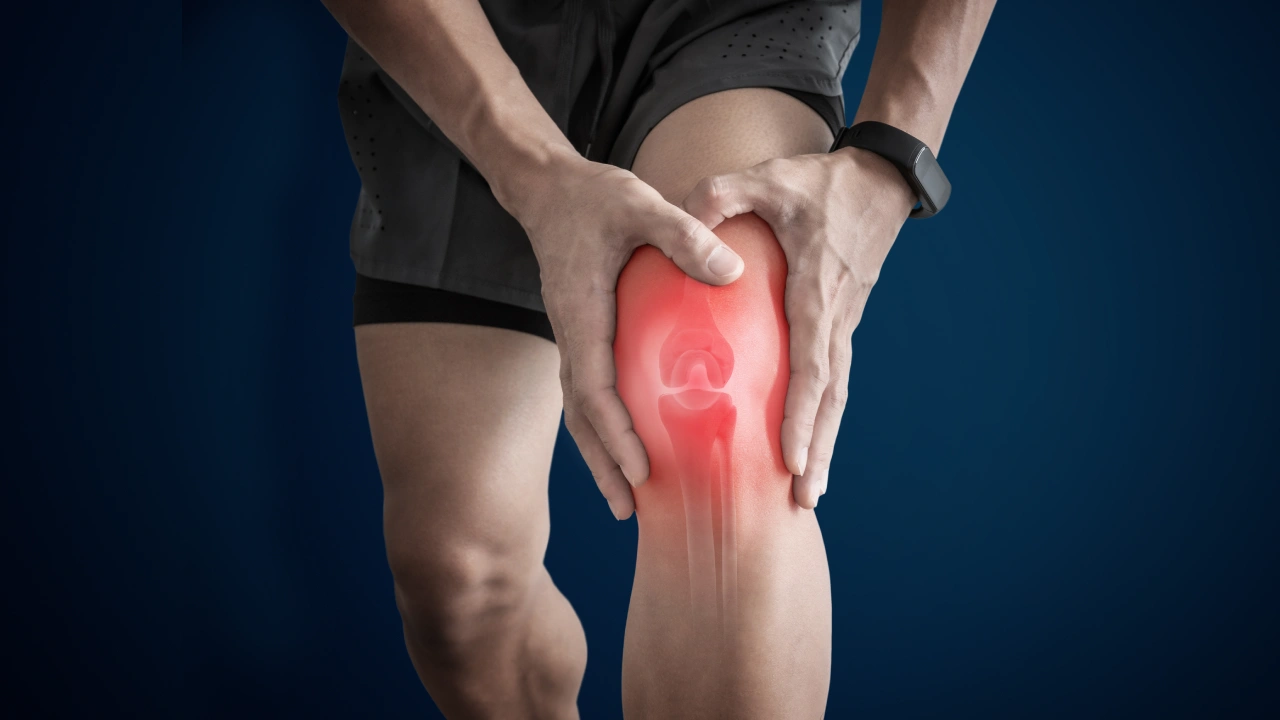
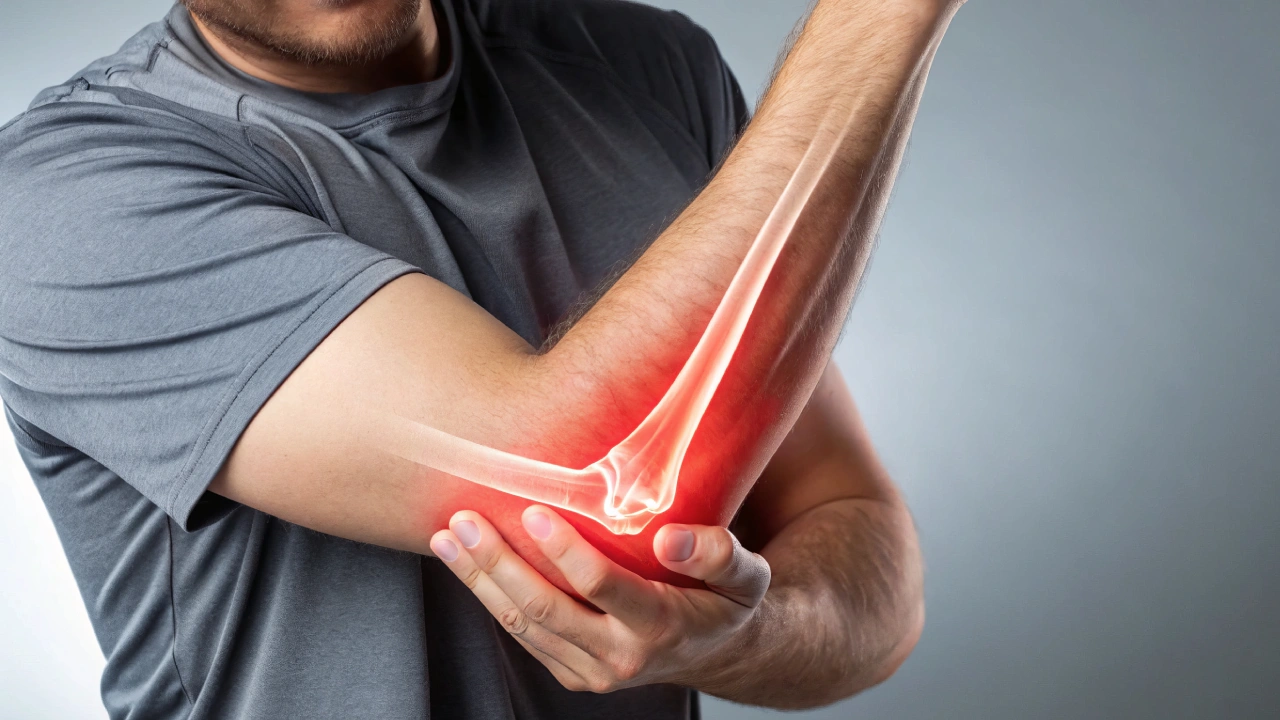
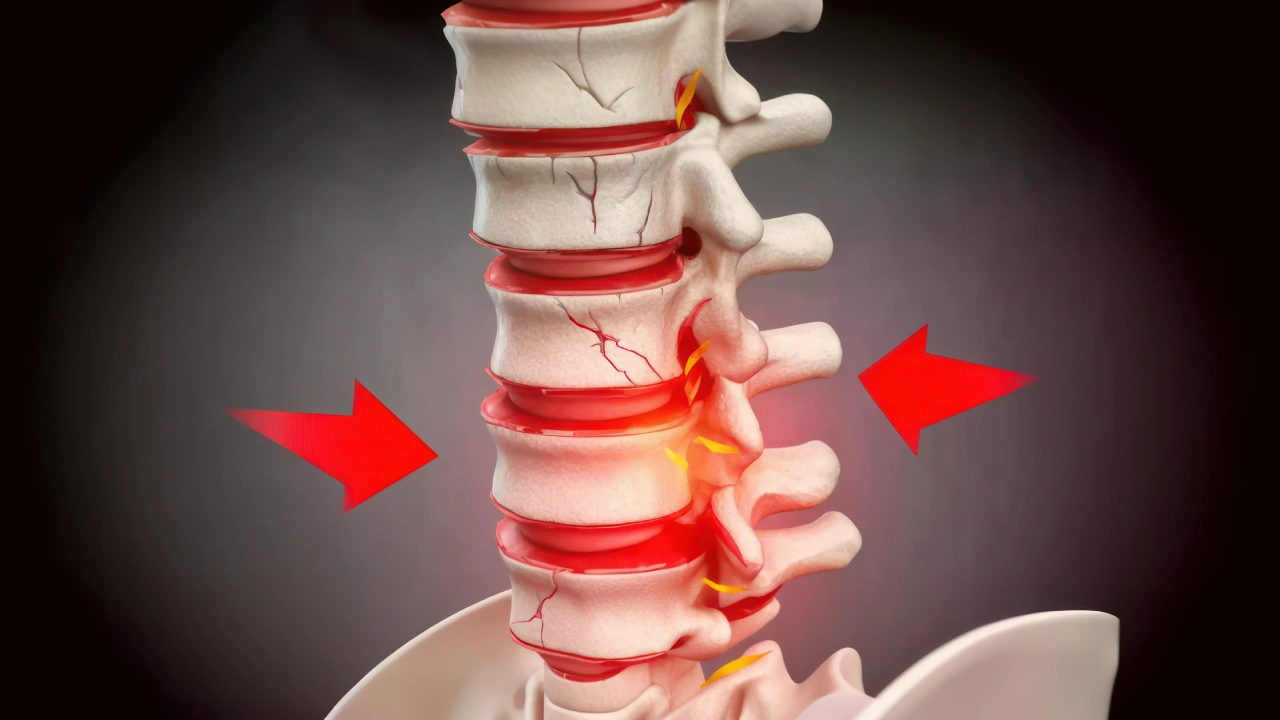
Osteoarthritis involves changes to the cartilage and other structures within a joint. It commonly affects the knees, hips, hands, and spine. Patients may notice stiffness after waking up or sitting for extended periods, along with discomfort during movement.
2. Rheumatoid Arthritis
Rheumatoid arthritis is an inflammatory condition that can affect multiple joints. Symptoms may include swelling, tenderness, warmth, and morning stiffness that lasts longer than usual. Medical assessment is important when these signs appear.
3. Frozen Shoulder
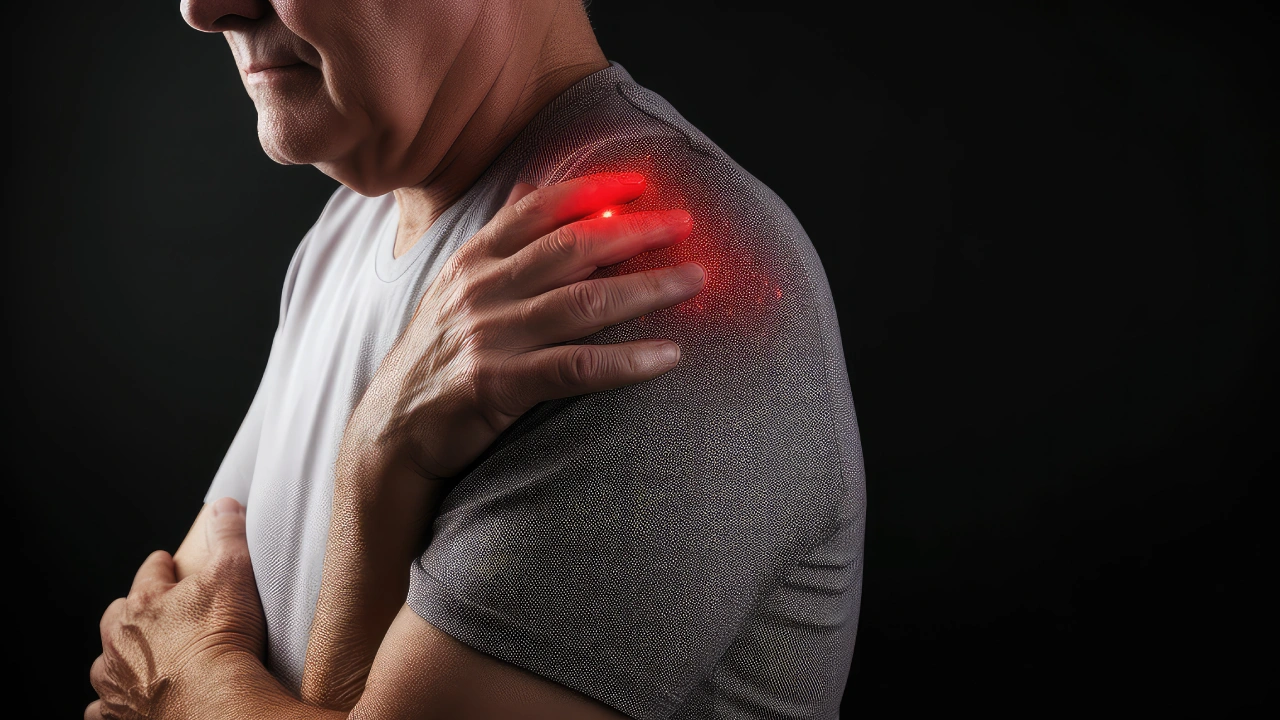
A frozen shoulder causes pain and progressive restriction in shoulder movement. Reaching overhead, fastening clothing, or reaching behind the back may become difficult. Physiotherapy may help address mobility limitations through appropriate exercises and movement-based care.
4. Previous Joint Injuries
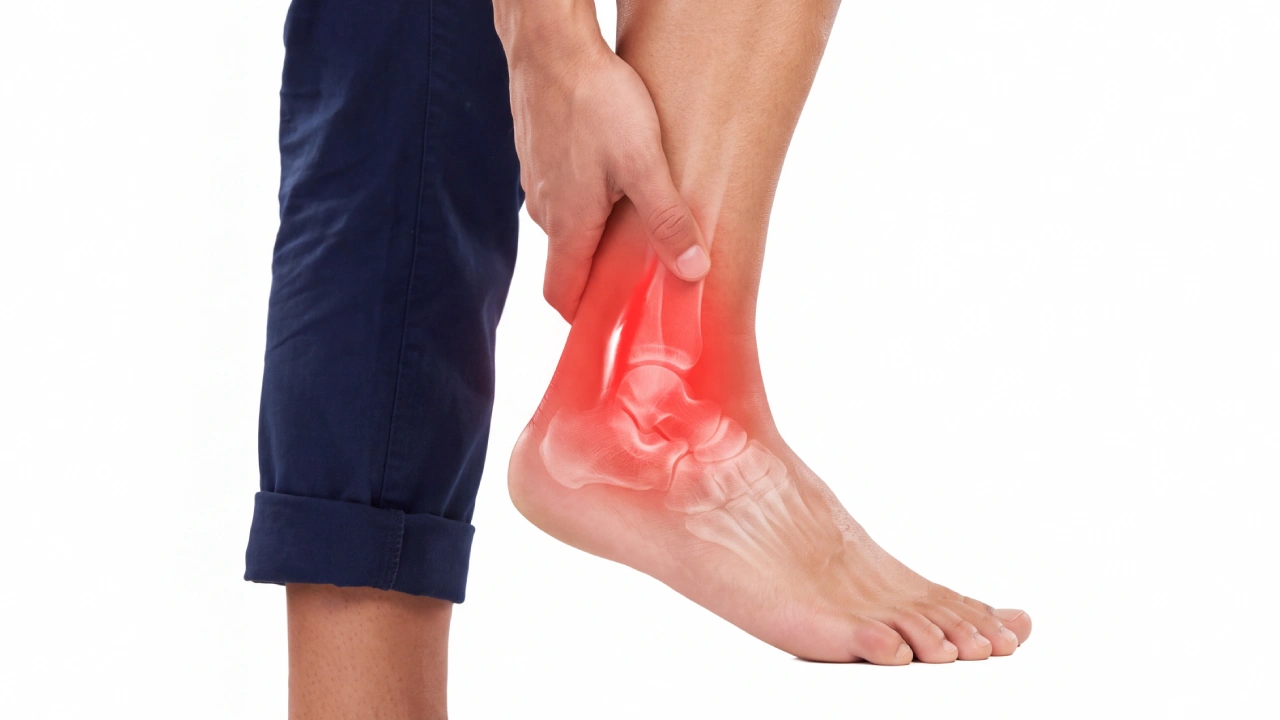
Sprains, fractures, ligament injuries, and other forms of joint trauma can lead to stiffness during recovery. Scar tissue, swelling, reduced activity, and muscle weakness may contribute to restricted movement.
5. Tendon and Muscle Conditions
Problems involving tendons or surrounding muscles can affect how comfortably a joint moves. For example, shoulder tendon problems may make lifting the arm difficult, while knee-related muscle weakness can affect walking and stair climbing.
How Can Physiotherapy Help With Joint Stiffness?
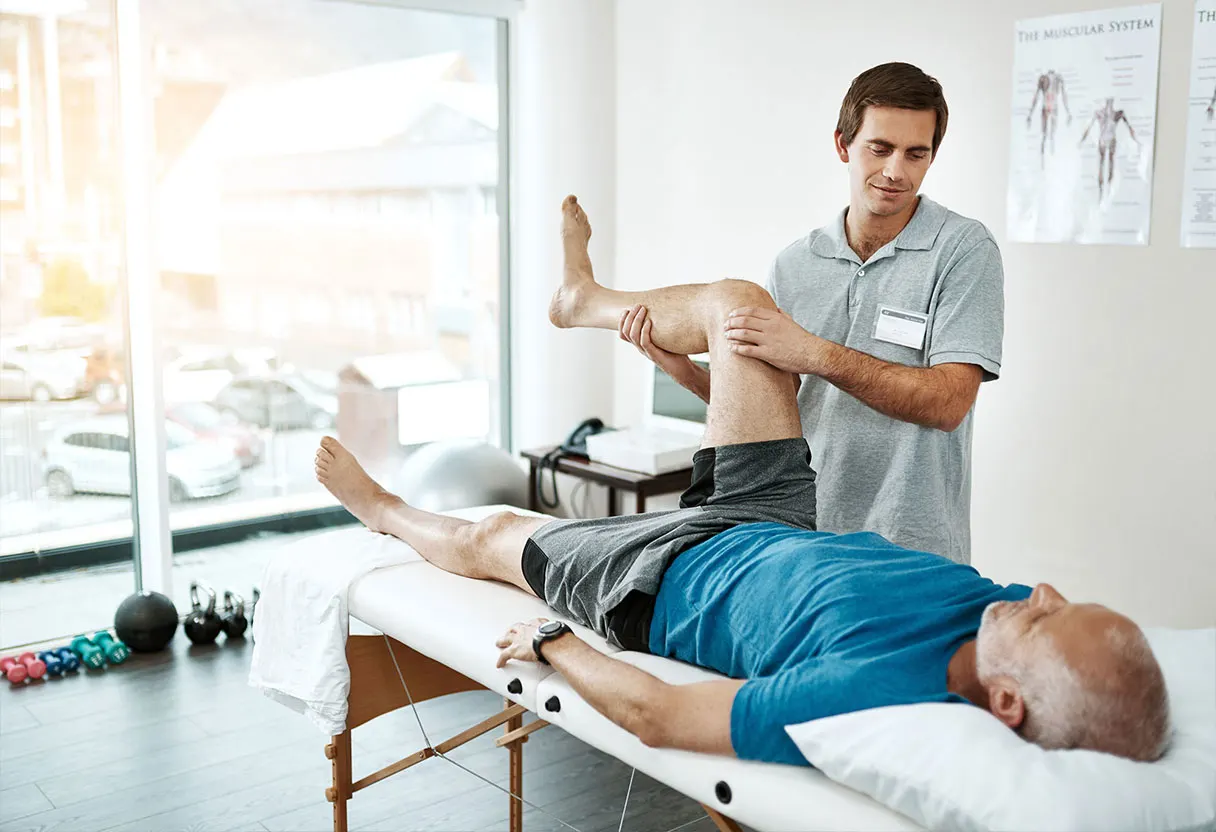
Physiotherapy may help improve movement and address physical limitations associated with certain joint conditions. During an assessment, the physiotherapist reviews your symptoms, medical history, joint mobility, muscle strength, posture, and functional movement.
At Revive Wellness Clinic, care may include:
- Mobility exercises: Gentle movements that work on restricted joint motion.
- Strengthening exercises: Activities that support the muscles surrounding affected joints.
- Manual therapy: Hands-on techniques used when appropriate to address movement restrictions.
- Movement education: Advice on activity modification, posture, and managing prolonged periods of sitting.
- Progress monitoring: Reviewing changes in movement and adjusting exercises according to your response.
Patients seeking care for Joint stiffness in Markham should receive an assessment that considers the affected joint, the cause of their symptoms, and their daily physical demands. Exercise selection and treatment intensity should reflect these findings.
When Should You Seek Assessment?
Occasional stiffness after inactivity may settle with gentle movement. However, symptoms that persist, repeatedly return, or interfere with daily activities warrant professional assessment.
Seek urgent medical attention if joint stiffness develops with severe pain, significant swelling, redness, fever, or an inability to bear weight after an injury. Sudden symptoms affecting several joints may also require prompt medical review.
If Joint stiffness in Markham is affecting your ability to walk, work, exercise, or complete household tasks, a physiotherapy assessment can help identify possible contributing factors and determine appropriate next steps.
Get Started
You do not have to ignore restricted movement when it begins interfering with your routine. At Revive Wellness Clinic, we assess joint mobility concerns and provide physiotherapy care based on your symptoms and physical needs.
Contact our clinic to discuss Joint stiffness in Markham and arrange an appointment to assess your movement concerns.
Call: +1 905-209-3111
Address: 8 Shadlock St Unit 10, Markham, ON L3S 3E1, Canada