Lumbar Pain

Lumbar Pain in Markham
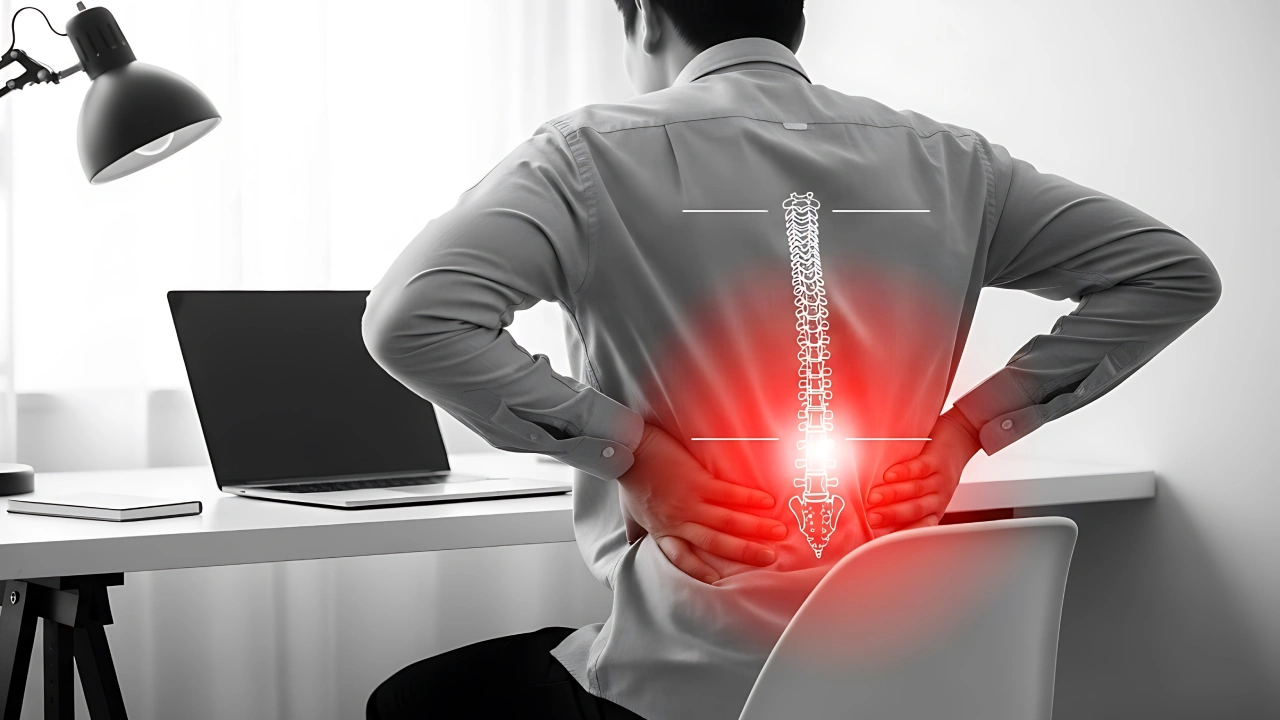
Lumbar pain can make everyday activities such as walking, sitting, bending, and lifting difficult. Whether discomfort develops after a long day at work, an awkward movement, or a period of reduced physical activity, lower back symptoms can interfere with daily routines. At Revive Wellness Clinic, we assess the factors contributing to your symptoms and help you work toward improved movement and physical function. Our approach to Lumbar pain in Markham focuses on identifying possible causes, managing movement difficulties, and supporting your return to regular activities.
What Is Lumbar Pain?
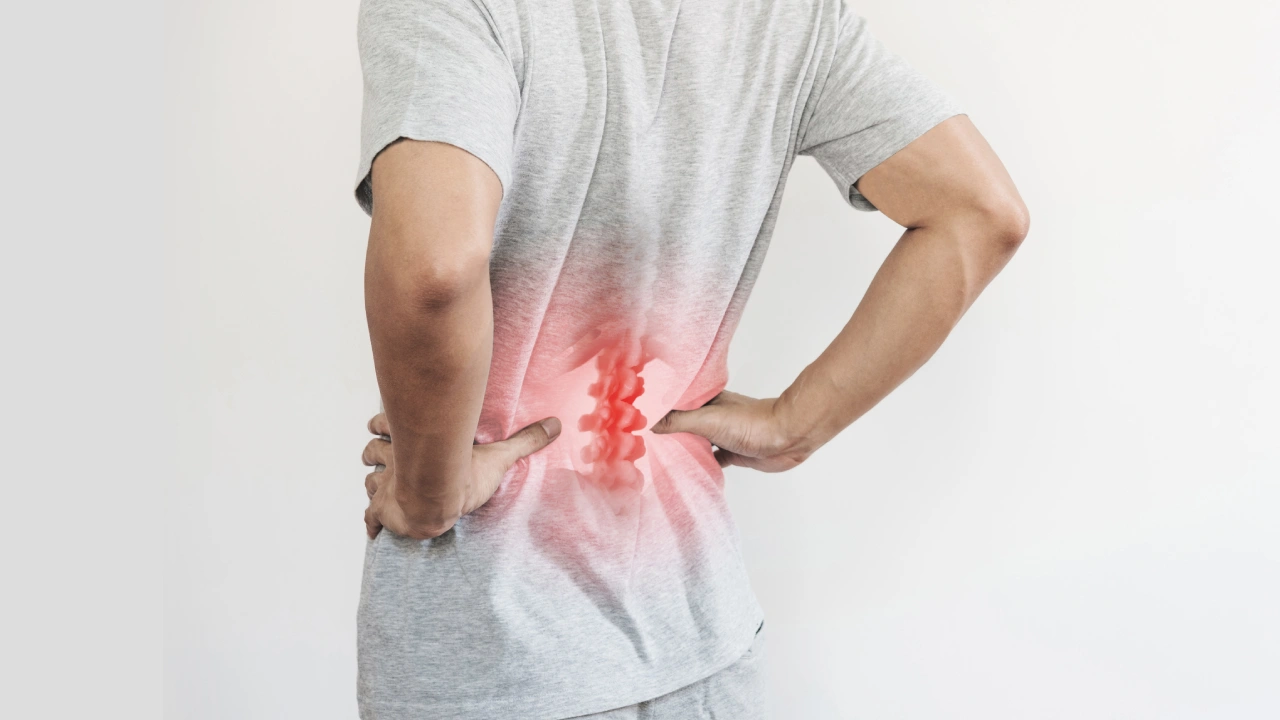
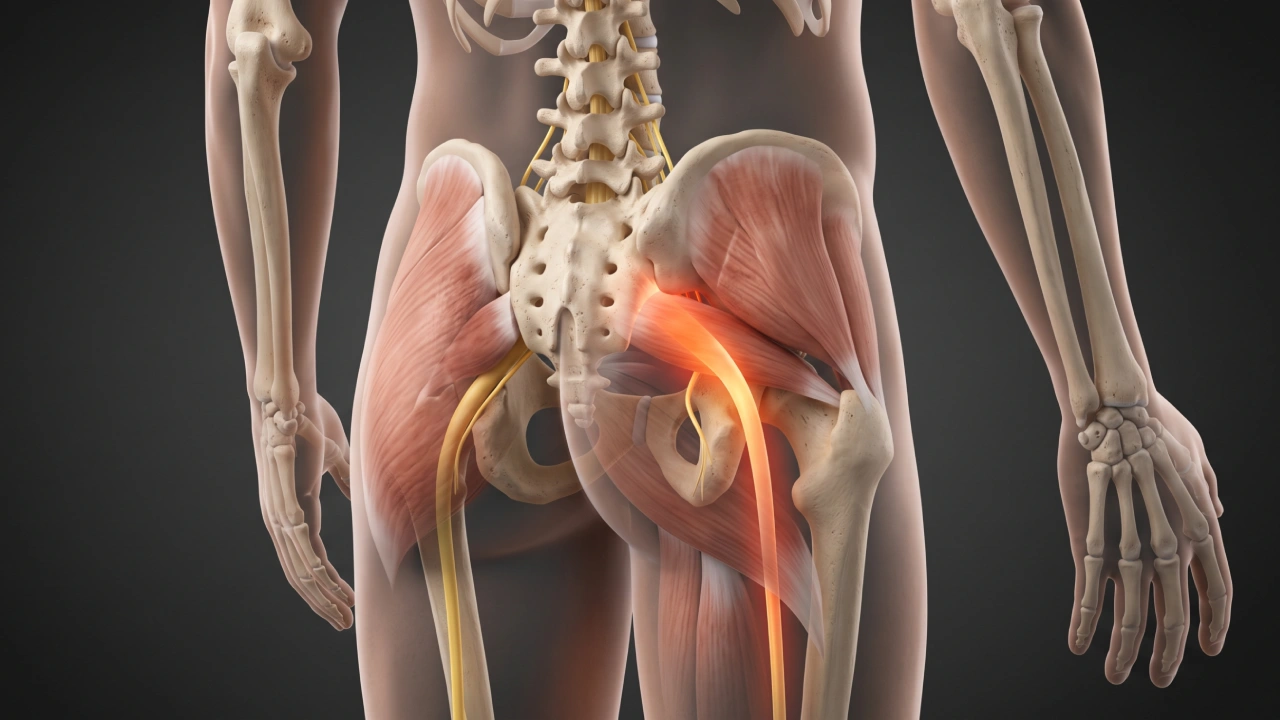
The lumbar spine is the lower portion of your back, consisting of five vertebrae between the rib cage and pelvis. This area supports much of your body weight and allows movements such as bending, twisting, and standing upright.
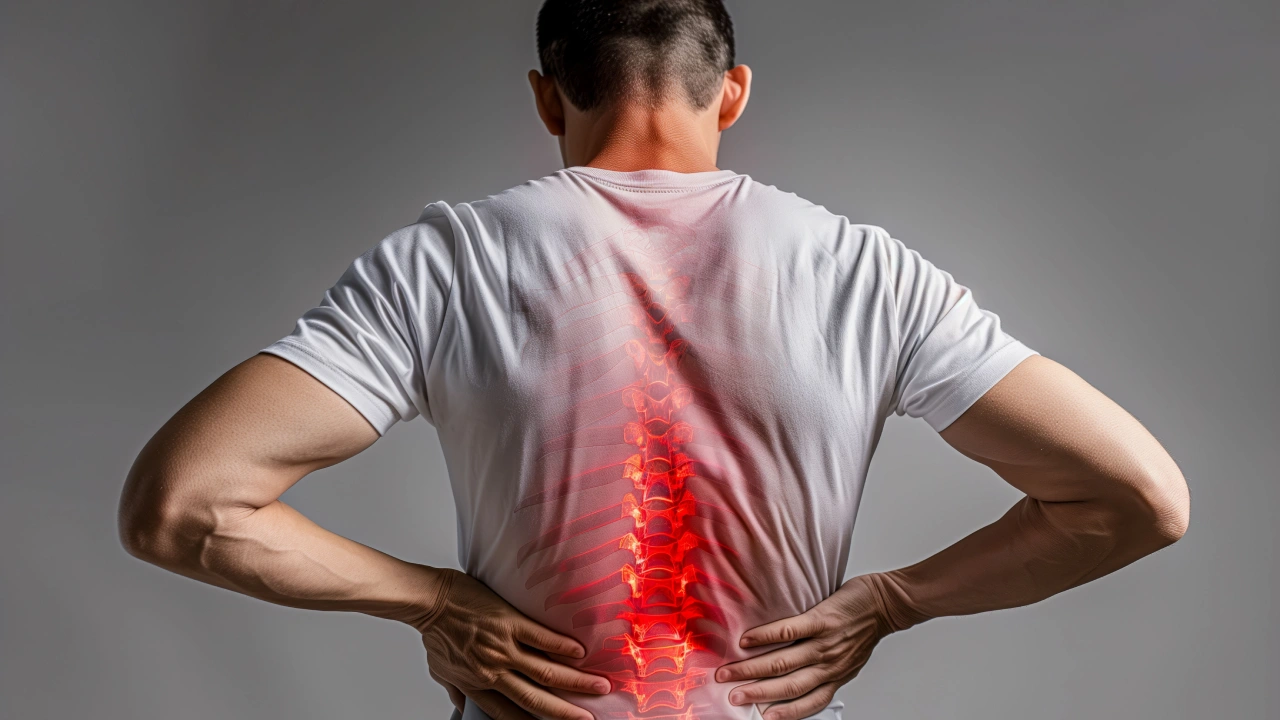
Lumbar Pain in Markham refers to discomfort in this region. Symptoms may develop suddenly after an injury or gradually due to repetitive movements, prolonged sitting, or age-related changes in spinal structures. Some people experience a dull ache, while others notice sharp discomfort, stiffness, muscle tightness, or pain that travels into the buttocks and legs.
The location, intensity, and duration of symptoms can vary depending on the underlying cause.
Common Causes of Lumbar Pain
Several conditions and everyday habits can contribute to lower back discomfort. Identifying the possible source helps determine which assessment methods and treatment options may be appropriate.
Common causes include:
- Muscle strains: Lifting heavy objects, sudden movements, or repetitive physical tasks can strain the muscles and ligaments supporting the lower back.
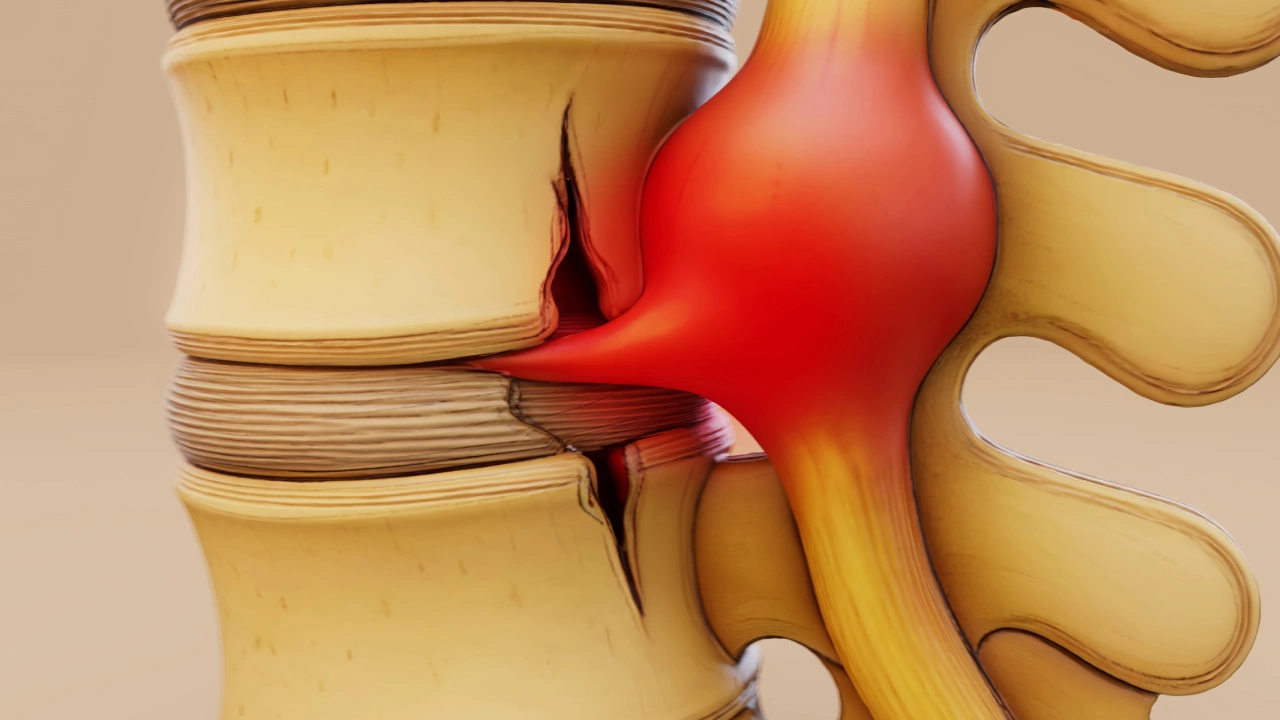
- Herniated discs: A spinal disc may bulge or rupture, sometimes irritating nearby nerves and causing symptoms that extend into the leg.
- Poor posture: Prolonged sitting, slouching, and limited movement can place repeated stress on the lower back.
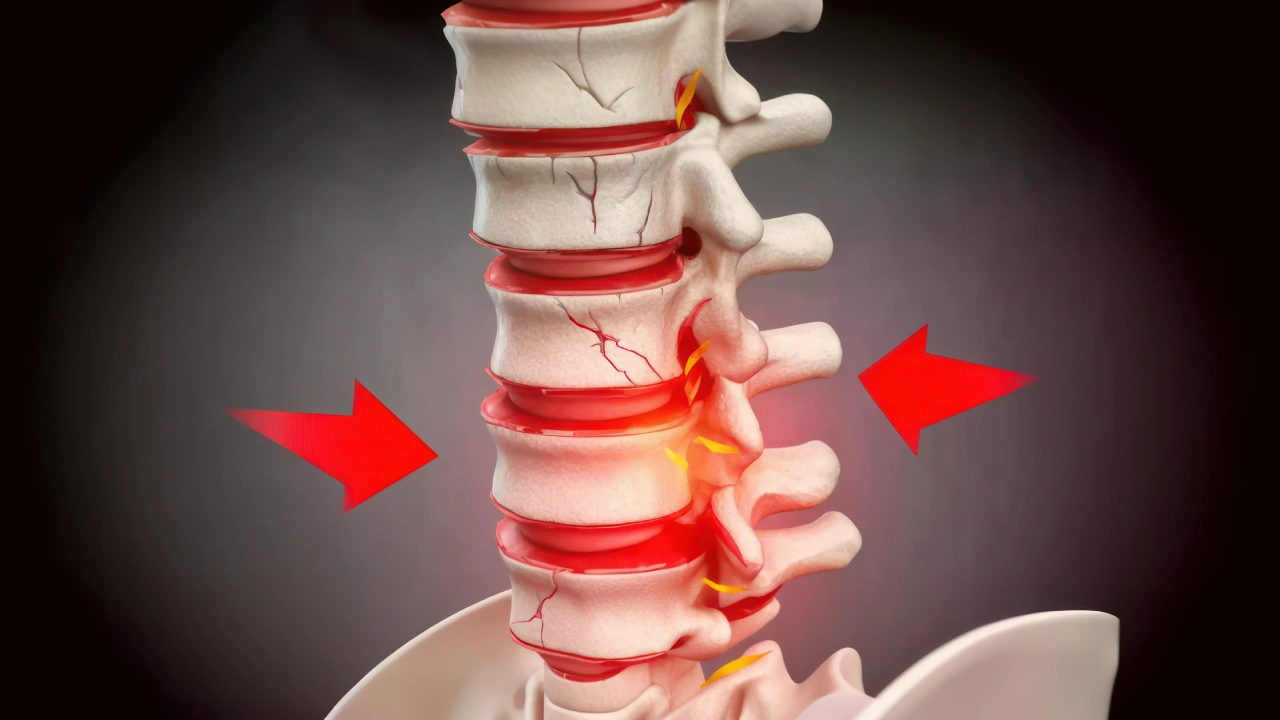
- Degenerative changes: Age-related changes in spinal discs and joints may contribute to stiffness and discomfort.
- Spinal stenosis: Narrowing of the spinal canal can place pressure on nerves and may cause back or leg symptoms.
- Reduced core strength: Limited strength or endurance in the muscles supporting the trunk may affect how the body handles daily physical demands.
Not every case has one identifiable cause. A clinical assessment can help distinguish between possible sources of symptoms.
Symptoms Associated With Lumbar Pain
Symptoms can range from mild stiffness to discomfort that interferes with work, sleep, or household activities. You may notice symptoms when getting out of bed, standing for extended periods, bending forward, or changing positions after sitting.
Common symptoms include:
- Aching or sharp discomfort in the lower back
- Stiffness after rest or prolonged sitting
- Muscle tightness around the lumbar region
- Difficulty bending, twisting, or lifting
- Discomfort extending into the buttocks or legs
- Reduced tolerance for walking or standing
If back pain occurs alongside new bladder or bowel problems, numbness around the groin, or rapidly worsening leg weakness, seek emergency medical care. These symptoms can indicate a serious spinal condition.
How Can Physiotherapy Help With Lumbar Pain?
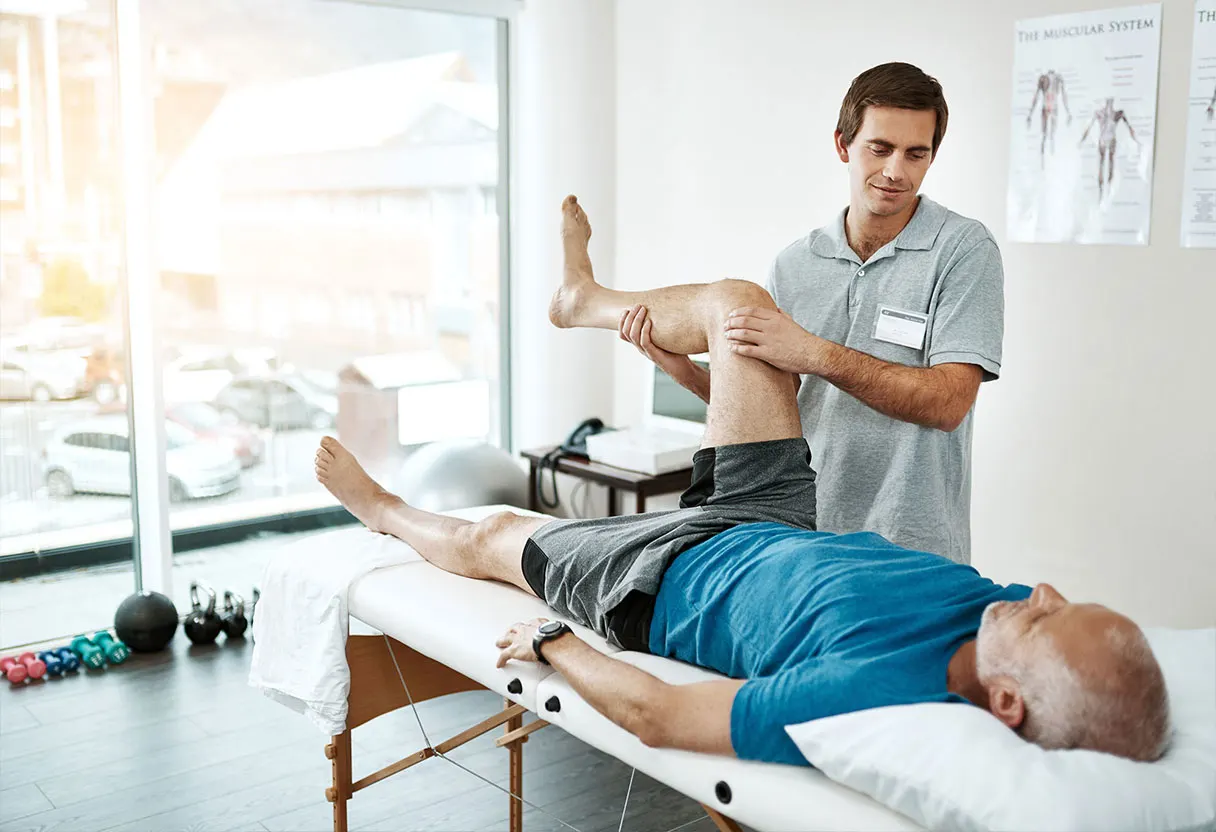
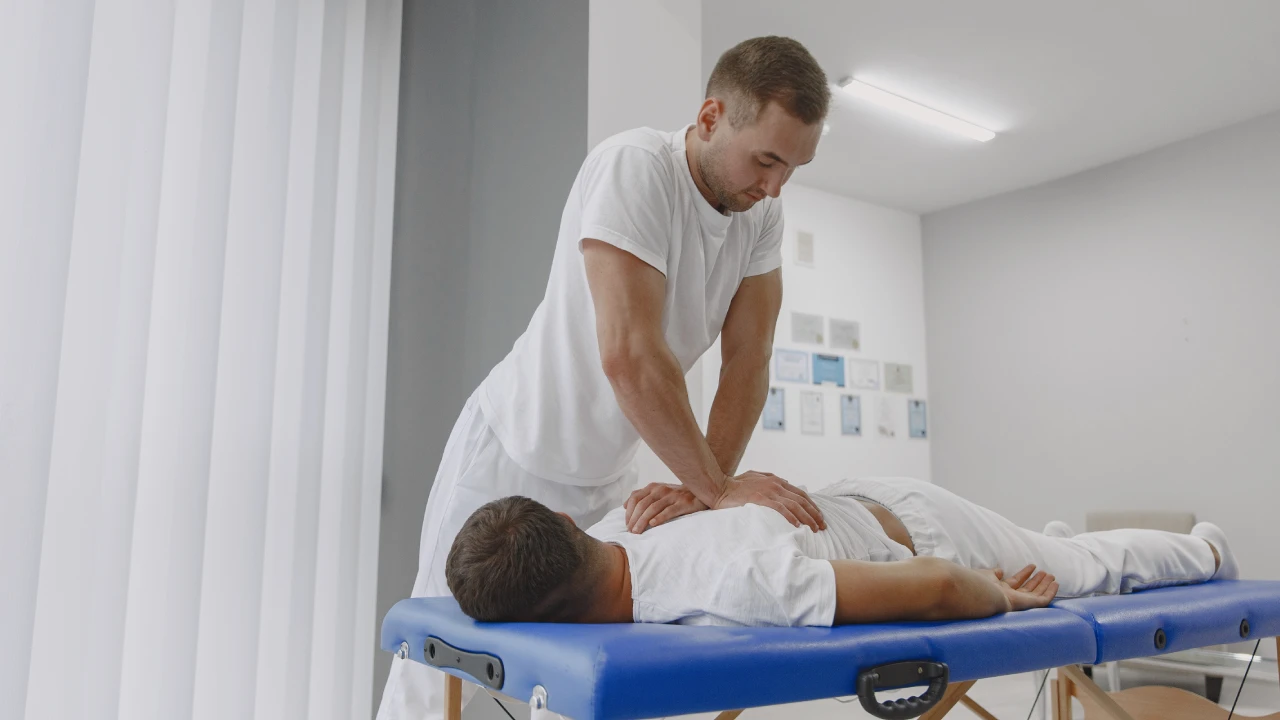
Physiotherapy may help address movement limitations, muscle weakness, and physical difficulties associated with lower back symptoms. At Revive Wellness Clinic, your assessment may include a review of your symptoms, medical history, posture, spinal movement, muscle strength, and functional limitations.
Depending on the findings, your care plan may include therapeutic exercises, mobility activities, manual therapy, and advice on movement habits. Exercises may focus on trunk strength, flexibility, coordination, and gradually increasing tolerance for daily tasks.
Your physiotherapist may also discuss lifting methods, workstation positioning, activity modification, and ways to introduce movement breaks during extended periods of sitting. Progress is monitored according to your symptoms, physical capacity, and response to treatment.
The aim is to help you move with greater confidence and participate in daily activities while reducing avoidable strain on your lower back.
When Should You Seek Assessment?
Consider arranging an assessment if lower back discomfort persists, repeatedly returns, limits your daily activities, or begins to spread into your legs. Early evaluation can help identify contributing factors and determine whether physiotherapy or medical investigation is appropriate.
For Lumbar pain in Markham, Revive Wellness Clinic provides assessment and physiotherapy services based on your symptoms and functional needs. If your pain follows a significant injury or occurs with fever, unexplained weight loss, or progressive neurological symptoms, seek prompt medical evaluation.
Get Started
Lower back discomfort does not have to dictate every movement in your day. If Lumbar pain in Markham is affecting your work, mobility, exercise routine, or household responsibilities, contact Revive Wellness Clinic to discuss an assessment. Our team can evaluate your movement concerns and explain suitable next steps based on the findings.
Phone: +1 905-209-3111
Address: 8 Shadlock St Unit 10, Markham, ON L3S 3E1, Canada
Call 905-209-3111 or visit our clinic in Markham to arrange an appointment and discuss your lower back concerns.