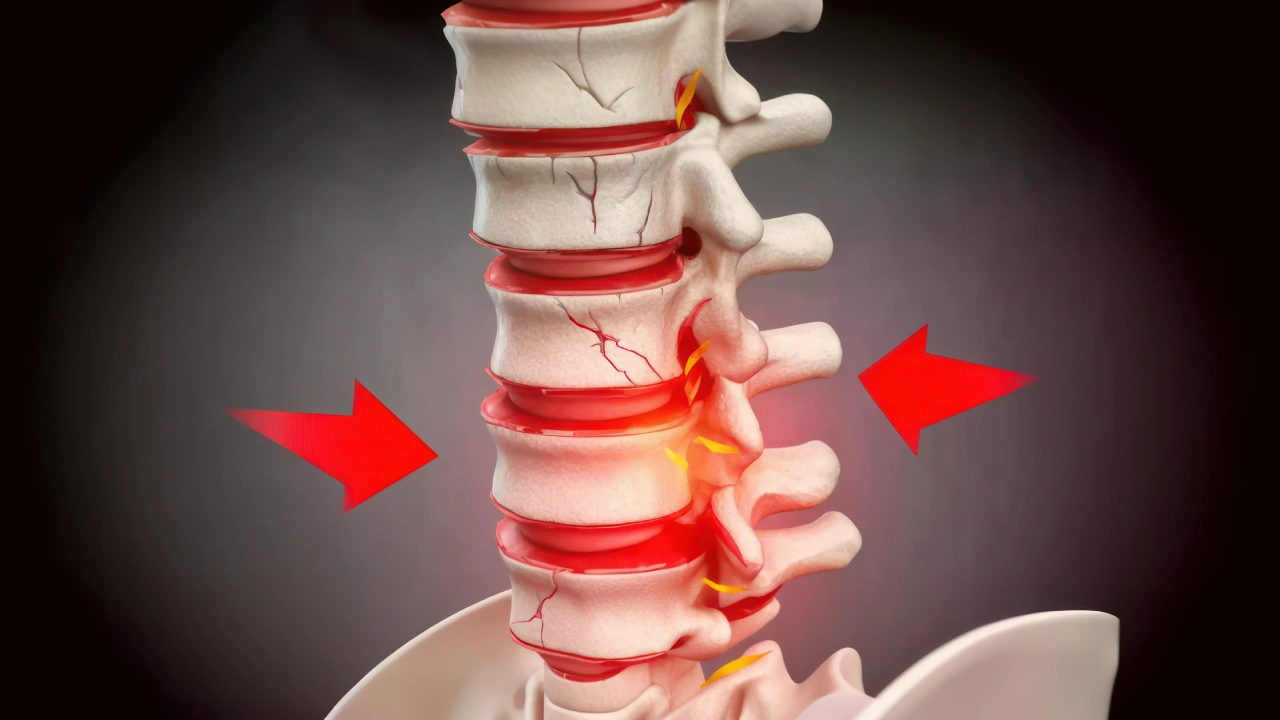
Bulging Disc
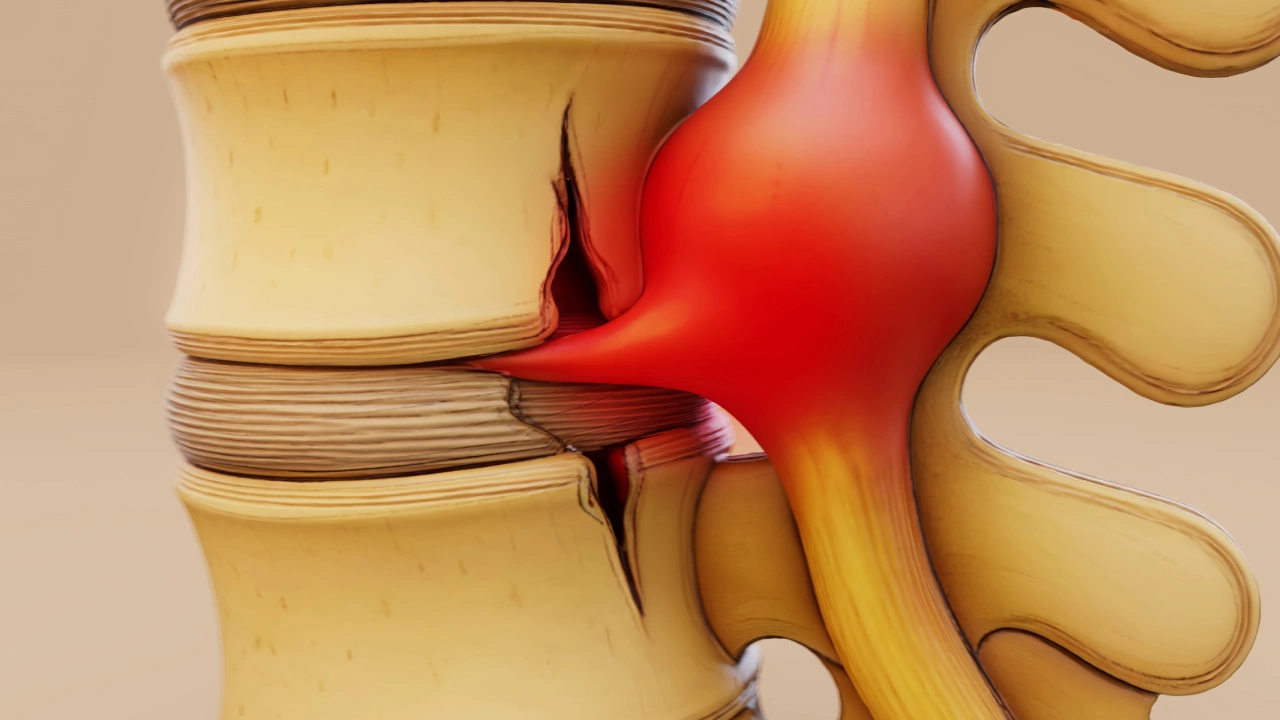
Bulging disc in Markham
A bulging disc can make everyday activities such as sitting, bending, walking, and lifting uncomfortable. What starts as mild back discomfort may develop into persistent pain, stiffness, or tingling that affects your daily routine. At Revive Wellness Clinic, we help patients understand their symptoms and identify suitable physiotherapy options for managing movement difficulties associated with spinal disc conditions.
What Is a Bulging Disc?
Your spine contains small, cushion-like discs between the vertebrae. These discs absorb impact, support spinal movement, and help distribute pressure during daily activities. A bulging disc occurs when a disc extends beyond its usual boundary, often due to age-related changes, repeated strain, or gradual wear.
Unlike a herniated disc, where the inner material pushes through a tear in the outer layer, a bulging disc generally involves the disc extending outward more broadly. However, either condition may irritate nearby nerves, depending on its location and severity.
Not every bulging disc causes symptoms. Some people discover the condition through imaging performed for an unrelated concern. When symptoms occur, a physical assessment can help determine whether the disc may be contributing to the problem.
Common Symptoms of a Bulging Disc
Symptoms vary depending on which part of the spine is affected and whether nearby nerves are irritated. People seeking care for a bulging disc in Markham may report one or more of the following concerns:
- Lower back pain: Aching or discomfort around the lumbar spine, sometimes increasing during bending or prolonged sitting.
- Neck stiffness: Reduced neck movement or discomfort when turning the head.
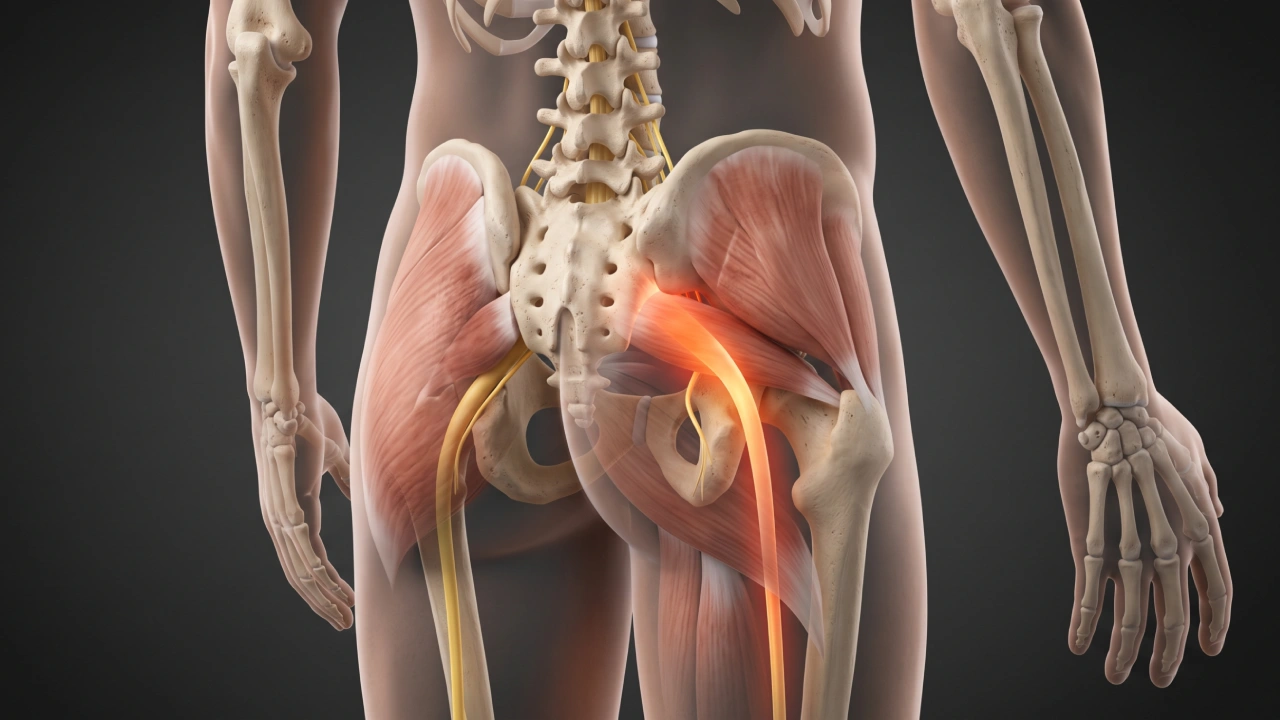
- Radiating pain: Discomfort travels from the back into the buttocks, legs, shoulders, or arms.
- Tingling or numbness: Unusual sensations in the limbs when a nerve is affected.
- Muscle weakness: Reduced strength in an arm or leg in some cases.
- Restricted movement: Difficulty completing routine tasks that involve twisting, lifting, or changing positions.
Seek urgent medical attention if you develop new bladder or bowel control problems, numbness around the groin, or rapidly progressing leg weakness. These symptoms may indicate serious nerve compression.
What Causes a Bulging Disc?
Several factors can contribute to disc changes. Age-related wear may reduce the disc’s water content and flexibility, making it more susceptible to changes in shape. Repeated lifting, poor lifting mechanics, prolonged sitting, and repetitive bending may also place additional stress on the spine.
Other contributing factors include excess body weight, smoking, previous spinal injuries, and genetic predisposition. Often, there is no single identifiable cause.
A bulging disc does not automatically mean that surgery is required. Management depends on your symptoms, physical function, medical history, and whether nerve compression is present.
How Physiotherapy May Help?
At Revive Wellness Clinic, physiotherapy begins with an assessment of your symptoms, spinal movement, strength, flexibility, and daily activity limitations. This helps the physiotherapist determine which movements may be contributing to discomfort and whether further medical assessment is necessary.
For patients seeking care for a bulging disc in Markham, treatment may include:
- Therapeutic exercises: Gradual exercises to develop trunk strength, mobility, and movement control.
- Movement education: Advice on bending, lifting, sitting, and changing positions with less strain.
- Manual therapy: Hands-on techniques when appropriate for your symptoms and assessment findings.
- Activity modification: Adjustments to work tasks, exercise routines, and everyday activities while symptoms settle.
- Progressive strengthening: A gradual return to physical activities based on your tolerance and functional goals.
Treatment plans vary because each person has different symptoms and physical demands. Physiotherapy cannot reverse every structural disc change, but suitable exercises and activity adjustments may help improve function and manage associated symptoms.
When Should You Seek Assessment?
Consider an assessment if back or neck discomfort persists, movement becomes restricted, or symptoms travel into an arm or leg. Early assessment can help identify potential causes and determine whether physiotherapy is appropriate.
If you are looking for care for a bulging disc in Markham, Revive Wellness Clinic can assess your movement concerns and discuss suitable next steps. Imaging is not always necessary, but your healthcare provider may recommend it when symptoms or examination findings warrant further investigation.
Get Started
Living with recurring back or neck discomfort can affect work, exercise, sleep, and everyday routines. If you need an assessment for a bulging disc in Markham, contact Revive Wellness Clinic to discuss your symptoms and available physiotherapy services.
Phone: +1 905-209-3111
Address: 8 Shadlock St Unit 10, Markham, ON L3S 3E1, Canada
Call 905-209-3111 to arrange an appointment and discuss a suitable course of care for your spinal health.