Thumb Tendinitis
Thumb tendinitis in Markham
What Is Thumb Tendinitis?
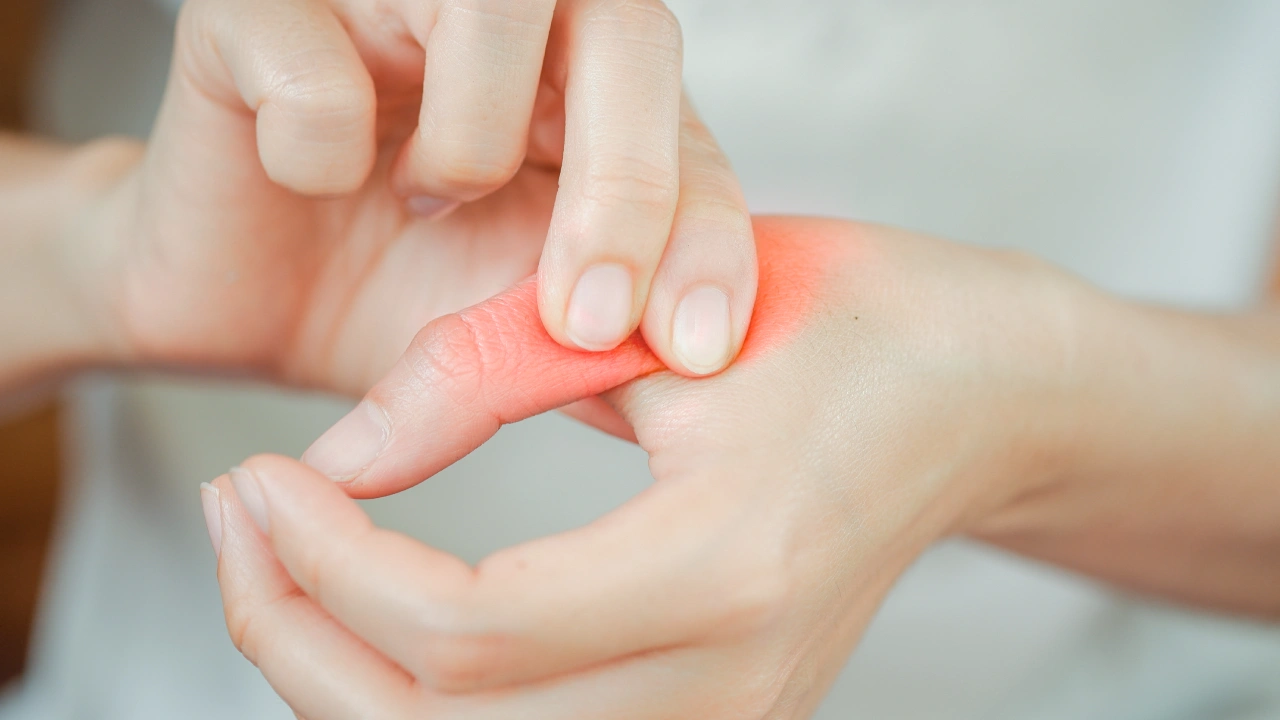
Thumb tendinitis occurs when the tendons that control thumb movement become irritated, often due to repetitive activities, excessive gripping, or repeated bending and twisting motions. These tendons help you pinch, grasp, hold objects, and perform everyday tasks. When they become irritated, movements such as opening jars, using a phone, writing, or lifting items may cause discomfort.
One condition associated with thumb tendon irritation is de Quervain’s tenosynovitis, which affects the tendons along the thumb side of the wrist. Although the terms are sometimes used interchangeably, thumb tendinitis and de Quervain’s tenosynovitis are not identical. A clinical assessment can help identify the source of symptoms.
At Revive Wellness Clinic, physiotherapy assessments focus on thumb movement, wrist function, daily activities, and possible sources of tendon strain. People seeking care for Thumb tendinitis in Markham can receive an assessment to determine whether physiotherapy may be appropriate for their symptoms.
Common Symptoms of Thumb Tendinitis
Symptoms may develop gradually or appear after an increase in repetitive activity. The location and intensity of discomfort depend on the affected tendon and the movements that aggravate it.
Common signs include:
- Pain near the thumb: Discomfort around the base of the thumb or along the thumb side of the wrist.
- Swelling: Mild swelling near the affected tendon.
- Tenderness: Sensitivity when touching the thumb’s base or nearby wrist area.
- Stiffness: Difficulty moving the thumb through its usual range.
- Weak grip: Trouble holding cups, carrying bags, opening containers, or gripping tools.
- Pain during pinching: Discomfort when buttoning clothes, turning keys, writing, or using a touchscreen.
Some people notice symptoms during activity, while others experience discomfort afterward. Persistent symptoms can interfere with work, household responsibilities, sports, and hobbies.
What Causes Thumb Tendinitis?
Repeated thumb movements are a common contributor to tendon irritation. Activities that involve frequent texting, prolonged phone use, gaming, typing, sewing, gardening, and manual work may place repeated demands on the thumb and wrist.
Other contributing factors include forceful gripping, repetitive lifting, sudden increases in training intensity, and limited recovery between demanding activities. Certain sports and occupations may also increase tendon loading.
However, thumb pain does not always indicate tendinitis. Arthritis, ligament injuries, nerve irritation, and other wrist conditions can produce similar symptoms. An assessment can help distinguish between these possibilities and determine whether additional medical investigation is needed.
How Physiotherapy Can Help With Thumb Tendinitis?
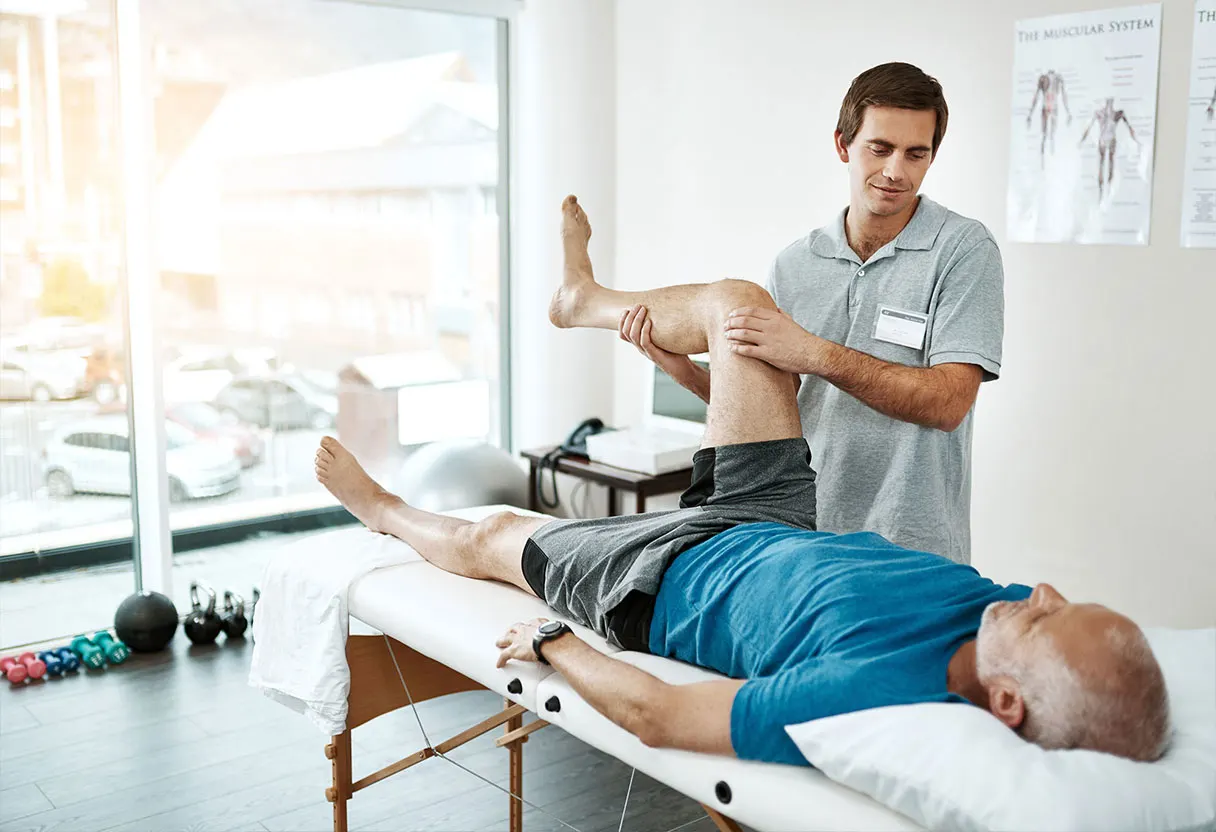
Physiotherapy for Thumb tendinitis in Markham begins with an assessment of thumb mobility, wrist movement, grip function, tenderness, and activities that trigger symptoms. This information helps the physiotherapist identify possible contributing factors and plan appropriate care.
Depending on the assessment findings, treatment may include:
- Activity modification: Adjusting gripping methods, phone use, lifting habits, and repetitive movements to reduce tendon strain.
- Mobility exercises: Introducing suitable movements to maintain thumb and wrist mobility.
- Progressive strengthening: Gradually building tolerance for gripping and everyday hand activities as symptoms permit.
- Manual therapy: Applying appropriate hands-on methods to address movement restrictions and surrounding tissue discomfort.
- Workstation adjustments: Reviewing device positioning and hand posture to reduce unnecessary strain.
- Home exercises: Practicing prescribed movements between appointments to support functional progress.
For Thumb tendinitis in Markham, treatment methods depend on symptom severity, the affected tendon, and how the thumb responds to movement. A physiotherapist may also discuss whether temporary thumb support or a medical referral is appropriate.
When Should You Seek Physiotherapy?
Consider an assessment if thumb discomfort persists, limits everyday tasks, or repeatedly returns during work or exercise. Seek prompt medical attention after a significant injury or if you notice severe swelling, redness, warmth, fever, numbness, or sudden loss of hand function.
Get Started
Revive Wellness Clinic assesses thumb and wrist symptoms in relation to your work, daily routine, and physical activities. Our physiotherapy team can help identify contributing factors and determine suitable next steps.
If Thumb tendinitis in Markham is interfering with gripping, lifting, or everyday hand movements, contact Revive Wellness Clinic at +1 905-209-3111 to arrange an assessment. Early evaluation can help clarify the cause of your symptoms and identify appropriate options for managing them.
Call: 905-209-3111
Visit: 8 Shadlock St Unit 10, Markham, ON L3S 3E1, Canada