
 +1 (780) 737-1019
Prenatal Massage

Prenatal Massage is a form of therapeutic massage adapted to the physical needs of pregnant individuals. It focuses on addressing common pregnancy-related concerns, such as muscle tension, back discomfort, hip tightness, leg fatigue, and physical stress. At The Bright Physio & Mindfulness Massage in Edmonton, prenatal massage sessions can be planned around the client’s stage of pregnancy, comfort level, and health history. Appropriate positioning, gentle pressure, and pregnancy-aware massage methods are important parts of each session. Prenatal Massage may help support relaxation, ease muscular tension, and make everyday movement more comfortable during pregnancy. Individuals should consult their healthcare provider before booking, particularly if their pregnancy involves medical complications or other health concerns.
What Is Prenatal Massage?
Prenatal Massage is a massage service adapted for people who are pregnant. Unlike a general massage session, it takes account of the physical changes that occur throughout pregnancy, including changes in posture, body weight distribution, joint mobility, and muscle loading.
As the abdomen grows, the lower back, hips, pelvis, shoulders, and legs may experience additional strain. Hormonal changes can also affect joint flexibility and contribute to changes in movement. These factors may lead to muscular tightness, fatigue, and difficulty finding comfortable positions during rest or sleep.
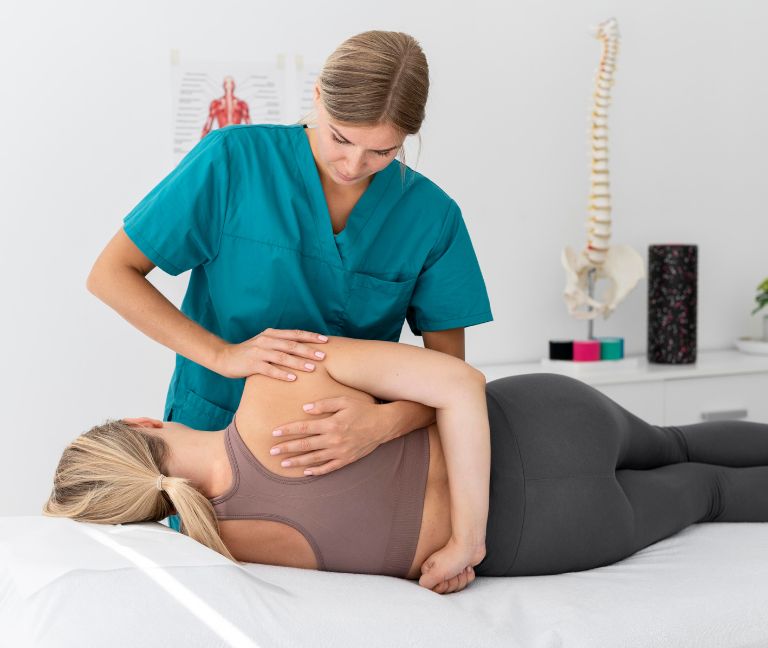
At The Bright Physio & Mindfulness Massage in Edmonton, Prenatal Massage can focus on areas experiencing tension while prioritizing comfort and appropriate positioning. Depending on the individual’s needs and pregnancy stage, a session may involve side-lying support, pillows, gentle pressure, and careful attention to sensitive areas.
The Purpose of Prenatal Massage
The main purposes of Prenatal Massage include:
- Addressing muscular tension associated with pregnancy-related postural changes.
- Supporting relaxation during periods of physical and emotional stress.
- Addressing tightness in the shoulders, neck, hips, and lower back.
- Supporting comfort during rest and everyday activities.
- Providing a calm setting for taking time away from daily responsibilities.
Prenatal Massage is not a substitute for prenatal medical care. It should be provided by a practitioner trained in pregnancy massage who can recognize when a session needs to be modified or postponed.
Who Can Benefit from Prenatal Massage?
Prenatal Massage may be appropriate for pregnant individuals seeking support with muscular tension and relaxation, provided their healthcare circumstances allow massage.
Pregnant Individuals Experiencing Back Tension
Changes in posture and body weight distribution can place additional demands on the lower back. Gentle massage may help address muscle tightness in this area.
Individuals With Hip and Shoulder Tightness
Changes in sleeping positions, sitting habits, and daily movement can contribute to tension around the hips and shoulders. A session can focus on these areas within the limits of pregnancy-safe positioning.
Expectant Parents with Physically Demanding Routines
People who spend extended periods standing, sitting, walking, or performing repetitive tasks may notice increased muscular fatigue during pregnancy. Prenatal Massage may help address tension associated with these activities.
Individuals Experiencing Stress
Pregnancy can involve changes in routines, sleep, responsibilities, and emotions. A quiet massage session may support relaxation and provide time to pause and unwind.
Individuals Seeking Support with Rest and Comfort
Some pregnant people find it difficult to settle into a comfortable resting position. Prenatal Massage may help address muscular tension that contributes to discomfort, although it cannot guarantee improved sleep.
Important: Prenatal Massage may not be appropriate in every pregnancy. Individuals with a high-risk pregnancy, a history of pregnancy complications, vaginal bleeding, signs of preterm labour, preeclampsia, blood-clot concerns, or other significant medical issues should obtain advice from their healthcare provider before scheduling a session.
Problems Prenatal Massage May Address
Pregnancy-related physical changes can affect different parts of the body. Prenatal Massage may be considered as part of a broader approach to managing muscular discomfort.
Lower Back Tension
The growing abdomen and changes in posture can increase muscular demands on the lower back. Gentle massage may help reduce muscle tightness and support comfort during everyday activities.
Hip and Pelvic-Area Muscle Tightness
Changes in movement and posture can affect the muscles around the hips. Massage may focus on appropriate surrounding muscle groups, with care taken around sensitive areas.
Neck and Shoulder Stiffness
Changes in sleeping positions, prolonged sitting, and everyday tasks may contribute to upper-body tension. Massage can focus on the neck and shoulders using comfortable positioning.
Leg Fatigue
Pregnant individuals may notice tired or tense leg muscles after walking or standing. Gentle massage may address muscular fatigue when appropriate. However, new or unexplained swelling, redness, warmth, or pain in one leg requires prompt medical assessment rather than massage.
General Physical Stress
Managing work, family responsibilities, appointments, and physical changes may contribute to stress. A quiet session can provide time for relaxation.
Difficulty Getting Comfortable
As pregnancy progresses, some positions may become uncomfortable. Prenatal Massage sessions can use supportive pillows and side-lying positions to accommodate the changing body.
Key Features of Prenatal Massage
The content below describes common features of pregnancy-aware massage. Confirm the clinic’s current service details, practitioner qualifications, and session options before publishing them as specific business claims.
Pregnancy-Aware Positioning
What it includes: Positioning options such as side-lying support and suitable pillows, selected according to pregnancy stage and individual comfort.
Why it matters: Comfortable positioning helps reduce unnecessary pressure on the abdomen and allows the client to rest during the session.
Expected outcome: A more comfortable massage setting that accounts for physical changes during pregnancy.
Appropriate Pressure and Massage Methods
What it includes: Gentle pressure and massage methods selected according to the client’s comfort, health history, and practitioner assessment.
Why it matters: Pregnancy calls for careful consideration of positioning, pressure, and areas that should be avoided or approached cautiously.
Expected outcome: A session focused on appropriate muscular areas without unnecessary discomfort.
Attention to Common Tension Areas
What it includes: A focus on suitable areas such as the upper back, shoulders, hips, and lower back.
Why it matters: These areas may experience additional muscular demands as posture and movement patterns change during pregnancy.
Expected outcome: Support for muscular comfort and relaxation in the areas addressed.
Initial Health and Comfort Discussion
What it includes: A discussion of pregnancy stage, relevant health concerns, current symptoms, positioning preferences, and any advice received from a healthcare provider.
Why it matters: This information helps determine whether massage is appropriate and whether any modifications or precautions are required.
Expected outcome: A session plan that accounts for the client’s current circumstances and comfort.
A Calm Massage Environment
What it includes: A setting intended to support quiet rest and relaxation during the appointment.
Why it matters: A calm environment may help clients take a break from daily demands.
Expected outcome: Time set aside for relaxation alongside attention to muscular tension.
How the Prenatal Massage Process Works
At The Bright Physio & Mindfulness Massage in Edmonton, a pregnancy massage appointment can follow these general steps, subject to the clinic’s actual booking and treatment procedures.
Step 1: Initial Consultation
The appointment begins with a discussion about the client’s pregnancy stage, areas of tension, comfort preferences, and reasons for seeking massage. Relevant medical history and healthcare-provider recommendations should also be discussed.
Step 2: Health and Safety Assessment
The practitioner reviews relevant concerns to determine whether massage is appropriate. If symptoms or medical circumstances raise concerns, the client may be advised to consult their healthcare provider before proceeding.
Step 3: Session Planning
The practitioner identifies suitable areas to address, considers appropriate positioning, and discusses pressure preferences. The client should be able to ask questions and communicate any concerns before the massage begins.
Step 4: Prenatal Massage Session
The session uses appropriate positioning and gentle massage methods according to the agreed plan. Pressure and positioning should be adjusted whenever the client feels discomfort.
Step 5: Post-Session Review
After the massage, the practitioner can ask about comfort during the session and whether any areas felt sensitive. The client can share feedback about positioning and pressure.
Step 6: Follow-Up Considerations
If the client wishes to book another session, the practitioner can discuss timing and any changes in comfort or pregnancy circumstances. The frequency of massage should depend on individual needs and relevant healthcare advice.
Benefits of Prenatal Massage
When appropriate for the individual’s pregnancy and health circumstances, Prenatal Massage may provide several practical benefits.
- Muscular comfort: Gentle massage may help address tension in the back, shoulders, hips, and other suitable areas.
- Relaxation: A quiet session may help the client unwind and take a break from daily responsibilities.
- Comfort during everyday movement: Addressing muscular tightness may make certain activities feel more comfortable.
- Time for rest: A supported position and calm environment can provide an opportunity to pause.
- Attention to changing physical needs: Session positioning and pressure can be adjusted as pregnancy progresses.
- Body awareness: Communication during a session can help clients identify positions and pressure levels that feel comfortable.
Results vary from person to person. Prenatal Massage does not treat pregnancy complications, replace medical care, or guarantee changes in sleep, swelling, or other pregnancy symptoms.
Who Is Prenatal Massage Suitable For?
Prenatal Massage may be considered by a range of pregnant individuals, subject to appropriate health screening.
First-Trimester Clients
People in early pregnancy may have questions about whether massage is suitable. They should discuss any concerns with their healthcare provider and choose a practitioner trained in pregnancy massage. The practitioner’s screening procedures and clinical advice should determine whether a session proceeds.
Second-Trimester Clients
As the body changes, some individuals notice increased tension around the back, shoulders, and hips. Prenatal Massage may be considered when the pregnancy is progressing without contraindications and the practitioner can accommodate the client’s needs.
Third-Trimester Clients
Later pregnancy may make lying on the back or stomach uncomfortable. Appropriate side-lying positioning and supportive pillows are important considerations. The practitioner should review the client’s current symptoms and pregnancy circumstances before beginning.
Working Professionals
Pregnant people who spend much of the day at a desk or on their feet may experience muscular tension related to posture and daily activity. Massage may be considered as one part of a routine that also includes suitable movement, rest, and advice from healthcare providers.
Individuals With Physically Active Routines
Those who remain active during pregnancy may experience muscular fatigue. Prenatal Massage may address appropriate areas of tension, provided the activity level and symptoms have been reviewed where necessary.
Frequently Asked Questions
What Does Prenatal Massage Include?
Prenatal Massage generally involves pregnancy-aware positioning, appropriate pressure, and attention to suitable areas of muscular tension. The exact session depends on the practitioner’s training, the client’s comfort, pregnancy stage, and health history.
When Can I Start Prenatal Massage During Pregnancy?
There is no single answer that applies to everyone. Some providers have policies about massage during the first trimester, while others assess each person’s circumstances. Ask your healthcare provider and confirm the clinic’s policy before booking.
Is Prenatal Massage Safe During Pregnancy?
Prenatal Massage may be appropriate for many uncomplicated pregnancies when provided by a practitioner trained in pregnancy massage. However, it is not suitable for every person. Medical concerns, pregnancy complications, or certain symptoms may require medical assessment before massage.
How Often Can I Book Prenatal Massage?
The appropriate frequency varies according to individual comfort, pregnancy circumstances, and the practitioner’s assessment. Discuss the timing of repeat appointments with the practitioner and healthcare provider when relevant.
What Should I Wear to a Prenatal Massage Appointment?
Wear comfortable clothing that is easy to change out of. The practitioner should explain draping, positioning, and any clothing requirements before the session. Clients should remain appropriately covered and communicate any discomfort.
Can Prenatal Massage Help with Lower Back Discomfort?
Prenatal Massage may help address muscular tension that contributes to lower back discomfort. However, back pain during pregnancy can have several causes. Severe, persistent, unusual, or worsening pain should be assessed by a healthcare professional.
Do I Need Medical Approval Before Booking?
Not every uncomplicated pregnancy requires individual medical clearance for massage, but seeking advice is prudent if you have health concerns, a high-risk pregnancy, previous complications, or new symptoms. Follow your healthcare provider’s recommendations and the clinic’s screening policy.
Prenatal Massage Service Areas in Edmonton
The Bright Physio & Mindfulness Massage serves clients seeking massage services in Edmonton. Individuals considering Prenatal Massage can contact the clinic to confirm its current service area, appointment availability, location, and booking requirements.
Depending on the clinic’s actual service coverage, the page may also mention nearby Edmonton neighbourhoods and surrounding communities once these areas have been verified.
For clients travelling to an appointment, it may be useful to confirm parking, building access, appointment duration, and any positioning needs before arrival.
Why Consider The Bright Physio & Mindfulness Massage?
Choosing a prenatal massage provider involves checking training, communication, comfort, and safety procedures. The Bright Physio & Mindfulness Massage in Edmonton can use this section to explain its verified approach to pregnancy massage.
Before booking, prospective clients should confirm:
- Whether the practitioner has training in prenatal massage.
- How pregnancy stage and health history are reviewed before treatment.
- Which positioning options and support pillows are available.
- How pressure and session focus are adjusted according to comfort.
- Whether the practitioner recommends healthcare-provider approval in particular circumstances.
- What appointment durations, prices, and booking arrangements apply.
The clinic should add confirmed information about its practitioners, relevant qualifications, treatment setting, and current service policies here. Factual details allow prospective clients to make an informed choice without relying on broad marketing claims.
Related Services
Depending on the services currently available at The Bright Physio & Mindfulness Massage, clients may also wish to inquire about:
- Relaxation Massage: For people seeking time to unwind and address general muscular tension.
- Therapeutic Massage: For suitable muscular tension and movement-related discomfort.
- Neck and Shoulder Massage: For tension associated with desk work, posture, or everyday activity.
- Back Massage: For suitable muscular tightness affecting the upper or lower back.
- Postpartum Massage: For individuals seeking massage after childbirth, once their health circumstances and recovery needs have been considered.
Availability, suitability, and the clinic’s actual service names should be confirmed before these items are published as internal service links.
Take the Next Step
Pregnancy brings physical changes that can affect posture, movement, rest, and muscular comfort. Prenatal Massage may be an option for suitable clients who wish to address muscle tension and make time for relaxation during pregnancy.
The Bright Physio & Mindfulness Massage in Edmonton invites prospective clients to inquire about its Prenatal Massage service, practitioner training, appointment availability, and pregnancy-related safety procedures.
Before booking, share your pregnancy stage, relevant health concerns, and any recommendations from your healthcare provider. This allows the clinic to explain its screening process and determine whether an appointment is appropriate.
Ready to inquire about Prenatal Massage in Edmonton? Contact The Bright Physio & Mindfulness Massage to ask about appointment availability and discuss your needs before booking.
Phone: +1 780-737-1019
Address: 4904 30 Ave #105, Beaumont, Edmonton, AB T4X 3G3, Canada