
 +1 (780) 737-1019
Massage Therapy

Massage Therapy at The Bright Physio & Mindfulness Massage in Edmonton focuses on addressing muscle tension, stiffness, physical discomfort, and stress through hands-on soft tissue techniques. This service may be suitable for adults who experience muscle tightness from desk work, repetitive movements, physical activity, or everyday demands. It can also form part of a broader approach to physical wellness and relaxation.
Depending on an individual’s needs, Massage Therapy may focus on areas such as the neck, shoulders, back, arms, and legs. Sessions may help ease muscle tension, support comfortable movement, and promote relaxation. At The Bright Physio & Mindfulness Massage, clients can discuss their concerns, daily activities, and treatment preferences before beginning a session in Edmonton.
What Is Massage Therapy?
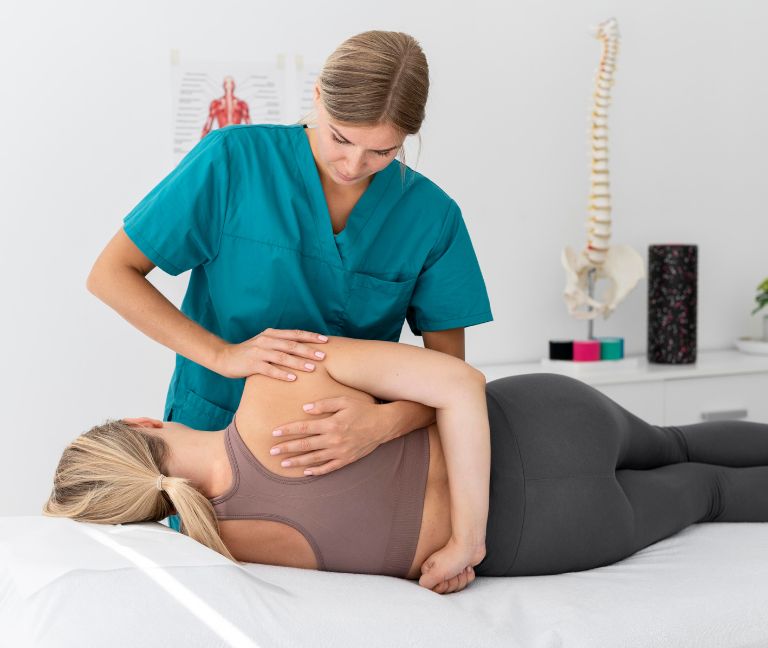
Massage Therapy is a hands-on practice that involves applying pressure and movement to soft tissues, including muscles and surrounding connective tissues. Registered massage therapists assess a client’s reported concerns and use appropriate techniques based on their training, the client’s health history, and the purpose of the session.
The primary purposes of Massage Therapy may include reducing muscle tightness, managing certain types of musculoskeletal discomfort, supporting relaxation, and helping clients move more comfortably during daily activities.
Common Massage Therapy Techniques
The techniques used during a session depend on the client’s needs and the therapist’s assessment. Common approaches include:
- Swedish massage: Uses flowing strokes and varying pressure to promote relaxation and address general muscle tension.
- Deep tissue massage: Applies slower, firmer pressure to selected muscle areas when appropriate for the client’s condition and preferences.
- Trigger point techniques: Apply focused pressure to particular areas of muscle sensitivity.
- Myofascial techniques: Focus on the fascia, the connective tissue surrounding muscles and other structures.
- Relaxation massage: Uses gentle, rhythmic movements to support a calm and relaxing session.
Not every technique is suitable for every person. The therapist should discuss pressure preferences, relevant health concerns, and any areas that need to be avoided before treatment begins.
When Might Massage Therapy Be Considered?
People may consider Massage Therapy when they experience muscle tension after prolonged sitting, stiffness following exercise, physical strain from repetitive tasks, or stress associated with demanding routines. It may also be used alongside other healthcare services when appropriate.
Massage Therapy is not a substitute for medical assessment when symptoms are unexplained, severe, persistent, or associated with a significant injury.
Who Can Benefit from Massage Therapy?
Massage Therapy may be appropriate for adults with different lifestyles and physical demands. Suitability depends on individual health circumstances and the therapist’s assessment.
Office Workers and Remote Employees
Long hours at a desk can contribute to neck stiffness, shoulder tension, and discomfort associated with prolonged sitting. Massage sessions may address areas affected by these working habits.
Athletes and Physically Active Adults
Running, cycling, weight training, and recreational sports can place repeated demands on muscles. Massage Therapy may help manage exercise-related muscle tension and support relaxation between activities.
Tradespeople and Manual Workers
Construction workers, warehouse employees, and other people performing repetitive physical tasks may develop tightness in the back, shoulders, arms, or legs. Sessions can focus on suitable areas affected by their daily activities.
Adults Managing Everyday Stress
Work responsibilities, family commitments, and busy schedules can contribute to physical tension. A relaxation-focused session may provide time to unwind while addressing muscle tightness.
Older Adults
Some older adults experience stiffness or reduced comfort during everyday movement. Massage Therapy may be considered following an assessment of health conditions, skin sensitivity, circulation concerns, and other factors affecting treatment suitability.
People With Musculoskeletal Discomfort
Individuals experiencing certain types of muscle soreness or tension may consider massage as part of their care plan. Anyone with new, severe, or unexplained symptoms should seek appropriate medical assessment before proceeding.
Problems Massage Therapy May Address
Muscle tension and physical discomfort can arise from work habits, repetitive movement, exercise, stress, and other everyday activities. Massage Therapy may help address selected soft tissue concerns.
Common reasons for seeking a session include:
- Neck and shoulder tension: Tightness associated with desk work, screen use, or prolonged sitting.
- Back muscle stiffness: Discomfort associated with posture, repetitive lifting, or sustained positions.
- Exercise-related muscle soreness: Muscle tenderness following physical activity.
- Restricted comfortable movement: A feeling of tightness when turning the neck, raising the arms, or moving through certain positions.
- Repetitive-use strain: Muscle tension associated with repeated movements at work or during hobbies.
- Stress-related muscle tightness: Physical tension that accompanies demanding routines.
- Leg and calf tightness: Muscle tension following walking, standing, running, or other activities.
- General physical fatigue: A desire for a relaxation session after a physically demanding day.
The cause of discomfort matters. Massage may not be appropriate for every condition, and persistent symptoms may require assessment by a physician or another qualified healthcare professional.
Key Features and Services Included
The content of a Massage Therapy appointment at The Bright Physio & Mindfulness Massage should be confirmed with the clinic. The following describes common components of massage care.
Initial Consultation
What it includes: A discussion of the client’s concerns, daily activities, health history, and session preferences.
Why it matters: This conversation helps identify relevant considerations, including areas of discomfort, pressure preferences, and possible reasons to modify or postpone treatment.
Expected outcome: A clearer plan for the session based on the information provided.
Assessment of Muscle Tension
What it includes: Where appropriate, an assessment of the areas the client identifies as uncomfortable or restricted.
Why it matters: Different activities and physical conditions can contribute to similar symptoms. An assessment helps determine which areas may be appropriate to address.
Expected outcome: A more informed selection of techniques and treatment areas.
Hands-On Massage Techniques
What it includes: Suitable manual techniques applied to selected soft tissues.
Why it matters: Appropriate pressure and technique can help address muscle tightness while respecting comfort levels and health considerations.
Expected outcome: Some clients may notice reduced muscle tension or improved comfort following a session. Results vary by individual and condition.
Pressure and Comfort Adjustments
What it includes: Discussion and adjustment of pressure, positioning, and treatment areas throughout the appointment.
Why it matters: Comfort levels and physical responses differ from person to person.
Expected outcome: A session that takes the client’s preferences and feedback into account.
After-Session Recommendations
What it includes: Where appropriate, general suggestions relating to movement, rest, hydration, and daily habits.
Why it matters: Clients may benefit from considering how work routines, physical activity, and posture contribute to recurring muscle tension.
Expected outcome: Practical information to discuss or apply between appointments, when suitable.
How the Massage Therapy Process Works
At The Bright Physio & Mindfulness Massage in Edmonton, clients can ask about the appointment process when contacting the clinic. A typical massage appointment follows these steps.
Step 1: Book an Appointment
Contact the clinic to ask about appointment availability, session duration, pricing, and the types of massage services provided.
Step 2: Discuss Your Concerns
Before treatment, explain which areas feel tense, when symptoms began, and whether particular activities make them worse. Share relevant health conditions, recent injuries, allergies affecting products used during the session, and other concerns.
Step 3: Complete an Appropriate Assessment
The therapist reviews the information provided and determines whether massage is suitable. If additional medical assessment is necessary, treatment may be postponed until it is appropriate to proceed.
Step 4: Agree on the Session Plan
Discuss the areas to be addressed, pressure preferences, positioning, and any techniques that should be avoided. Clients should feel comfortable asking questions or requesting changes.
Step 5: Receive the Massage Session
The therapist applies suitable techniques while checking comfort and adjusting the session when necessary. Clients can communicate discomfort or request a pause at any time.
Step 6: Review Your Response
After the session, discuss how the treated areas feel and whether any concerns remain. The therapist may suggest general self-care measures or discuss whether another appointment may be appropriate.
Step 7: Discuss Future Appointments
The need for further sessions depends on individual circumstances, preferences, and the response to treatment. Appointment frequency should be discussed rather than assumed.
Potential Benefits of Massage Therapy
The effects of Massage Therapy differ according to the individual, the reason for treatment, and the techniques used. Potential benefits may include:
- Muscle relaxation: Manual pressure and rhythmic movements may help ease tight muscles.
- Reduced perceived tension: Some people report less muscle tightness after a session.
- Comfort during daily activities: Addressing muscle tension may make selected movements feel more comfortable.
- Relaxation and stress management: A calm treatment setting may support relaxation and provide a break from daily demands.
- Exercise recovery support: Massage may help manage certain forms of post-exercise soreness, although it does not replace adequate rest and appropriate training practices.
- Greater awareness of physical habits: Discussing symptoms and daily routines may help clients identify activities associated with recurring tension.
- Support alongside other care: Massage may complement an appropriate healthcare plan when recommended and medically suitable.
Massage Therapy does not guarantee a particular result. The potential effects should be discussed in relation to the client’s circumstances, and claims about treating specific medical conditions should be based on appropriate clinical evidence.
Who May Seek Massage Therapy in Edmonton?
The Bright Physio & Mindfulness Massage serves clients seeking massage care in Edmonton. People from a range of occupations and lifestyle groups may inquire about appointments.
Relevant groups include:
- Office employees and remote workers.
- Retail and hospitality employees who spend extended periods standing.
- Construction and trade workers performing physically demanding tasks.
- Runners, cyclists, gym users, and recreational athletes.
- Adults managing muscle tightness associated with everyday activities.
- People seeking a relaxation-focused massage session.
- Individuals exploring massage as one part of a broader wellness routine.
Clients with recent injuries, active infections, certain circulation conditions, unusual swelling, or other health concerns should disclose these before treatment. A healthcare professional may need to assess whether massage is suitable.
Frequently Asked Questions
1. What does Massage Therapy include?
Massage Therapy commonly includes a discussion of the client’s concerns, selection of suitable techniques, hands-on treatment of appropriate soft tissues, and a review of comfort during the session. The precise techniques depend on the service selected, the therapist’s qualifications, and the client’s needs. Contact The Bright Physio & Mindfulness. Massage to confirm which services are available.
2. How long does a Massage Therapy session take?
Appointment length varies by clinic, service, and treatment area. Some sessions are shorter, while others allow more time for consultation and treatment of several areas. Ask the clinic about available appointment durations and whether the initial visit includes additional consultation time.
3. How often should I book Massage Therapy?
There is no single schedule suitable for everyone. Some people book occasional sessions for relaxation, while others discuss a series of appointments for recurring muscle tension. Frequency should depend on the reason for treatment, the response to each session, personal preferences, and any relevant health advice.
4. Is Massage Therapy suitable for everyone?
No. Massage may need to be modified or avoided in certain circumstances, including some acute injuries, infections, blood-clot concerns, skin conditions, and medical conditions affecting circulation or tissue health. Share relevant health information with the therapist before treatment. Seek medical advice when suitability is uncertain.
5. Where can I book Massage Therapy in Edmonton?
You can contact The Bright Physio & Mindfulness Massage in Edmonton to ask about appointment availability, services, session lengths, and pricing. Confirm the clinic’s current contact details and booking options before arranging a visit.
Why Choose The Bright Physio & Mindfulness Massage?
When selecting a massage provider in Edmonton, clients may wish to consider the therapist’s registration status, training, communication style, hygiene practices, appointment options, and approach to client comfort.
The Bright Physio & Mindfulness Massage provides a local point of contact for people enquiring about massage services. Before booking, prospective clients can ask about:
- The therapist’s professional qualifications and registration status.
- The massage techniques available at the clinic.
- Appointment length and pricing.
- How health history and treatment preferences are discussed.
- The clinic’s procedures for privacy, hygiene, and client comfort.
- Whether massage may be appropriate alongside other healthcare services.
Clients should verify the clinic’s current credentials, service details, and policies directly. Clear communication before treatment helps establish expectations and allows the therapist to consider relevant health information.
Related Services
Massage Therapy may form part of a broader approach to physical wellness, depending on the client’s needs. Other services that people sometimes explore include
- Physiotherapy: Assessment and treatment of movement difficulties, injuries, and musculoskeletal conditions.
- Rehabilitation services: Support for people working towards functional goals following an injury or health event.
- Relaxation-focused massage: Sessions centred on rest and general relaxation.
- Movement and exercise advice: Appropriate activity recommendations based on individual needs and professional assessment.
- Mindfulness practices: Breathing exercises and other practices that may help people manage everyday stress.
These are generally related service categories. Confirm which services are currently available at The Bright Physio & Mindfulness Massage before referring to them as clinic services.
Take The Next Step
Muscle tension from desk work, exercise, repetitive tasks, and daily responsibilities can affect how comfortably you move and carry out everyday activities. Massage Therapy may be an option for addressing selected soft tissue concerns or setting aside time for relaxation, depending on your health circumstances.
The Bright Physio & Mindfulness Massage in Edmonton is a local contact for people enquiring about massage appointments. When reaching out, describe the areas you would like addressed, ask about the available massage services, and confirm session duration and pricing.
Contact The Bright Physio & Mindfulness Massage to inquire about Massage Therapy in Edmonton and ask about available appointment times.
Phone: +1 780-737-1019
Address: 4904 30 Ave #105, Beaumont, Edmonton, AB T4X 3G3, Canada