

 +1 (780) 737-1019
IMS/Dry Needling
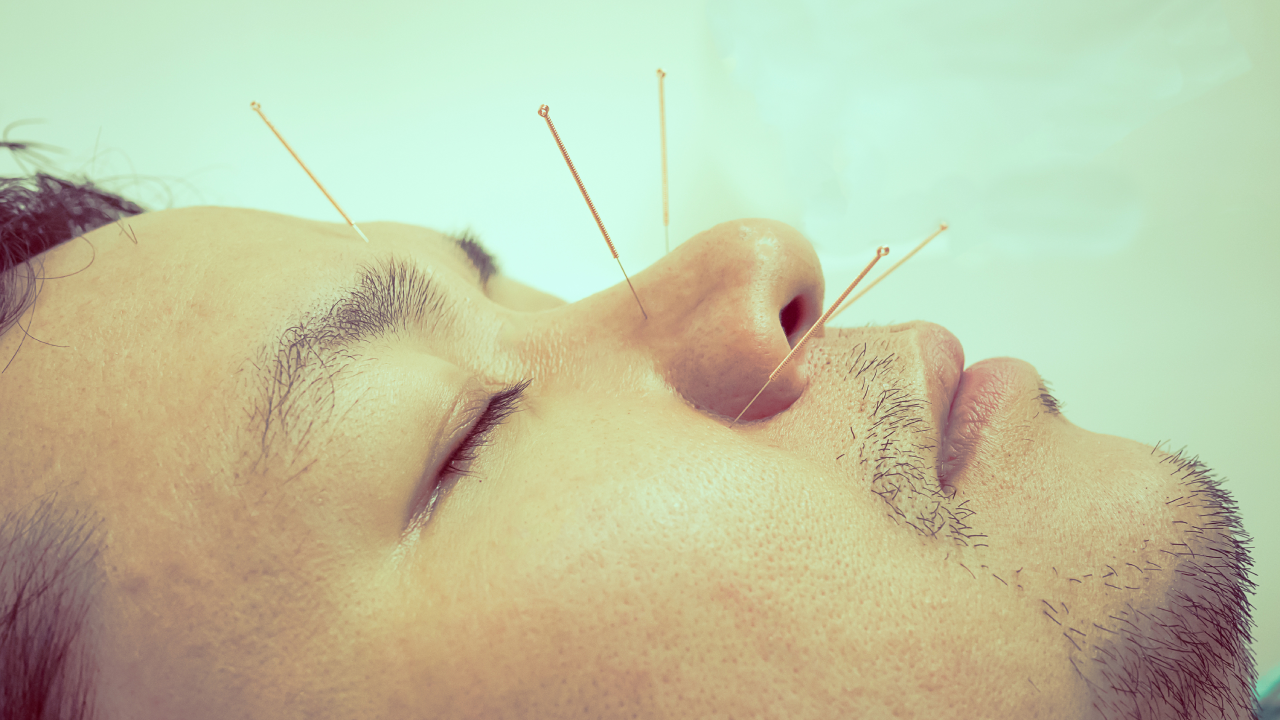
Muscle tightness, restricted movement, and persistent muscular discomfort can interfere with daily activities, work, exercise, and sleep. IMS/Dry Needling is a treatment approach that involves inserting fine, sterile needles into selected muscles and trigger points to address muscle tension and related movement concerns. At The Bright Physio & Mindfulness Massage in Edmonton, IMS/Dry Needling may be considered as part of a physiotherapy plan following an assessment of the individual’s symptoms, movement patterns, and health history.
This service may be suitable for people experiencing muscle stiffness, recurring muscular discomfort, or restricted mobility associated with muscle dysfunction. Treatment needs vary from person to person, and a qualified practitioner can explain whether this approach is appropriate for the individual’s condition.
What Is IMS/Dry Needling?
IMS/Dry Needling refers to needle-based approaches used to address muscular tension and certain movement-related symptoms. Although the terms are sometimes used interchangeably, Intramuscular Stimulation (IMS) is a particular approach that focuses on assessing and treating shortened or sensitive muscles, often in connection with nerve-related muscle dysfunction. Dry needling generally refers to inserting a fine needle into muscle tissue or a trigger point without injecting medication or another substance.
The procedure involves selecting specific muscles based on a clinical assessment. The practitioner inserts a sterile, single-use needle into the targeted tissue. Depending on the technique and the individual’s response, this may produce a brief muscle twitch or a temporary sensation of aching or pressure.
The purpose of IMS/Dry Needling is to address muscle tension and help manage certain symptoms that affect movement. It may be used alongside other physiotherapy interventions, such as therapeutic exercises, mobility work, manual therapy, and education about daily movement habits.
At The Bright Physio & Mindfulness Massage in Edmonton, clients can inquire about the service to learn how it may fit into their physiotherapy care. Suitability depends on the individual’s symptoms, medical history, treatment goals, and the practitioner’s assessment.
Who Can Benefit From IMS/Dry Needling?
IMS/Dry Needling may be considered for adults experiencing muscular discomfort or movement restrictions where a qualified practitioner determines that the approach is appropriate.
1. People With Neck and Shoulder Tension
Prolonged computer work, frequent phone use, and sustained sitting can contribute to muscle tightness around the neck and shoulders. An assessment can identify whether specific muscles may be contributing to discomfort or restricted movement.
2. Office Workers and Remote Employees
People who spend extended periods at a desk may develop stiffness around the upper back, shoulders, hips, or lower back. IMS/Dry Needling may form one part of a care plan that also addresses workstation habits, movement breaks, and exercise.
3. Active Adults and Recreational Athletes
Running, weight training, cycling, and recreational sports place repeated demands on muscles. When muscle tension affects comfortable movement, a practitioner may assess whether dry needling is appropriate alongside exercise and activity adjustments.
4. Individuals With Back Discomfort
Muscular tension in the lower or upper back may contribute to discomfort during bending, lifting, prolonged sitting, or standing. A clinical assessment can help determine whether muscle-focused treatment has a role in the person’s care.
5. People With Restricted Movement
Some individuals notice difficulty turning their neck, raising an arm, or moving comfortably after periods of inactivity or repetitive activity. IMS/Dry Needling may be considered when muscular dysfunction contributes to these limitations.
6. Individuals With Recurring Muscle Tightness
Repeated muscle tension may be associated with workload, physical activity, posture, stress, or other factors. A treatment plan should consider these contributing factors rather than focus on the muscle alone.
Not everyone is suitable for needling. People with bleeding disorders, certain medical conditions, needle sensitivity, pregnancy-related considerations, or other relevant health concerns should discuss these factors with a qualified practitioner before treatment.
Problems IMS/Dry Needling May Address
Muscle-related symptoms can arise for different reasons. Following an assessment, IMS/Dry Needling may be considered as part of care for concerns such as
- Neck stiffness: Difficulty turning the head or maintaining comfortable neck movement.
- Shoulder muscle tension: Tightness that affects reaching, lifting, or overhead activities.
- Upper-back discomfort: Muscle tension associated with prolonged sitting or repetitive tasks.
- Lower-back muscle discomfort: Symptoms that interfere with bending, standing, or everyday movement.
- Muscle trigger points: Sensitive areas within muscles that may contribute to local discomfort or referred symptoms.
- Activity-related tightness: Muscular symptoms associated with training, repetitive movement, or physical work.
- Restricted mobility: Movement limitations where muscular dysfunction is a contributing factor.
- Recurring muscular discomfort: Symptoms that return during work, exercise, or other daily activities.
These concerns can have several possible causes. Needling is not suitable for every condition, and an assessment is important to identify whether another form of care or medical evaluation is needed.
Key Features of IMS/Dry Needling
1. Assessment of Muscle Function
What it includes: A review of symptoms, relevant health history, movement limitations, and the muscles that may be contributing to the concern.
Why it matters: Similar symptoms can arise from different conditions, so treatment decisions should be based on an individual’s presentation.
Expected outcome: A clearer treatment plan that identifies appropriate options and establishes practical goals.
2. Targeted Needle Placement
What it includes: Inserting fine, sterile, single-use needles into selected muscle tissue when clinically appropriate.
Why it matters: The approach focuses on specific areas identified during the assessment rather than treating every muscle in the surrounding region.
Expected outcome: The intended treatment response may include changes in muscle sensitivity or tension, although results vary and are not guaranteed.
3. Muscle Tension Management
What it includes: Addressing selected muscles that may contribute to stiffness or discomfort.
Why it matters: Muscle tension can sometimes affect comfortable movement and participation in daily activities.
Expected outcome: Some individuals may notice changes in muscular discomfort or movement. The degree and duration of any change differ between individuals.
4. Integration With Physiotherapy
What it includes: Combining IMS/Dry Needling with suitable exercises, movement education, mobility work, or other physiotherapy interventions.
Why it matters: Muscle symptoms may be influenced by strength, activity levels, movement habits, and other contributing factors.
Expected outcome: A care plan that addresses both the immediate symptoms and relevant movement or activity factors.
5. Progress Reviews
What it includes: Checking symptoms, movement, tolerance, and progress toward agreed goals.
Why it matters: The treatment plan may need adjustment according to the individual’s response.
Expected outcome: Informed decisions about whether to continue, modify, or discontinue the approach.
How the IMS/Dry Needling Process Works
At The Bright Physio & Mindfulness Massage, clients can ask about the process before deciding whether to proceed. A typical clinical pathway may include the following stages.
Step 1: Initial Consultation
The practitioner discusses the main concern, when the symptoms began, activities that affected them, and previous treatment. Relevant health conditions and medications are reviewed for safety.
Step 2: Clinical Assessment
The practitioner assesses the affected area, movement, muscle function, and other relevant findings. Where symptoms suggest a condition requiring medical investigation, further assessment or referral may be recommended.
Step 3: Treatment Planning
The practitioner explains whether IMS/Dry Needling may be appropriate, discusses alternatives, and reviews potential benefits, risks, and expected sensations. The client should have the opportunity to ask questions and provide informed consent.
Step 4: IMS/Dry Needling Session
If the client agrees and the treatment is appropriate, the practitioner uses sterile, single-use needles at selected sites. The number of needles, treatment areas, and session duration depend on the clinical plan.
Step 5: Post-Treatment Review
The practitioner checks the client’s response and discusses any immediate symptoms, such as temporary soreness or sensitivity. Appropriate aftercare instructions are provided.
Step 6: Follow-Up and Progress Monitoring
At subsequent visits, the practitioner reviews changes in symptoms and movement. The plan may incorporate exercise, manual therapy, activity modification, or other suitable interventions. Further needling is considered only when appropriate.
Benefits and Practical Outcomes of IMS/Dry Needling
IMS/Dry Needling may form part of care for certain muscular conditions. Possible outcomes vary according to the underlying problem, individual health factors, and the other treatments used.
Potential benefits may include:
- Management of muscular discomfort: Some people report reduced muscle-related symptoms after treatment.
- Changes in muscle sensitivity: Targeted needling may affect sensitivity in selected muscles.
- Movement support: A reduction in muscular discomfort may help some individuals move more comfortably.
- Support for exercise participation: When combined with an appropriate exercise plan, treatment may help some people take part in rehabilitation activities.
- A broader physiotherapy plan: Needling can be combined with movement assessment, strengthening, mobility exercises, and education.
- Monitoring of progress: Regular reviews help identify whether the treatment plan is meeting its goals.
Research findings on dry needling vary by condition and outcome. It should not be presented as a guaranteed solution, and it may not address the underlying cause of every muscular symptom. Potential risks include temporary soreness, bruising, bleeding, and faintness. Rare but serious complications, including a collapsed lung when needling near the chest, are possible. Treatment should be performed by an appropriately qualified practitioner who follows relevant safety standards.
Who May Seek IMS/Dry Needling in Edmonton?
The service may be relevant to people from different backgrounds, including:
- Office and administrative workers: Individuals who experience neck, shoulder, or back tension during desk-based work.
- Tradespeople and manual workers: People whose jobs involve repetitive tasks, lifting, or sustained physical positions.
- Recreational athletes: Individuals who want their muscle symptoms assessed as part of an activity or rehabilitation plan.
- Fitness enthusiasts: People experiencing muscle tightness associated with exercise.
- Drivers and commuters: Individuals who spend long periods sitting and notice movement restrictions.
- Adults managing everyday movement concerns: People whose muscle-related symptoms interfere with household tasks, walking, or routine activities.
A person’s occupation or activity level alone does not establish whether needling is appropriate. A clinical assessment is necessary before treatment decisions are made.
Frequently Asked Questions
1. What is IMS/Dry Needling used for?
IMS/Dry Needling may be used to address selected muscular symptoms, such as muscle tension, trigger-point sensitivity, and certain movement restrictions. Its suitability depends on the individual’s condition and assessment findings.
2. Is IMS/Dry Needling painful?
Sensations vary. Some people feel a brief prick, pressure, aching, or a short muscle twitch. Temporary soreness may occur afterward. Clients should tell the practitioner if they feel uncomfortable during the procedure.
3. How many sessions are required?
There is no fixed number of sessions for everyone. The number depends on the condition, symptom duration, clinical findings, treatment response, and the overall care plan. Progress should be reviewed before additional sessions are recommended.
4. Are IMS and dry needling the same thing?
The terms overlap but are not always identical. IMS is a particular intramuscular approach, while dry needling is a broader term for inserting needles into muscle tissue or trigger points without injecting a substance. The specific method depends on the practitioner’s training and clinical approach.
5. Are there risks associated with IMS/Dry Needling?
Possible side effects include temporary soreness, bruising, minor bleeding, and faintness. Serious complications are uncommon but can occur. A practitioner should review medical history, explain the risks, use appropriate infection-control procedures, and obtain informed consent.
6. Can IMS/Dry Needling be combined with physiotherapy exercises?
Yes, it may be incorporated into a broader physiotherapy plan when appropriate. Exercises, mobility work, activity changes, and other interventions may address contributing factors that needling alone does not address.
7. Where can I ask about IMS/Dry Needling in Edmonton?
You can contact The Bright Physio & Mindfulness Massage in Edmonton to inquire about IMS/Dry Needling, ask about practitioner qualifications, and find out whether an assessment is suitable for your concerns.
IMS/Dry Needling in Edmonton: Service Area
The Bright Physio & Mindfulness Massage serves clients seeking physiotherapy and massage-related services in Edmonton. People living or working in the city who are experiencing muscle tension or movement concerns can inquire about the availability of IMS/Dry Needling.
Clients travelling from surrounding communities should confirm the clinic’s service availability, location, and appointment arrangements before visiting. The clinic’s verified address and service-area details can be added here to support local search visibility.
Why Contact The Bright Physio & Mindfulness Massage?
When considering IMS/Dry Needling, it is important to choose a provider who can assess your concerns, explain the procedure, discuss potential risks, and identify appropriate treatment options.
Before booking, you can ask The Bright Physio & Mindfulness Massage about:
- Practitioner qualifications and training in IMS/Dry Needling.
- Whether an initial assessment is required.
- How the procedure is performed and what it may involve.
- Possible risks, precautions, and alternatives.
- How needling may fit into a physiotherapy or movement-care plan.
- Appointment availability, session fees, and clinic policies.
These questions can help you make an informed decision about whether the service fits your needs.
Related Services
Depending on availability at The Bright Physio & Mindfulness Massage, clients may also inquire about related services such as
- Physiotherapy assessment and treatment.
- Therapeutic exercise and mobility work.
- Manual therapy.
- Massage therapy.
- Movement education and activity modification.
Please confirm which services are currently available at the clinic before publishing this list, and link each service to its corresponding page when applicable.
Take the Next Step
If muscle tightness, muscular discomfort, or restricted movement is affecting your daily routine, consider contacting The Bright Physio & Mindfulness Massage to discuss your concerns.
The team can explain whether IMS/Dry Needling is available, what an initial assessment involves, and whether this approach may be appropriate for your situation. The practitioner can also discuss other care options based on your symptoms and health history.
Contact The Bright Physio & Mindfulness Massage in Edmonton to inquire about IMS/Dry. Needle and arrange an assessment.
Phone: +1 780-737-1019
Address: 4904 30 Ave #105, Beaumont, Edmonton, AB T4X 3G3, Canada