
 +1 (780) 737-1019
Concussion
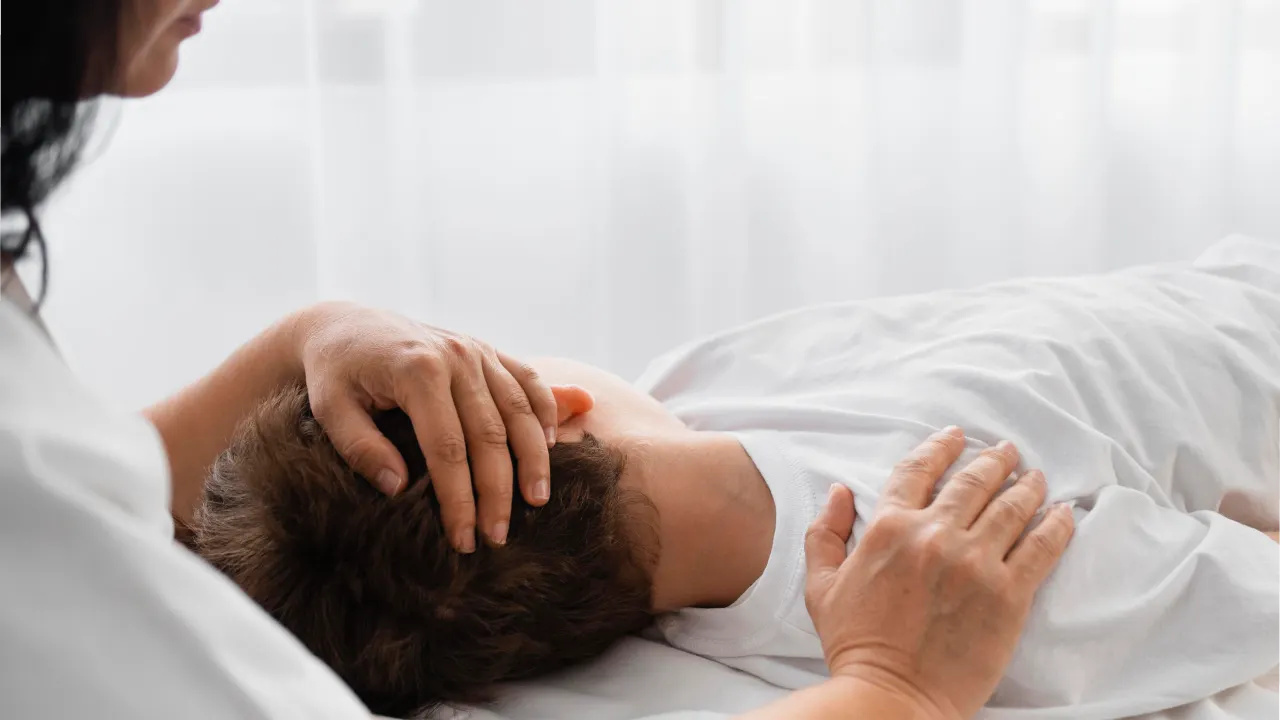
A concussion is a type of traumatic brain injury that can occur after a blow to the head, a fall, a collision, or a sudden movement that causes the brain to move rapidly inside the skull. Symptoms may include headaches, dizziness, fatigue, difficulty concentrating, sensitivity to light or noise, and changes in sleep patterns.
At The Bright Physio & Mindfulness Massage in Edmonton, concussion care can focus on assessing movement-related concerns, supporting a gradual return to everyday activities, and addressing physical symptoms within the practitioner’s scope of practice. Each person’s symptoms and recovery needs can differ. Early medical assessment, followed by appropriate rehabilitation, can help individuals make informed decisions about returning to work, school, sports, and daily routines.
What Is a Concussion?
A concussion is a brain injury caused by an external force that affects normal brain function. It can happen during sports, motor vehicle collisions, workplace incidents, falls, or everyday accidents. A concussion does not always involve a loss of consciousness, and symptoms may appear immediately or develop over several hours.
Concussion symptoms can affect physical, cognitive, emotional, and sleep-related functions. Common signs include:
- Headaches or pressure in the head
- Dizziness, balance difficulties, or unsteadiness
- Sensitivity to light and sound
- Difficulty concentrating or remembering information
- Fatigue or reduced tolerance for physical activity
- Nausea or blurred vision
- Irritability, anxiety, or changes in mood
- Disrupted sleep patterns
Concussion rehabilitation may involve education, symptom monitoring, gradual activity progression, balance exercises, and assessment of neck or movement-related symptoms when appropriate. Treatment depends on the individual’s presentation and should follow a suitable medical assessment.
At The Bright Physio & Mindfulness Massage in Edmonton, people seeking concussion-related physiotherapy can ask about available assessment and rehabilitation services to determine whether their needs fall within the clinic’s scope of practice.
Who Can Benefit from Concussion Rehabilitation?
Concussion rehabilitation may be appropriate for people who have received a medical assessment and continue to experience symptoms that affect their daily activities.
Athletes and Active Individuals
Contact sports, recreational activities, cycling, and other physical pursuits can involve collisions or falls. Athletes may need a gradual, supervised return-to-sport plan rather than immediately resuming training.
Students and Young Adults
A concussion may affect concentration, memory, screen tolerance, and the ability to participate in classes. A gradual return to learning, with appropriate accommodations, can help manage symptoms during recovery.
Working Professionals
People returning to office work, physically demanding jobs, or tasks involving prolonged screen use may experience fatigue, headaches, or difficulty concentrating after a concussion.
Older Adults
Falls can cause concussions and may also affect balance and mobility. Older adults may require medical evaluation and assessment of fall-related concerns before participating in rehabilitation.
Individuals Recovering from Motor Vehicle Collisions
A collision can cause a concussion alongside neck pain, dizziness, or movement difficulties. Appropriate assessment can help identify which symptoms require medical attention and which may be addressed through rehabilitation.
Problems Addressed Through Concussion Rehabilitation
Concussion symptoms can interfere with work, exercise, school, driving, and household activities. Rehabilitation may address selected symptoms and functional limitations following medical assessment.
Headaches and Neck Discomfort
Headaches and neck symptoms can occur after a collision or fall. A clinician may assess neck movement, posture, and related physical concerns to determine whether physiotherapy is appropriate.
Dizziness and Balance Difficulties
Some individuals experience unsteadiness or dizziness after a concussion. Depending on the cause, rehabilitation may include balance assessment or vestibular exercises delivered by a suitably trained practitioner.
Reduced Exercise Tolerance
Physical or mental activity may temporarily increase symptoms. A supervised, gradual return to activity can help establish appropriate activity levels without encouraging prolonged inactivity or pushing through significant symptom increases.
Difficulty With Everyday Tasks
Reading, working at a computer, attending classes, or completing household activities may become challenging. Activity planning and gradual progression can help individuals manage these tasks.
Sleep and Fatigue Concerns
Changes in sleep and persistent fatigue can affect daily functioning. These concerns should be discussed with a healthcare professional, particularly when symptoms persist or interfere with recovery.
Return-to-Sport and Work Concerns
Returning to demanding activities too early may increase the risk of further injury. A medically appropriate return-to-activity plan can establish gradual stages and identify when further assessment is required.
Key Features of Concussion Care
The appropriate rehabilitation plan depends on symptoms, medical findings, and individual activity requirements. Possible components include the following, when available and clinically indicated.
Initial Assessment
An initial assessment may review symptom history, daily activity limitations, relevant injury details, and movement-related concerns. This helps determine whether physiotherapy is appropriate or whether referral to another healthcare professional is required.
Symptom Monitoring
Tracking headaches, dizziness, fatigue, concentration difficulties, and activity tolerance can help identify patterns. Patients can share these observations with their healthcare team to support decisions about activity progression.
Balance and Movement Assessment
When indicated, a clinician may assess balance, coordination, walking, and movement tolerance. Findings help determine whether specific rehabilitation exercises are appropriate.
Neck Assessment
Neck discomfort can accompany a concussion, particularly following a collision. A physiotherapist may assess neck movement and related symptoms when appropriate, while distinguishing these concerns from those requiring medical investigation.
Gradual Activity Progression
A gradual return to everyday movement and exercise may form part of rehabilitation. Activity should be adjusted according to symptoms and clinical advice. Contact sports and activities carrying a risk of another head injury should be avoided until medical clearance is provided.
Education and Activity Planning
Education may cover pacing, symptom tracking, sleep routines, screen use, workplace adjustments, and communication with schools or employers. Persistent or worsening symptoms may require further medical assessment.
How the Concussion Rehabilitation Process Works
Step 1: Seek Medical Assessment
Anyone with a suspected concussion should receive an appropriate medical assessment. Physiotherapy does not replace diagnosis or emergency care. Severe or worsening symptoms require urgent medical attention.
Step 2: Discuss Symptoms and Daily Activities
Once medically appropriate, the individual can discuss ongoing concerns, including headaches, dizziness, neck discomfort, balance problems, and difficulties with work or exercise.
Step 3: Complete an Appropriate Assessment
A physiotherapist may assess relevant movement, balance, neck function, and activity tolerance within their scope of practice. Findings help determine whether rehabilitation is suitable and whether further referral is needed.
Step 4: Establish an Activity Plan
The clinician may recommend gradual activity progression, symptom monitoring, or exercises appropriate to the assessment findings. The plan should account for work, school, family responsibilities, and recreational activities.
Step 5: Monitor Progress
Symptoms and functional abilities can change over time. Follow-up appointments may help assess activity tolerance and determine whether the plan needs adjustment.
Step 6: Plan a Gradual Return to Activities
Returning to work, school, exercise, or sport should follow appropriate medical advice. Contact sports and other activities with a risk of head impact require medical clearance before resumption.
Potential Benefits of Concussion Rehabilitation
When clinically appropriate, rehabilitation may support progress in several areas:
- Movement: Address selected balance, coordination, or neck-related concerns.
- Activity tolerance: Establish gradual progression for everyday movement and exercise.
- Daily functioning: Develop strategies for managing work, school, and household activities.
- Symptom monitoring: Recognize activity-related symptom patterns and communicate them to healthcare providers.
- Return-to-work planning: Identify practical adjustments that may help manage work demands.
- Return-to-sport planning: Follow medically appropriate stages before resuming activities with a risk of head impact.
- Coordinated care: Identify when referral to a physician or another healthcare professional may be necessary.
Recovery varies from person to person. Rehabilitation outcomes depend on the nature of the injury, other health factors, the symptoms present, and the care required. No specific recovery timeline or outcome can be guaranteed.
Who May Need Concussion Services in Edmonton?
Concussion assessment and rehabilitation may be relevant to people from various backgrounds, including:
- Recreational and competitive athletes
- Students and university attendees
- Office workers and remote employees
- Construction and industrial workers
- Individuals recovering from motor vehicle collisions
- Older adults recovering from falls
- People experiencing ongoing balance or movement concerns after a medically assessed concussion
The Bright Physio & Mindfulness Massage in Edmonton can be contacted to confirm whether the clinic’s current services and practitioner qualifications are suitable for a particular concussion-related concern.
Frequently Asked Questions
What is the most common cause of a concussion?
Concussions can result from falls, sports collisions, motor vehicle crashes, workplace incidents, or other impacts that cause rapid movement of the head and brain. A concussion can occur without a direct blow to the head or a loss of consciousness.
How long does concussion recovery take?
Recovery time varies. Some people improve within a couple of weeks, while others have symptoms that persist for a month or longer. Age, previous concussions, the nature of the injury, and other health factors can influence recovery. Persistent symptoms should be assessed by a healthcare professional.
Can physiotherapy help after a concussion?
Physiotherapy may help address selected symptoms, such as neck discomfort, balance difficulties, or reduced exercise tolerance, when clinically indicated. The appropriate approach depends on medical assessment and the clinician’s training and scope of practice.
Should I rest completely after a concussion?
Brief relative rest is generally recommended during the initial period, followed by a gradual return to daily activities as tolerated. Prolonged strict rest is generally not recommended. Follow the advice of a healthcare professional, and stop or modify activities that cause significant symptom worsening.
When should I seek emergency care for a concussion?
Seek emergency medical care for a suspected head injury accompanied by a worsening headache, repeated vomiting, seizures, increasing confusion, unusual behaviour, weakness or numbness, slurred speech, unequal pupils, or difficulty waking. Call 911 for severe symptoms. Do not wait for a physiotherapy appointment when emergency warning signs are present.
Can I return to sports after a concussion?
Return to sport should follow a graduated protocol under appropriate medical supervision. Individuals should not return to contact sports or activities with a risk of another head injury until medically cleared.
Where can I ask about concussion rehabilitation in Edmonton?
You can contact The Bright Physio & Mindfulness Massage in Edmonton to ask about its current physiotherapy services, practitioner qualifications, appointment availability, and suitability for concussion-related rehabilitation.
Concussion Services in Edmonton
Residents of Edmonton and nearby communities who are seeking concussion-related physiotherapy can inquire about available clinic services and appointment options.
Before booking, confirm that the clinic provides the type of concussion assessment or rehabilitation required. Service availability, practitioner training, and referral requirements may vary.
For individuals with persistent symptoms, coordinated care between a physician, physiotherapist, and other relevant healthcare professionals may be appropriate.
Why Contact The Bright Physio & Mindfulness Massage?
Choosing a clinic for concussion-related concerns involves checking its services, practitioner qualifications, and approach to patient safety.
When contacting The Bright Physio & Mindfulness Massage in Edmonton, consider asking about:
- Whether concussion assessment or rehabilitation is currently available
- The qualifications and training of the treating practitioner
- Assessment procedures for dizziness, balance issues, or neck discomfort
- Coordination with a physician or other healthcare providers
- Appointment availability and expected fees
- Recommendations for returning to work, exercise, or sport
Clear communication helps patients identify whether the clinic’s services match their needs. A suspected concussion should first receive medical assessment, and urgent symptoms require emergency care.
Related Services
Depending on the clinic’s current service list and practitioner qualifications, related areas to inquire about may include:
- Physiotherapy
- Vestibular rehabilitation
- Balance and mobility assessment
- Neck pain assessment
- Sports injury rehabilitation
- Motor vehicle accident rehabilitation
- Exercise progression and return-to-activity planning
Confirm service availability directly with the clinic before booking.
Book a Concussion-Related Assessment in Edmonton
If you are experiencing ongoing symptoms after a head injury, a medically appropriate assessment can help determine the next steps in your care.
Contact The Bright Physio & Mindfulness. Massage in Edmonton to ask whether its current physiotherapy services are suitable for your concussion-related concerns. Discuss your symptoms, any medical assessment already completed, and the activities you are finding difficult.
Call or contact the clinic through its official website to inquire about available appointments and the next steps.
Take the first step toward an informed recovery plan by seeking appropriate medical assessment and asking about suitable rehabilitation options in Edmonton.
Phone: +1 780-737-1019
Address: 4904 30 Ave #105, Beaumont, Edmonton, AB T4X 3G3, Canada