
 +1 (780) 737-1019
Orthopedic Physiotherapy

Orthopedic Physiotherapy focuses on assessing and treating conditions affecting muscles, joints, bones, ligaments, tendons, and other parts of the musculoskeletal system. At The Bright Physio & Mindfulness Massage in Edmonton, this service supports individuals dealing with joint stiffness, muscle discomfort, sports injuries, mobility restrictions, post-operative recovery needs, and other movement-related concerns.
Orthopedic Physiotherapy combines clinical assessment, therapeutic exercises, manual therapy, movement training, and education to address physical limitations and support everyday activities. Treatment plans are based on each person’s symptoms, physical abilities, medical history, and recovery goals. Whether discomfort develops gradually or follows an injury, physiotherapy can help individuals work toward improved movement, strength, balance, and functional ability.
What Is Orthopedic Physiotherapy?
Orthopedic Physiotherapy is a branch of physiotherapy concerned with conditions involving the musculoskeletal system. This includes the structures responsible for supporting the body, maintaining posture, and enabling movements such as walking, lifting, bending, reaching, and climbing stairs.
An orthopedic physiotherapist evaluates movement patterns, joint function, muscle strength, flexibility, balance, and physical limitations. Based on the assessment, the physiotherapist develops a treatment plan that addresses the person’s specific condition and daily activity requirements.
Common Conditions Addressed
Orthopedic Physiotherapy may be appropriate for people experiencing:
- Back and neck discomfort: Symptoms associated with muscle strain, restricted movement, or postural stress.
- Shoulder conditions: Rotator cuff injuries, shoulder stiffness, and difficulty lifting or reaching.
- Knee problems: Ligament injuries, meniscus injuries, stiffness, and movement limitations.
- Hip conditions: Reduced hip mobility, muscle weakness, and discomfort during walking.
- Ankle and foot injuries: Sprains, balance difficulties, and challenges with weight-bearing activities.
- Sports-related injuries: Muscle strains, tendon problems, and joint injuries associated with physical activity.
- Post-operative rehabilitation: Recovery following procedures such as joint replacement or ligament reconstruction.
- Arthritis-related limitations: Joint stiffness, reduced mobility, and difficulty completing routine tasks.
The appropriate treatment depends on the diagnosis, symptom severity, medical history, and recommendations from the healthcare team when applicable.
Who Can Benefit from Orthopedic Physiotherapy?
Orthopedic Physiotherapy can support people across different age groups and activity levels. The treatment approach depends on each person’s physical condition, medical needs, and functional goals.
Adults With Everyday Movement Difficulties
People who spend long hours sitting, perform repetitive tasks, or regularly lift heavy objects may develop muscle tension, stiffness, and restricted movement. Physiotherapy can address contributing movement patterns and help them practice activities with appropriate body mechanics.
Athletes and Active Individuals
Running, cycling, weight training, recreational sports, and other physical activities can place repeated demands on muscles and joints. Physiotherapy can support injury rehabilitation, strength development, flexibility, balance, and a gradual return to activity.
Older Adults
Age-related changes in strength, balance, and joint mobility may make walking, standing, and climbing stairs more challenging. Orthopedic Physiotherapy can include functional exercises and balance training to support safer movement and everyday participation.
Individuals Recovering from Surgery
People recovering from orthopedic procedures may require guided exercises, mobility training, and gradual strength development. The physiotherapist follows the surgeon’s instructions and applicable recovery precautions when planning rehabilitation.
Workers With Physical Demands
Construction workers, warehouse employees, healthcare workers, and other people whose jobs involve lifting, standing, bending, or repetitive movement may benefit from rehabilitation focused on work-related physical limitations.
People Living with Joint Conditions
Individuals with osteoarthritis and other musculoskeletal conditions may experience stiffness, reduced flexibility, or difficulty completing daily tasks. Physiotherapy can help them develop appropriate exercise routines and movement strategies.
Problems Orthopedic Physiotherapy Addresses
Musculoskeletal conditions can affect work, recreation, sleep, household activities, and general mobility. Orthopedic Physiotherapy focuses on identifying relevant physical limitations and developing a suitable rehabilitation plan.
Common concerns include:
- Restricted joint movement: Difficulty bending the knee, raising the arm, turning the neck, or rotating the hip.
- Muscle weakness: Reduced strength following injury, surgery, or a period of limited activity.
- Balance difficulties: Challenges with standing, changing direction, or walking on uneven surfaces.
- Postural strain: Discomfort associated with prolonged sitting, repetitive movements, or sustained positions.
- Sports injuries: Limited function following sprains, strains, or other activity-related injuries.
- Post-surgical limitations: Reduced strength, flexibility, or mobility during recovery.
- Reduced walking ability: Difficulty with stairs, longer walks, or standing for extended periods.
- Recurring movement-related symptoms: Physical limitations that return during particular tasks or activities.
An assessment helps determine whether physiotherapy is appropriate or whether further medical investigation is needed. Sudden severe pain, a suspected fracture, a major traumatic injury, or new neurological symptoms may require prompt medical attention.
Key Features and Services Included
The services included in Orthopedic Physiotherapy depend on the individual’s condition and assessment findings.
Musculoskeletal Assessment
The physiotherapist reviews the person’s medical history, symptoms, daily activities, and movement concerns. Physical testing may include joint mobility, muscle strength, flexibility, balance, posture, and functional movement.
Why it matters: Assessment findings help identify physical limitations and inform the rehabilitation plan.
Manual Therapy
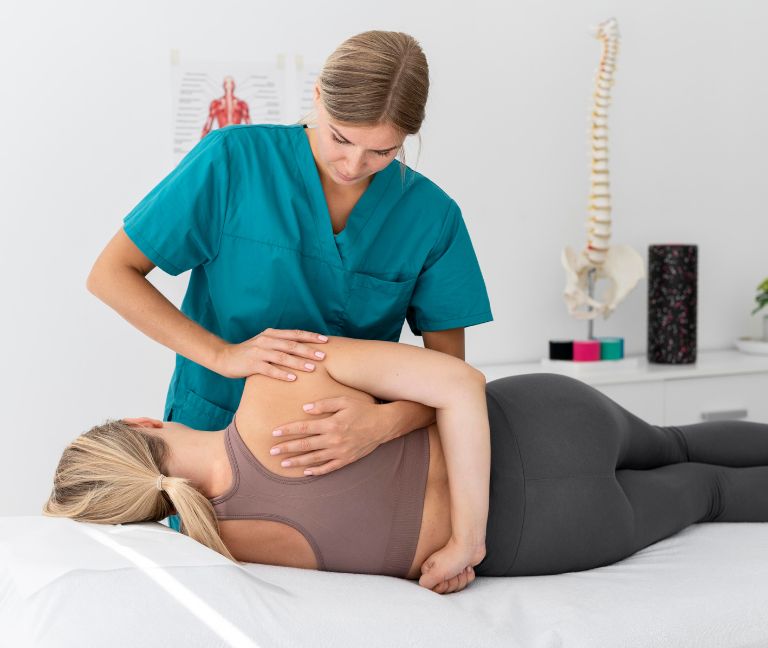
When appropriate, the physiotherapist may use hands-on techniques involving soft tissues and joints to address movement restrictions and muscle tension.
Why it matters: Manual therapy can be incorporated into a wider rehabilitation program to support joint movement and functional activity.
Therapeutic Exercises
Exercises may focus on strength, flexibility, coordination, balance, and joint control. The program may begin with simple movements and progress as the person’s abilities change.
Why it matters: Regular practice supports physical conditioning and helps individuals work toward their daily activity goals.
Joint Mobility Training
Guided movements may be used to address restricted range of motion following an injury, surgery, or a musculoskeletal condition.
Why it matters: Improved joint movement can make activities such as reaching, bending, dressing, and climbing stairs easier to perform.
Gait and Functional Training
Treatment may include walking practice, balance activities, stair training, and exercises that reflect everyday tasks.
Why it matters: These activities help individuals practice movements required at home, at work, and in the community.
Post-Operative Rehabilitation
When appropriate, physiotherapy may include progressive exercises and functional training after surgery. Progression follows surgical precautions and the recommendations of the treating healthcare team.
Why it matters: A structured rehabilitation program helps individuals work toward the movement and strength milestones appropriate to their procedure.
Home Exercise Program
The physiotherapist may recommend exercises and activity adjustments to practice between appointments.
Why it matters: Regular practice helps reinforce the movements and skills addressed during clinic visits.
How the Orthopedic Physiotherapy Process Works
At The Bright Physio & Mindfulness Massage in Edmonton, the process can follow these general stages, depending on the services available and the individual’s clinical needs.
Step 1: Initial Consultation
The process begins with a discussion about symptoms, injury history, previous treatment, medical conditions, and activities affected by the problem.
Step 2: Physical Assessment
The physiotherapist evaluates relevant movement patterns, strength, flexibility, joint function, balance, and functional limitations. Additional medical assessment may be recommended if findings suggest that further investigation is necessary.
Step 3: Treatment Planning
Assessment findings are used to establish treatment priorities and practical goals. The plan may include therapeutic exercises, manual therapy, mobility training, and education.
Step 4: Treatment Sessions
The physiotherapist provides appropriate interventions and explains how to perform exercises safely. Treatment intensity and activities are adjusted according to symptoms, clinical findings, and progress.
Step 5: Progress Reviews
Movement, strength, flexibility, and functional ability are reviewed at suitable intervals. The program may be adjusted if the person’s condition or goals change.
Step 6: Home Practice and Ongoing Care
The individual receives advice about home exercises, activity modification, and ways to incorporate appropriate movement into daily routines. Follow-up appointments depend on clinical needs and progress.
Benefits of Orthopedic Physiotherapy
Orthopedic Physiotherapy aims to support practical improvements in movement and physical function. Outcomes vary according to the condition, severity, health history, and participation in the rehabilitation program.
Improved Joint Mobility
Mobility exercises and appropriate therapeutic interventions can address restrictions that interfere with reaching, bending, turning, or walking.
Increased Muscle Strength
Progressive strengthening exercises can help develop the muscle capacity required for daily activities, sports, and work-related tasks.
Support for Functional Movement
Practicing walking, lifting, stair climbing, and other relevant activities can help individuals work toward greater confidence with routine movements.
Injury Rehabilitation
Physiotherapy can support recovery following many musculoskeletal injuries by addressing strength, mobility, coordination, and activity tolerance.
Preparation for Returning to Physical Activity
A gradual exercise program can help individuals build the physical capacity required to resume recreational, sporting, or occupational activities when clinically appropriate.
Education About Movement
Advice on posture, lifting, exercise progression, and activity modification can help individuals make informed choices about their physical routines.
Support During Post-Surgical Recovery
When included in the surgical care plan, physiotherapy can assist with progressive mobility, strength development, and functional rehabilitation.
Who We Serve in Edmonton
The Bright Physio & Mindfulness Massage serves people seeking physiotherapy support for musculoskeletal conditions and movement-related limitations in Edmonton.
Potential patient groups include:
- Office workers experiencing neck or back stiffness.
- Athletes recovering from sports-related injuries.
- Adults managing joint mobility restrictions.
- Older adults work on balance and walking ability.
- Individuals recovering from orthopedic surgery.
- Workers experiencing movement limitations following physical strain.
- People managing arthritis-related stiffness.
- Individuals who want structured exercise support for musculoskeletal health.
The appropriate treatment depends on the person’s clinical needs and whether the requested service falls within the clinic’s scope of practice.
Frequently Asked Questions
What does Orthopedic Physiotherapy treat?
Orthopedic Physiotherapy addresses conditions affecting muscles, joints, bones, ligaments, and tendons. Common concerns include back and neck discomfort, shoulder and knee injuries, muscle strains, restricted joint movement, arthritis-related limitations, and rehabilitation following orthopedic surgery.
How long does an Orthopedic Physiotherapy appointment take?
Appointment duration varies according to the clinic’s scheduling practices, the type of assessment or treatment required, and the person’s condition. Contact The Bright Physio & Mindfulness. Massage to confirm appointment lengths and availability.
How many physiotherapy sessions might I need?
The number of sessions depends on the nature and severity of the condition, the medical history, treatment goals, and progress. Some concerns may require only a few visits, while complex injuries or post-operative rehabilitation may require a longer course of care. The physiotherapist can discuss an estimated schedule after the initial assessment.
Do I need a doctor’s referral for physiotherapy in Edmonton?
A doctor’s referral is not generally required to see a physiotherapist privately in Alberta. However, referral requirements can vary by insurance plan, funding program, employer arrangement, or specific clinical circumstances. Check with your insurer and the clinic before booking.
Is Orthopedic Physiotherapy suitable after surgery?
It may be suitable after many orthopedic procedures, including joint replacement and ligament reconstruction. Treatment must follow the surgeon’s instructions, healing precautions, and any restrictions related to the procedure.
What should I bring to my first appointment?
Bring relevant medical records, imaging reports if available, a list of current medications, details of previous treatment, and insurance information if applicable. Wear comfortable clothing that allows the physiotherapist to assess the affected body area and your movement.
Can physiotherapy help with sports injuries?
Physiotherapy can support rehabilitation for many sports injuries, including muscle strains, sprains, and selected tendon or joint conditions. The treatment plan depends on the injury and may include progressive strengthening, mobility exercises, balance training, and activity-specific movement practice.
Orthopedic Physiotherapy Service Areas
The Bright Physio & Mindfulness Massage serves clients in Edmonton, Alberta. People looking for Orthopedic Physiotherapy may contact the clinic to confirm its current service location, appointment availability, and accessibility.
Individuals travelling from nearby communities should verify whether the clinic accepts patients from their area and whether direct billing or insurance arrangements are available.
Why Choose the Bright Physio & Mindfulness Massage?
When selecting a physiotherapy clinic, it is useful to consider the services provided, the physiotherapist’s qualifications, appointment availability, and whether the treatment approach matches your clinical needs.
The Bright Physio & Mindfulness Massage is a clinic to contact when seeking information about Orthopedic Physiotherapy in Edmonton. Before booking, prospective patients can ask about:
- The clinic’s assessment and treatment process.
- The qualifications and registration of the treating physiotherapist.
- Experience treating the relevant musculoskeletal condition.
- Treatment options available for injury rehabilitation.
- Home exercise recommendations and progress reviews.
- Appointment scheduling, fees, and insurance arrangements.
These details can help patients decide whether the clinic’s services align with their needs. Confirm current service offerings, professional credentials, and payment policies directly with the clinic.
Related Services
Depending on availability at the clinic, people seeking Orthopedic Physiotherapy may also wish to ask about related services, such as
- Sports Physiotherapy: Rehabilitation for sports-related injuries and movement limitations.
- Manual Therapy: Hands-on treatment used alongside other physiotherapy interventions.
- Post-Surgical Physiotherapy: Rehabilitation following orthopedic procedures.
- Exercise-Based Rehabilitation: Progressive exercises for strength, mobility, coordination, and functional movement.
- Neck and Back Physiotherapy: Assessment and treatment for selected spinal and musculoskeletal conditions.
- Massage Therapy: May be considered as an additional service where appropriate and available.
Contact the clinic to verify which services are currently provided and whether a referral to another healthcare professional is indicated.
Book Orthopedic Physiotherapy in Edmonton
Movement restrictions, joint stiffness, muscle weakness, and injuries can affect daily routines, work responsibilities, and recreational activities. Orthopedic Physiotherapy provides a structured way to assess these concerns and develop a rehabilitation plan based on individual clinical needs.
At The Bright Physio & Mindfulness Massage in Edmonton, prospective patients can contact the clinic to ask about Orthopedic Physiotherapy appointments, available treatment options, and the information required for an initial visit.
Take the next step
Contact The Bright Physio & Mindfulness Massage to inquire about an assessment and discuss your movement concerns with the clinic team.
Phone: +1 780-737-1019
Address:4904 30 Ave #105, Beaumont, Edmonton AB T4X 3G3, Canada