
 +1 (780) 737-1019
MVA Physiotherapy

Motor vehicle accidents can lead to neck stiffness, back discomfort, muscle tension, headaches, and difficulty with everyday movements. MVA Physiotherapy helps people address physical concerns following a car, truck, or other motor vehicle accident. At The Bright Physio & Mindfulness Massage, individuals in Edmonton can seek physiotherapy care to assess accident-related symptoms, work on mobility, and develop a plan suited to their physical needs. Whether symptoms appear immediately or develop over the following days, an assessment can help identify areas that require attention. Care may include movement assessment, therapeutic exercises, manual therapy, and progress monitoring, depending on the individual’s condition and clinical findings.
What Is MVA Physiotherapy?
MVA Physiotherapy refers to physiotherapy services for individuals experiencing physical difficulties following a motor vehicle accident. MVA stands for motor vehicle accident. The service focuses on assessing movement, identifying physical limitations, and supporting recovery through appropriate physiotherapy interventions.
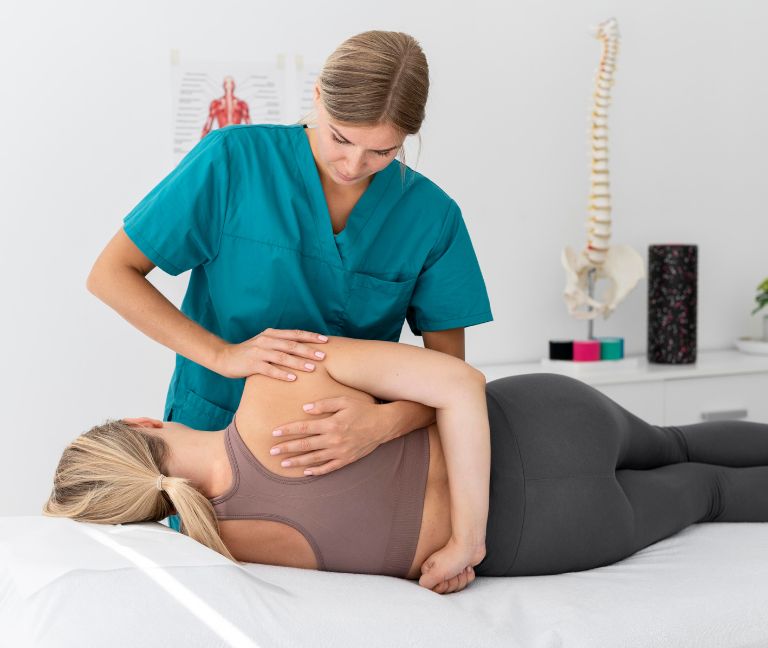
During an appointment, a physiotherapist may review the accident history, discuss current symptoms, assess posture and mobility, and examine muscle strength and joint movement. Based on the findings, the physiotherapist can establish a treatment plan that reflects the individual’s condition, daily activities, and recovery goals.
MVA Physiotherapy may address concerns involving the neck, shoulders, back, hips, and other affected areas. Treatment can include guided exercises, manual therapy, mobility activities, and education about managing daily movements. The type and frequency of care depend on the assessment results and the person’s progress.
For Edmonton residents, The Bright Physio & Mindfulness Massage provides a point of contact for those seeking physiotherapy following a motor vehicle accident.
Who Can Benefit from MVA Physiotherapy?
People involved in different types of motor vehicle accidents may benefit from an assessment when they develop physical symptoms or movement difficulties.
Drivers and Passengers
Drivers and passengers may experience neck stiffness, back discomfort, shoulder tension, or restricted movement after a collision. Physiotherapy can help assess these concerns and identify suitable treatment options.
Individuals With Whiplash-Associated Symptoms
A sudden movement of the head and neck during a collision may contribute to whiplash-associated symptoms. These can include neck pain, stiffness, headaches, and reduced neck mobility. Physiotherapy may include gentle movement exercises and other interventions according to clinical findings.
People With Back or Shoulder Injuries
An accident may affect the muscles, joints, and other soft tissues of the back or shoulders. An assessment can help determine which movements are limited and what exercises or treatment approaches may be appropriate.
Individuals Returning to Work
People whose jobs involve lifting, prolonged sitting, standing, driving, or repetitive movements may need support as they resume their usual duties. Physiotherapy can address functional limitations and help establish a gradual return-to-activity plan when appropriate.
People Experiencing Reduced Daily Mobility
Some individuals find it difficult to turn their heads, bend, walk comfortably, sit for extended periods, or complete household activities after an accident. MVA Physiotherapy can focus on these functional concerns as part of a recovery plan.
Problems Addressed Through MVA Physiotherapy
Motor vehicle accidents can affect people in different ways. Common concerns that may lead someone to seek physiotherapy include:
- Neck stiffness: Difficulty turning or tilting the head during daily activities.
- Back discomfort: Symptoms that interfere with sitting, bending, lifting, or standing.
- Whiplash-associated symptoms: Neck discomfort, stiffness, and restricted movement following sudden acceleration or deceleration.
- Shoulder mobility limitations: Difficulty reaching overhead, dressing, or carrying objects.
- Muscle tension: Tightness or discomfort affecting the neck, shoulders, or back.
- Reduced range of motion: Difficulty moving a joint through its usual range.
- Movement-related discomfort: Symptoms that occur during walking, bending, twisting, or other activities.
- Reduced physical tolerance: Difficulty maintaining usual work, exercise, or household routines.
Symptoms following an accident should not automatically be attributed to muscle strain. A medical assessment may be necessary when symptoms are severe, unusual, or worsening.
Key Features and Services Included in MVA Physiotherapy
The exact services depend on the individual’s assessment, clinical needs, and treatment plan.
1. Initial Physiotherapy Assessment
The physiotherapist reviews the accident history, symptoms, medical background, and daily functional difficulties. The assessment may include posture, joint mobility, muscle strength, and movement testing.
Why it matters: The findings help identify physical limitations and determine whether physiotherapy is appropriate or further medical assessment is needed.
2. Movement and Mobility Assessment
The physiotherapist examines relevant movements, such as neck rotation, shoulder elevation, bending, walking, or other activities affected by the accident.
Expected outcome: Identification of movement restrictions and functional goals that can be monitored during care.
3. Therapeutic Exercise
Exercises may focus on mobility, flexibility, strength, coordination, and gradual activity progression. The exercises selected depend on the person’s symptoms and physical capacity.
Why it matters: Appropriate exercise can support physical function and help individuals work toward their daily activity goals.
4. Manual Therapy
When clinically appropriate, manual therapy may be included to address joint or soft-tissue restrictions and support movement.
Expected outcome: Potential improvements in movement tolerance and function, depending on the individual’s condition and response to treatment.
5. Posture and Activity Education
The physiotherapist may discuss sitting positions, lifting mechanics, workstation arrangements, and ways to modify activities while symptoms are being assessed and managed.
Why it matters: Practical advice can help individuals make informed decisions about daily movement and activity levels.
6. Progress Monitoring
Follow-up appointments may include reviewing symptoms, reassessing movement, checking exercise tolerance, and adjusting the treatment plan.
Expected outcome: Care remains responsive to the person’s progress and changing functional needs.
How the MVA Physiotherapy Process Works
At The Bright Physio & Mindfulness Massage, individuals can contact the clinic to ask about physiotherapy following a motor vehicle accident. A typical care pathway may involve the following steps.
Step 1: Initial Contact
Contact the clinic to explain that you have been involved in a motor vehicle accident and would like to discuss physiotherapy. Ask about appointment availability, documentation, and the process for accident-related claims.
Step 2: Assessment
During the initial appointment, the physiotherapist reviews your symptoms, accident history, relevant medical information, and physical limitations. The assessment helps determine suitable next steps.
Step 3: Treatment Planning
A treatment plan may be established around your symptoms, movement restrictions, work requirements, and everyday activities. The plan can be adjusted as your condition changes.
Step 4: Physiotherapy Sessions
Depending on the assessment, sessions may include therapeutic exercises, manual therapy, mobility work, and education about daily activities.
Step 5: Progress Review
The physiotherapist reviews changes in symptoms, movement, and activity tolerance. If progress is slower than anticipated or symptoms change, further assessment may be recommended.
Step 6: Return to Daily Activities
As appropriate, the treatment plan may include a gradual return to work, driving, exercise, household activities, or other routines. Progression depends on individual clinical findings and safety considerations.
Benefits of MVA Physiotherapy
MVA Physiotherapy can form part of a care plan for people managing physical difficulties after an accident. Depending on the individual’s condition and response to treatment, potential benefits include:
- Improved mobility: Exercises and movement-based care may help address restrictions in the neck, shoulders, back, or other affected areas.
- Greater activity tolerance: Gradual exercise progression can help people work toward resuming daily routines.
- Support with muscle function: Appropriate strengthening activities may address weakness or reduced physical capacity.
- Movement awareness: Education can help individuals identify activities that aggravate symptoms and learn suitable movement strategies.
- Functional goal setting: Treatment can focus on tasks such as sitting, walking, lifting, driving, or returning to work.
- Progress tracking: Reassessment provides a way to monitor changes and adjust the treatment plan.
Outcomes vary according to the nature of the accident, the extent of the injury, overall health, and other individual factors. Physiotherapy does not replace medical assessment when an injury requires further investigation.
Who May Need MVA Physiotherapy in Edmonton?
MVA Physiotherapy may be relevant to a range of individuals in Edmonton, including:
- Private vehicle drivers involved in collisions.
- Passengers who develop symptoms after an accident.
- Individuals who experience neck or back difficulties following a collision.
- Workers who need to address accident-related functional limitations before resuming regular duties.
- People who have difficulty with everyday movements after a motor vehicle accident.
- Individuals seeking an assessment and a structured approach to physiotherapy care.
The suitability of treatment depends on the person’s clinical presentation. Some injuries require medical evaluation before physiotherapy begins.
MVA Physiotherapy Service Areas in Edmonton
The Bright Physio & Mindfulness Massage serves as a contact point for individuals seeking information about physiotherapy following a motor vehicle accident in Edmonton. People living or working in Edmonton who are looking for MVA Physiotherapy can contact the clinic to confirm its service location, appointment availability, and the options available for accident-related care.
When preparing for an appointment, consider how the accident has affected your work, travel, exercise, sleep, and household activities. These details can help the physiotherapist assess your functional concerns.
Why Contact the Bright Physio & Mindfulness Massage?
Choosing a physiotherapy provider after a motor vehicle accident involves finding a clinic that can assess your concerns, explain the treatment process, and communicate clearly about appointments and documentation.
When contacting The Bright Physio & Mindfulness Massage, you can ask about:
- The process for an initial MVA Physiotherapy assessment.
- Physiotherapy options for neck, back, shoulder, and mobility concerns.
- Appointment availability in Edmonton.
- Documentation required for accident-related claims.
- Billing arrangements and insurer requirements.
- How progress is reviewed during treatment.
For accurate information about clinic services, practitioner qualifications, insurance arrangements, and appointment procedures, contact the clinic directly.
Frequently asked question
MVA Physiotherapy may include an initial assessment, movement testing, therapeutic exercises, manual therapy when appropriate, activity education, and follow-up assessments. The actual services depend on the individual's symptoms and clinical findings.
You should seek medical attention promptly if you have significant symptoms or suspect a serious injury. Once urgent concerns have been addressed, a physiotherapy assessment may help evaluate ongoing stiffness, discomfort, or movement limitations. You do not need to wait for symptoms to become severe before asking a healthcare professional about your options.
The number of sessions varies. It depends on the type and severity of the injury, your symptoms, your functional goals, and your response to treatment. The physiotherapist can review your progress and discuss the likely course of care after the assessment.
Accident-related physiotherapy may be covered under applicable automobile insurance benefits, subject to eligibility, insurer requirements, treatment rules, and any required approvals. Contact your insurer and the clinic to confirm documentation, billing arrangements, and coverage before beginning treatment.
Referral requirements can depend on the insurer, the type of claim, and the circumstances of your care. Ask The Bright Physio & Mindfulness Massage and your insurer whether a referral, prescription, or other documentation is required.
If available, bring identification, relevant medical records, details of the accident, a list of current symptoms, and any insurance or claim information. Contact the clinic before your appointment to confirm which documents are needed.
Physiotherapy may help address whiplash-associated symptoms through assessment, appropriate movement exercises, education, and other clinically indicated interventions. Treatment depends on the severity of the injury, and symptoms such as severe neck pain, weakness, numbness, or worsening headaches require prompt medical evaluation.