Ultrasound Machines
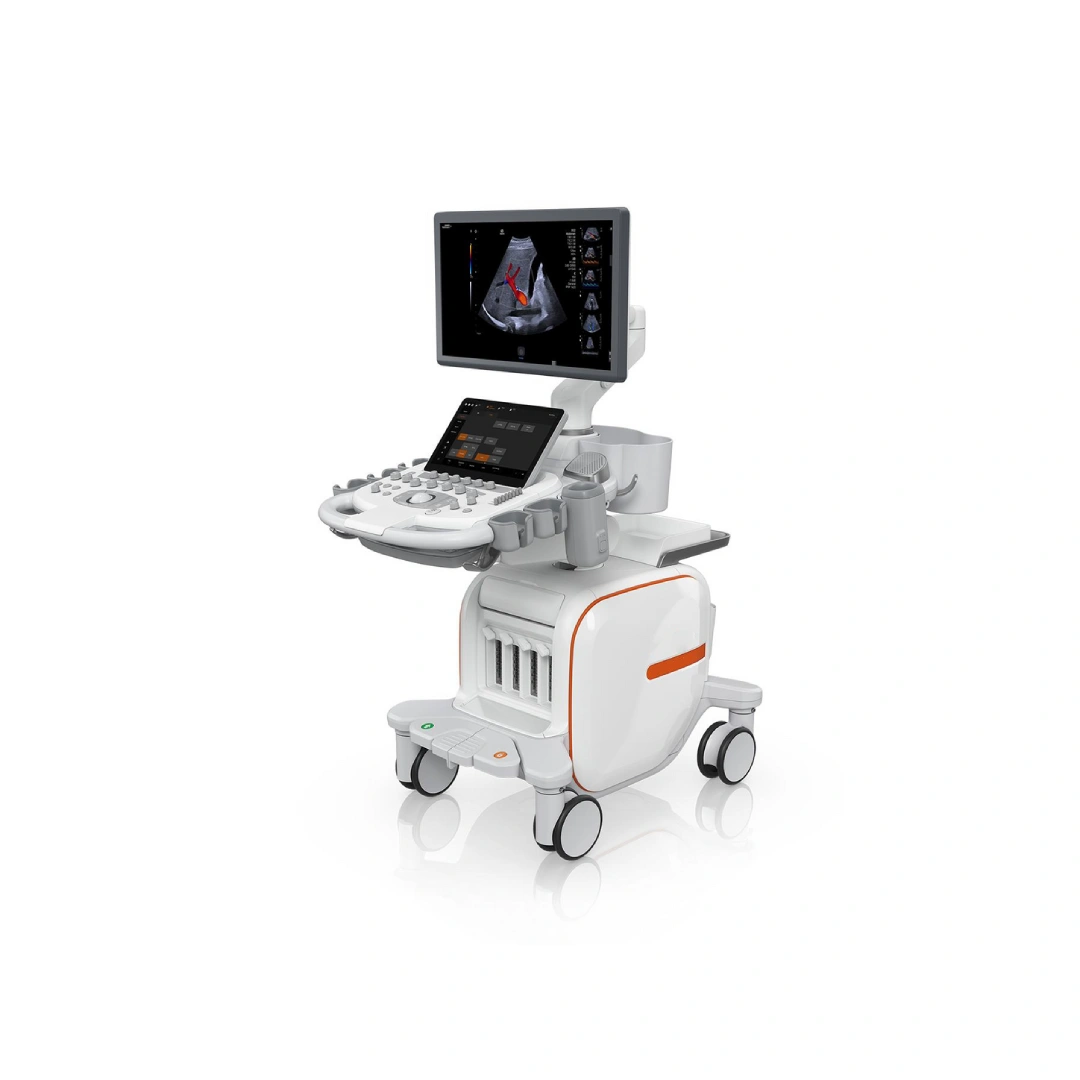
Ultrasound Machines
Ultrasound machines are widely used in physiotherapy settings to deliver therapeutic sound waves to selected areas of the body. As part of a rehabilitation program, ultrasound therapy may be used for certain soft tissue conditions, muscle discomfort, and joint-related concerns. At Revive Wellness Clinic, therapeutic ultrasound equipment supports physiotherapy care by allowing practitioners to apply treatment to specific areas according to an individual’s condition and assessment findings.
What Are Ultrasound Machines?
Ultrasound machines are therapeutic devices that use high-frequency sound waves to transmit energy into body tissues. Unlike diagnostic ultrasound, which creates images of internal structures, therapeutic ultrasound is used to deliver energy to a selected treatment area.
The equipment generally consists of a control unit, a handheld transducer, and a coupling medium, usually ultrasound gel. The transducer converts electrical energy into mechanical vibrations, producing sound waves that travel through the gel and into the tissues.
Depending on the machine’s settings, ultrasound therapy may produce thermal effects, involving a gradual increase in tissue temperature, or non-thermal effects associated with mechanical energy transfer. The intended application depends on the patient’s presentation and the treatment objectives established by the physiotherapist.
How Does Ultrasound Therapy Work?
Therapeutic ultrasound works by transmitting sound waves through a transducer placed against the skin. A coupling gel helps the sound waves pass from the applicator into the tissues, reducing the amount of energy reflected at the skin surface.
The sound waves interact with tissues as they travel through the treatment area. With continuous ultrasound, energy absorption can generate heat within the targeted tissues. Pulsed ultrasound delivers energy intermittently, reducing the average energy delivered over time.
These different delivery modes allow physiotherapists to select settings according to the treatment area, tissue characteristics, and clinical assessment.
Ultrasound therapy may be considered one component of a wider physiotherapy program. Depending on the condition, treatment may also include therapeutic exercises, manual therapy, mobility work, and progressive strengthening.
Conditions Where Therapeutic Ultrasound May Be Considered
Ultrasound machines may be used in physiotherapy practice for selected musculoskeletal concerns. Their suitability depends on the diagnosis, available evidence, and individual circumstances.
Muscle Strains and Soft Tissue Injuries
Muscle strains can develop when muscle fibres are exposed to excessive force during exercise, sports, or everyday activities. Following an assessment, a physiotherapist may consider ultrasound therapy as an additional modality in selected cases. Treatment planning generally places emphasis on appropriate loading, mobility, and gradual return to activity.
Tendon-Related Conditions
Tendons connect muscles to bones and help transfer force during movement. Tendon discomfort can occur following repetitive loading or changes in physical activity. Ultrasound may be considered in certain treatment plans, although research findings vary by condition and application. Progressive exercise and load management commonly remain central components of rehabilitation.
Joint Stiffness and Musculoskeletal Discomfort
Some patients experience stiffness around joints or discomfort involving surrounding soft tissues. Depending on the cause, therapeutic ultrasound may be used alongside movement exercises and other physiotherapy interventions. A clinical assessment helps determine whether the modality is appropriate.
Ligament and Soft Tissue Injuries
Ligaments support joints by connecting bones, while surrounding soft tissues contribute to stability and movement. Following an injury, treatment decisions depend on the severity of tissue damage and the stage of recovery. Ultrasound should not replace appropriate assessment, protection of injured structures, or progressive rehabilitation.
Benefits and Limitations of Ultrasound Equipment
Therapeutic ultrasound machines provide physiotherapists with a non-invasive method of delivering acoustic energy to a selected treatment area. Adjustable settings allow the practitioner to control factors such as frequency, intensity, treatment duration, and delivery mode.
The equipment can be incorporated into a wider rehabilitation session without requiring surgery or needles. However, its clinical value depends on the condition being treated and the way the modality is applied.
Research does not endorse the routine application of therapeutic ultrasound for all musculoskeletal conditions. For several common conditions, evidence of meaningful improvements in pain or function remains limited or inconsistent. It is therefore important to select treatment based on current evidence and the patient’s individual needs rather than using the machine as a standard procedure for every case.
Safety and Precautions During Ultrasound Therapy
Therapeutic ultrasound requires appropriate equipment settings, correct applicator placement, and ongoing monitoring by a trained healthcare professional. The transducer is generally moved across the treatment area using a suitable coupling gel, following the manufacturer’s instructions.
Before treatment, the physiotherapist should review the patient’s medical history, symptoms, and relevant precautions. Ultrasound may be unsuitable over certain areas or under particular circumstances, including over the eyes, reproductive organs or a developing fetus, and over some implanted electronic devices or areas with impaired sensation. Additional precautions apply to particular medical conditions and treatment locations.
Patients should inform their physiotherapist about changes in symptoms, altered sensation, implanted devices, pregnancy, or other relevant medical concerns before a session. Treatment should be stopped if unusual discomfort or an adverse response occurs.
Ultrasound Machines at Revive Wellness Clinic
At Revive Wellness Clinic, ultrasound equipment can form part of a physiotherapy plan when the practitioner determines that it is appropriate for the presenting condition. The process begins with an assessment of symptoms, movement limitations, medical history, and functional goals.
Based on these findings, the physiotherapist can determine whether ultrasound therapy has a role in the patient’s care or whether other interventions are more suitable. Treatment may be combined with therapeutic exercises, mobility training, and activity modification to address the factors contributing to movement difficulties.
The aim is to use each intervention for a clear clinical reason, monitor the patient’s response, and adjust the rehabilitation plan as needed.
Frequently Asked Questions
1. What is an ultrasound machine used for in physiotherapy?
A therapeutic ultrasound machine delivers high-frequency sound waves into selected tissues. Physiotherapists may use it as an adjunct to rehabilitation for certain musculoskeletal conditions.
2. Is therapeutic ultrasound the same as diagnostic ultrasound?
No. Diagnostic ultrasound creates images of internal body structures, whereas therapeutic ultrasound delivers acoustic energy for treatment purposes.
3. Does ultrasound therapy hurt?
Treatment is generally intended to be comfortable. Some applications may produce a mild warming sensation, but patients should report discomfort or unusual sensations immediately.
4. Is ultrasound therapy suitable for every injury?
No. Its suitability depends on the diagnosis, the treatment area, relevant precautions, and available clinical evidence. A physiotherapy assessment helps determine whether it should be included in a treatment plan.
Get Started
If you are experiencing muscle discomfort, joint stiffness, or movement difficulties, contact Revive Wellness Clinic to arrange a physiotherapy assessment. A physiotherapist can evaluate your condition and discuss suitable treatment options, including whether therapeutic ultrasound equipment may have a role in your rehabilitation.