IFC Machine
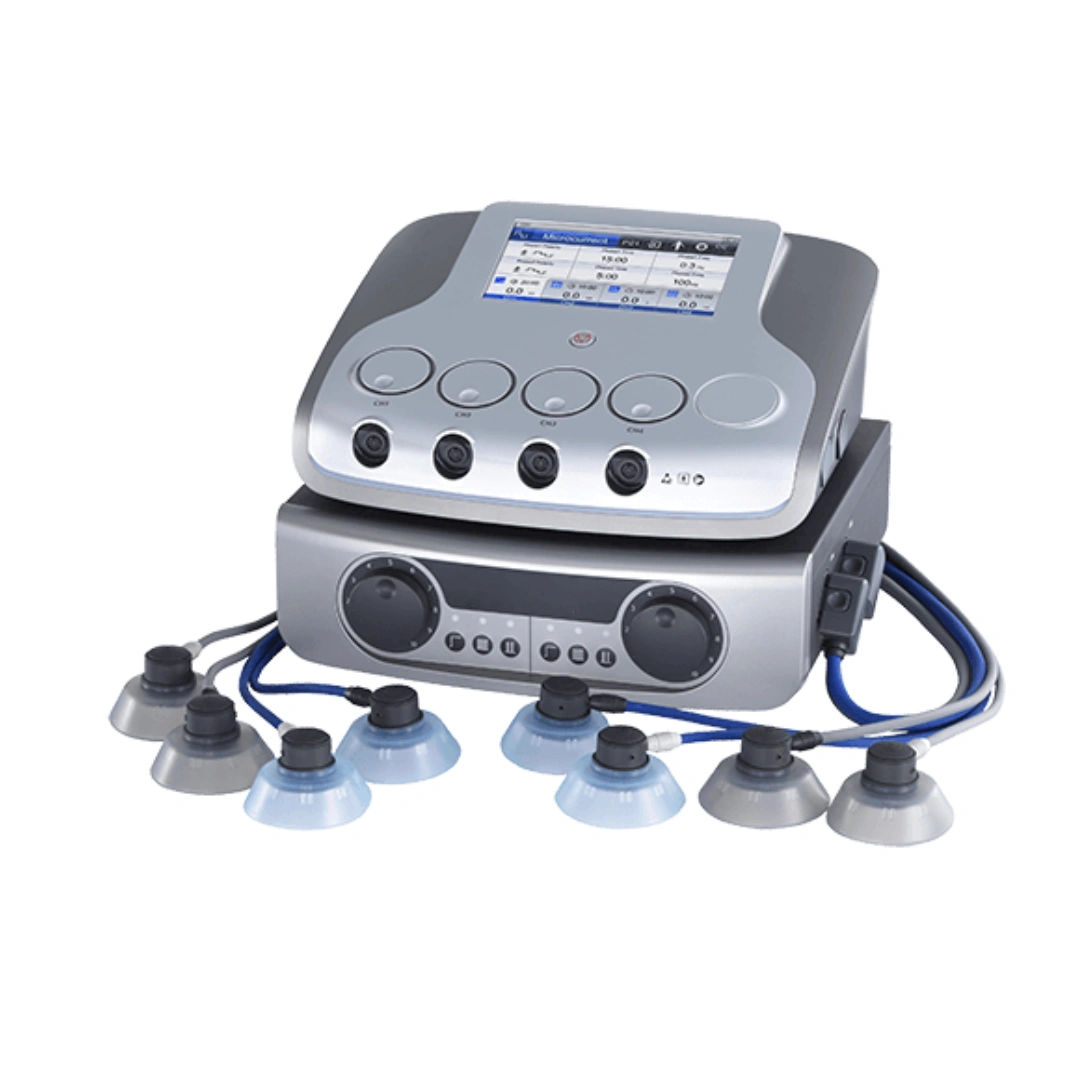
What Is an IFC Machine?
An Interferential Current (IFC) machine is a physiotherapy device that uses electrical currents to support the management of musculoskeletal pain and certain physical rehabilitation needs. It delivers medium-frequency alternating currents through electrodes placed on the skin. When these currents intersect within the treatment area, they create an interference pattern that produces a lower-frequency effect in the tissues.
Physiotherapists use IFC therapy as part of treatment plans for various conditions involving muscle discomfort, joint pain, swelling, and restricted movement. At Revive Wellness Clinic, this equipment can be incorporated into physiotherapy sessions alongside therapeutic exercises, manual techniques, and other rehabilitation methods, depending on the patient’s condition and assessment findings.
How Does an IFC Machine Work?
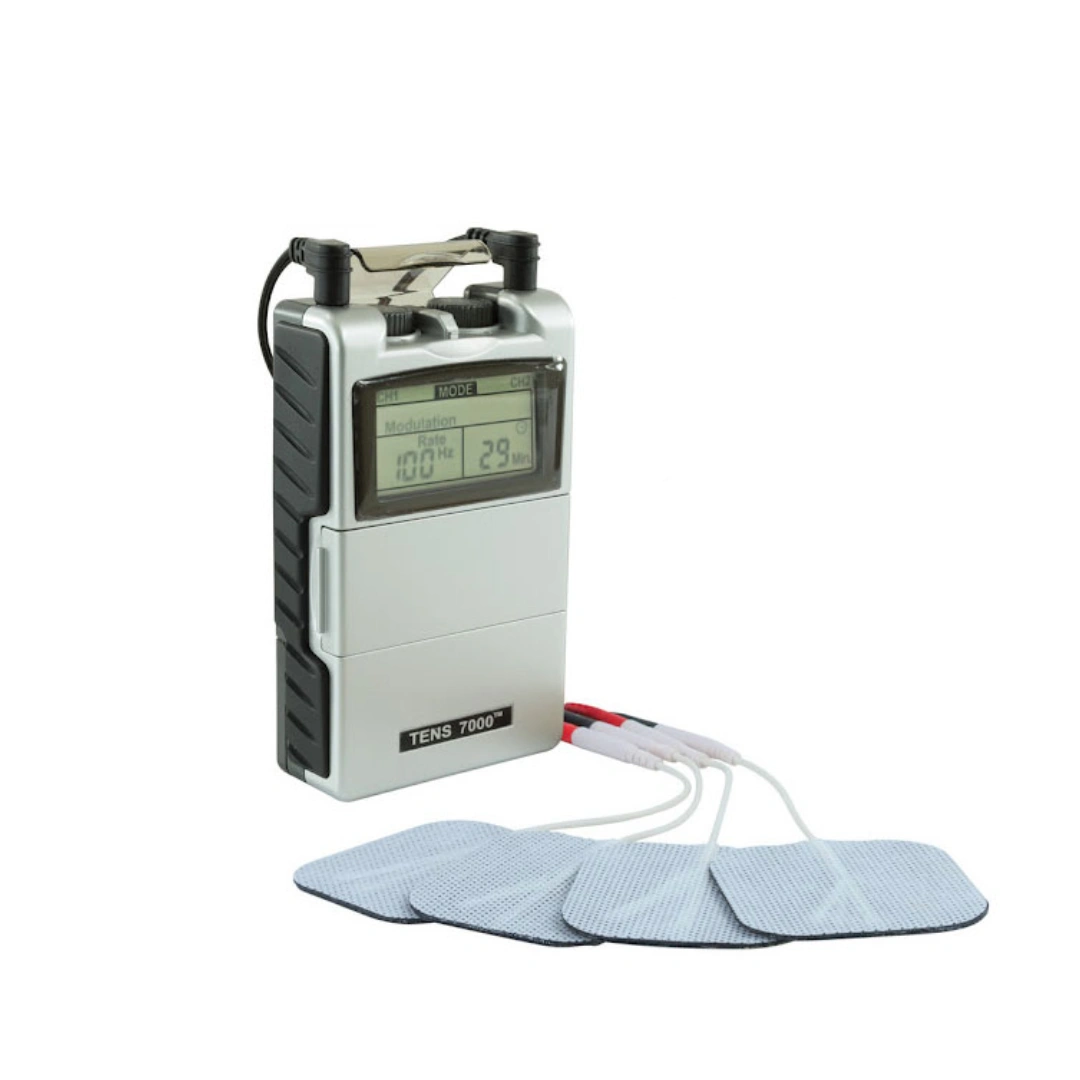
An IFC machine generally uses two or four electrodes placed around the affected area. With a four-electrode arrangement, two medium-frequency currents cross within the tissues, creating an interference pattern. Some devices use a two-electrode arrangement that generates the interference within the machine itself.
Sensory nerves activate through electrical stimulation, potentially influencing the nervous system’s processing of pain signals. Depending on the settings and treatment application, stimulation may also produce muscle contractions.
The physiotherapist adjusts the intensity, frequency, electrode placement, and treatment duration according to the patient’s symptoms, comfort, and clinical requirements. Patients commonly describe the sensation as a gentle tingling or buzzing feeling. The intensity should remain comfortable, and treatment should never cause burning or sharp discomfort.
Common Uses of IFC Therapy
IFC therapy may be used as one component of physiotherapy care for several musculoskeletal conditions.
1. Back Pain
Lower back discomfort can arise from muscle strain, prolonged sitting, repetitive activities, or other musculoskeletal problems. IFC therapy may help reduce pain sensitivity in selected patients, making it easier to participate in movement-based rehabilitation.
2. Neck and Shoulder Pain
Neck stiffness and shoulder discomfort may affect daily activities such as driving, working at a desk, lifting objects, or sleeping. Electrical stimulation may be used to address symptoms while the physiotherapist works on mobility, posture, and strength.
3. Knee Pain
Knee discomfort associated with osteoarthritis, certain sports injuries, or rehabilitation following an injury may limit walking, stair climbing, and other activities. IFC can be considered as an additional method of symptom management when clinically appropriate.
4. Muscle Strains and Sports Injuries
Muscle strains and other soft-tissue injuries may cause soreness and reduced activity tolerance. IFC therapy may be part of a rehabilitation program that includes gradual loading, mobility exercises, and a return to normal activities.
5. Joint Discomfort
Some patients with joint-related musculoskeletal symptoms may benefit from electrical stimulation as an adjunct to other physiotherapy interventions. The choice of treatment depends on the underlying condition, symptom severity, medical history, and examination findings.
Potential Benefits of Using an IFC Machine
IFC therapy has several potential applications in physiotherapy. Its main purpose is generally symptom management rather than correcting the underlying cause of an injury.
Potential advantages include:
- Pain modulation: Electrical stimulation may help reduce the perception of pain in some patients.
- Non-invasive application: Treatment uses surface electrodes without needles or surgical procedures.
- Adjustable stimulation: Physiotherapists can modify the intensity and other settings according to patient tolerance.
- Support for movement: Reduced symptoms may allow some patients to participate more comfortably in therapeutic exercises.
- Integration with rehabilitation: IFC can be combined with strengthening, mobility work, and other physiotherapy interventions when appropriate.
Research findings on IFC vary according to the condition being treated, treatment parameters, and study design. Results are inconsistent for every condition, and IFC should not be regarded as a replacement for active rehabilitation or medical assessment when required.
What Happens During an IFC Therapy Session?
An IFC session at Revive Wellness Clinic should begin with an assessment of the patient’s symptoms, movement limitations, medical history, and treatment goals. The physiotherapist determines whether electrical stimulation is appropriate and explains the procedure before starting.
The skin around the treatment area is checked, and electrodes are positioned according to the intended application. The machine is then switched on, with the intensity increased gradually to a comfortable level.
During treatment, the physiotherapist monitors the patient’s response and adjusts the settings when necessary. A session may last approximately 10 to 20 minutes, although the duration depends on the condition, equipment, and treatment plan.
After the session, the physiotherapist may recommend exercises, movement practice, or other interventions. Progress is assessed over subsequent visits to determine whether the treatment is contributing to functional improvements.
Safety Considerations and Contraindications
Although IFC is non-invasive, it is not appropriate for everyone. A physiotherapist should review relevant medical conditions and implanted devices before treatment.
Electrical stimulation may be unsuitable or require additional precautions for people with certain implanted electronic devices, such as pacemakers, depending on the device and electrode location. Extra care is also necessary in cases involving impaired skin sensation, damaged skin, suspected blood clots, active bleeding, or pregnancy-related considerations.
Electrodes shouldn’t be placed on the neck or chest in an unsafe way or in areas where stimulation is contraindicated. Patients should inform their physiotherapist about relevant health conditions, recent surgery, unusual swelling, or changes in sensation before treatment.
New or severe pain, unexplained swelling, significant weakness, or symptoms following a major injury may require medical evaluation rather than electrical stimulation alone.
IFC Machine at Revive Wellness Clinic
At Revive Wellness Clinic, IFC equipment can be incorporated into physiotherapy care when an assessment indicates that electrical stimulation may be appropriate. Treatment decisions should account for the patient’s symptoms, physical findings, activity requirements, and response to previous sessions.
The aim is to use the equipment as one part of a broader rehabilitation process that addresses movement, strength, function, and the factors contributing to the patient’s symptoms.
Interested in IFC therapy? Contact Revive Wellness Clinic to ask about IFC machine treatment, discuss your symptoms, and arrange a physiotherapy assessment to determine whether this approach is suitable for your needs.