Shockwave Therapy in Calgary
At Spirit of Physiotherapy and Massage, we provide shockwave therapy in Calgary for people dealing with persistent tendon pain, muscle discomfort, and movement limitations. Whether heel pain makes your first steps in the morning uncomfortable or shoulder pain interferes with reaching overhead, our approach begins with identifying what may be contributing to your symptoms.
Shockwave therapy uses acoustic pressure waves directed at a targeted area of the body. It may be used alongside physiotherapy exercises and other treatments to address certain musculoskeletal conditions. Our team considers your symptoms, activity level, medical history, and treatment goals before deciding whether this approach is suitable for you.
Visit us at 2525 Bridlecrest Way SW #80, Calgary, AB T2Y 5J4, or call +1 403-454-4451 to ask about an appointment.
What Is Shockwave Therapy?
Shockwave therapy is a non-surgical treatment that delivers acoustic waves into specific tissues using a handheld device. These waves create mechanical stimulation in the targeted area and may help support tissue recovery and changes in pain sensitivity.
The treatment is commonly used in physiotherapy for selected tendon and soft-tissue conditions, particularly when symptoms persist despite changes to activity, exercise, or other conservative care.
There are two main types of shockwave treatment:
- Radial shockwave therapy: Disperses pressure waves over a broader, more superficial area. It is often used for conditions affecting tendons and surrounding soft tissues.
- Focused shockwave therapy: Concentrates acoustic energy at a selected depth, allowing treatment to target a more specific area.
The type used depends on the condition being treated, the location of the symptoms, and the equipment available at the clinic. Shockwave therapy is not suitable for every injury, and results vary according to the condition and individual response.
Who Can Benefit From Shockwave Therapy?
Shockwave therapy may be considered for adults with persistent tendon or soft-tissue problems that interfere with walking, exercise, work, or everyday activities. At Spirit of Physiotherapy and Massage, we assess the nature of your symptoms before recommending this treatment.
You may wish to ask about shockwave therapy if you have:
- Heel pain: Plantar fasciitis can cause discomfort around the heel, particularly when taking your first steps after resting.
- Achilles tendon pain: Stiffness or soreness at the back of the ankle may make walking, running, and climbing stairs uncomfortable.
- Tennis elbow: Pain around the outside of the elbow can interfere with gripping, lifting, and repetitive arm movements.
- Shoulder tendon problems: Certain persistent tendon conditions, including calcific tendinopathy, may be suitable for shockwave treatment.
- Patellar tendon pain: Discomfort below the kneecap can affect jumping, running, and sports activities.
- Persistent tendon symptoms: Repeated strain from work, exercise, or sport may contribute to tendon problems that require assessment and structured rehabilitation.
These conditions do not automatically mean shockwave therapy is appropriate. We first consider the likely cause of your symptoms and whether another treatment approach may be more suitable.
Problems Shockwave Therapy May Address
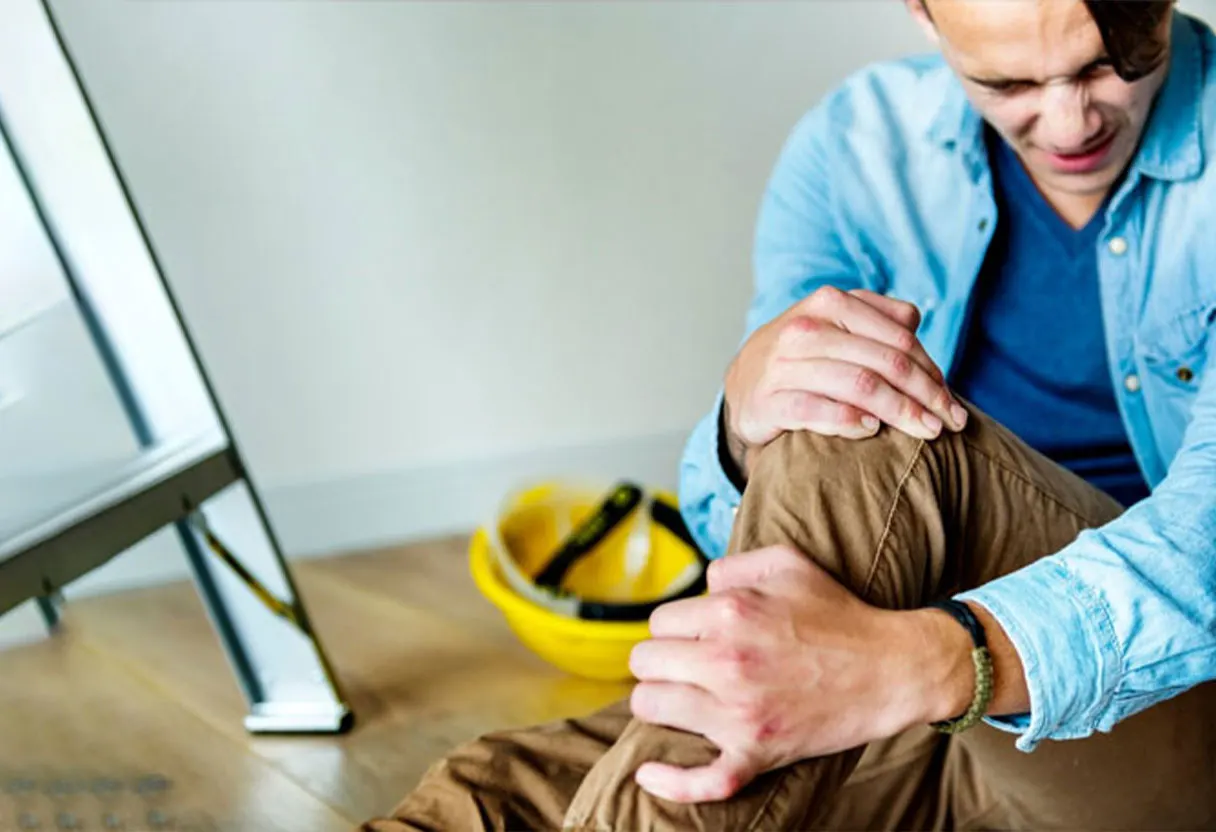
Persistent tendon pain can affect more than the area where it begins. Heel discomfort may change the way you walk, elbow pain may make lifting objects difficult, and shoulder symptoms may limit dressing or reaching overhead.
Our physiotherapy team considers how your symptoms affect your daily routine, including:
- Pain during walking, running, jumping, or standing.
- Morning stiffness around the heel or Achilles tendon.
- Discomfort when gripping tools, carrying groceries, or lifting objects.
- Reduced tolerance for sports, gym sessions, or repetitive work.
- Tendon symptoms that continue despite activity modification and exercise.
- Difficulty returning to normal activities after an overuse injury.
Shockwave therapy may form one part of treatment for selected conditions. It does not address every cause of pain, and a proper assessment is important before starting.
What Is Included in Shockwave Therapy at Our Clinic?
Our approach centres on assessing your condition, explaining the treatment process, and determining whether shockwave therapy is appropriate for you.
Initial Assessment
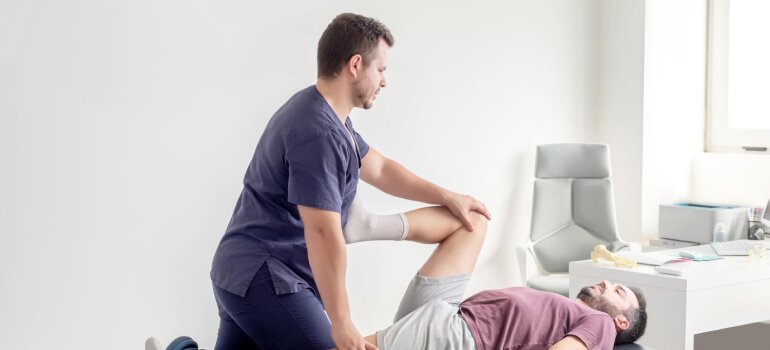
We discuss your symptoms, when they began, activities that aggravate them, previous injuries, and treatments you have tried. We may also assess your joint movement, strength, tenderness, and functional limitations.
Targeted Acoustic Wave Treatment
When appropriate, a handheld applicator delivers acoustic pressure waves to the selected treatment area. A contact gel may be used to help transmit the waves through the skin.
The sensation varies according to the body area, device settings, and sensitivity of the tissue. Some discomfort during treatment is possible, so communication with your physiotherapist is important.
Exercise and Rehabilitation
Shockwave therapy may be combined with exercises that address strength, mobility, and the load placed on an affected tendon. For example, someone with Achilles tendon symptoms may need a gradual calf-strengthening program alongside advice about running volume and recovery time.
Progress Monitoring
We review your symptoms, activity tolerance, and response to treatment. The next steps depend on your progress and whether the current approach is appropriate.
How Does Shockwave Therapy Work?
Shockwave therapy applies mechanical energy to targeted tissues. Research suggests that it may influence pain signalling and tissue responses in certain musculoskeletal conditions, although the precise mechanisms and results vary.
For tendon conditions, the aim is to support symptom management and rehabilitation rather than simply masking discomfort. The treatment does not work in the same way for every condition, and some people may notice little change.
Shockwave therapy is generally used as part of a wider rehabilitation plan when indicated. Exercise, appropriate activity modification, and gradual increases in physical loading may remain important throughout treatment.
Benefits and Practical Outcomes
For suitable conditions, shockwave therapy may contribute to changes in pain and physical function. Possible outcomes include:
- Reduced discomfort during selected daily activities.
- Improved tolerance for walking, running, or exercise.
- Greater participation in strengthening and rehabilitation exercises.
- Support for managing persistent tendon symptoms without surgery.
- A non-surgical treatment option for certain musculoskeletal conditions.
Results depend on the diagnosis, symptom duration, treatment parameters, and adherence to the rehabilitation plan. No particular outcome or recovery timeline can be guaranteed.
How the Shockwave Therapy Process Works
Step 1: Initial Consultation
We discuss your symptoms, medical history, activity requirements, and previous treatment.
Step 2: Physical Assessment
We examine the affected area and assess movement, strength, tenderness, and functional limitations.
Step 3: Treatment Planning
We determine whether shockwave therapy is appropriate and discuss alternative options, expected sensations, and possible side effects.
Step 4: Treatment Session
If suitable, we apply the acoustic waves to the targeted area using appropriate device settings.
Step 5: Progress Review
We monitor your response and adjust the rehabilitation plan according to your symptoms and functional progress.
Who May Need to Avoid Shockwave Therapy?
Shockwave therapy is not appropriate for everyone. Before treatment, tell us about your medical history, pregnancy, implanted electronic devices, blood-clotting conditions, blood-thinning medicines, recent procedures, or any active infection or cancer affecting the proposed treatment area.
Certain conditions or treatment locations may rule out shockwave therapy, depending on the device and energy level used. Your physiotherapist will assess these considerations before proceeding.
Temporary tenderness, redness, swelling, or bruising may occur. Contact your healthcare provider if you develop unusual or persistent symptoms after treatment.
Industries and Customers We Serve
At Spirit of Physiotherapy and Massage, we work with people whose physical symptoms affect different parts of their lives, including:
- Office workers: People whose work involves repetitive arm movements, prolonged standing, or other physical demands.
- Tradespeople: Individuals whose jobs involve lifting, gripping tools, climbing, or repeated loading of the tendons.
- Athletes and recreational exercisers: People dealing with selected overuse injuries from running, jumping, gym training, or sport.
- Active adults: Individuals who want to return to walking, hiking, fitness activities, or recreational sport.
- Older adults: People experiencing tendon-related symptoms that interfere with everyday movement.
Treatment suitability depends on the person’s condition rather than their occupation or activity level alone.
Why Visit Spirit of Physiotherapy and Massage?
At our Calgary clinic, we provide physiotherapy and other services that can support different aspects of musculoskeletal care. Our team considers the cause of your symptoms, your daily activities, and your rehabilitation needs when discussing treatment options.
Our clinic provides:
- Physiotherapy for musculoskeletal conditions and injuries.
- Shockwave therapy appointments.
- Massage therapy.
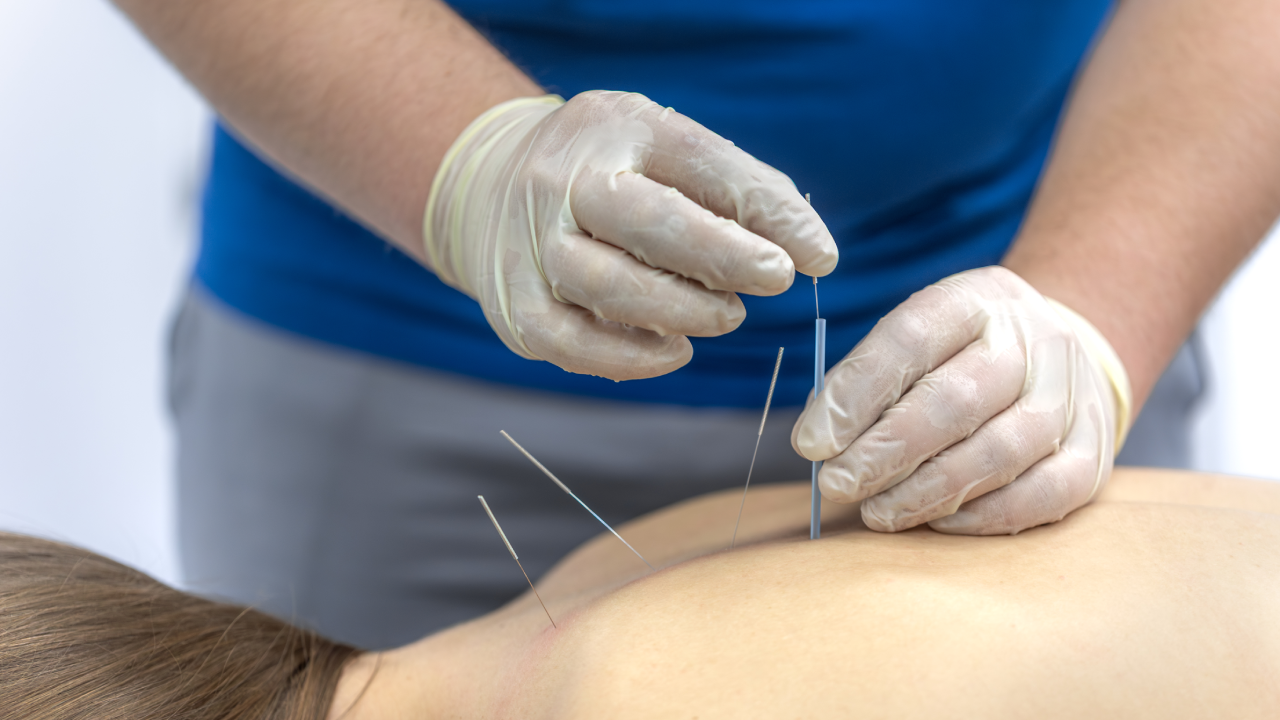
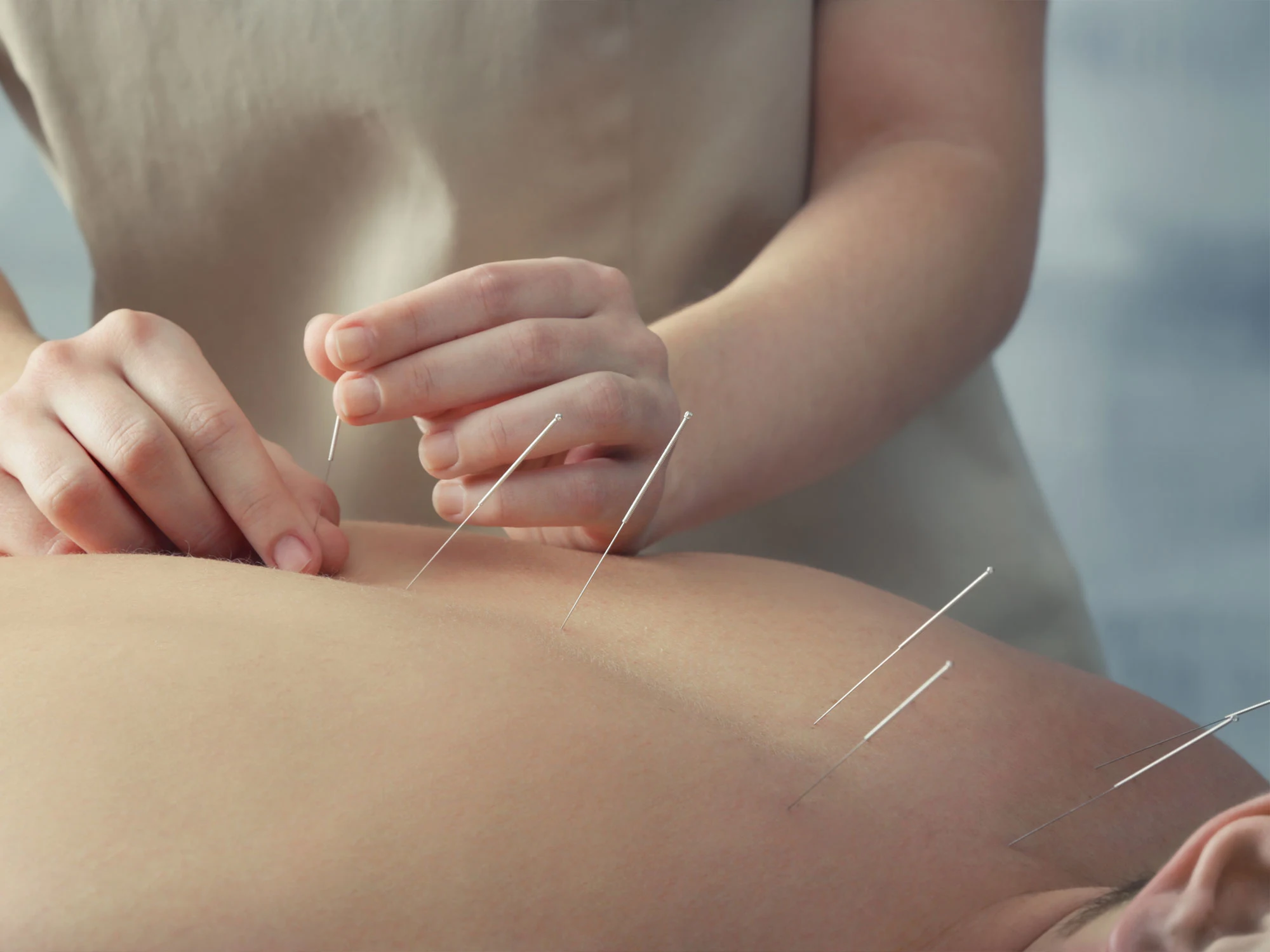
- Acupuncture.
- Additional treatment options according to clinical assessment and availability.
We aim to explain what each treatment involves, why it may be considered, and how progress will be reviewed. If shockwave therapy is not suitable for your condition, we can discuss other options within our scope of care.
Frequently Asked Questions
What conditions can shockwave therapy treat?
Shockwave therapy is commonly used for selected persistent tendon conditions, including plantar fasciitis, Achilles tendinopathy, tennis elbow, patellar tendinopathy, and calcific shoulder tendinopathy. Suitability depends on an assessment and the specific condition.
Is shockwave therapy painful?
You may feel pressure, tapping, or discomfort as the device delivers acoustic waves. The intensity can vary according to the treatment area and your sensitivity. Tell your physiotherapist if the discomfort becomes difficult to tolerate.
How many shockwave therapy sessions will I need?
The number of sessions depends on the condition, its duration, and your response to treatment. Some treatment protocols involve several sessions spaced over a period of weeks. Your physiotherapist can discuss a suitable schedule after assessing your symptoms.
How long does a session take?
The treatment itself may take only a few minutes, although the appointment may be longer when assessment, discussion, and rehabilitation exercises are included. Ask our team about the duration of the appointment when booking.
When will I notice changes?
Responses vary. Some people notice changes over several weeks, while others see little improvement. The timing depends on the condition, its severity, and other aspects of rehabilitation.
Can shockwave therapy replace physiotherapy exercises?
Not necessarily. Shockwave therapy is often used alongside exercise and activity modification. Exercises may help improve strength and the ability of the affected tendon to tolerate physical demands.
Is shockwave therapy safe?
It is generally considered safe when used appropriately following screening and assessment. Temporary discomfort, redness, swelling, and bruising can occur. Certain medical conditions, implanted devices, and treatment locations require particular caution or rule out their use.
How much does shockwave therapy cost in Calgary?
The cost depends on the appointment type and clinic fees. Contact Spirit of Physiotherapy and Massage at +1 403-454-4451 to confirm the current price, appointment duration, and any applicable insurance coverage.
Do I need a doctor’s referral?
Referral requirements may depend on your insurance plan and circumstances. Contact our clinic and your insurer to confirm whether a referral is required for your appointment.
Service Areas
Located in southwest Calgary, we serve patients from nearby communities seeking physiotherapy and related services, including:
- Bridlewood
- Somerset
- Shawnessy
- Evergreen
- Millrise
- Silverado
- Midnapore
- Chaparral
If you live elsewhere in Calgary, contact us to ask about appointment availability and whether our location is convenient for you.
Related Services
Depending on your symptoms and assessment findings, you may also wish to ask us about:
- Physiotherapy
- Acupuncture
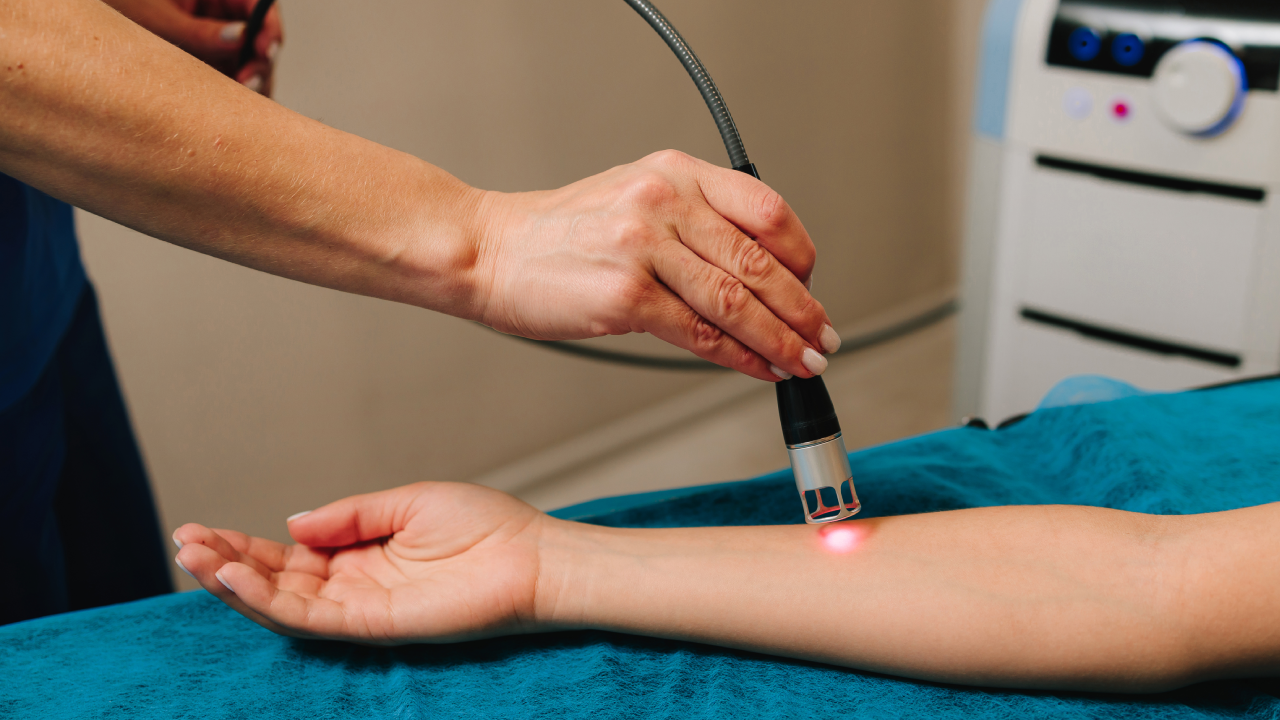
- Cold Laser Therapy
- Pelvic Floor Physiotherapy
- Massage Therapy
- Biomedical Dry Needling
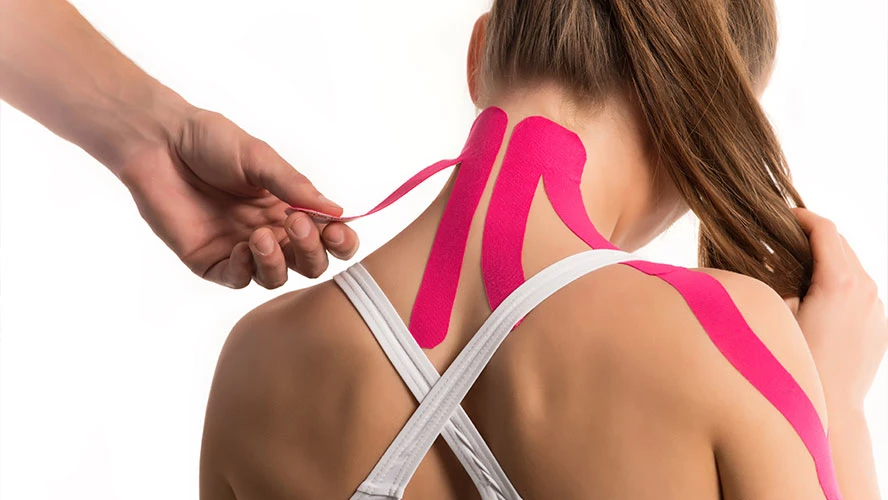
- Modalities
- MVA
We can discuss which services may be appropriate for your condition during your appointment.
Get Started
If persistent heel, shoulder, elbow, or tendon pain is affecting your daily activities, speak with our team at Spirit of Physiotherapy and Massage. We can discuss your symptoms, arrange an assessment, and determine whether shockwave therapy may be appropriate.
Phone: +1 403-454-4451
Address: 525 Bridlecrest Way SW, Unit 80, Calgary, AB T2Y 5J4, Canada
Call Spirit of Physiotherapy and Massage to ask about appointment availability, current fees, and what to expect during your first visit.