Modalities in Calgary
At Spirit of Physiotherapy and Massage, we use a range of physiotherapy modalities to support rehabilitation, manage discomfort, and address movement limitations. Our approach may include electrotherapy, therapeutic electrical currents, ultrasound, heat and cold applications, manual therapy, manipulative therapy, and taping, depending on your condition and treatment goals.
Modalities in Calgary can be part of a physiotherapy plan for people managing muscle tension, joint stiffness, sports injuries, postural strain, or mobility challenges. At our clinic, we consider your symptoms, physical assessment findings, medical history, and daily activities when selecting suitable treatment methods. You can use these modalities alongside therapeutic exercises and movement training to enhance your rehabilitation.
Visit Spirit of Physiotherapy and Massage at 2525 Bridlecrest Way SW #80, Calgary, AB T2Y 5J4, or call +1 403-454-4451 to discuss your physiotherapy needs.
What Are Physiotherapy Modalities?
Physiotherapy modalities are treatment methods that use electrical energy, sound waves, temperature, hands-on techniques, or external support to address specific physical concerns. A physiotherapist selects these methods according to the condition being treated, the person’s tolerance, and the goals established during an assessment.
Modalities can be used to manage symptoms, prepare muscles and joints for movement, support tissue recovery, or help patients participate in rehabilitation exercises. They do not all work in the same way, and no single modality is appropriate for every condition.
At Spirit of Physiotherapy and Massage, our approach to Modalities in Calgary may incorporate one or more of the following treatment categories:
- Electrotherapy modalities
- Therapeutic electrical currents
- Therapeutic ultrasound and phonophoresis
- Heat and cold applications
- Manual and manipulative therapy
- Therapeutic taping
Each method serves a different purpose. Your physiotherapist can explain the intended role of a modality and how it fits into your overall treatment plan.
Who Can Benefit From Physiotherapy Modalities?
Physiotherapy modalities may be considered for people with different injuries, physical limitations, and rehabilitation needs.
- People with muscle and joint discomfort: Those dealing with muscle tightness, joint stiffness, or movement-related symptoms may benefit from selected modalities as part of a broader treatment plan.
- Athletes and active individuals: People recovering from strains, sprains, overuse injuries, or training-related problems may require a combination of symptom management and progressive exercise.
- Office workers: Prolonged sitting, repetitive tasks, and sustained postures can contribute to neck, shoulder, and back discomfort. Physiotherapy may address these issues through movement assessment and appropriate treatment.
- People recovering from injuries: Individuals returning to daily activities after an accident or musculoskeletal injury may require support with mobility, strength, and functional movement.
- Older adults: People experiencing joint stiffness, reduced mobility, or difficulties with everyday movements may benefit from an assessment to identify suitable rehabilitation options.
- Individuals returning to physical activity: Those rebuilding activity levels after a period of reduced movement may require gradual exercise progression alongside other physiotherapy methods.
Treatment suitability depends on individual circumstances, medical history, and any precautions identified during assessment.
Problems Physiotherapy Modalities May Address
Physiotherapy modalities can be used as part of rehabilitation for several physical concerns, depending on the assessment findings and the person’s health needs.
Common reasons patients seek Modalities in Calgary include:
- Muscle tightness following physical activity or repetitive work.
- Joint stiffness that limits bending, reaching, walking, or lifting.
- Swelling around joints following an injury.
- Muscle weakness or reduced muscle activation after immobilization.
- Sports-related strains and sprains.
- Neck, shoulder, back, elbow, knee, or ankle discomfort.
- Reduced mobility following surgery or an accident.
- Difficulty returning to usual exercise or daily tasks.
The appropriate treatment depends on the underlying problem. Some patients may benefit from hands-on therapy and exercise, while others may require electrical stimulation, temperature applications, or additional support through taping. Modalities are generally used alongside active rehabilitation rather than as a substitute for it.
Types of Physiotherapy Modalities We Use
1. Electrotherapy Modalities
Electrical stimulation and cold laser therapy
Electrotherapy uses physical energy to address particular rehabilitation needs. At Spirit of Physiotherapy and Massage, this category includes electrical stimulation methods such as TENS and interferential therapy, muscle stimulation, therapeutic ultrasound, and cold laser therapy.
The method selected depends on the condition being treated and the purpose of the session.
- TENS: Transcutaneous electrical nerve stimulation delivers mild electrical impulses through electrodes placed on the skin. It may help reduce the perception of pain in some people.
- Interferential therapy: This method uses electrical currents delivered through skin electrodes and may be used for symptom management in selected musculoskeletal conditions.
- Muscle stimulation: Electrical impulses activate targeted muscles, producing contractions that may assist with muscle re-education when normal activation is reduced.
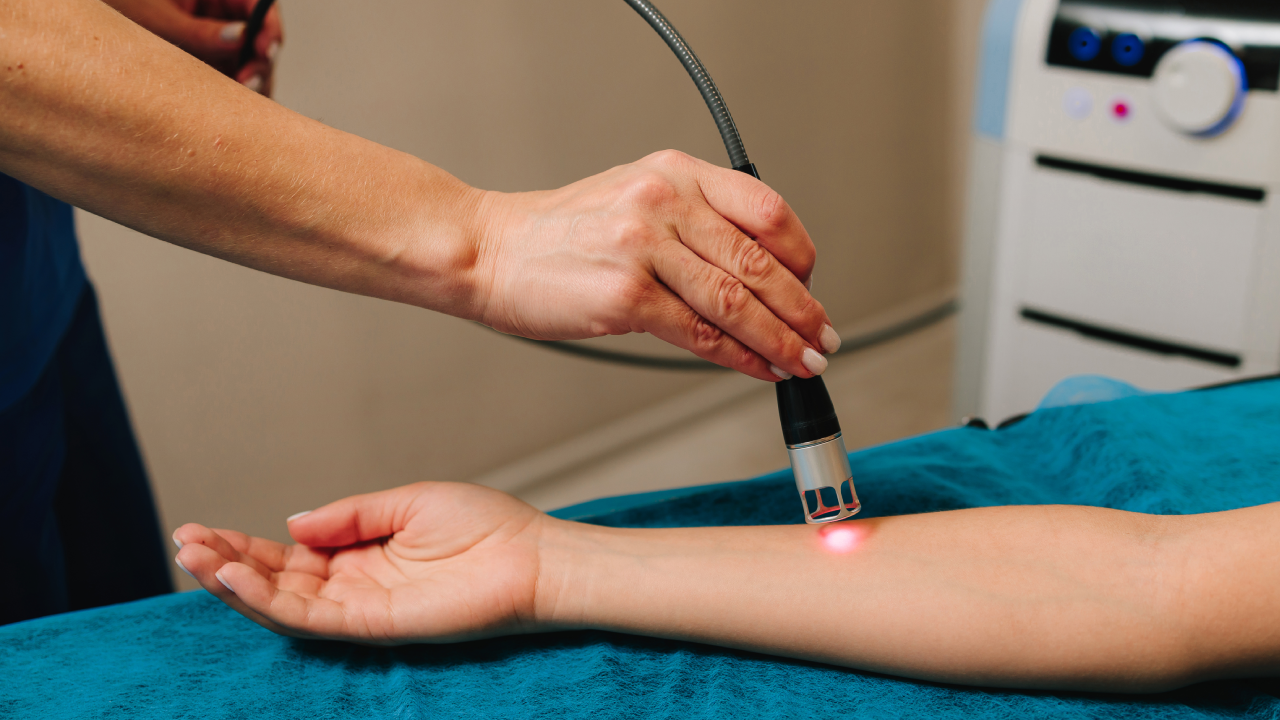
- Cold laser therapy: This non-invasive treatment uses low-level light energy. A physiotherapist may consider it for selected musculoskeletal conditions as an adjunct to rehabilitation.
These methods have different purposes, and results vary according to the condition and individual response. Your physiotherapist will explain the intended use of the selected treatment and check for relevant precautions before proceeding.
2. Therapeutic Electrical Currents
Therapeutic electrical currents are delivered through electrodes placed on the skin. Depending on the device and settings, the current may target sensory nerves or stimulate muscle contractions.
This method may be considered when a person has difficulty activating a muscle following an injury, surgery, or a period of reduced activity. Repeated muscle contractions can be incorporated into a rehabilitation program alongside voluntary movement and strengthening exercises.
Electrical stimulation may also be used to help manage certain symptoms associated with joint injuries. For example, a physiotherapist may consider an appropriate current when swelling or discomfort around the knee, shoulder, or ankle interferes with movement.
During treatment, the therapist positions the electrodes over the relevant area and adjusts the settings according to the intended purpose and your tolerance. You may notice a tingling sensation or rhythmic muscle contractions, depending on the technique used.
Electrical stimulation is not suitable for everyone. Your therapist should screen for relevant medical conditions, implanted electronic devices, skin concerns, and other precautions before treatment.
3. Therapeutic Ultrasound and Phonophoresis
Therapeutic ultrasound uses high-frequency sound waves delivered through a treatment head placed against the skin with a coupling gel. Depending on the settings, ultrasound produces mechanical effects in the treated tissues and may generate heat.
A physiotherapist may consider ultrasound as an adjunct for selected soft-tissue conditions. Its suitability depends on the diagnosis, treatment goals, and available evidence for the condition being addressed. It should not be assumed to accelerate tissue repair in every case.
Phonophoresis combines ultrasound with a topical preparation intended to support the delivery of an ingredient through the skin. Its use depends on the preparation, clinical circumstances, and applicable safety requirements.
During an ultrasound session, the therapist applies gel to the treatment area and moves the ultrasound head across the skin. The procedure is generally non-invasive. Tell your physiotherapist if you notice discomfort or an unusual sensation during treatment.
At our Calgary clinic, ultrasound or phonophoresis may be considered alongside exercise, manual therapy, and other rehabilitation methods when appropriate.
4. Heat and Cold Therapy
Heat and cold applications are commonly used as supportive physiotherapy methods. The choice depends on your symptoms, the nature of the injury, skin sensitivity, circulation, and the stage of rehabilitation.
Heat therapy
Heat may be used to create a feeling of comfort and reduce muscle tightness before movement or hands-on treatment. A physiotherapist may consider a heat application when stiffness makes certain exercises or movements difficult.
Cold therapy
Cold applications may be considered following some acute injuries or periods of increased swelling. Cold can temporarily reduce local sensation and may help manage symptoms during the early stages of rehabilitation.
When are heat and cold used?
- Before exercise when muscle stiffness is a concern.
- After physical activity when symptoms increase.
- As an adjunct to physiotherapy following selected strains or sprains.
- When preparing an affected area for another treatment method, if appropriate.
Heat and cold require care because prolonged or direct skin exposure can cause burns or cold injuries. People with impaired sensation, circulation problems, or particular medical conditions may need to avoid certain applications. Your physiotherapist can determine whether either method is appropriate.
5. Manual and Manipulative Therapy
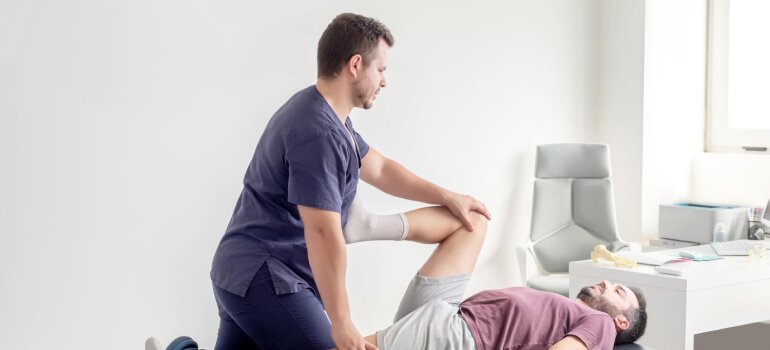
Manual therapy involves hands-on techniques used to address movement restrictions, muscle tension, and joint stiffness. The methods selected depend on your assessment, symptoms, and functional goals.
At Spirit of Physiotherapy and Massage, manual and manipulative approaches may include:
- Soft-tissue techniques: Hands-on methods directed at muscles and surrounding tissues to address tension and movement restrictions.
- Myofascial release: Sustained manual pressure and movement intended to address restrictions involving fascia and surrounding soft tissues.
- Muscle energy techniques: The patient contracts specific muscles against controlled resistance as the therapist works to address movement limitations.
- Proprioceptive neuromuscular facilitation (PNF): Techniques that combine guided movement, stretching, and muscle contractions to work on flexibility and coordination.
- Joint mobilization: Controlled passive movements applied to a joint to address stiffness and improve mobility.
- Spinal and joint manipulation: Specific manual forces applied to selected joints when clinically appropriate and after screening for contraindications.
Manual therapy may help some patients move more comfortably, but its role depends on the condition. We may combine hands-on treatment with strengthening, mobility exercises, and movement education to address the functional factors contributing to your symptoms.
Your therapist should explain the proposed technique, discuss potential risks, and obtain your consent before treatment.
6. Therapeutic Taping
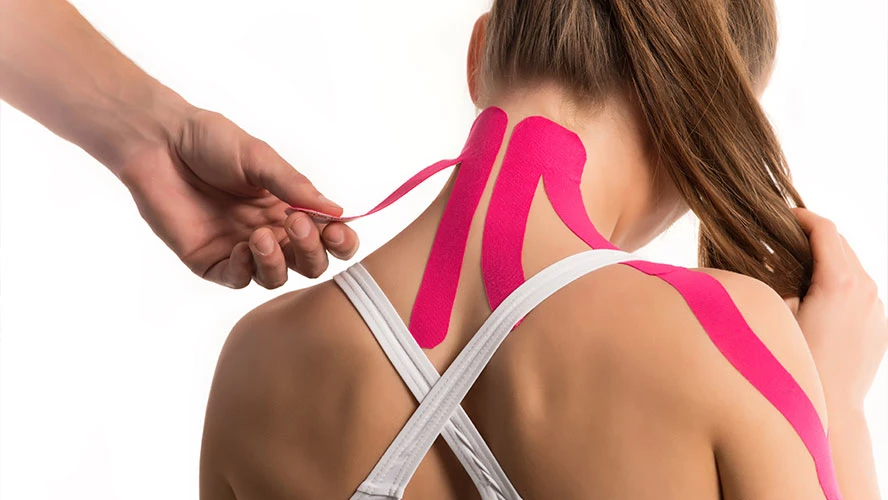
Therapeutic taping involves applying adhesive tape to the skin to provide external support or modify how an area is loaded during movement. The type of tape and application method depend on the intended purpose.
A physiotherapist may consider taping for selected conditions involving the shoulder, back, elbow, foot, or other joints and soft tissues.
Potential applications include:
- Providing a temporary sense of support during physical activity.
- Supporting movement retraining as part of rehabilitation.
- Helping manage selected symptoms associated with muscle or joint conditions.
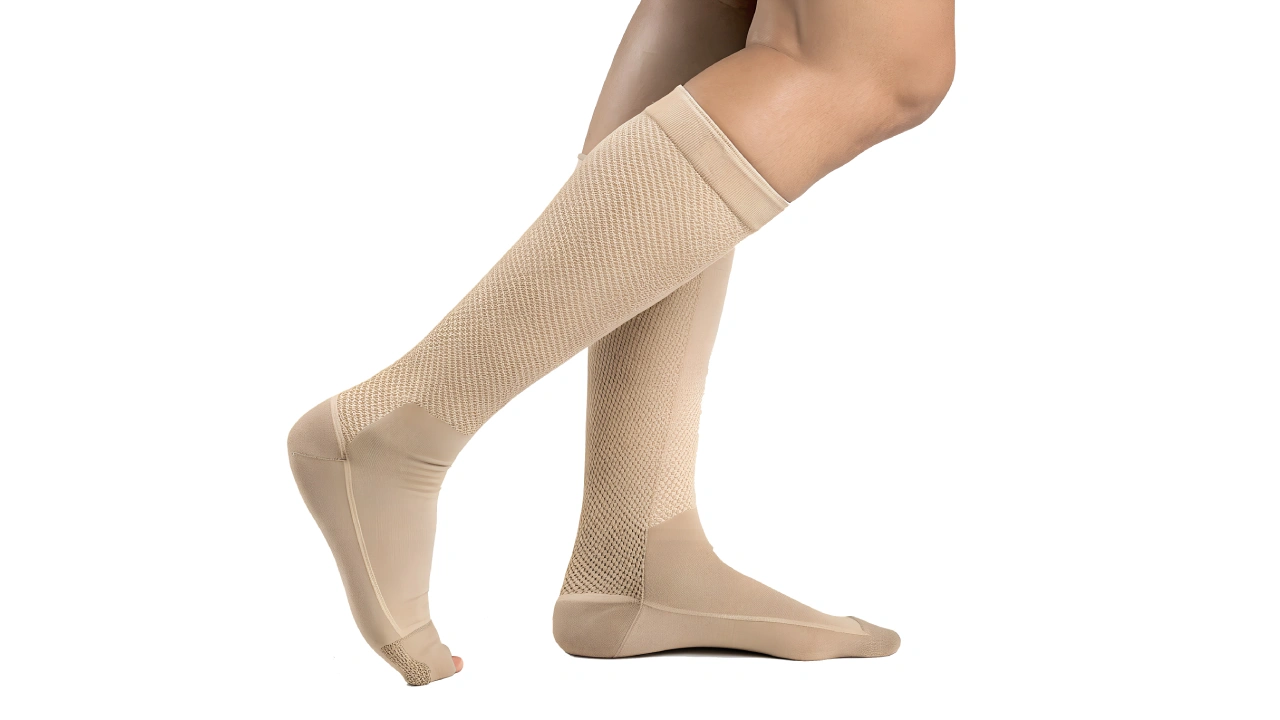
- Assisting with swelling management in appropriate cases, including some applications intended to support lymphatic flow.
- Providing external cues for posture or joint positioning.
Taping does not repair an injury on its own. It is generally used alongside exercise, movement training, and other treatment methods when indicated.
The tape is applied to clean, dry skin and may remain in place for a period determined by the tape type and the therapist’s instructions. Remove it if you develop significant itching, a rash, blistering, or other skin irritation. People with sensitive skin or certain circulation and swelling conditions should discuss suitability with their therapist before application.
How Our Physiotherapy Modality Process Works
At Spirit of Physiotherapy and Massage, we select treatment methods according to your assessment findings, symptoms, and rehabilitation goals.
Step 1: Initial Consultation
We discuss your symptoms, medical history, previous injuries, daily activities, and the movements that cause difficulty.
Step 2: Physical Assessment
Our physiotherapist examines relevant movements, muscle function, joint mobility, and other factors that may contribute to your condition.
Step 3: Treatment Planning
We identify suitable treatment methods, explain their intended purpose, and discuss any precautions or alternatives.
Step 4: Treatment Session
Your session may include electrical stimulation, ultrasound, heat or cold, manual therapy, taping, or other appropriate physiotherapy methods.
Step 5: Progress Review
We assess changes in symptoms, movement, and daily function to determine whether the current approach remains appropriate.
Benefits of Physiotherapy Modalities
Modalities in Calgary can form part of a rehabilitation program when selected for an appropriate clinical purpose. Potential benefits vary by technique and condition.
- Symptom management: Selected electrical stimulation methods and temperature applications may help manage certain types of discomfort.
- Muscle activation: Electrical stimulation may assist with activating muscles that are difficult to contract voluntarily.
- Movement preparation: Heat or hands-on techniques may help some patients prepare for mobility exercises.
- Joint mobility: Manual therapy may address selected restrictions affecting joint movement.
- External support: Taping may provide temporary support or movement cues during daily activities.
- Rehabilitation participation: Managing symptoms may help some patients take part in prescribed exercises and functional training.
The purpose of treatment is to address specific rehabilitation needs, not simply to apply equipment during every appointment. Your physiotherapist will consider whether a modality is appropriate and monitor your response over time.
Who We Serve in Calgary
Spirit of Physiotherapy and Massage serves people with a range of movement and rehabilitation needs in southwest Calgary and surrounding communities.
Our physiotherapy modalities may be considered for:
- Athletes managing sports-related injuries.
- Adults with work-related muscle and joint strain.
- People recovering from motor vehicle accidents.
- Individuals rebuilding movement after surgery, when appropriate.
- Older adults managing stiffness and mobility restrictions.
- People with recurring neck, back, shoulder, knee, or ankle symptoms.
- Individuals returning to exercise after an extended period of reduced activity.
We assess each person’s circumstances before selecting a treatment method. Some conditions may require referral to another healthcare provider or further medical assessment before physiotherapy proceeds.
Frequently Asked Questions
What are physiotherapy modalities used for?
Physiotherapy modalities are physical treatment methods used for specific rehabilitation purposes. They may help manage symptoms, stimulate muscles, address selected movement restrictions, or support participation in exercise-based rehabilitation.
Which modalities are available at Spirit of Physiotherapy and Massage?
Our clinic’s published modalities information includes electrical stimulation, TENS, interferential therapy, muscle stimulation, therapeutic ultrasound, phonophoresis, heat and cold applications, manual and manipulative therapy, and therapeutic taping. Cold laser therapy is also listed among our services. Availability depends on the treatment required.
Are physiotherapy modalities suitable for every patient?
No. Suitability depends on your condition, medical history, symptoms, and any contraindications. Your physiotherapist will assess these factors and explain the available options before treatment.
Does every physiotherapy session include electrical stimulation or ultrasound?
No. These methods are used when appropriate for the treatment goals. Some appointments may focus on exercise, manual therapy, movement training, or other rehabilitation methods.
How many sessions will I need?
The number of sessions varies according to the condition, its duration, your functional goals, and your response to treatment. Your physiotherapist can discuss a proposed schedule after the initial assessment and review it as your condition changes.
Can modalities be combined with exercises?
Yes. When appropriate, modalities can be used alongside strengthening, mobility exercises, balance training, and movement education. Exercise-based rehabilitation helps address strength, coordination, and functional limitations that equipment or passive treatment alone may not address.
Is therapeutic ultrasound the same as phonophoresis?
No. Therapeutic ultrasound uses sound waves to deliver mechanical energy to tissues. Phonophoresis combines ultrasound with a topical preparation intended to assist the movement of an ingredient through the skin. Its use depends on the preparation and clinical circumstances.
Can I receive treatment after a sports injury?
Physiotherapy may be appropriate following many sports injuries, including selected strains and sprains. An assessment helps determine the nature of the injury and whether modalities, exercise, manual therapy, or further medical evaluation is indicated.
How much do modalities cost in Calgary?
The cost depends on the appointment type and treatment required. Contact Spirit of Physiotherapy and Massage at +1 403-454-4451 to confirm current fees, appointment options, and any applicable insurance arrangements.
Service Areas
Our clinic is located in Bridlewood, southwest Calgary, making it accessible to residents in nearby communities, including:
- Bridlewood
- Somerset
- Shawnessy
- Evergreen
- Millrise
- Silverado
- Chaparral
- Midnapore
- Sundance
- Woodbine and Woodlands
If you live elsewhere in Calgary, contact us to discuss travel arrangements and appointment availability.
Why Choose Spirit of Physiotherapy and Massage?
Spirit of Physiotherapy and Massage is a physiotherapist-owned clinic serving Calgary with physiotherapy, massage therapy, and complementary treatment services. Our approach combines physical assessment, hands-on treatment, appropriate modalities, and exercise-based rehabilitation according to each patient’s needs.
Our published service information includes several practical features:
- Multiple treatment options: Access to physiotherapy, massage therapy, electrical modalities, cold laser therapy, and other services at one location.
- Qualified practitioners: Our clinic lists physiotherapists and registered massage therapists on its team page.
- Convenient clinic hours: The clinic lists weekday appointments and Saturday hours, with Sunday closed. Call to confirm current availability.
- Accessible location: Our clinic is situated at 2525 Bridlecrest Way SW, Unit 80, Calgary, AB T2Y 5J4.
- Exercise-based rehabilitation: We incorporate active movement and rehabilitation exercises when appropriate to address functional limitations.
Our priority is to help patients understand their treatment, participate in rehabilitation decisions, and work toward practical movement goals.
Related Services
Alongside Modalities in Calgary, you can explore the following services through our website:
- Physiotherapy
- Acupuncture
- Cold Laser Therapy
- Pelvic Floor Physiotherapy
- Massage Therapy
- Biomedical Dry Needling
- MVA
- WCB
Get Started
If muscle tightness, joint stiffness, swelling, or an injury is affecting your daily activities, our team at Spirit of Physiotherapy and Massage can assess your needs and discuss appropriate treatment options.
Call us to arrange an appointment and ask which physiotherapy modalities may be suitable for your condition. During your visit, we will discuss your symptoms, assess your movement, and explain the proposed treatment before proceeding.
Address: 2525 Bridlecrest Way SW, Unit 80, Calgary, AB T2Y 5J4, Canada
Phone: +1 403-454-4451
Contact our clinic, Spirit of Physiotherapy and Massage, to discuss your rehabilitation needs and arrange your next appointment.