Wrist Pain in Calgary
Wrist pain can make everyday activities such as typing, writing, lifting objects, cooking, driving, and exercising difficult. It may develop gradually through repetitive movements or occur following a fall, sports injury, or sudden impact. At Spirit of Physiotherapy and Massage, we provide physiotherapy services for individuals dealing with wrist pain, restricted movement, stiffness, and reduced hand function.
Our physiotherapy care in Calgary focuses on identifying the source of wrist discomfort, assessing joint and muscle function, and addressing movement limitations through appropriate rehabilitation methods. Whether your symptoms involve the thumb side of the wrist, the palm, the back of the hand, or the entire wrist joint, our team can assess your condition and discuss suitable care options.
If wrist discomfort is affecting your daily routine, contact Spirit of Physiotherapy and Massage to arrange an assessment.
What Is Wrist Pain?
Wrist pain refers to discomfort, tenderness, stiffness, or restricted movement in the wrist joint and surrounding tissues. The wrist connects the forearm to the hand and contains several small bones, ligaments, tendons, muscles, and nerves that work together to support hand movements.
Because the wrist is involved in many everyday activities, repetitive strain, direct injuries, inflammation, and nerve compression can affect its function.
Common causes of wrist pain include:
- Repetitive strain: Repeated typing, gripping, lifting, or twisting can place stress on wrist structures.
- Tendon irritation: Repetitive movements can irritate tendons responsible for wrist and thumb movement.
- Carpal tunnel syndrome: Compression of the median nerve can cause tingling, numbness, and discomfort in the hand and wrist.
- Wrist sprains: Stretching or tearing of ligaments may occur following a fall or sudden twisting movement.
- Arthritis: Joint changes can contribute to stiffness, swelling, and discomfort.
- Fractures: A fall or direct impact can cause a break in one or more wrist bones.
- De Quervain’s tenosynovitis: Irritation of tendons near the base of the thumb can cause pain during gripping and thumb movements.
Identifying the underlying cause is an important part of deciding which treatment methods may be appropriate.
Who Can Benefit From Wrist Pain Physiotherapy?
Wrist pain can affect people across different age groups and occupations. Physiotherapy may be appropriate for individuals whose symptoms involve joint movement, muscle function, tendon irritation, or recovery following certain injuries.
Office Workers and Computer Users
People who spend several hours typing, using a mouse, or working with digital devices may develop wrist discomfort associated with repetitive movements and prolonged positioning.
Manual Workers
Construction workers, mechanics, warehouse employees, and tradespeople frequently perform gripping, lifting, and twisting activities. These movements can place repeated demands on the wrist.
Athletes and Active Individuals
Sports such as tennis, badminton, gymnastics, weightlifting, and cycling involve wrist loading. Repeated stress or sudden impact may contribute to wrist injuries.
Older Adults
Age-related joint changes and conditions such as arthritis may contribute to wrist stiffness, discomfort, and reduced hand function.
Individuals Recovering From Wrist Injuries
People recovering from certain sprains, fractures, or surgical procedures may require rehabilitation to address stiffness, strength limitations, and restricted movement. Rehabilitation should follow appropriate medical clearance and healing requirements.
Common Wrist Problems We Treat
At Spirit of Physiotherapy and Massage, we assess different conditions associated with wrist and hand discomfort. The treatment approach depends on the diagnosis, symptoms, physical findings, and individual activity requirements.
1. Carpal Tunnel Syndrome
Carpal tunnel syndrome occurs when the median nerve becomes compressed as it passes through a narrow passage in the wrist.
Common symptoms include:
- Tingling in the thumb, index, middle, and part of the ring finger.
- Numbness in the hand, particularly at night.
- Wrist discomfort that may extend into the forearm.
- Reduced grip strength.
- Difficulty holding small objects.
Physiotherapy may include movement assessment, activity modification, nerve mobility exercises, and exercises addressing wrist and hand function.
2. De Quervain’s Tenosynovitis
This condition involves the irritation of tendons located along the thumb side of the wrist. It can develop through repeated thumb movements, gripping, and lifting.
Common symptoms include:
- Pain near the base of the thumb.
- Discomfort when holding a phone.
- Pain while lifting a child or carrying objects.
- Difficulty opening jars.
- Tenderness along the thumb side of the wrist.
Physiotherapy may focus on activity modification, appropriate exercises, and gradual loading of the affected structures.
3. Wrist Sprains
A wrist sprain occurs when ligaments supporting the wrist joint become stretched or torn. Falls onto an outstretched hand are a common cause.
Symptoms may include:
- Swelling around the wrist.
- Tenderness during movement.
- Reduced wrist flexibility.
- Discomfort while gripping objects.
- Difficulty putting weight through the affected hand.
Rehabilitation may involve controlled mobility exercises and progressive strengthening once the injury has been assessed and appropriate healing has occurred.
4. Wrist Tendonitis and Tendinopathy
Tendon-related wrist conditions can develop when repeated loading exceeds the tissues’ capacity to adapt. Activities involving frequent gripping, lifting, and wrist movement may contribute.
Symptoms may include:
- Pain during wrist movement.
- Tenderness along a tendon.
- Discomfort when gripping or lifting.
- Stiffness after periods of inactivity.
- Reduced tolerance for repetitive tasks.
Treatment may include load management, therapeutic exercises, and gradual strengthening.
5. Wrist Arthritis
Wrist arthritis involves changes within the joint that may contribute to stiffness, swelling, and discomfort. Osteoarthritis and inflammatory arthritis can both affect wrist function.
Common symptoms include:
- Morning stiffness.
- Reduced wrist movement.
- Joint tenderness.
- Swelling around the wrist.
- Difficulty performing activities that require gripping.
Physiotherapy may address joint mobility, muscle conditioning, movement strategies, and activity adjustments.
6. Wrist Fracture Rehabilitation
Wrist fractures can occur following falls, sporting injuries, or direct impacts. A fracture may involve the radius, ulna, or one of the smaller carpal bones.
After appropriate medical assessment and clearance, rehabilitation may address:
- Restricted wrist movement.
- Reduced grip strength.
- Forearm stiffness.
- Difficulty rotating the forearm.
- Limitations in everyday hand activities.
The rehabilitation program depends on fracture stability, healing progress, and any surgical procedures performed.
7. Ganglion Cysts
A ganglion cyst is a fluid-filled lump that commonly develops near a wrist joint or tendon. Although some cysts do not cause symptoms, others may create discomfort or interfere with wrist movement.
Possible symptoms include:
- A visible lump around the wrist.
- Discomfort when bending the wrist.
- Tenderness during physical activities.
- Reduced wrist flexibility.
- Pressure or aching near the affected joint.
A physiotherapy assessment can help determine whether movement restrictions or surrounding muscle weakness require attention. Some cysts may need medical evaluation or other forms of treatment.
8. Wrist Strain From Repetitive Activities
Repeated wrist movements can place stress on muscles, tendons, and surrounding tissues. This may occur through occupational tasks, household activities, sports, or prolonged computer use.
Symptoms may include aching, stiffness, tenderness, and discomfort during repetitive movements. Physiotherapy can address movement patterns, activity demands, strength limitations, and workload management.
Problems Associated With Wrist Pain
Wrist discomfort can affect more than the joint itself. It may interfere with hand coordination, grip strength, and everyday tasks.
People seeking wrist pain treatment in Calgary commonly report difficulties such as:
- Typing on a keyboard for extended periods.
- Holding a mobile phone or tablet.
- Opening jars, bottles, and containers.
- Carrying shopping bags or household items.
- Lifting weights at the gym.
- Turning door handles or keys.
- Writing or performing detailed hand movements.
- Playing musical instruments.
- Completing work that requires repeated gripping.
- Supporting body weight through the hands.
Our physiotherapy team assesses these functional limitations alongside the symptoms to identify factors that may be contributing to the problem.
Physiotherapy for Wrist Pain: Features and Treatment Methods
At Spirit of Physiotherapy and Massage, physiotherapy for wrist pain focuses on the affected structures, movement limitations, and functional demands of each individual.
Depending on the assessment findings, treatment may involve the following methods.
1. Physical Assessment
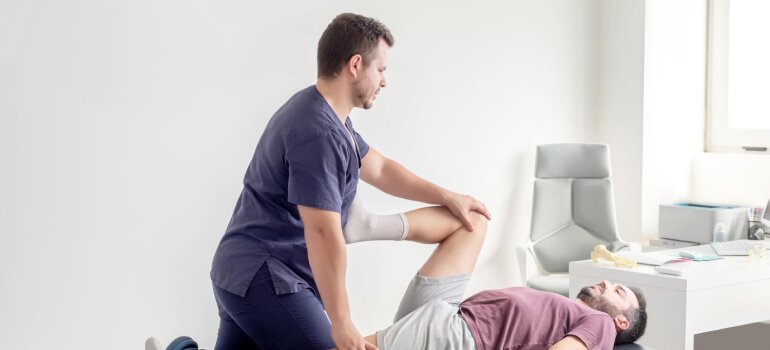
Our physiotherapist examines wrist movement, joint mobility, muscle strength, grip function, tenderness, and symptom patterns.
Why it matters: An assessment helps identify possible sources of discomfort and determine whether further medical investigation is necessary.
2. Manual Therapy
Manual therapy may involve appropriate hands-on techniques targeting the wrist, hand, and surrounding forearm structures.
Why it matters: These techniques may address joint stiffness and movement restrictions.
3. Therapeutic Exercises
Exercise programs may include controlled wrist movements, finger exercises, forearm strengthening, and grip training.
Why it matters: Progressive exercise can help develop muscular capacity and support functional hand movements.
4. Tendon and Nerve Mobility Exercises
Specific movement exercises may be used when tendon irritation or nerve-related symptoms are identified.
Why it matters: These exercises address mobility restrictions and help patients work towards improved movement tolerance.
5. Activity Modification
Our physiotherapist may discuss adjustments to workplace positioning, repetitive movements, lifting methods, and daily activities.
Why it matters: Managing repeated stress on the wrist can help reduce unnecessary tissue loading.
6. Progressive Strengthening
Strengthening exercises may target the wrist flexors, extensors, forearm muscles, and hand grip.
Why it matters: Building strength gradually can support wrist function during occupational, household, and sporting activities.
How Our Wrist Pain Physiotherapy Process Works
Our approach begins with an assessment and progresses according to the individual’s symptoms, physical findings, and activity requirements.
Step 1: Initial Consultation
We discuss your symptoms, when they started, previous injuries, occupational activities, and movements that cause discomfort.
Step 2: Physical Assessment
Our physiotherapist examines wrist mobility, grip strength, joint movement, muscle function, and relevant nerve symptoms.
Step 3: Treatment Planning
Based on the findings, we establish appropriate rehabilitation goals and identify suitable physiotherapy methods.
Step 4: Treatment Sessions
Sessions may involve manual therapy, therapeutic exercises, mobility work, and activity modification, depending on your condition.
Step 5: Progress Assessment
We monitor changes in wrist movement, strength, symptoms, and functional abilities. Exercises and treatment methods may be adjusted as needed.
Step 6: Home Exercise and Activity Management
You may receive exercises and practical recommendations to support rehabilitation between appointments.
Benefits of Physiotherapy for Wrist Pain
Physiotherapy can play a role in managing wrist conditions and addressing functional limitations. Depending on the underlying cause and individual response, rehabilitation may help with:
- Wrist mobility: Addressing stiffness and restricted joint movement.
- Grip function: Developing hand and forearm strength for everyday tasks.
- Movement coordination: Supporting controlled wrist and finger movements.
- Activity tolerance: Gradually increasing the ability to perform occupational and recreational activities.
- Muscle conditioning: Addressing weakness in the wrist and forearm.
- Movement awareness: Identifying activities and positions that place excessive stress on the wrist.
- Injury rehabilitation: Supporting recovery following eligible wrist injuries and medical procedures.
Results vary according to the condition, severity, duration of symptoms, and adherence to the rehabilitation program.
Industries and Individuals We Serve
Wrist pain can affect people in different occupations and physical activities. Our physiotherapy services in Calgary are relevant to individuals dealing with wrist discomfort associated with:
- Corporate and office work: Repetitive computer use, keyboard activities, and prolonged mouse use.
- Construction and trades: Frequent lifting, gripping, tool operation, and manual work.
- Healthcare: Repeated hand movements and physical tasks.
- Sports and fitness: Weightlifting, tennis, badminton, cycling, and gymnastics.
- Retail and hospitality: Stock handling, carrying items, food preparation, and repetitive hand movements.
- Manufacturing: Assembly work, machinery operation, and repetitive gripping.
- Household activities: Cooking, cleaning, gardening, and lifting household objects.
Frequently Asked Questions About Wrist Pain
1. What causes wrist pain?
Wrist pain can result from repetitive strain, tendon irritation, ligament injuries, fractures, arthritis, carpal tunnel syndrome, and nerve compression. A physical assessment can help identify possible contributing factors.
2. Can physiotherapy help with wrist pain?
Yes. Physiotherapy may help address wrist stiffness, movement restrictions, muscle weakness, and certain tendon-related conditions. Treatment depends on the underlying cause and assessment findings.
3. How many physiotherapy sessions are needed for wrist pain?
The number of sessions depends on the condition, severity, symptom duration, and response to treatment. Minor movement restrictions may require fewer appointments, while complex injuries may require a longer rehabilitation period.
4. Can typing cause wrist pain?
Yes. Prolonged typing, repetitive mouse use, and sustained wrist positioning may contribute to discomfort. Workplace adjustments, activity breaks, and appropriate exercises may help manage these symptoms.
5. What exercises can help with wrist pain?
Depending on the condition, exercises may include gentle wrist flexion and extension, forearm rotations, finger movements, grip exercises, and progressive strengthening. Exercises should match the diagnosis and should not aggravate symptoms.
6. Is wrist pain a symptom of carpal tunnel syndrome?
It can be. Carpal tunnel syndrome commonly causes numbness, tingling, and discomfort affecting the thumb, index finger, middle finger, and part of the ring finger. Symptoms may also occur at night. However, not all wrist pain is caused by carpal tunnel syndrome.
7. When should I seek medical attention for wrist pain?
Seek prompt medical assessment following a significant fall, severe pain, visible deformity, sudden loss of strength, or suspected fracture. Sudden loss of sensation or circulation changes also require urgent attention. Persistent numbness or weakness should not be ignored.
8. Can wrist pain return after physiotherapy?
Symptoms may return if the underlying contributing factors remain, if the wrist is exposed to repeated strain, or if another condition develops. Exercise progression and appropriate activity management can form part of ongoing care.
9. Can I receive physiotherapy for wrist pain after surgery?
Yes, rehabilitation may be appropriate following certain wrist procedures. However, the timing and exercises must follow your surgeon’s instructions, tissue-healing requirements, and physiotherapy assessment.
10. Where can I receive treatment for wrist pain in Calgary?
You can visit Spirit of Physiotherapy and Massage at 2525 Bridlecrest Way SW #80, Calgary, AB T2Y 5J4. Call +1 403-454-4451 to arrange an appointment.
Service Areas
Spirit of Physiotherapy and Massage serves individuals seeking physiotherapy in Calgary, Alberta. Our clinic is located at 2525 Bridlecrest Way SW #80, providing a location for people living and working in the surrounding communities.
Our service area includes:
- Calgary
- Bridlewood
- Somerset
- Shawnessy
- Evergreen
- Millrise
- Silverado
- Midnapore
- Legacy
- Cranston
- Walden
If wrist discomfort is interfering with your work, household activities, or sporting routine, contact our clinic to discuss an assessment.
Why Choose Spirit of Physiotherapy and Massage?
At Spirit of Physiotherapy and Massage, we focus on assessing the physical factors associated with wrist discomfort and identifying suitable rehabilitation methods.
Our approach includes:
- Condition-focused assessment: We examine wrist mobility, grip strength, joint function, and relevant symptoms.
- Individual treatment planning: Treatment methods are selected according to assessment findings and functional requirements.
- Exercise-based rehabilitation: We use appropriate therapeutic exercises to address strength and movement limitations.
- Functional movement assessment: We consider how wrist symptoms affect work, sports, and everyday activities.
- Progress monitoring: We review changes in movement, strength, and functional abilities throughout rehabilitation.
- Activity recommendations: We discuss practical adjustments that may help manage repeated wrist loading.
Our clinic is located in Calgary, Alberta, and provides physiotherapy and massage services for individuals seeking care for musculoskeletal conditions.
Related Services
Alongside wrist pain care, Spirit of Physiotherapy and Massage provides a clinic setting for individuals seeking physiotherapy and massage services.
Related areas of care include:
- Physiotherapy
- Acupuncture
- Cold Laser Therapy
- Pelvic Floor Physiotherapy
- Massage Therapy
- Biomedical Dry Needling
- Modalities
- MVA
Addressing related movement limitations can form part of a rehabilitation program when indicated by the assessment.
Get Started
Wrist discomfort can interfere with typing, lifting, gripping, sports, and many other daily activities. Identifying the cause and addressing movement limitations can be an important part of managing these symptoms.
At Spirit of Physiotherapy and Massage, our physiotherapy team assesses wrist function and discusses suitable rehabilitation options based on your condition.
Address: 2525 Bridlecrest Way SW #80, Calgary, AB T2Y 5J4, Canada
Phone: +1 403-454-4451
If you are looking for physiotherapy for wrist pain in Calgary, contact our clinic to arrange an appointment.