Concussion Management in Calgary
A concussion can affect much more than your ability to concentrate. Headaches, dizziness, sensitivity to light, fatigue, balance difficulties, and changes in memory can interfere with work, school, sports, and everyday activities. At Spirit of Physiotherapy and Massage, we provide concussion management in Calgary to help individuals address physical symptoms, monitor their progress, and work towards a gradual return to their usual activities.
Whether your concussion followed a sports injury, fall, motor vehicle accident, or impact to the head, our physiotherapy team can assess your movement, balance, coordination, and functional abilities. We focus on the symptoms affecting your daily routine and use appropriate physiotherapy approaches based on your assessment and recovery stage.
What Is Concussion Management in Calgary?
Concussion management involves assessing and addressing the physical and functional symptoms associated with concussions. A concussion is a type of mild traumatic brain injury (mTBI) that can occur following a blow to the head, neck, or body that causes the brain to move rapidly inside the skull.
Although many concussions do not involve a loss of consciousness, they can still affect how the brain functions. Symptoms may appear immediately or develop over the following hours or days.
Physiotherapy can play a role in concussion care by addressing physical problems that may persist after the initial injury. Depending on the individual’s symptoms, the treatment may involve:
- Balance and coordination exercises
- Vestibular rehabilitation for dizziness and motion sensitivity
- Cervical physiotherapy for neck discomfort and restricted movement
- Gradual physical activity progression
- Eye movement and visual coordination exercises, when indicated
- Functional movement assessment
- Activity modification and return-to-exercise planning
Our approach considers how symptoms affect daily activities rather than focusing on the initial injury alone. Concussion management in Calgary may also involve communication with physicians and other healthcare providers when additional assessment or medical care is required.
Who Can Benefit From Concussion Management in Calgary?
Concussion-related symptoms can affect people of different ages and activity levels. Physiotherapy assessment may be appropriate for individuals who have ongoing physical or functional difficulties following a concussion.
Athletes and Sports Participants
Contact sports, recreational activities, and athletic training can involve impacts that result in concussions. Athletes may experience headaches, dizziness, balance difficulties, or sensitivity to movement when attempting to resume training.
Physiotherapy can help assess physical symptoms and support a gradual return to exercise under appropriate medical supervision.
Children and Teenagers
A concussion during childhood or adolescence may affect school attendance, concentration, physical activity, and participation in sports.
Parents may seek an assessment when a child continues to experience dizziness, headaches, balance problems, or difficulty tolerating physical activity after an injury.
Adults With Work-Related Injuries
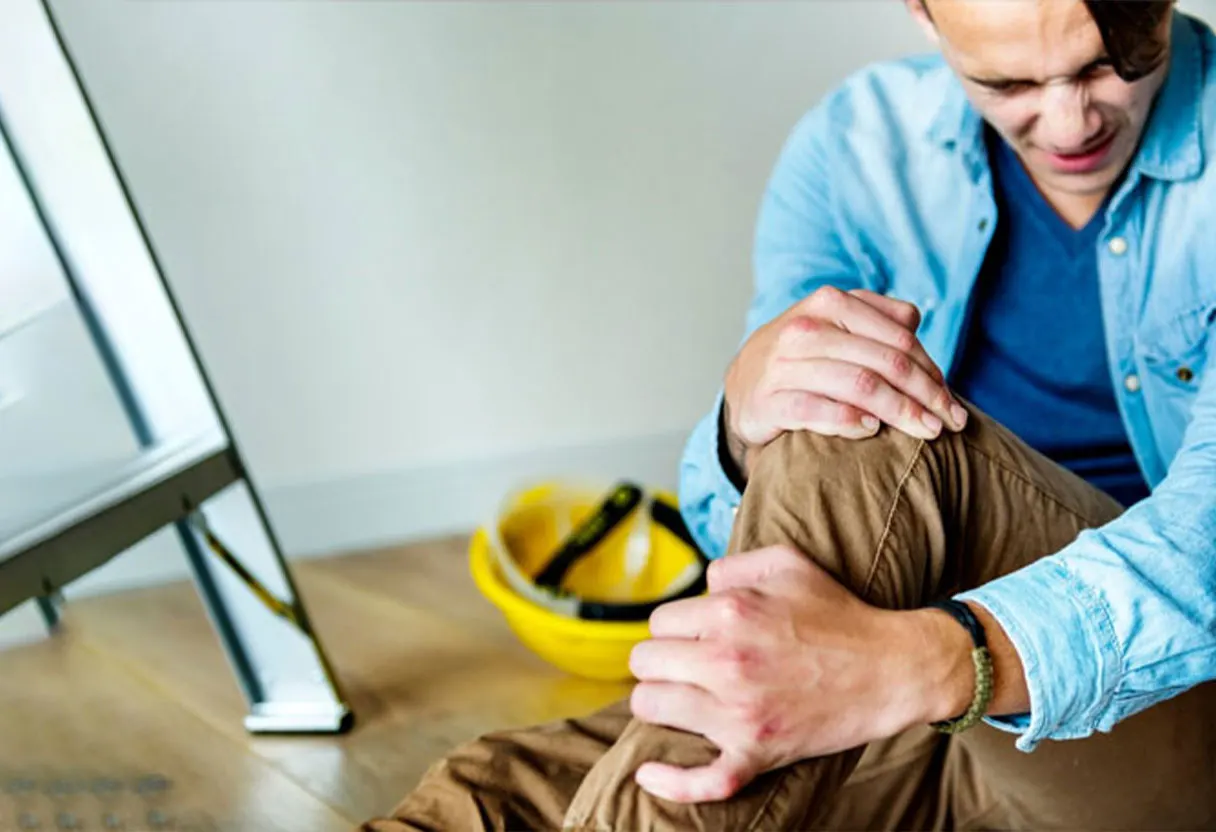
Workplace accidents, falls, and physical impacts can result in concussion symptoms that interfere with regular duties.
Physiotherapy can assess functional limitations and help identify appropriate activity modifications during recovery.
Individuals Following Motor Vehicle Accidents
A sudden impact during a motor vehicle accident can cause the head and neck to move rapidly. Some individuals subsequently develop concussion symptoms alongside neck pain, dizziness, or movement difficulties.
Physiotherapy assessment can examine these physical concerns and identify appropriate treatment options.
Older Adults Following Falls
Falls can result in head injuries and concussion, sometimes alongside balance and mobility difficulties. Older adults experiencing a suspected concussion require prompt medical assessment before beginning physiotherapy.
Problems Addressed Through Concussion Management
Concussion symptoms vary from one person to another. Some individuals recover within a relatively short period, while others continue to experience symptoms that affect their daily routines.
Our physiotherapy assessment may identify physical concerns such as:
- Recurring headaches: Head discomfort that affects concentration, movement, or daily activities.
- Dizziness: A sensation of spinning, light-headedness, or instability during movement.
- Balance difficulties: Problems maintaining stability while standing, walking, or changing direction.
- Neck discomfort: Pain, stiffness, or restricted movement following an impact.
- Motion sensitivity: Increased symptoms when turning the head, moving through busy environments, or changing positions.
- Visual coordination difficulties: Problems with eye movements or focusing during certain activities.
- Exercise intolerance: Increased symptoms during physical exertion.
- Reduced coordination: Difficulty performing movements that previously felt routine.
- Activity limitations: Challenges returning to school, work, recreational activities, or sports.
Not every symptom requires physiotherapy, and some may indicate a need for further medical investigation. Our assessment helps identify which physical concerns can be addressed through physiotherapy and when referral to another healthcare provider is appropriate.
What Does Our Concussion Management in Calgary Include?
At Spirit of Physiotherapy and Massage, our physiotherapy assessment and treatment planning depend on the individual’s symptoms, medical history, and functional limitations.
1. Initial Assessment
We begin by discussing the injury, symptoms, medical history, and activities affected since the concussion.
The assessment may include:
- Symptom history and current concerns
- Neck movement and cervical function
- Balance and postural control
- Coordination and functional movement
- Vestibular symptoms
- Exercise tolerance, when medically appropriate
A suspected concussion requires medical assessment. Physiotherapy does not replace diagnosis or initial medical evaluation.
2. Vestibular Rehabilitation
The vestibular system contributes to balance and spatial orientation. Following a concussion, some individuals experience dizziness, motion sensitivity, or difficulty maintaining balance.
When indicated, vestibular rehabilitation may include:
- Gaze stabilization exercises
- Head movement exercises
- Balance training
- Controlled positional movements
- Gradual exposure to movements that trigger symptoms
Exercises are selected according to assessment findings and symptom tolerance.
3. Cervical Physiotherapy
Neck discomfort and restricted cervical movement may occur following an impact or sudden acceleration and deceleration of the head and neck.
Our physiotherapy assessment may identify areas involving:
- Reduced neck mobility
- Muscle tension
- Movement-related discomfort
- Cervical strength and control
Treatment may include appropriate mobility exercises, strengthening, movement retraining, and manual physiotherapy techniques where indicated.
4. Balance and Coordination Training
Concussion can affect balance and coordination, making everyday activities such as walking, climbing stairs, and changing direction more difficult.
Our physiotherapy sessions may incorporate:
- Static balance exercises
- Dynamic balance activities
- Weight-shifting exercises
- Walking and movement drills
- Coordination activities
The difficulty of each activity is adjusted according to the individual’s physical abilities and symptoms.
5. Gradual Return to Physical Activity
Prolonged inactivity is generally discouraged after the initial period of concussion recovery. Current concussion recommendations support a gradual return to physical activity, provided activities remain within appropriate symptom limits.
We can help individuals understand their physical activity tolerance and progress through suitable exercise stages.
For athletes, returning to unrestricted training and competition requires completion of the appropriate return-to-sport process and medical clearance.
How Our Concussion Management Process Works
Concussion care requires attention to symptoms, activity levels, and changes in physical function. Our process follows a structured approach.
Step 1: Book an Appointment
Contact Spirit of Physiotherapy and Massage to arrange an appointment. Let our team know about the injury, when it occurred, and the symptoms you are experiencing.
Step 2: Complete a Physiotherapy Assessment
Our physiotherapist reviews your symptoms and evaluates relevant physical functions, including balance, neck mobility, coordination, and movement tolerance.
Step 3: Establish a Treatment Plan
Based on the assessment findings, we identify appropriate physiotherapy interventions and activities. The plan takes into account your current symptoms, daily responsibilities, and physical activity requirements.
Step 4: Begin Physiotherapy
Treatment may include vestibular rehabilitation, cervical exercises, balance training, coordination activities, and gradual physical conditioning.
Step 5: Monitor Your Progress
We review symptom responses and functional changes during subsequent appointments. Exercises and activity levels can be adjusted according to your progress.
Step 6: Plan Your Return to Daily Activities
We help you work towards resuming appropriate daily activities, exercise, work duties, and recreational participation. Return to contact sports requires medical clearance and completion of the relevant return-to-sport stages.
Benefits of Physiotherapy for Concussion
Physiotherapy can address several physical difficulties associated with concussion, particularly when symptoms involve balance, movement, neck function, or exercise tolerance.
Potential outcomes include:
- Improved balance and postural control
- Increased tolerance for everyday movement
- Improved neck mobility and muscular function
- Better coordination during functional activities
- Reduced movement-related limitations
- Gradual improvement in exercise tolerance
- Structured progression towards work, school, and recreational activities
Results vary according to injury severity, individual health factors, symptom duration, and other medical considerations. Physiotherapy is one part of concussion care and may be combined with medical assessment and other healthcare services.
Who We Serve in Calgary
At Spirit of Physiotherapy and Massage, we provide physiotherapy services for individuals dealing with a range of physical conditions and injuries.
Our concussion management services may be relevant to:
- Recreational and competitive athletes
- Children and adolescents following medical assessment
- Adults recovering from head injuries
- Individuals involved in motor vehicle accidents
- Workers recovering from workplace incidents
- Older adults following falls
- Individuals with persistent balance or movement difficulties after concussion
Frequently Asked Questions About Concussion Management
What are the common symptoms of a concussion?
Common symptoms include headaches, dizziness, nausea, fatigue, sensitivity to light or noise, difficulty concentrating, memory problems, balance difficulties, and sleep disturbances. Symptoms can vary and may not appear immediately following an injury.
How soon should I seek treatment after a concussion?
Anyone with a suspected concussion should receive prompt medical assessment. Once medically assessed and appropriate for physiotherapy, an individual may benefit from an assessment of persistent physical symptoms such as dizziness, neck discomfort, balance problems, or exercise intolerance.
Can physiotherapy help with post-concussion dizziness?
Yes. When dizziness is associated with vestibular dysfunction, physiotherapy may include vestibular rehabilitation, gaze stabilization, balance activities, and controlled head movements. A proper assessment is necessary to determine the source of dizziness and whether these interventions are appropriate.
How long does concussion recovery take?
Recovery varies from person to person. Many individuals improve within a few weeks, although some experience symptoms for longer. Factors such as injury history, age, symptom severity, and other health conditions may influence recovery.
Can I exercise after a concussion?
Light physical activity may be appropriate after an initial period of relative rest, provided it follows current medical recommendations and does not cause significant or prolonged symptom worsening. Contact sports and activities involving a risk of another head impact should be avoided until the required medical clearance has been obtained.
Can concussion cause neck pain?
Yes. Neck discomfort can occur alongside concussion, particularly following an impact involving sudden head and neck movement. Cervical physiotherapy may address restricted movement, muscular discomfort, and related functional limitations.
Is concussion management only for athletes?
No. Concussions can affect anyone following a fall, motor vehicle accident, workplace incident, or other impact. Physiotherapy may be appropriate for non-athletes who have ongoing physical symptoms after a medically assessed concussion.
What should I bring to my first physiotherapy appointment?
Bring relevant medical assessment records, referral documents if applicable, information about the injury, and a list of current symptoms. Details about previous concussions, current activity limitations, and any diagnostic investigations may also help with the assessment.
Does concussion management require a doctor’s referral?
Referral requirements can vary depending on the treatment, insurance coverage, and individual circumstances. Contact our clinic to confirm the documentation required before your appointment.
When should I seek emergency medical attention?
Seek emergency medical care following a head injury if you experience a worsening severe headache, repeated vomiting, seizures, increasing confusion, unusual behaviour, weakness or numbness, slurred speech, unequal pupils, or difficulty waking up. Do not wait for a physiotherapy appointment if these symptoms occur.
Service Areas
Spirit of Physiotherapy and Massage is located in southwest Calgary, making our clinic accessible to individuals seeking physiotherapy services in the surrounding communities.
We serve individuals from:
- Bridlewood
- Evergreen
- Somerset
- Shawnessy
- Millrise
- Silverado
- Midnapore
- Chaparral
- Sundance
- Cranston
- Legacy
- Walden
If you are searching for concussion management in Calgary, our clinic can discuss your symptoms, appointment requirements, and available physiotherapy services.
Why Choose Spirit of Physiotherapy and Massage?
At Spirit of Physiotherapy and Massage, we recognize that concussion symptoms can affect different aspects of everyday life. Our physiotherapy approach focuses on identifying physical limitations and selecting appropriate interventions according to each individual’s assessment.
When you visit our clinic, you can expect:
- An initial discussion about your injury and symptoms
- Assessment of relevant physical and functional concerns
- Physiotherapy recommendations based on assessment findings
- Exercises appropriate to your current activity tolerance
- Progress reviews during subsequent appointments
- Communication about further medical assessment when required
We recognize that concussion recovery is not the same for everyone. Our aim is to address the physical concerns within our scope of practice while keeping your daily activities and functional goals in view.
Related Services
Individuals recovering from concussion may also have physical concerns that involve other areas of physiotherapy.
At Spirit of Physiotherapy and Massage, you can ask our team about related services, including:
- Physiotherapy
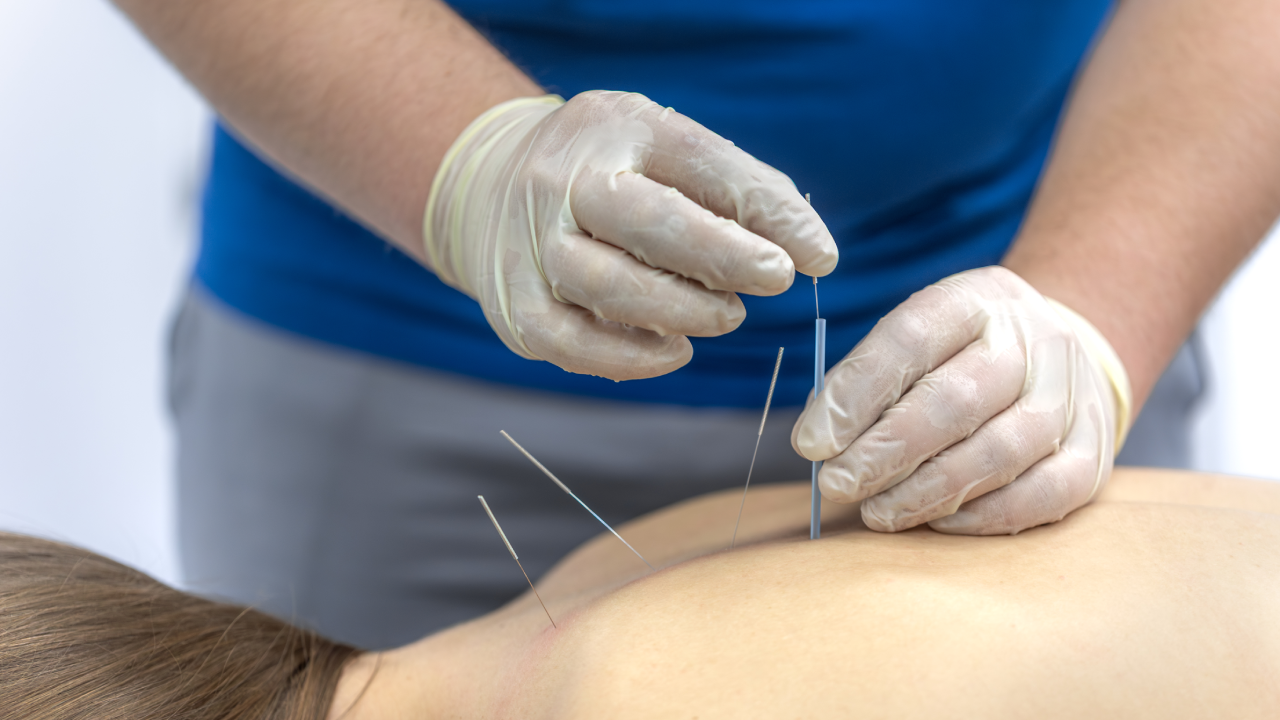
- Acupuncture
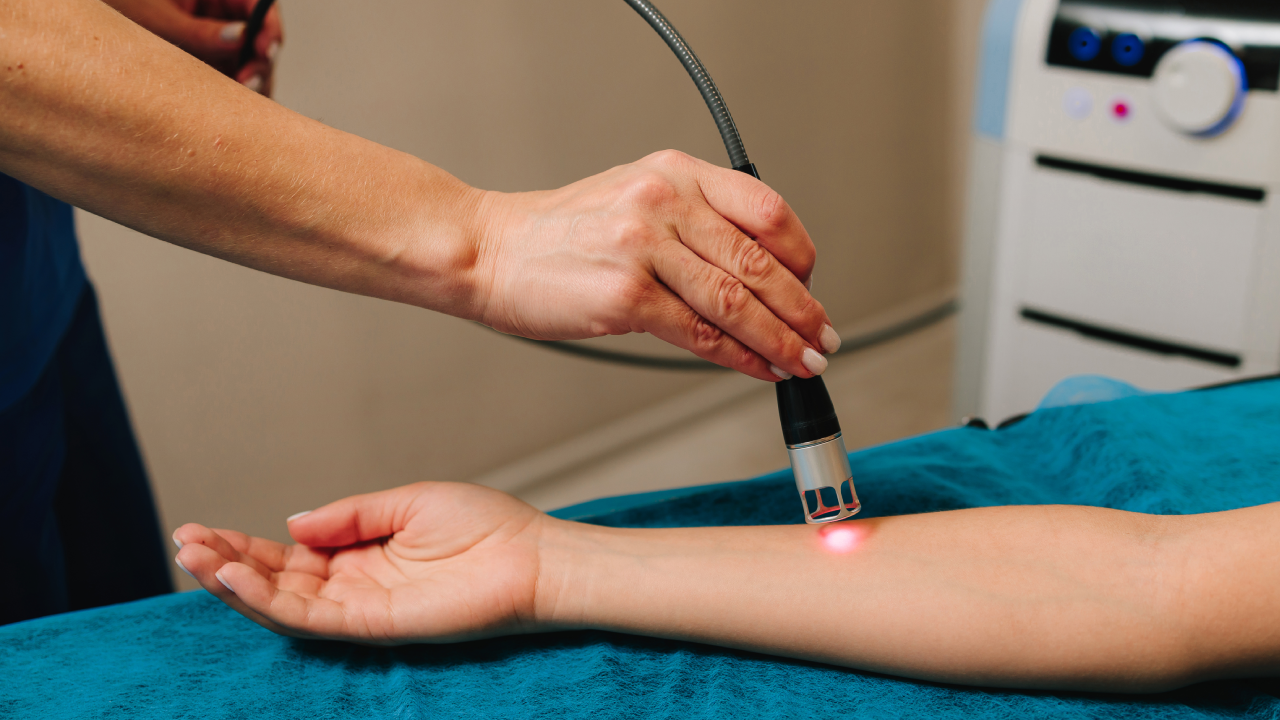
- Cold Laser Therapy
- Pelvic Floor Physiotherapy
- Massage Therapy
- Biomedical Dry Needling
- Modalities
- MVA
The suitability of each service depends on your symptoms, medical assessment, and physiotherapy findings.
Get Started
Are headaches, dizziness, balance difficulties, or neck discomfort affecting your routine after a concussion? Our team at Spirit of Physiotherapy and Massage can discuss your concerns and arrange a physiotherapy assessment when appropriate.
Contact Spirit of Physiotherapy and Massage to ask about appointment availability and concussion-related physiotherapy services.
Address: 2525 Bridlecrest Way SW #80, Calgary, AB T2Y 5J4, Canada
Phone: +1 403-454-4451
Call us today to arrange an appointment and discuss your physiotherapy needs.