TMJ Dysfunction
TMJ Dysfunction
Jaw discomfort can affect everyday actions such as eating, speaking, and even sleeping. Many people notice clicking sounds, stiffness, or tension around the jaw joint without realizing these symptoms may be related to TMJ Dysfunction. The temporomandibular joint links the jawbone to the skull and allows the mouth to open, close, and move from side to side. When this joint or the surrounding muscles do not move smoothly, irritation and movement limitations may develop.
At Prime Health Physiotherapy, physiotherapy focuses on restoring comfortable jaw movement through assessment, movement training, and physical techniques that support joint stability. By examining the way the jaw, neck, and surrounding muscles work together, physiotherapy may help individuals manage TMJ Dysfunction and regain normal daily function.
What is TMJ Dysfunction?
TMJ Dysfunction refers to conditions affecting the temporomandibular joint, the hinge connecting the jaw to the skull. This joint works alongside muscles and ligaments to allow chewing, speaking, and facial movement. When the joint becomes irritated, strained, or misaligned, discomfort and restricted motion may appear.
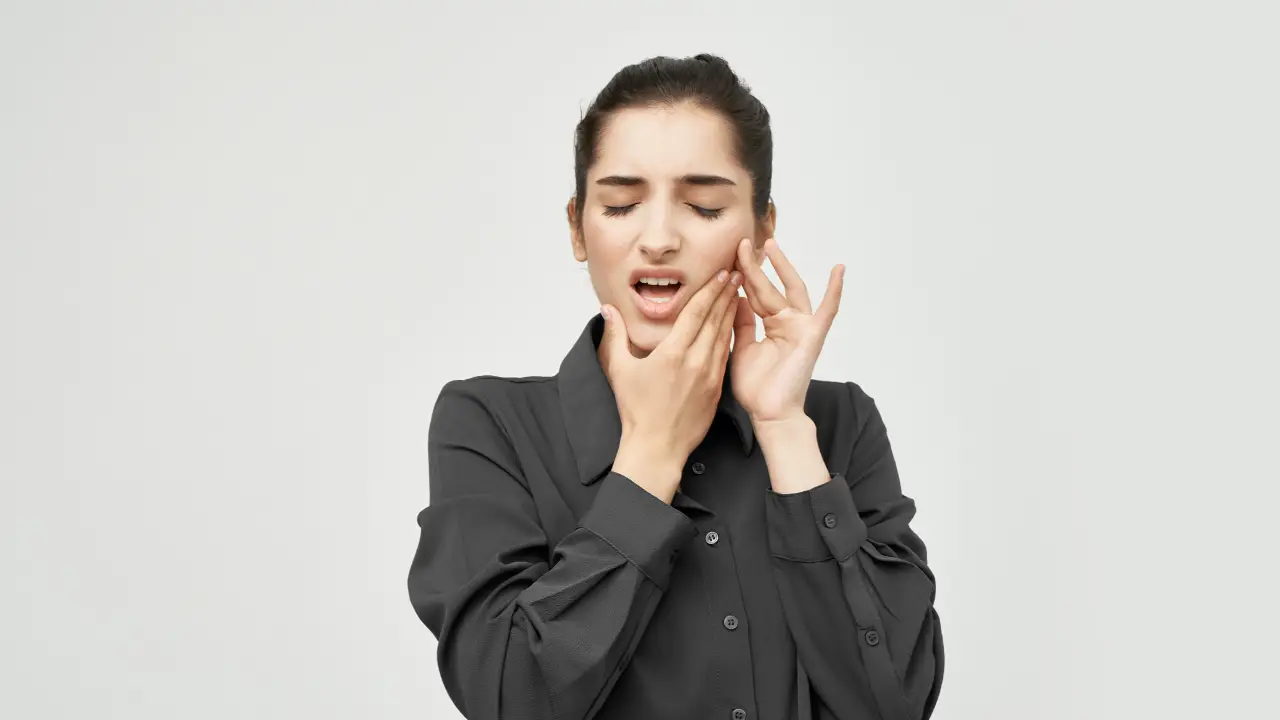
People with TMJ Dysfunction may experience symptoms such as jaw stiffness, clicking sounds during mouth movement, or tenderness around the jaw and face. Some individuals also report headaches, ear pressure, or difficulty fully opening the mouth.
The causes of TMJ Dysfunction vary. In many cases, the issue develops due to muscle tension, teeth grinding, jaw injury, changes in posture, or stress-related joint strain. Identifying these contributing factors allows physiotherapy to focus on restoring coordinated movement between the jaw, neck, and facial muscles.
Signs and Symptoms Linked to TMJ Dysfunction
Jaw Pain and Facial Discomfort
Pain around the jaw joint is one of the most common indicators of TMJ Dysfunction. This discomfort may extend toward the cheeks, temples, or ears, especially during chewing or talking.
Clicking or Popping Sounds
Many people notice clicking, popping, or grinding noises when opening or closing the mouth. These sounds can occur when joint movement becomes uneven due to TMJ Dysfunction.
Limited Jaw Movement
Difficulty fully opening the mouth or smoothly moving the jaw may also occur. Muscle tightness and joint irritation linked with TMJ Dysfunction may lead to stiffness or restricted motion.
Headaches and Neck Tension
The jaw muscles are closely connected to the muscles of the head and neck. As a result, TMJ Dysfunction may contribute to tension headaches or neck discomfort.
Common Factors That Contribute to TMJ Dysfunction
Several physical and lifestyle factors can contribute to the development of TMJ Dysfunction. Recognizing these influences can help guide physiotherapy planning.
Teeth Grinding and Jaw Clenching
Grinding or clenching the teeth, often during sleep or under stress, repeatedly puts pressure on the jaw joint. Over time, this pressure can contribute to TMJ Dysfunction.
Posture Changes
Forward head posture, often linked with prolonged computer or phone use, may alter the alignment of the neck and jaw. This change in alignment can place additional stress on the temporomandibular joint.
Jaw Injury or Trauma
A direct impact on the face or jaw may affect the joint structure and surrounding muscles, sometimes leading to TMJ Dysfunction.
Muscle Tension
Tight muscles in the face, neck, and shoulders can influence jaw movement patterns and contribute to persistent discomfort.
Physiotherapy Assessment for TMJ Dysfunction
At Prime Health Physiotherapy, physiotherapy begins with a detailed assessment of the jaw, neck, and upper body movement patterns. The evaluation focuses on identifying the mechanical factors linked with TMJ Dysfunction.
Jaw Movement Evaluation
Physiotherapists observe how the jaw opens, closes, and moves side to side. This helps identify joint restrictions or muscle imbalance connected with TMJ Dysfunction.
Muscle and Joint Examination
The muscles around the jaw, neck, and shoulders are gently examined to detect tension or trigger points that may influence jaw motion.
Posture Analysis
Posture plays an important role in jaw alignment. An assessment of head, neck, and shoulder position helps determine whether posture contributes to TMJ Dysfunction.
Physiotherapy Approaches for TMJ Dysfunction
Physiotherapy uses movement-based techniques to restore comfortable jaw function and reduce joint strain.
Gentle Jaw Mobility Exercises
Controlled jaw movements can help improve flexibility and coordination in the temporomandibular joint. These exercises may gradually help individuals experiencing TMJ Dysfunction achieve smoother motion.
Soft Tissue Techniques
Hands-on techniques applied to the muscles of the face, jaw, and neck may reduce tension that contributes to TMJ Dysfunction.
Postural Correction Strategies
Improving head and neck posture may decrease unnecessary pressure on the jaw joint and surrounding muscles.
Movement Education
Physiotherapists may discuss daily habits that influence jaw stress, such as chewing patterns, clenching, and prolonged forward head posture.
The Connection Between TMJ Dysfunction and Neck Health
The jaw does not function independently from the rest of the body. The muscles controlling jaw movement are closely connected to the neck and upper spine. For this reason, people experiencing TMJ Dysfunction often notice neck stiffness or shoulder tension.
Addressing neck movement and posture can help support balanced jaw mechanics. At Prime Health Physiotherapy, physiotherapy may include exercises that encourage coordinated movement between the jaw, neck, and upper back.
This broader approach to movement may support long-term joint function and reduce recurring strain linked with TMJ Dysfunction.
Daily Habits That May Support Jaw Health
Small adjustments in everyday routines may help reduce pressure on the jaw joint.
Avoiding Excessive Jaw Strain
Limiting activities such as chewing gum or biting hard foods may decrease repetitive stress on the temporomandibular joint.
Managing Jaw Tension
Being mindful of clenching or tightening the jaw during stressful moments may help prevent additional muscle strain.
Maintaining Neutral Posture
Keeping the head aligned over the shoulders during work or screen use may support proper jaw alignment.
Consistent Movement Practice
Regularly performing recommended exercises may help maintain joint mobility and muscle balance.
When to Consider Physiotherapy for TMJ Dysfunction
Jaw discomfort that persists for several weeks or interferes with daily activities may warrant professional evaluation. Early attention to symptoms can help address movement limitations before they progress.
At Prime Health Physiotherapy, physiotherapy aims to restore comfortable jaw movement, support balanced muscle function, and reduce mechanical stress affecting the temporomandibular joint. Through assessment, movement training, and joint-focused techniques, individuals living with TMJ Dysfunction can work toward improved comfort during everyday activities such as eating, speaking, and smiling.
Frequently Asked Question (FAQ)
TMJ Dysfunction refers to conditions affecting the temporomandibular joint, which connects the jawbone to the skull. This joint supports activities such as chewing, speaking, and yawning. When the joint or nearby muscles become irritated or strained, individuals may experience symptoms linked with TMJ Dysfunction, including jaw stiffness, clicking sounds, or facial discomfort.
Several factors may contribute to TMJ Dysfunction. Common causes include teeth grinding, jaw clenching, changes in posture, stress-related muscle tension, and jaw injury. Repetitive pressure on the joint can gradually affect the way the jaw moves, leading to irritation and restricted movement.
Symptoms of TMJ Dysfunction often vary from person to person. Many individuals notice jaw pain, clicking or popping sounds when opening the mouth, difficulty chewing, facial tenderness, or headaches. Neck stiffness and ear pressure may also occur in some cases.
Physiotherapy may assist individuals dealing with TMJ Dysfunction by focusing on jaw mobility, muscle tension, and posture. Techniques may include gentle jaw exercises, manual muscle work around the jaw and neck, and movement education to support coordinated jaw function.
If symptoms related to TMJ Dysfunction continue for several weeks, worsen over time, or interfere with eating and speaking, it may be helpful to seek an assessment. Early evaluation can identify joint or muscle factors contributing to the condition and support improved jaw movement.