Sacroiliac Joint Pain
Sacroiliac Joint Pain Care
Sacroiliac joint pain can interfere with daily life, making simple movements like walking, sitting, or standing feel difficult. At Prime Health Physiotherapy, care focuses on identifying the source of discomfort and helping individuals move more easily through structured, evidence-based physiotherapy methods.
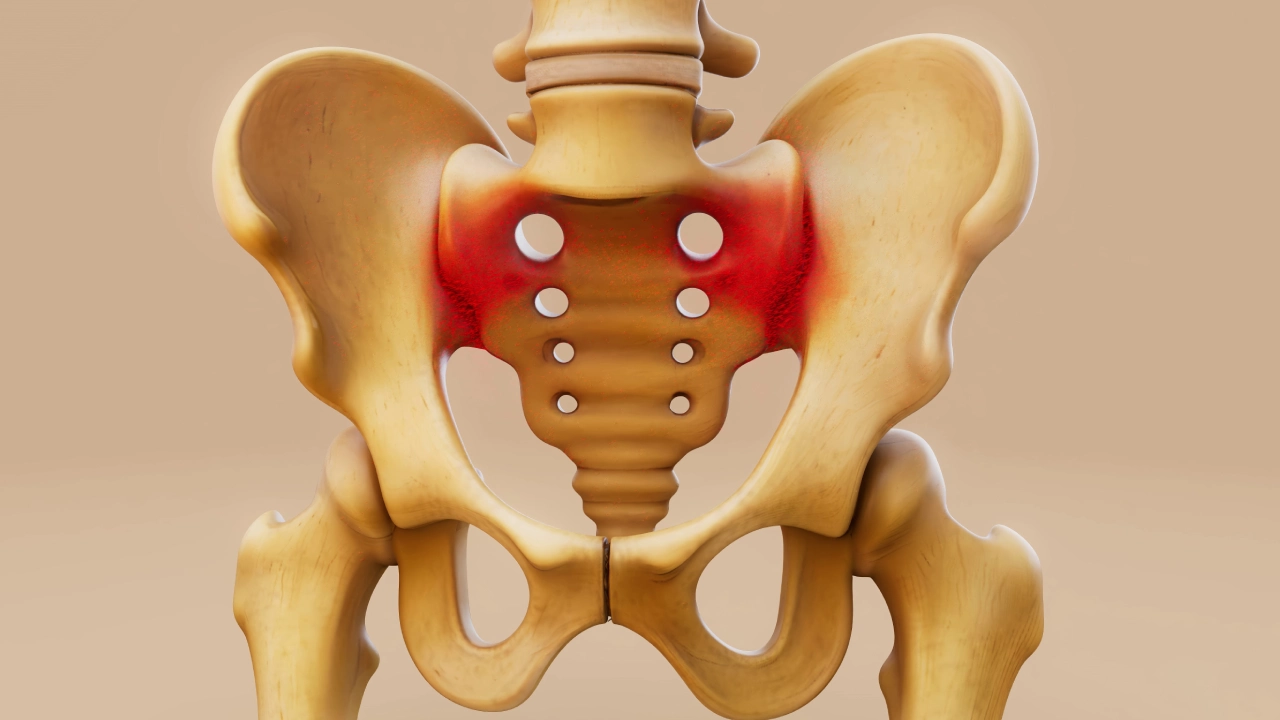
The sacroiliac joints connect the lower spine to the pelvis. When these joints become irritated or unstable, they may cause pain in the lower back and hips, and even radiate into the legs. Addressing sacroiliac joint pain early can help prevent further strain and movement limitations.
What Is Sacroiliac Joint Pain?
Understanding the Role of the Sacroiliac Joint
The sacroiliac (SI) joints sit on either side of the spine, linking the sacrum to the pelvis. These joints act as shock absorbers, distributing forces between the upper body and legs.
When the SI joints are not functioning properly, either moving too much or too little, it can lead to inflammation and discomfort.
Common Causes of Sacroiliac Joint Pain
Several factors may contribute to SI joint discomfort, including:
- Sudden impact or injury
- Repetitive stress from physical activity
- Pregnancy-related changes in joint stability
- Poor posture over time
- Uneven leg length or walking patterns
- Degenerative changes in the joints
Pain may develop gradually or appear suddenly, depending on the underlying cause.
Signs and Symptoms of Sacroiliac Joint Pain
What to Watch For
Sacroiliac joint pain can present in different ways, including:
- Lower back pain on one or both sides
- Discomfort in the hips, buttocks, or groin
- Pain that worsens with prolonged sitting or standing
- Stiffness when getting up from a seated position
- Pain during walking, climbing stairs, or turning in bed
Some individuals may feel pain radiating down the leg, which can sometimes be mistaken for sciatica.
How Sacroiliac Joint Pain Is Assessed
Detailed Physical Evaluation
At Prime Health Physiotherapy, assessment begins with a thorough review of symptoms, movement patterns, and posture. Specific physical tests help determine whether the sacroiliac joint is the primary source of discomfort.
Identifying Movement Limitations
The evaluation also focuses on:
- Joint mobility
- Muscle strength
- Alignment of the pelvis and spine
- Functional movement patterns
This step helps guide the direction of care and ensures that contributing factors are addressed.
Sacroiliac Joint Pain Treatment Options
Manual Therapy Techniques
Hands-on techniques may be used to improve joint movement and reduce stiffness. These methods aim to restore normal motion in the SI joint and surrounding structures.
Exercise-Based Rehabilitation
Targeted exercises play a key role in managing sacroiliac joint pain. These may include:
- Core strengthening exercises
- Hip stabilization drills
- Stretching for tight muscles
- Movement retraining
Regular exercise helps improve support around the joint and enhances overall function.
Postural and Movement Education
Daily habits can influence how the SI joint functions. Guidance on posture, lifting techniques, and movement patterns helps reduce strain on the joint during everyday activities.
Supportive Modalities
Additional methods such as heat therapy, taping, or supportive bracing may be used when appropriate to assist in managing discomfort and improving mobility.
Benefits of Physiotherapy for Sacroiliac Joint Pain
Improved Stability and Mobility
Physiotherapy focuses on strengthening the muscles that support the pelvis and lower back, helping the SI joint function more effectively.
Reduced Risk of Recurrence
By addressing underlying movement issues, physiotherapy can help lower the chances of the pain returning.
Enhanced Daily Function
As movement improves, everyday tasks such as walking, sitting, and bending become easier and more manageable.
When to Seek Care for Sacroiliac Joint Pain
Early Signs Should Not Be Ignored
If discomfort in the lower back or hips persists for more than a few days, or if it interferes with routine activities, it may be time to seek professional care.
Situations That Require Attention
Consider booking an assessment if you experience:
- Pain following a fall or accident
- Difficulty standing or walking for extended periods
- Ongoing stiffness in the lower back or pelvis
- Pain that spreads into the legs
Early intervention can make a meaningful difference in recovery and function.
Book an Appointment at Prime Health Physiotherapy
If sacroiliac joint pain is affecting your movement or daily routine, consider scheduling an appointment with Prime Health Physiotherapy. A detailed assessment can help identify the source of discomfort and outline the next steps for improving mobility and function.
Contact Prime Health Physiotherapy today to begin your path toward improved movement and comfort.
Frequently Asked Question (FAQ)
Sacroiliac joint pain is often felt in the lower back or buttock area and may worsen with sitting, standing, or walking. A physical assessment can help confirm the source.
In some cases, mild discomfort may settle with rest. However, persistent symptoms often require physiotherapy to address underlying movement issues.
Not exactly. While both can cause pain in similar areas, sciatica involves nerve irritation, whereas SI joint pain is related to joint dysfunction.
Exercises that strengthen the core and hips, along with gentle stretching, are commonly used. A physiotherapist can recommend suitable movements based on individual needs.
Recovery time varies depending on the cause and severity. With consistent physiotherapy and movement adjustments, many people notice improvement within a few weeks.