Pre and Postnatal Pain
Pregnancy and the months following childbirth bring many physical changes. Muscles, joints, and posture shift as the body adapts to carrying and caring for a baby. These changes can sometimes lead to Pre and Postnatal Pain, affecting the lower back, hips, pelvis, shoulders, or neck.
At Prime Health Physiotherapy, movement-focused physiotherapy supports individuals experiencing Pre and Postnatal Pain during pregnancy and after delivery. The goal is to address joint strain, muscle imbalance, and posture challenges that develop during this period while supporting safe movement through daily routines.
Managing Pre and Postnatal Pain During Pregnancy and After Birth
Many individuals notice Pre and Postnatal Pain beginning during pregnancy due to hormonal changes, shifting body weight, and changes in movement patterns. As the abdomen expands, the centre of gravity moves forward, increasing pressure on the lower back and pelvis.
After childbirth, the body continues adjusting. Lifting, feeding, and carrying a newborn can place additional strain on muscles and joints, which may lead to or worsen Pre and Postnatal Pain if not addressed early.
Physiotherapy focuses on identifying how muscles, joints, and posture contribute to Pre and Postnatal Pain so that daily activities can be performed with more stability and comfort.
Common Causes of Pre and Postnatal Pain
Several factors may contribute to Pre and Postnatal Pain during pregnancy and postpartum recovery.
Hormonal Changes
During pregnancy, hormones such as relaxin increase joint mobility to prepare the body for childbirth. While this process is natural, it may reduce joint stability, leading to Pre and Postnatal Pain in the pelvis, hips, or lower back.
Postural Shifts
As pregnancy progresses, posture changes to support the growing baby. Increased lumbar curve, rounded shoulders, and altered walking patterns may contribute to muscle fatigue and Pre and Postnatal Pain.
Muscle Imbalance
Abdominal muscles stretch throughout pregnancy, which may affect how surrounding muscles function. These changes can contribute to Pre and Postnatal Pain, particularly around the pelvis and lower back.
Physical Demands After Childbirth
Daily childcare activities such as feeding, lifting, carrying, and bending can place repetitive stress on the body. These movements may lead to Pre and Postnatal Pain in the shoulders, neck, wrists, and back.
Areas Often Affected by Pre and Postnatal Pain
Pre and Postnatal Pain may develop in several areas depending on posture, muscle strength, and daily activities.
Lower Back
Lower back strain is one of the most frequent concerns linked with Pre and Postnatal Pain, particularly as pregnancy progresses or when lifting a newborn.
Pelvic Region
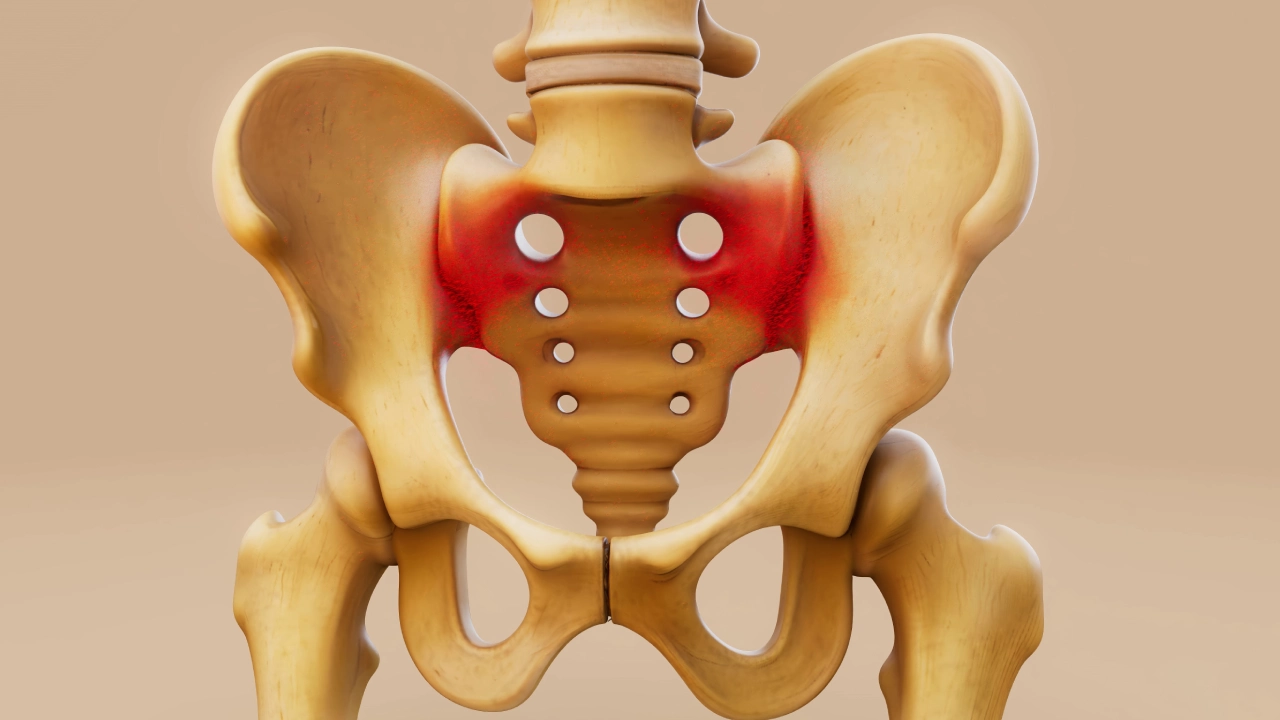
Pelvic discomfort can occur due to changes in joint movement and ligament strain. Many individuals experiencing Pre and Postnatal Pain notice discomfort when walking, turning in bed, or standing for longer periods.
Hips and Glutes
The hips and surrounding muscles help stabilize the pelvis. Weakness or tension in these areas may contribute to Pre and Postnatal Pain, especially when climbing stairs or transitioning between sitting and standing.
Upper Back and Shoulders
Feeding, holding, and carrying a baby often involve forward-leaning positions. These movements may lead to Pre and Postnatal Pain in the upper back, shoulders, and neck.
Physiotherapy Assessment for Pre and Postnatal Pain
At Prime Health Physiotherapy, assessment focuses on movement, posture, and joint function related to Pre and Postnatal Pain. The process may include:
- Review of pregnancy or postpartum health history
- Posture and movement evaluation
- Muscle strength and stability checks
- Joint mobility assessment
- Discussion about daily routines that may influence Pre and Postnatal Pain
This information helps identify areas where muscle support or joint control may need improvement.
Physiotherapy Approaches Used for Pre and Postnatal Pain
Movement-based physiotherapy may include several techniques that address Pre and Postnatal Pain and support daily function.
Mobility and Strength Exercises
Gentle strengthening and mobility exercises help support the pelvis, back, and abdominal muscles. These exercises are often used to address Pre and Postnatal Pain related to posture changes and joint strain.
Pelvic Stability Training
Pelvic muscles and surrounding structures play a key role in stability. Targeted exercises may help support the body and reduce strain linked with Pre and Postnatal Pain.
Posture and Movement Education
Daily activities such as lifting, feeding, carrying, and sitting can influence Pre and Postnatal Pain. Physiotherapists often guide individuals on posture and movement techniques that reduce unnecessary stress on muscles and joints.
Manual Therapy
Hands-on techniques may be used to address joint stiffness, muscle tension, or soft-tissue restrictions contributing to Pre and Postnatal Pain.
Daily Activities That May Influence Pre and Postnatal Pain
Small adjustments to daily routines can reduce the strain associated with Pre and Postnatal Pain.
Lifting and Carrying
When lifting a baby or a car seat, bending the knees and keeping the object close to the body may reduce stress on the back.
Feeding Posture
Using supportive pillows and maintaining upright posture during feeding may reduce upper back and neck strain linked with Pre and Postnatal Pain.
Sleeping Positions
Side-lying positions with pillow support between the knees may reduce pressure on the pelvis and lower back.
Gradual Return to Physical Activity
Walking and gentle strengthening activities may help support muscles that influence Pre and Postnatal Pain, particularly during postpartum recovery.
When to Seek Physiotherapy for Pre and Postnatal Pain
Many individuals consider physiotherapy when Pre and Postnatal Pain:
- Affects walking, standing, or sitting
- Appears during pregnancy and continues after childbirth
- Increases during lifting or childcare activities
- Limits physical activity or daily movement
- Causes discomfort in the back, pelvis, hips, or shoulders
Early attention to Pre and Postnatal Pain may support movement and reduce strain during pregnancy and postpartum recovery.
Supporting Movement During Pregnancy and Postpartum
Pregnancy and the postpartum period involve significant physical changes. Addressing Pre and Postnatal Pain through movement-focused physiotherapy may support muscle stability, posture, and joint function during this time.
At Prime Health Physiotherapy, physiotherapy sessions focus on movement assessment, exercise guidance, and daily activity modifications that support individuals managing Pre and Postnatal Pain throughout pregnancy and after childbirth.
Frequently Asked Question (FAQ)
Pre and Postnatal Pain during pregnancy may develop due to hormonal changes, posture shifts, and increased pressure on the back and pelvis as the baby grows.
Yes. Many individuals experience Pre and Postnatal Pain after delivery due to muscle weakness, posture changes, and the physical demands of caring for a newborn.
Physiotherapy may address muscle imbalances, posture, and joint strain associated with Pre and Postnatal Pain, supporting safe movement during daily activities.
Physiotherapy may be considered if Pre and Postnatal Pain interferes with walking, sitting, lifting, or other daily tasks.
Gentle strengthening and mobility exercises often support muscles that stabilize the back and pelvis, which may reduce strain linked with Pre and Postnatal Pain.