Physiotherapy for Tendinitis in Mississauga
Tendinitis can make simple activities such as reaching, walking, lifting, climbing stairs, or exercising uncomfortable. It develops when a tendon becomes irritated due to repeated strain, increased activity, or a sudden injury. At Get Back Physiotherapy, we provide physiotherapy for tendinitis in Mississauga to help people reduce discomfort, restore movement, and return to their daily routine with greater confidence. Every assessment begins with identifying the factors contributing to tendon irritation so treatment can focus on improving movement, strength, and function.
Whether your symptoms affect your shoulder, elbow, wrist, hip, knee, ankle, or another joint, physiotherapy aims to address the source of the problem rather than focusing only on the symptoms.
What Is Tendinitis?
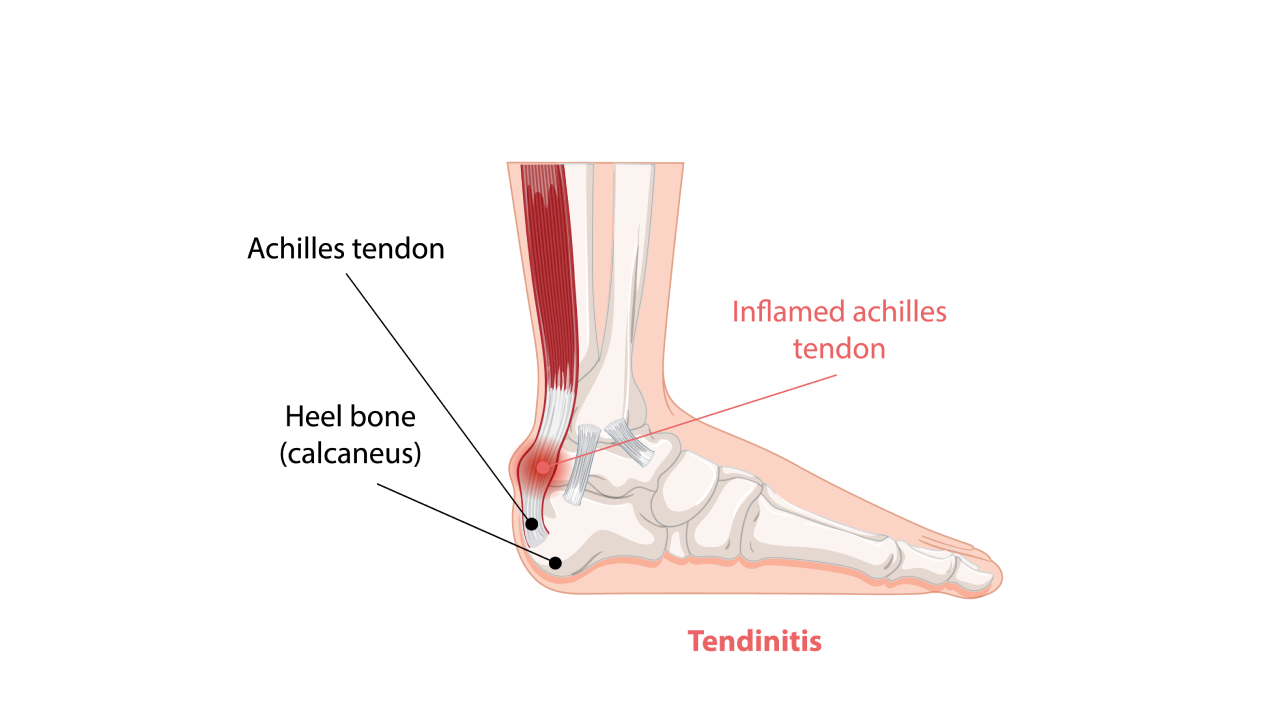
Tendinitis is the irritation or inflammation of a tendon, the strong connective tissue that attaches muscle to bone. Tendons help transfer force during movement, allowing joints to perform everyday activities. When a tendon is repeatedly overloaded or subjected to sudden stress, small areas of irritation can develop, leading to discomfort with movement.
Common types of tendinitis include:
- Rotator cuff tendinitis
- Achilles tendinitis
- Patellar tendinitis
- Tennis elbow
- Golfer’s elbow
- Wrist tendinitis
- Hip tendinitis
Tendinitis can affect people of all ages, including office workers, active adults, athletes, and individuals whose work involves repetitive tasks.
Who Can Benefit From Physiotherapy for Tendinitis?
Physiotherapy may be appropriate for individuals who:
- Notice discomfort during daily activities.
- Have stiffness after periods of rest.
- Perform repetitive hand or arm work.
- Participate in sports involving running, jumping, throwing, or lifting.
- Recently increased their exercise routine.
- Spend long hours sitting or working at a computer.
- Want to return to work, recreation, or exercise safely.
People often seek treatment after symptoms continue for several weeks or begin interfering with normal movement.
Problems Physiotherapy for Tendinitis Can Address
Physiotherapy can assist people dealing with many common tendon-related concerns, including:
- Persistent tendon discomfort during movement
- Swelling around a joint
- Morning stiffness
- Reduced joint mobility
- Difficulty lifting objects
- Pain while walking, climbing stairs, or running
- Reduced strength around the affected joint
- Difficulty returning to sports
- Recurring tendon irritation
- Limited ability to complete work or household activities
Early assessment may help prevent symptoms from becoming more persistent.
Features and What Your Care May Include
Comprehensive Assessment
Your physiotherapist will review your symptoms, medical history, daily activities, movement patterns, strength, flexibility, and joint mobility. This helps determine which tendon is affected and identify factors contributing to the irritation.
Movement Analysis
Walking, reaching, squatting, lifting, or sport-specific movements may be evaluated to identify mechanical factors placing additional stress on the tendon.
Manual Therapy
Hands-on techniques may be used to improve joint mobility, reduce stiffness, and encourage more comfortable movement around the affected area.
Exercise Program
Progressive exercises are selected to improve tendon capacity, muscle strength, flexibility, balance, and overall movement quality. Exercises are adjusted as your function changes throughout care.
Activity Modification
Your physiotherapist can recommend temporary adjustments to work tasks, exercise routines, or recreational activities while the tendon recovers.
Education
Learning why symptoms developed and how to manage daily activities can help reduce repeated strain on the affected tendon.
Progress Monitoring
Regular reassessments allow your physiotherapist to monitor your mobility, strength, function, and overall progress, and to adjust your program when appropriate.
How the Process Works
1. Initial Consultation
Your visit begins with a discussion about your symptoms, activity level, medical history, and goals.
2. Physical Assessment
Joint mobility, strength, flexibility, movement quality, and tendon function are examined to determine the source of your symptoms.
3. Individual Care Plan
Based on your assessment findings, your physiotherapist develops a treatment plan that addresses your current limitations and functional goals.
4. Treatment Sessions
Treatment may include manual therapy, exercise progression, movement retraining, and education to improve tendon function.
5. Ongoing Reassessment
Your progress is reviewed regularly so your program can be adjusted as your strength and mobility improve.
6. Return to Daily Activities
As symptoms settle and movement improves, your physiotherapist helps you gradually return to work, exercise, hobbies, and other activities.
Benefits of Physiotherapy for Tendinitis
Physiotherapy can help many people:
- Improve joint mobility.
- Increase muscle strength.
- Restore normal movement patterns.
- Improve flexibility.
- Reduce stiffness during daily activities.
- Improve balance and coordination.
- Support a gradual return to sports.
- Improve tolerance for walking, lifting, and other routine tasks.
- Lower unnecessary strain on affected tendons.
- Improve overall physical function.
Every person’s recovery timeline varies depending on the tendon’s location, symptom severity, daily activity demands, and individual health factors.
Conditions and Individuals We Commonly See
Our clinic provides physiotherapy for many tendon-related conditions affecting:
- Office workers
- Tradespeople
- Healthcare workers
- Students
- Recreational athletes
- Runners
- Golfers
- Tennis players
- Fitness enthusiasts
- Older adults maintaining an active lifestyle
We also help individuals recovering from repetitive strain injuries and those returning to activity after a period of reduced movement.
Frequently Asked Questions
What causes tendinitis?
Common causes include repetitive movements, sudden increases in physical activity, sports participation, physically demanding jobs, muscle weakness, and movement patterns that repeatedly stress a tendon.
Which body parts are commonly affected?
Tendinitis frequently affects the shoulder, elbow, wrist, hip, knee, and Achilles tendon, although it can occur in many areas of the body.
How long does recovery take?
Recovery varies depending on the affected tendon, symptom duration, activity level, and the consistency with which the treatment plan is followed.
Will I receive exercises?
Yes. Exercise is an important part of physiotherapy and is progressed throughout your care based on your current function.
Can I continue exercising?
Many people can continue modified activity while recovering. Your physiotherapist will recommend movements appropriate to your current condition.
Serving Mississauga and Nearby Communities
Get Back Physiotherapy proudly serves clients throughout Mississauga, including Mineola, Lakeview, Lorne Park, Cooksville, and surrounding communities. Whether your tendinitis developed through work, sport, or everyday activities, our clinic provides one-on-one physiotherapy focused on restoring comfortable movement and improving physical function.
Why Choose Get Back Physiotherapy?
At Get Back Physiotherapy, every appointment is provided one-on-one with a physiotherapist. Your care begins with a detailed physical assessment and continues with regular progress reviews so your program reflects your current abilities and goals. Treatment combines hands-on care, movement assessment, and progressive exercise to support functional improvement throughout each stage of recovery.
Related Services
You may also be interested in:
- Sports Physiotherapy
- Manual Therapy
- Exercise Rehabilitation
- Shockwave Therapy
- Dry Needling
- Vestibular Rehabilitation
- Pelvic Health Physiotherapy
- Post-Surgical Rehabilitation
Get Started
If tendon discomfort is making everyday activities more difficult, Get Back Physiotherapy is here to help. Contact our Mississauga clinic to schedule an assessment.
Address: 507 Lakeshore Rd E Ste 200, Mississauga, ON L5G 1H9, Canada
Phone: +1 416-259-0359
During your first visit, we’ll discuss your symptoms, evaluate your movement, identify factors contributing to tendon irritation, and create a plan to help you return to the activities that matter to you.